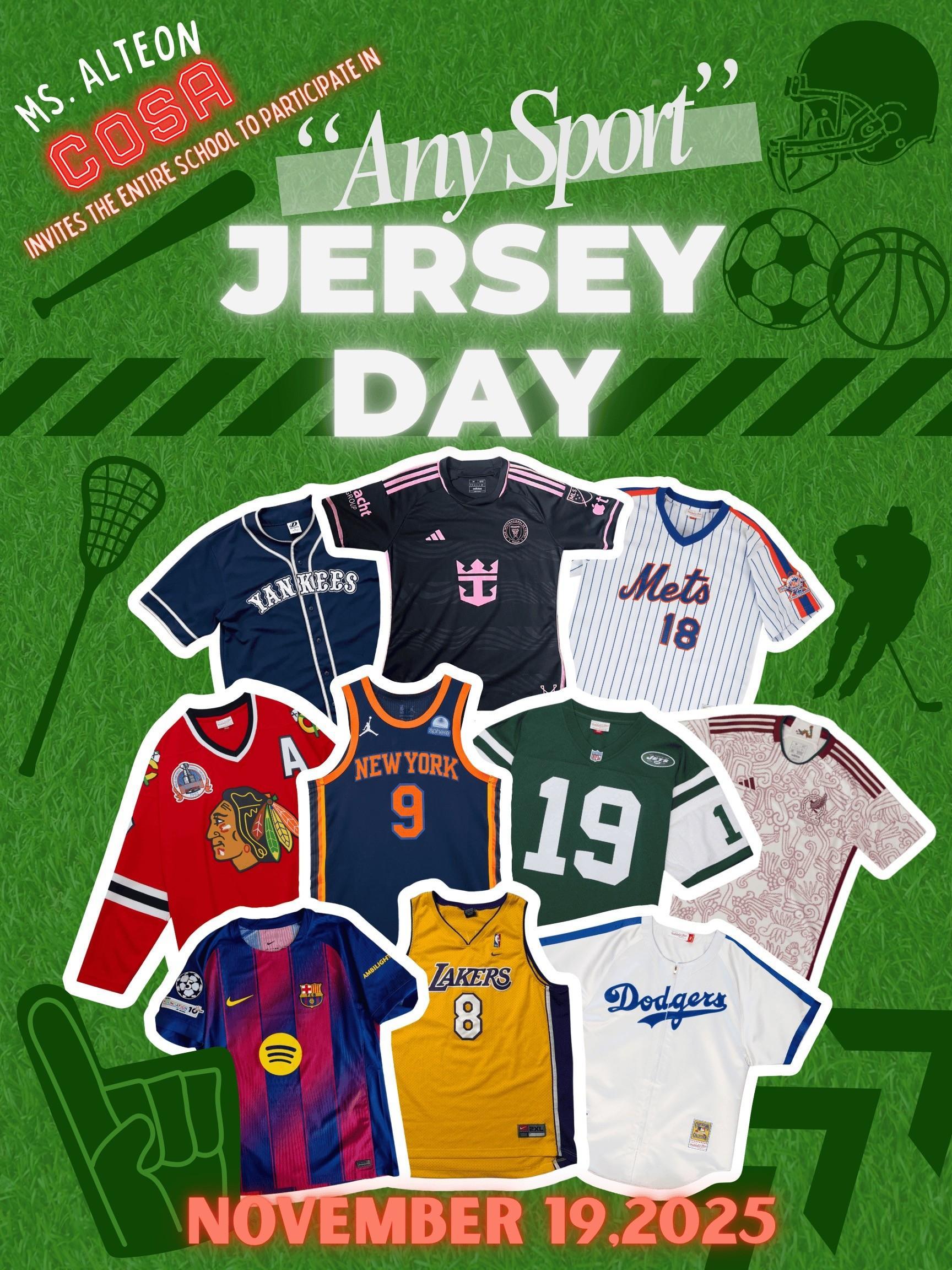
Jersey Day at Work is Usually Worth It: Boosting Morale and Workplace Culture
Jersey day at work is usually worth it because it breaks corporate monotony, fosters informal peer connections, and encourages self-expression without disrupting daily productivity, provided organizations establish clear, inclusive gui...
Jersey day at work is usually worth it because it breaks corporate monotony, fosters informal peer connections, and encourages self-expression without disrupting daily productivity, provided organizations establish clear, inclusive guidelines and respect employee boundaries.
Contents
Workplace culture initiatives have evolved significantly over the years. Modern organizations constantly search for low-cost, high-impact ways to boost employee engagement, improve morale, and foster a sense of belonging. Among the various office spirit days—ranging from pajama days to formal holiday sweater events—jersey day remains one of the most popular. Wearing a sports jersey to the office might seem like a trivial, lighthearted activity, but it serves a strategic function in workplace dynamics. Below, we examine why participating in jersey day is typically beneficial, how it impacts team cohesion, and the operational best practices required to make it a success.
Understanding the Appeal of Workplace Spirit Days
Corporate environments often prioritize standardization, professionalism, and operational efficiency. While necessary for business output, strict adherence to traditional dress codes can inadvertently create emotional distance among colleagues. Spirit days, specifically jersey days, act as a psychological reset.
When employees wear the colors, crests, or names of their favorite teams—whether in soccer, basketball, American football, hockey, or cricket—they project a piece of their personal identity into the professional sphere. This visibility sparks spontaneous conversations among coworkers who might otherwise only discuss project deliverables. A shared passion for a local franchise, a memorable championship game, or even a spirited, friendly rivalry between fans of opposing teams humanizes colleagues. It bridges generational, hierarchical, and departmental divides, allowing junior staff and senior management to interact on common ground.
The Psychological and Social Benefits
Employee engagement initiatives directly influence retention and job satisfaction. Implementing casual or themed dress days offers measurable psychological benefits within office ecosystems.
Breaking Down Hierarchical Barriers
In traditional corporate structures, the invisible wall between leadership and staff can hinder open communication. When a director and an entry-level analyst wear jerseys representing their respective local squads, the visual hierarchy softens. This shared informality encourages approachability, making employees feel more comfortable sharing ideas or raising concerns during daily operations.
Fostering Inclusive Community Through Diversity
Modern workplaces are globally diverse, and sports fandom often mirrors this multicultural reality. A single office might feature supporters of European football clubs, North American basketball franchises, and international cricket teams. Jersey day provides a structured platform to celebrate these diverse interests. Employees take pride in explaining the history of their chosen team, local traditions, or the significance of a particular player, fostering cross-cultural appreciation.
Mitigating Burnout Through Micro-Breaks
High-pressure environments can deplete cognitive and emotional resources. Informal events introduce moments of levity throughout the workday. Pausing to discuss a morning match or laughing about a rival team's recent loss acts as a micro-break, helping to reset focus and reduce occupational stress.
Comparing Workplace Engagement Strategies
To understand the unique value of jersey day, it helps to compare it against other common office engagement practices. Each initiative carries distinct operational costs, employee participation rates, and cultural outcomes.
| Engagement Strategy | Cost to Organization | Preparation Required | Inclusivity Potential | Impact on Culture |
|---|---|---|---|---|
| Jersey Day | Low (Zero cost if dress code is adapted) | Minimal (Advance date announcement) | High (Accessible to most sports fans; adaptable for general apparel) | Strong for informal bonding and cross-departmental dialogue |
| Formal Catered Lunches | High (Food, venue, logistics) | Moderate (Vendor coordination, dietary tracking) | High (Appeals to all staff) | Moderate for immediate morale, low long-term retention impact |
| Team Building Workshops | Moderate to High (Facilitator fees, productivity loss) | High (Scheduling, mandatory attendance) | Variable (Some staff view forced fun negatively) | High for strategic alignment, but risks employee fatigue |
| Formal Holiday Parties | High (Venue rental, entertainment, travel) | High (Months of planning) | Moderate (May conflict with personal schedules or beliefs) | Moderate for annual celebration, high financial overhead |
Potential Pitfalls and How to Avoid Them
Despite the general benefits, unstructured dress-down days can occasionally introduce friction if management fails to anticipate administrative and cultural challenges.
Exclusion of Non-Sports Fans
Not everyone follows professional sports, and forcing participation can alienate employees who feel left out of the conversation. Organizations can mitigate this by broadening the theme—allowing employees to wear graphic tees representing bands, universities, or hobbies, or by reframing the day as "Team Spirit Day" where local community pride or organizational milestones are celebrated alongside sports apparel.
Navigating Heated Rivalries
Sports fandom runs deep, and passionate rivalries can sometimes cross the line from playful banter into hostile territory. Management must establish clear behavioral boundaries. The focus should remain on community and camaraderie rather than aggressive team superiority. Standard corporate harassment and respect policies remain in effect regardless of what is printed on a jersey.
Maintaining Client-Facing Professionalism
For businesses that regularly host external clients or partners, an entirely casual dress code can cause logistical concerns. Organizations can resolve this by keeping jersey days to internal-only teams, designating specific floors or departments, or allowing client-facing personnel to wear subtle sports-themed accessories (such as a lanyard or lapel pin) while keeping standard business attire.
Best Practices for Human Resources and Management
To ensure jersey day achieves its intended cultural goals without disrupting workflow, human resources and team leaders should follow a structured implementation framework.
- Advance Notice: Announce the event at least two weeks in advance. This gives remote employees time to plan if they intend to visit the office, and allows hybrid workers to coordinate their schedules.
- Clear Boundaries: Define acceptable apparel clearly. Ensure the policy explicitly states that jerseys must be free of offensive language, political slogans, or inappropriate imagery.
- Optional Participation: Never make participation mandatory. Compulsory fun often breeds resentment. Encourage participation through positive reinforcement rather than pressure.
- Hybrid and Remote Accommodations: For remote or hybrid workforces, extend the initiative to virtual meetings. Encourage remote staff to wear their jerseys during video calls or to update their virtual backgrounds to match their team’s stadium.
- Combine with Philanthropy: Elevate the event by tying it to a charitable cause. Encourage employees to make a small donation to a local community sports charity or food bank in exchange for the privilege of wearing their team colors.
Conclusion
Jersey day at work is usually worth it because it requires minimal administrative overhead while delivering tangible improvements to employee morale, interpersonal communication, and office culture. By acknowledging that employees are multi-dimensional individuals with passions outside the workplace, organizations create an environment of trust and mutual respect. When executed with clear guidelines, inclusivity, and a focus on community connection, a simple sports jersey becomes a powerful tool for building a more cohesive and resilient workforce.
Image Gallery