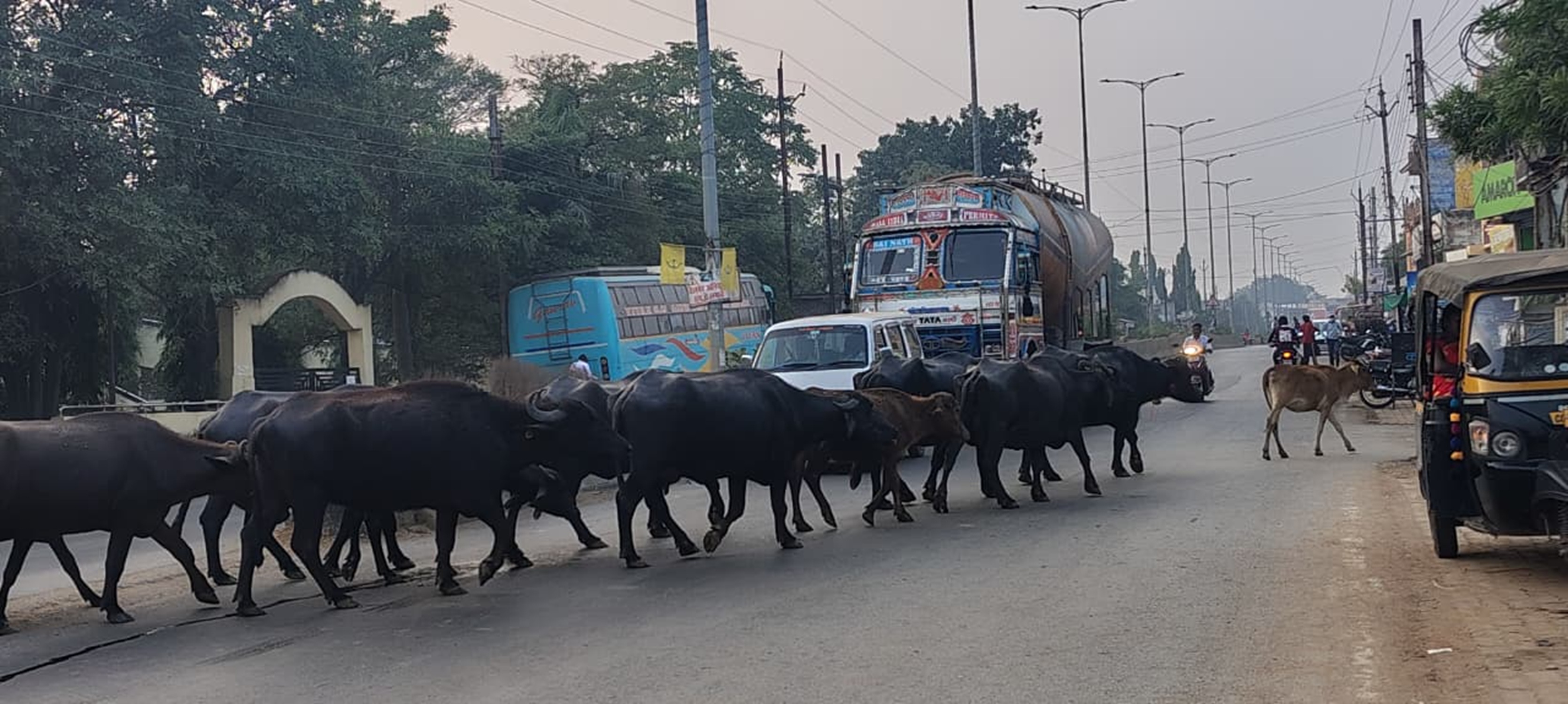
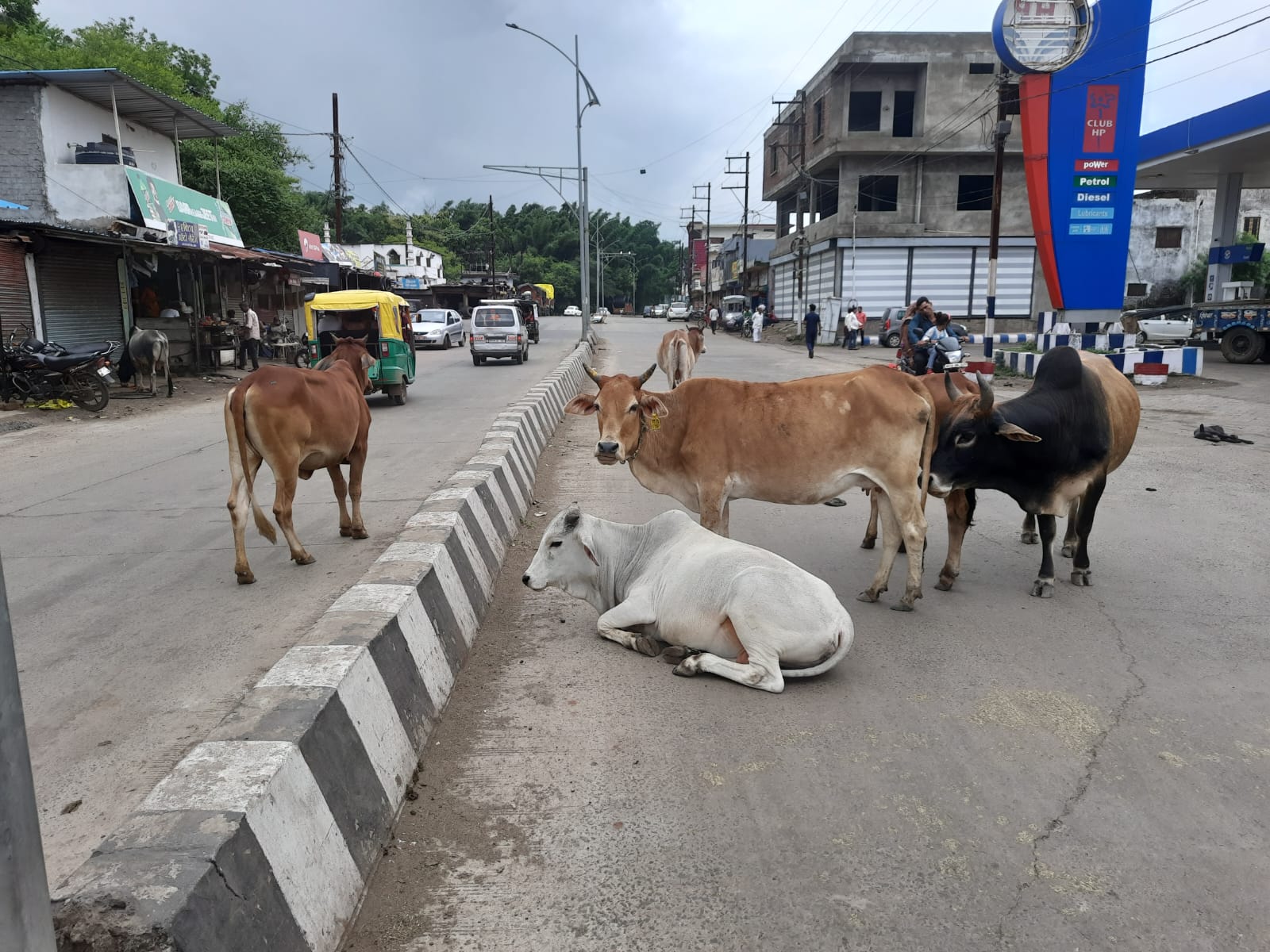
Cattle on the Road: Evaluating When Walking Livestock is Worth It
Moving cattle on the road is worth it when the distance is under ten miles, the herd is well-trained, and the cost of professional trucking exceeds the combined expense of labor and "shrinkage" (weight loss). This method is most viable...
Moving cattle on the road is worth it when the distance is under ten miles, the herd is well-trained, and the cost of professional trucking exceeds the combined expense of labor and "shrinkage" (weight loss). This method is most viable in regions with low traffic density and favorable open-range legal protections.
Contents
Moving livestock from one pasture to another or to a loading facility is a fundamental part of ranching. However, the decision to "walk" cattle along public or private roads versus loading them into trailers involves complex calculations of animal welfare, labor costs, legal liability, and time management. In 2026, with fluctuating fuel prices and tightening transportation regulations, the traditional cattle drive is seeing a pragmatic resurgence for short-distance movements.
The Economic Threshold: Trucking vs. Droving
The primary factor in determining if moving cattle on the road is worth it is the total distance of the move. For most operations, the "break-even" point for walking cattle is between five and ten miles. Beyond ten miles, the physical toll on the animals and the logistical burden of managing traffic usually make trucking more cost-effective.
When evaluating trucking, you must consider the "hook-up" fee and the per-mile rate. In 2026, commercial livestock hauling rates often start with a base fee of $200 to $400 just to arrive at the ranch, followed by $4.50 to $6.00 per loaded mile. If you are moving 50 head of cattle only three miles, paying $500 for a semi-truck is difficult to justify if you have the horses, ATVs, and personnel to move them in two hours.
Conversely, walking cattle incurs labor costs. A safe road drive typically requires at least three to four riders: a "lead" to control the pace, "flankers" to prevent cattle from entering side roads or private property, and a "drag" to push the stragglers. If you are hiring day laborers or using family members whose time could be spent on higher-value tasks, those hours must be tallied against the trucking quote.
The Impact of Shrinkage and Animal Health
"Shrink" refers to the weight loss cattle experience during movement due to stress, exertion, and the loss of rumen content and tissue moisture. This is a critical financial metric because every pound lost is a direct reduction in the animal’s market value.
Walking cattle on the road, if done slowly and quietly, can actually result in less "stress-induced shrink" than the process of gathering, sorting, and loading them onto a vibrating, noisy trailer. However, if the road drive involves high heat, hard pavement, or aggressive herding, the "physical shrink" from exertion can be significant.
- Environmental Factors: In 2026, ranchers are increasingly using wearable biometric sensors to monitor cattle stress. Data shows that walking cattle during the cool early morning hours on soft road shoulders preserves more weight than midday trailer transport.
- Forage Access: If the road permits "grazing the long acre" (roadside grass), cattle may arrive at their destination with minimal weight loss. This turns a logistics task into a feeding opportunity, significantly increasing the "worth" of the road drive.
Legal Liability and Open Range Laws in 2026
The legal framework of your specific jurisdiction is the most significant "go/no-go" factor. In the United States, laws generally fall into two categories: Open Range and Closed Range (or "Fence-In" laws).
In Open Range areas, common in the Western U.S., the burden is often on the driver of a vehicle to avoid livestock. However, this is not a "get out of jail free" card for ranchers. If a rancher is moving cattle on a public road and fails to provide adequate warning (such as pilot vehicles with flashing lights or "Cattle Crossing" signs), they can still be held liable for negligence in the event of a collision.
In Closed Range jurisdictions, the rancher is strictly liable for any damage or injury caused by their livestock being on a public roadway. In these areas, walking cattle on the road is rarely worth the risk unless the road is a private easement or an extremely low-traffic dirt track. As of 2026, insurance premiums for "Equine and Livestock Liability" have risen, and many policies now require a specific rider or "Transit Endorsement" to cover road drives.
Logistical Requirements for a Successful Move
If the economics and legalities align, the move is only worth it if it is executed without incident. A failed road drive—where cattle break into a neighbor's cornfield or cause a traffic accident—can cost more than a lifetime of trucking fees.
Necessary Equipment and Personnel
- Lead and Drag Vehicles: You should have a vehicle at least a quarter-mile ahead of the herd and another behind it. These vehicles should have hazard lights and signs stating "CAUTION: CATTLE AHEAD."
- Communication: All riders and drivers must have reliable two-way radios. Cell phones are often insufficient in remote areas and are too slow for split-second coordination.
- The "Lead Cow": A successful drive often relies on a few seasoned cows that know the route. If the herd is young or "flighty," walking them on a road is a high-risk gamble.
- Traffic Control: If the route crosses a major intersection, you may need to coordinate with local law enforcement or hire private flaggers.
Route Assessment
Before the drive, the route must be scouted for "traps"—unfenced yards, open gates, cattle guards that aren't properly screened, or areas with narrow shoulders where cattle cannot get off the pavement if a large truck passes.
Comparison: Walking vs. Trucking Livestock
| Factor | Walking (Droving) | Trucking (Hauling) |
|---|---|---|
| Ideal Distance | 0 – 8 miles | 10+ miles |
| Cost Basis | Labor-intensive; low fuel/equipment cost. | High fuel and service fees. |
| Animal Stress | Low to Moderate (if handled quietly). | High (loading/unloading stress). |
| Shrinkage Risk | High physical shrink (calories burned). | High stress shrink (fluid loss). |
| Traffic Risk | High; requires active management. | Low; cattle are contained. |
| Legal Burden | Rancher carries significant liability. | Carrier typically shares liability. |
| Time Required | 2–6 hours depending on distance. | 1–2 hours including loading. |
Managing Public Relations and Safety
In 2026, the intersection of urban sprawl and rural ranching is more pronounced than ever. When moving cattle on the road, you are not just managing animals; you are managing the public.
Many drivers today have never encountered livestock on a road. They may not know to slow down or may attempt to honk their horns, which can stampede the herd. It is often "worth it" to take a longer, more difficult overland route through private pastures than to use a paved county road where you will encounter high-speed commuter traffic.
If you must use a public road, timing is everything. Sunday mornings are often the quietest periods on rural roads. Conversely, avoiding the "school bus window" and morning/evening commute times is essential. A single impatient driver can create a chain reaction that results in injured livestock or a lawsuit.
Professional Advice Limitation
This article provides general agricultural and logistical information. Livestock laws vary significantly by state, county, and municipality. Before moving cattle on public roadways, consult with your local Department of Transportation, your insurance provider, and legal counsel to ensure compliance with current 2026 statutes and liability coverage requirements.
Frequently Asked Questions
Is it legal to herd cattle on public roads?
In most rural jurisdictions, it is legal to move livestock on public roads, provided they are under the control of a herder. However, specific "Right-of-Way" laws vary. In many states, you must provide "reasonable warning" to motorists. Always check local ordinances, as some counties have specific permits required for moving more than a certain number of head on paved roads.
How much weight do cattle lose when walking on the road?
Cattle typically lose between 1% and 3% of their body weight during a short road drive (under 5 miles) due to "gut shrink." If the drive is longer or the temperature is high, this can increase to 5% or more. Providing water immediately upon arrival is crucial to help the animals regain fluid weight quickly.
What is the best time of day to move cattle on the road?
The best time is at first light. This provides maximum visibility for motorists while keeping the cattle in the coolest part of the day. Avoid moving cattle at dusk or night, as the risk of a vehicle collision increases exponentially when drivers cannot see the dark coats of the animals or the riders.
Do I need special insurance to walk cattle on the road?
Standard farm liability insurance may cover "escaped" livestock, but it may not cover a planned cattle drive on a public thoroughfare. It is highly recommended to contact your agent for a "Transit" or "Drover's" endorsement. In 2026, many insurance companies require a written "Drive Plan" to maintain coverage during such events.
How many people are needed to move 100 head of cattle on a road?
For 100 head, a minimum of five people is recommended: one lead vehicle, one rider at the front (the "point"), two riders on the sides (the "flanks"), and one rider/vehicle at the back (the "drag"). More may be needed if there are many open gates or side roads along the route.
Final Recommendation
Moving cattle on the road is worth it only when the move is short-range, well-planned, and legally protected. If you have a calm herd and a low-traffic route of under 5 miles, walking the cattle can save significant money and reduce the "loading stress" associated with trailers. However, if the route involves high-traffic paved roads, or if you lack the experienced labor to maintain a tight "pocket" around the herd, the potential for a catastrophic liability claim far outweighs the savings from skipping the trucking fee. Always prioritize safety and legal compliance over minor cost savings.
Image Gallery