UWCU High Yield Savings Explained: A Comprehensive Guide for 2026
University of Wisconsin Credit Union (UWCU) offers high-yield savings options, primarily through its Investor’s Index and tiered savings accounts, designed to provide higher interest rates than standard savings accounts. These accounts...
University of Wisconsin Credit Union (UWCU) offers high-yield savings options, primarily through its Investor’s Index and tiered savings accounts, designed to provide higher interest rates than standard savings accounts. These accounts utilize a tiered APY structure, meaning higher balances often earn more competitive rates, all while maintaining NCUA insurance and full liquidity for members.
Contents
High-yield savings accounts (HYSA) have become essential tools for modern financial management. In 2026, where digital banking is the norm and inflation management remains a priority for households, finding a balance between accessibility and aggressive growth is vital. UWCU, a member-owned financial cooperative, positions its high-yield products as a bridge between the low-interest "safety net" of traditional savings and the higher-risk environment of market investments.
Understanding the UWCU High Yield Framework
Unlike a traditional commercial bank that answers to shareholders, UWCU is a credit union. This distinction is fundamental to how their high-yield savings products are structured. Profits are returned to members in the form of lower loan rates and higher deposit yields. In 2026, the primary vehicle for high-yield growth at UWCU remains the Investor’s Index Savings account, though they also offer tiered Money Market accounts that function similarly.
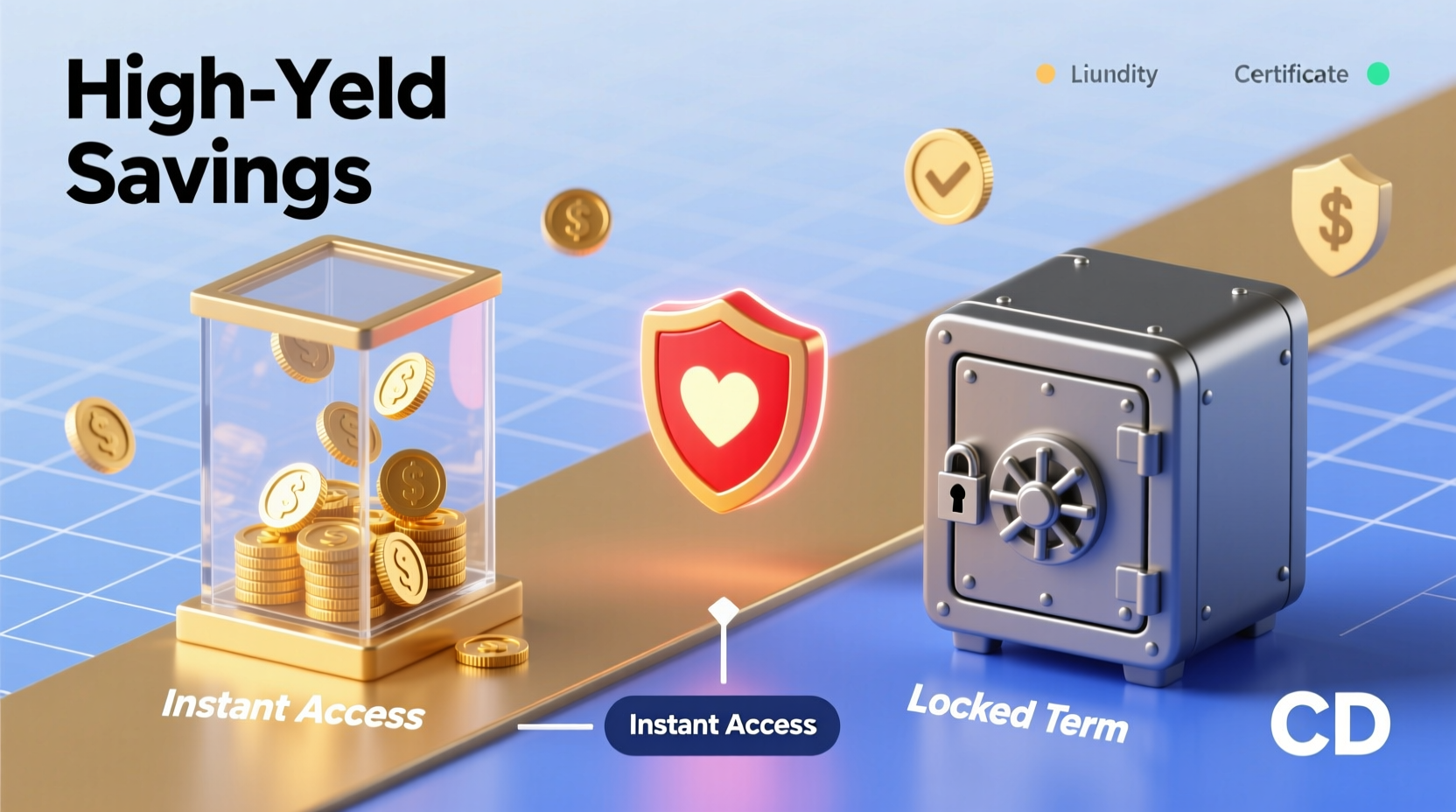
The "High Yield" designation at UWCU typically refers to accounts that track or exceed the national average for liquid savings. These are not certificates of deposit (CDs); your money is not locked away for a fixed term. Instead, you receive a variable Annual Percentage Yield (APY) that can fluctuate based on the Federal Reserve's federal funds rate and market conditions.
The Mechanics of Tiered Interest Rates
One of the most important aspects to understand about UWCU's high-yield offerings is the tiered rate structure. Unlike some online-only banks that offer a flat rate on every dollar, UWCU often utilizes brackets. For example:
- Tier 1: Balances from $0 to $10,000 earn a base rate.
- Tier 2: Balances from $10,001 to $50,000 earn a higher "step-up" rate.
- Tier 3: Balances exceeding $50,000 may trigger the maximum yield.
This structure encourages members to consolidate their savings within the credit union to hit higher interest benchmarks. It is crucial to monitor these tiers annually, as UWCU adjusts the "break points" and the associated APY based on the 2026 economic landscape.
Eligibility and Membership Prerequisites
You cannot simply open a high-yield savings account at UWCU without first becoming a member. Membership is the prerequisite for all financial products offered by the institution. As of 2026, eligibility for UWCU membership remains focused on the Wisconsin community and the University of Wisconsin system.
Who Can Join?
- Students and Alumni: Anyone currently enrolled in or graduated from a University of Wisconsin school (Madison, Milwaukee, Green Bay, etc.).
- Employees: Staff and faculty of the UW system or UW Health.
- Geographic Residents: Individuals living, working, or attending school in specific Wisconsin counties (including Dane, Milwaukee, Waukesha, and others).
- Family Members: Immediate family members of current UWCU participants are generally eligible regardless of their location.
To activate the high-yield savings account, you must first open a Premium Checking or standard Savings account with a nominal deposit (usually $5) to establish your "share" in the credit union. Once the membership is active, the high-yield sub-account can be opened via the mobile app or online portal.
Fee Structures and Minimum Balance Requirements
In the 2026 banking environment, transparency regarding fees is a major competitive advantage. UWCU typically avoids the "maintenance fee" traps common in large national banks. However, high-yield accounts have specific operational rules that must be followed to avoid costs or rate reductions.
Minimum Opening Deposit
Most UWCU high-yield products require a minimum opening deposit. While a standard savings account might only require $5, the high-yield variants often require a larger initial commitment—frequently between $1,000 and $2,500—to begin earning at the advertised "Investor" rates.
Monthly Maintenance Fees
UWCU generally waives monthly fees on high-yield accounts if a minimum daily balance is maintained. If the balance dips below the threshold (e.g., $1,000), a small monthly fee may be assessed, or the account may revert to the standard savings APY. It is vital for members to use automated transfers to ensure their balance stays above these triggers.
Excessive Transaction Fees
While the 2020 regulatory changes to "Regulation D" removed federal limits on the number of transfers from savings accounts, many institutions still maintain internal limits. UWCU may allow unlimited digital transfers but could charge a fee if you exceed a specific number of "convenience withdrawals" (such as ATM or in-branch withdrawals) per month from a high-yield account.
Comparative Analysis: UWCU vs. National Alternatives
When choosing a high-yield savings account in 2026, consumers often weigh local credit unions against national online banks like Ally, Marcus, or SoFi.
| Feature | UWCU High Yield (Investor's) | National Online HYSA | Traditional "Big Bank" Savings |
|---|---|---|---|
| APY Range (2026) | Competitive (Tiered) | High (Flat) | Very Low |
| Physical Access | Extensive (Wisconsin Branches) | None / Limited | Extensive (National) |
| Insurance | NCUA Insured | FDIC Insured | FDIC Insured |
| Atmosphere | Member-Owned / Local | Corporate / Digital | Corporate / Shareholders |
| Min. Balance | Typically $1,000+ | Often $0 | Varies (often high) |
| Customer Service | Localized / High Rated | 24/7 Digital | Automated / Call Center |
UWCU excels for individuals who value hybrid banking. If you want the high rates of a digital bank but still want the ability to walk into a branch in Madison or Milwaukee to resolve a complex issue, UWCU is the superior choice. However, if your primary goal is the absolute highest APY regardless of branch access, some online-only entities might occasionally edge out the credit union by a few basis points.
Security, Insurance, and Risk Assessment
A common question for those moving large sums into high-yield accounts is the safety of their capital. High-yield savings accounts at UWCU are not market-linked investments; they are deposit accounts.
NCUA Insurance
The National Credit Union Administration (NCUA) provides the credit union equivalent of FDIC insurance. Your deposits at UWCU are insured up to $250,000 per individual depositor. This insurance covers the principal and all accrued interest. For joint accounts, the coverage can effectively double to $500,000.
Digital Security Measures
By 2026, UWCU has implemented advanced biometric and multi-factor authentication (MFA) across its platforms. High-yield accounts often hold significant portions of a member's net worth, making them targets for phishing. UWCU uses "behavioral analytics" to monitor for unusual transfer patterns, providing an extra layer of defense that standard savings accounts might lack.
Strategic Financial Uses for High-Yield Savings
A high-yield account is a specific tool that should be used for specific goals. It is not an replacement for a 401(k) or an IRA, nor is it a replacement for a daily checking account.
The Emergency Fund
The most common use for a UWCU high-yield account is an emergency fund. Financial advisors in 2026 recommend keeping 3–6 months of living expenses in a liquid, high-interest environment. Because UWCU offers instant transfers between savings and checking, you can earn high interest on your "rainy day" fund while still having immediate access to it via the mobile app if a car repair or medical bill arises.
Sinking Funds
Sinking funds are accounts where you save for a specific, known future expense. Because you can often "nickname" accounts or create sub-savings goals within the UWCU ecosystem, members use high-yield accounts for:
- Annual property tax payments.
- Home down payment accumulation.
- Upcoming holiday or vacation spending.
- Quarterly estimated tax payments for freelancers.
By keeping these funds in a high-yield account rather than a standard checking account, you ensure the money isn't accidentally spent and that it grows slightly while waiting to be used.
Managing Your Account via the UWCU Mobile App
In 2026, the utility of a savings account is defined by its digital interface. UWCU's mobile platform allows for several advanced management techniques:
- Automated Round-Ups: You can set your UWCU debit card to round up purchases to the nearest dollar, with the change automatically deposited into your High Yield Savings.
- Direct Deposit Allocation: You can instruct your employer to send a flat percentage (e.g., 10%) of your paycheck directly into the Investor’s Index account, bypassing your checking account entirely.
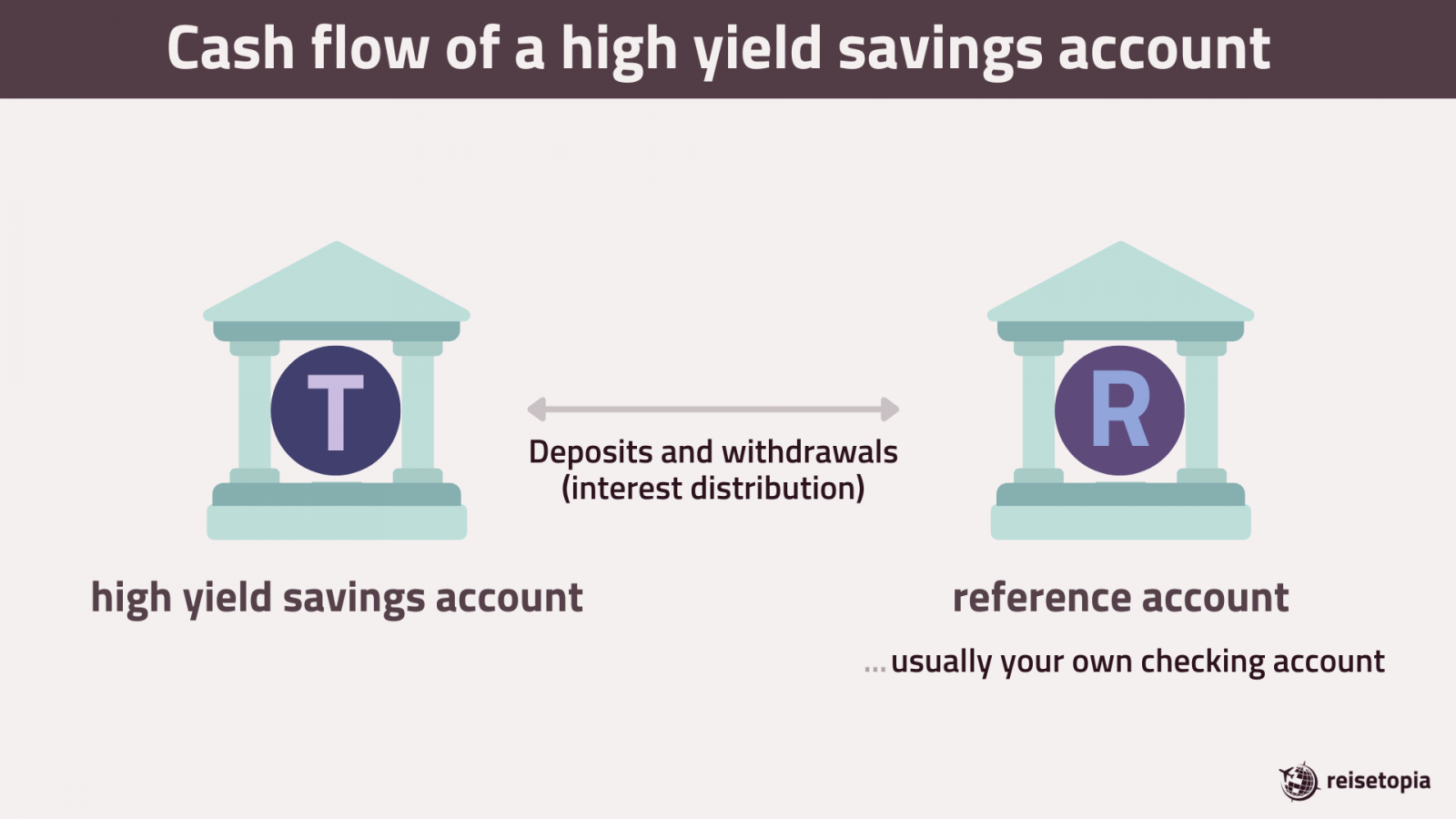
- External Transfers: The app allows for seamless integration with external banks. If you maintain a secondary account at a national bank, you can "pull" funds into your UWCU high-yield account to take advantage of better rates.
Frequently Asked Questions
Is the interest rate on a UWCU High Yield account fixed?
No, the interest rate is variable. This means it can change at any time based on the credit union's internal policies and broader economic trends. While UWCU strives to remain competitive, they do not guarantee a specific rate for a set period like they would with a Certificate of Deposit (CD).
Can I access my high-yield savings at an ATM?
Generally, yes, but it is not recommended for frequent use. You can link your UWCU debit card to your high-yield account at an ATM to withdraw cash. However, keep in mind that high-yield accounts are designed for wealth accumulation, and frequent ATM withdrawals may trigger "excessive transaction" warnings or fees depending on your specific account tier.
How does "Investor’s Index" differ from a Money Market account?
At UWCU, the Investor’s Index account is a type of high-yield savings that specifically tracks market indices to determine its rate, often offering higher yields than a standard Money Market for higher balances. Money Market accounts often come with check-writing privileges, whereas the Investor’s Index is strictly for transfers and savings.
Does UWCU charge a fee to close a high-yield account?
UWCU typically does not charge a closure fee, but many credit unions require you to keep the account open for at least six months to avoid an "early closure" administrative fee. If you empty the account and close it within weeks of opening, a small fee (often around $20) might be deducted from the final balance.
Is my money "locked up" in a high-yield account?
No. Unlike a CD, where you face a penalty for withdrawing money before a certain date, a high-yield savings account is "liquid." You can transfer your money to your checking account or withdraw it at any time without a principal penalty, though you may lose out on future interest earnings.
Summary and Recommendation
For residents of Wisconsin or those affiliated with the UW system, the UWCU High Yield Savings (Investor’s Index) is a premier choice for liquid capital management in 2026. It offers the safety and community-focus of a credit union while providing yields that compete effectively with national digital-only banks.
Next Steps: If you have at least $1,000 sitting in a standard checking or low-interest savings account, you are effectively losing money to inflation. Log into your UWCU portal, navigate to "Open an Account," and select the Investor's Index or Tiered Savings option to begin capturing a higher APY immediately. Ensure you maintain the minimum balance required for your specific tier to maximize your returns.
Image Gallery