Is a Fiber Supplement to Lose Weight Really Worth It? Evidence, Costs, and Results
A fiber supplement to lose weight is generally worth it if you struggle with hunger control, fall short of daily recommended fiber intake, and seek a low-cost, low-risk aid to support a caloric deficit. While fiber supplements can prom...
A fiber supplement to lose weight is generally worth it if you struggle with hunger control, fall short of daily recommended fiber intake, and seek a low-cost, low-risk aid to support a caloric deficit. While fiber supplements can promote satiety and yield modest weight reduction of 2 to 6 pounds over several months, they are not standalone fat burners and cannot overcome an unmanaged, high-calorie diet.
Contents
Disclaimer: This article is for informational purposes only and does not constitute medical or nutritional advice. Speak with a qualified healthcare professional or registered dietitian before starting any new dietary supplement, particularly if you have pre-existing gastrointestinal conditions, swallow difficulties, or take daily medications.
How Fiber Supplements Influence Weight Loss Mechanisms
To understand whether fiber supplements are worth your investment, it helps to look at how different forms of dietary fiber interact with the human digestive system. Fiber is a complex carbohydrate that human digestive enzymes cannot break down. Rather than providing energy through immediate calorie absorption, fiber travels through the gastrointestinal (GI) tract intact or partially fermented, exerting distinct physiological effects based on its physical properties.
Soluble Viscous Fiber vs. Insoluble Fiber
Fiber supplements fall into two primary categories: soluble and insoluble.
- Soluble Viscous Fiber: Dissolves in water to form a thick, gel-like substance inside the stomach and small intestine. This viscous matrix traps water, increases the bulk of stomach contents, and slows down the rate at which food leaves the stomach (gastric emptying). Types of viscous soluble fiber include psyllium husk, glucomannan, and beta-glucan. Because of their ability to expand and delay digestion, viscous soluble fibers are the primary focus for weight management and appetite suppression.
- Insoluble Fiber: Does not dissolve in water. Instead, materials like cellulose and wheat bran add bulk to stool and speed up intestinal transit time. While insoluble fiber is essential for bowel regularity and digestive health, it plays a much smaller direct role in curbing appetite or inducing weight loss compared to viscous soluble fibers.
Gastric Emptying and Appetite Signals
The primary mechanism by which fiber aids weight management is enhanced satiety. When soluble viscous fiber mixes with fluids in the stomach, it forms an expanded gel matrix. This physical expansion stretches the stomach walls, triggering mechanoreceptors that send direct fullness signals to the brain via the vagus nerve.
Furthermore, delayed gastric emptying means that nutrients pass into the small intestine at a slower, more sustained pace. This prolonged intestinal transit time triggers the secretion of gut-derived satiety hormones:
- Glucagon-Like Peptide-1 (GLP-1): Released by intestinal L-cells in response to nutrient digestion and gut microbiota fermentation of soluble fiber into short-chain fatty acids (SCFAs). GLP-1 signals satiety to the brain and slows gastric motility.
- Peptide YY (PYY): Works alongside GLP-1 to suppress hunger signals in the hypothalamus and prolong feelings of post-meal fullness.
- Ghrelin: Known as the "hunger hormone," circulating ghrelin levels typically fall after meal ingestion. By slowing down digestion, viscous fiber helps keep ghrelin suppressed for longer periods between meals.
Blood Sugar Regulation and Insulin Response
Refined carbohydrates and simple sugars cause rapid spikes in blood glucose levels, prompting the pancreas to secrete high levels of insulin. High insulin spikes facilitate energy storage into adipose (fat) tissue and are often followed by a rapid drop in blood sugar (reactive hypoglycemia), which triggers intense cravings for fast-acting carbohydrates.
Viscous soluble fiber slows down the enzymatic breakdown and absorption of dietary glucose in the small intestine. By blunting postprandial (post-meal) blood sugar spikes, fiber supplements reduce severe insulin surges, stabilize energy levels, and prevent the rebound hunger that frequently leads to mid-day overeating.
Types of Fiber Supplements for Weight Loss Compared
Not all fiber supplements perform equally when evaluated for weight loss efficacy. The molecular structure, solubility, and viscosity of the specific fiber source dictate its impact on appetite and digestion.
- Viscous Soluble Fiber (e.g., Psyllium, Glucomannan, Methylcellulose, Beta-Glucan)
- Forms thick gel in GI tract
- Delays gastric emptying
- Sustained nutrient release
- Triggers natural GLP-1 & PYY release
- Sustained nutrient release
- Stretches stomach wall
- Mechanoreceptors trigger vagus nerve satiety
- Delays gastric emptying
- Reduced Hunger & Reduced Intake
Psyllium Husk
Derived from the seeds of the Plantago ovata plant, psyllium husk is one of the most widely available and researched soluble fibers. It forms a mucilage gel when mixed with water. Clinical trials demonstrate that taking 5 to 10 grams of psyllium husk before meals increases self-reported satiety and aids in modest weight reduction while simultaneously lowering LDL cholesterol and improving blood glucose control.
Glucomannan (Konjac Root)
Extracted from the root of the konjac plant (Amorphophallus konjac), glucomannan possesses exceptionally high water-holding capacity—it can absorb up to 50 times its weight in water. Because it produces an extraordinarily viscous gel at relatively low doses (1 to 3 grams per day), glucomannan is a popular ingredient in targeted weight loss supplements. European regulatory authorities, including the European Food Safety Authority (EFSA), recognize that glucomannan contributes to weight loss in the context of an energy-restricted diet when taken in doses of 3 grams daily across three separate 1-gram servings before meals with plenty of water.
Inulin and Prebiotic Oligosaccharides
Inulin, chicory root fiber, and fructooligosaccharides (FOS) are soluble non-viscous fibers. They do not form thick gels in the stomach to the same degree as psyllium or glucomannan, meaning their direct impact on immediate gastric stretching is lower. However, they act as potent prebiotics, feeding beneficial gut bacteria like Bifidobacteria. These bacteria ferment inulin into short-chain fatty acids (acetate, propionate, and butyrate), which support metabolic health and metabolic hormone balance over time.
Methylcellulose and Polycarbophil
Methylcellulose is a synthetic soluble fiber derived from plant cellulose, commonly sold under brand names like Citrucel. It is non-fermentable in the gut, which means it tends to produce significantly less intestinal gas and bloating than inulin or psyllium. While primarily used for bowel regularity, its gel-forming ability provides mild satiety benefits. Calcium polycarbophil is another synthetic bulk-forming agent primarily indicated for constipation, offering minimal direct weight loss advantage compared to natural viscous fibers.
Beta-Glucan
Beta-glucan is a viscous soluble fiber found abundantly in oats and barley. Available in concentrated powder or capsule forms, beta-glucan delays gastric emptying, blunts glycemic spikes, and supports cardiovascular health. While effective for satiety, it is often more expensive per serving than psyllium husk.
Fiber Supplement Comparison for Weight Management
The following table summarizes the primary fiber supplement types, their main mechanisms, typical evidence-based dosages for satiety, and average cost considerations based on standard market rates.
| Fiber Type | Key Mechanism | Typical Daily Dosage for Satiety | Satiety Potential | Typical Monthly Cost (USD) | Common Side Effects |
|---|---|---|---|---|---|
| Psyllium Husk | High gel formation; delays gastric emptying | 5g – 10g before major meals | High | $10 – $20 | Mild gas, temporary bloating |
| Glucomannan | Extreme expansion; creates high-viscosity gel | 1g taken 30–60 min before meals (3g total) | Very High | $15 – $30 | Abdominal discomfort, loose stools |
| Inulin / Prebiotics | Microbiome fermentation into SCFAs | 3g – 8g daily | Moderate | $12 – $25 | Significant gas, flatulence, cramping |
| Methylcellulose | Non-fermentable bulk gel creation | 2g – 4g with full glass of water | Moderate | $15 – $28 | Low risk of gas; mild cramping |
| Beta-Glucan | Viscous matrix; blunts glucose absorption | 3g – 5g daily before meals | Moderate to High | $20 – $40 | Mild digestive upset |
Clinical Evidence: How Much Weight Can You Expect to Lose?
Marketing campaigns for fiber supplements often promise effortless fat loss, but clinical data presents a more realistic picture. Fiber supplements act as supportive tools rather than primary drivers of fat burning.
What Research Demonstrates
Meta-analyses of clinical trials examining fiber supplementation show that individuals taking viscous soluble fibers (such as psyllium or glucomannan) without mandatory caloric restriction lose an average of 1.5 to 3.5 pounds (0.7 to 1.6 kg) over 8 to 12 weeks compared to placebo groups.
When combined with an intentional calorie deficit, participants using fiber supplements typically report:
- Fewer episodes of intrusive hunger or snack cravings between meals.
- Easier adherence to their prescribed daily calorie targets.
- Slightly higher total fat loss over 3 to 6 months compared to diet alone (averaging an additional 2 to 5 pounds lost).
Fiber Supplements vs. Prescription GLP-1 Receptor Agonists
With the rising popularity of injectable GLP-1 medications (such as semaglutide and tirzepatide), some supplement brands market fiber as "nature's weight loss drug." This comparison requires clear context.
While soluble fiber does stimulate endogenous GLP-1 release through SCFA fermentation and stomach stretching, the hormonal increase is small and localized. Pharmaceutical GLP-1 agonists deliver pharmacological doses that remain active in the body for days, producing substantial appetite suppression and average weight losses of 15% to 20% of total body weight in clinical trials. Fiber supplements cannot mimic these pharmacological levels and yield far lower average weight loss.
| Intervention / Category | Expected Weight Loss |
|---|---|
| Prescription GLP-1 Medications (e.g., Semaglutide, Tirzepatide) | 15% – 20%+ total body weight |
| Fiber Supplements + Deficit (Psyllium, Glucomannan) | 2 – 6 lbs additional loss over 8–12 weeks via satiety support |
| Fiber Supplements Alone (No intentional diet changes) | 1.5 – 3.5 lbs passive loss over 8–12 weeks |
Pros, Cons, and Potential Side Effects
Evaluating whether a fiber supplement is worth purchasing requires weighing its broad health advantages against potential drawbacks and physical side effects.
Advantages Beyond Weight Loss
- Cardiovascular Health: Soluble viscous fiber binds to bile acids in the digestive system, facilitating their excretion. The liver must extract LDL cholesterol from the bloodstream to produce new bile, thereby lowering total and LDL serum cholesterol levels.
- Glycemic Control: Slowing glucose absorption improves post-meal blood sugar levels and insulin sensitivity, benefiting individuals with prediabetes or type 2 diabetes.
- Bowel Health and Regularity: Fiber normalizes stool consistency, alleviating both constipation and mild diarrhea, while lowering the risk of diverticular disease.
- Gut Microbiome Support: Fermentable fibers nourish beneficial gut microflora, producing butyrate, which maintains the integrity of the intestinal lining.
Disadvantages and Side Effects
- Gastrointestinal Distress: Introducing fiber too quickly or at high doses can cause flatulence, abdominal bloating, stomach cramps, and diarrhea.
- Choking and Intestinal Blockage Risk: Highly expansile fibers like glucomannan and psyllium powder can swell in the esophagus if swallowed with insufficient liquid, posing a severe choking risk or intestinal blockage hazard.
- Nutrient and Medication Malabsorption: Fiber can bind to certain oral medications and micronutrients if taken at the same time.
Caution: Always take oral prescription medications at least 1 hour before or 2 to 4 hours after consuming a high-dose fiber supplement to prevent impaired medication absorption.
How to Take Fiber Supplements Safely for Satiety
To minimize uncomfortable side effects and maximize the satiety-inducing benefits of a fiber supplement, follow a structured administration protocol.
STEP 1: Start Low (Single 2–3g dose daily for 7 days)
STEP 2: Hydrate Aggressively (8–12 oz liquid per dose + 64 oz/day)
STEP 3: Time Correctly (15–45 mins before major meals)
STEP 4: Separate Medications (1 hr before or 2–4 hrs after fiber)
STEP 5: Scale Gradually (Increase to target dose over 3–4 weeks)
Start with a Low Dose: Begin with a single small dose (e.g., 2.5 to 3 grams of psyllium or 1 gram of glucomannan) once daily for the first week to allow your gut microbiome time to adapt.
Increase Intake Slowly: Gradually increase the dose over 3 to 4 weeks until reaching your target daily intake (typically 5 to 10 grams of soluble fiber split across meals).
Consume Ample Water: Mix fiber powders with at least 8 to 12 ounces (240 to 350 mL) of water or fluid, drink it immediately before it thickens excessively, and follow it with an additional glass of water. Maintain a total fluid intake of at least 2 liters (64 ounces) per day.
Time Your Dose Correctly: For appetite control, consume the supplement approximately 15 to 45 minutes before a major meal. This timing allows the fiber to form a gel matrix in the stomach before meal consumption begins, reducing total calorie intake at that meal.
Fiber Supplements vs. Whole Food Fiber
While supplements provide concentrated soluble fiber, whole dietary foods offer distinct health advantages.
| Fiber Supplements | Whole Food Sources |
|---|---|
| Isolated fiber strains | Matrix of soluble & insoluble |
| Rapid preparation & convenience | High micronutrients & antioxidants |
| Precise dose tracking | Promotes mastication & slow eating |
| Higher risk of gas if rushed | Higher volume per calorie |
The Benefits of Whole Foods
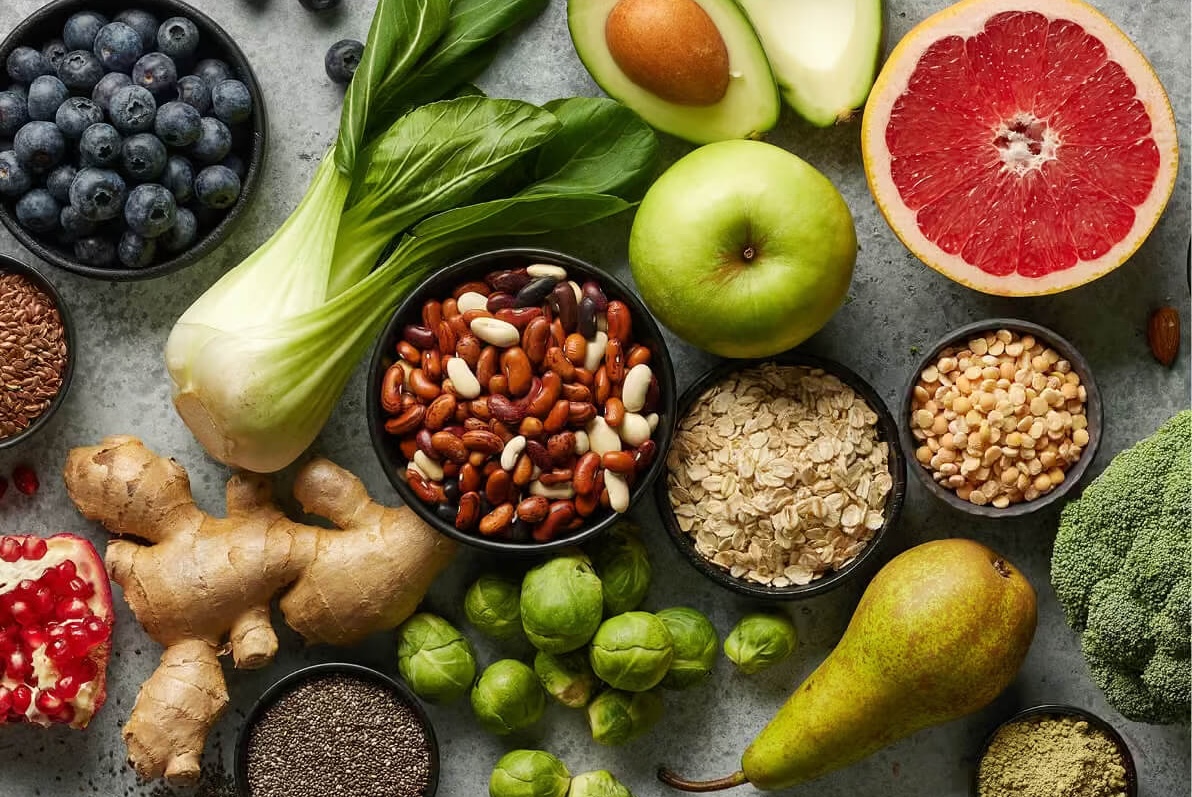
Whole foods such as legumes (lentils, black beans), chia seeds, flaxseeds, oats, berries, apples, Brussels sprouts, and avocados contain a natural mix of both soluble and insoluble fibers bound within a nutrient-dense food matrix.
- Micronutrient Density: Whole foods provide essential vitamins, minerals, phytonutrients, and antioxidants absent from isolated fiber powders or capsules.
- Mastication (Chewing): The physical act of chewing whole fibrous foods stimulates saliva production and triggers early neural satiety signals long before the food hits the stomach.
- Cost-Effectiveness: Integrating high-fiber plant foods into standard grocery purchases often costs less per gram of total nutritional value than specialized pill or powder formulations.
Where Supplements Excel
Supplementation offers clear practical advantages in specific scenarios:
- Convenience: For individuals with busy schedules, stirring a spoonful of psyllium husk into water before lunch is faster and easier than preparing a fiber-rich meal.
- Targeted Caloric Efficiency: Isolated fiber supplements provide substantial digestive bulk for negligible calories (typically 10–25 calories per serving), whereas achieving 10 grams of fiber from chia seeds or beans adds 100 to 200 calories to the daily total.
- Dietary Gaps: The average adult consumes only 15 grams of fiber daily—far below the recommended 25 to 38 grams per day set by health authorities. Supplements help close this gap efficiently.
Frequently Asked Questions
How long does it take to see weight loss results from a fiber supplement?
Changes in appetite and fullness usually occur within 15 to 30 minutes after taking a viscous fiber supplement with sufficient water. However, measurable body weight changes typically require 4 to 8 weeks of consistent use alongside a daily calorie deficit.
Can taking too much fiber supplement cause weight gain?
Fiber supplements themselves are very low in net digestible calories and do not directly cause body fat gain. However, consuming excessive amounts without adequate water can cause fluid retention, severe constipation, abdominal bloating, and intestinal stool impaction, which may temporarily show up as higher numbers on the bathroom scale.
What is the best time of day to take a fiber supplement for weight loss?
The most effective strategy for weight loss is taking the supplement roughly 15 to 45 minutes before your largest meals (typically lunch or dinner). This timing allows the fiber to absorb water, swell in the stomach, and trigger satiety signals prior to eating, naturally reducing calorie consumption during the meal.
Can fiber supplements replace prescription weight loss medications?
No. While soluble fiber supports digestion and modest satiety, it does not match the hormonal potency or fat-loss magnitude of prescription metabolic or appetite-suppressing drugs. Fiber supplements should be viewed as a supportive dietary tool rather than a replacement for medically supervised pharmaceutical treatments.
Are fiber supplements safe to take every day?
Yes, daily use of soluble fiber supplements like psyllium husk or glucomannan is generally safe for long-term health in healthy adults, provided you maintain adequate daily fluid intake. Individuals with swallowing disorders, bowel obstructions, or chronic intestinal motility issues should consult a physician before use.
Final Verdict and Recommendation
Is a fiber supplement to lose weight really worth it?
Yes, with realistic expectations. A high-quality soluble fiber supplement (such as psyllium husk or glucomannan) costing between $10 and $30 per month is a cost-effective, evidence-based tool for managing hunger and improving metabolic health markers. It provides high satiety for minimal calories, making it significantly easier to maintain the energy deficit required for weight loss.
However, a fiber supplement will not produce rapid or massive weight loss on its own. It is an auxiliary tool—not a substitute for a balanced diet rich in whole vegetables, lean proteins, and physical activity.
Next Action Steps
- Calculate Your Fiber Gap: Track your current food intake for 3 days to determine your baseline dietary fiber consumption.
- Select the Right Type: Choose psyllium husk for general value, digestive regularity, and cholesterol benefits, or glucomannan if you prefer a capsule format with high water expansion.
- Start Slowly: Begin with a half-serving (approx. 2.5 grams) once per day before your largest meal for the first week, accompanied by 10 to 12 ounces of water.
- Prioritize Hydration: Increase your total daily fluid intake to ensure the fiber moves smoothly through your digestive tract without discomfort.
Image Gallery