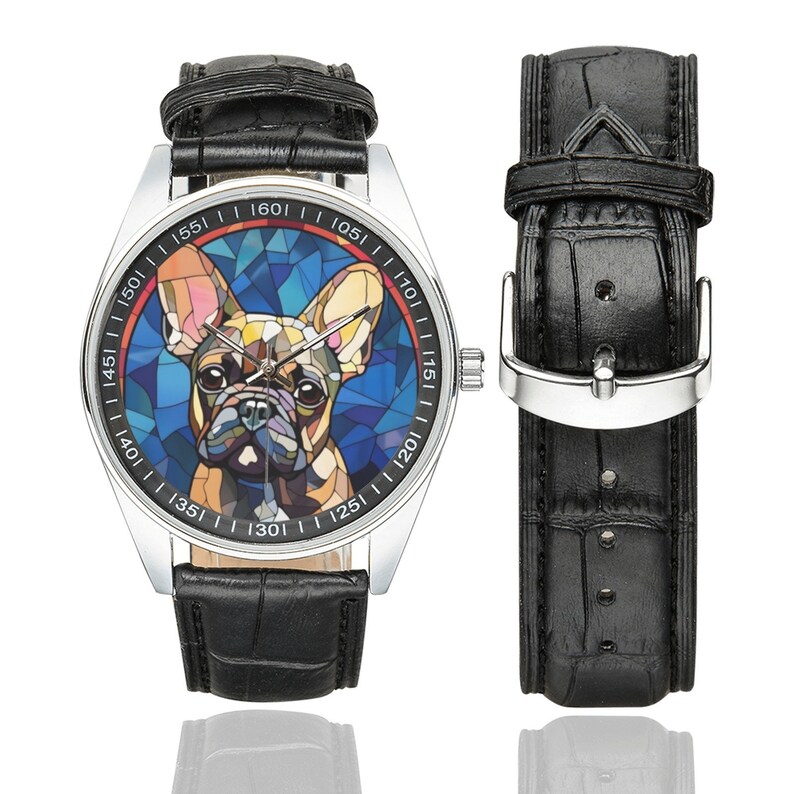
The Enduring Appeal: Why the Bulldog Watch Intrigues Collectors
The bulldog watch, most notably associated with the "Bulldog" pocket watches produced by independent horological artist Konstantin Chaykin, intrigues collectors because it represents a masterful convergence of anthropomorphic design, t...
The bulldog watch, most notably associated with the "Bulldog" pocket watches produced by independent horological artist Konstantin Chaykin, intrigues collectors because it represents a masterful convergence of anthropomorphic design, technical whimsy, and the scarcity inherent in high-end independent watchmaking. By transforming the traditional mechanical movement into an expressive, character-driven complication, Chaykin disrupts the sterile seriousness of luxury horology, offering a unique narrative-focused timepiece that balances lighthearted aesthetics with sophisticated engineering.
Contents
The Rise of Anthropomorphic Horology
For decades, high-end horology remained strictly tethered to classical aesthetics—round cases, traditional dials, and conservative complications. The emergence of watches that mimic facial features or animal characteristics marks a significant shift in the collector's landscape. The "Bulldog" design is not merely a decorative choice; it is a structural redesign of the watch face.
In the case of the Chaykin "Bulldog" series, the hours and minutes are displayed through two distinct sub-dials that function as eyes, while the "mouth" of the bulldog often serves as a moon-phase indicator or a secondary complication. Collectors are drawn to this because it requires the movement to be inverted or adapted significantly to fit the "face." This departure from traditional layout necessitates custom-engineered gear trains, making the piece a mechanical curiosity rather than just a design exercise.
Mechanical Complexity Beneath the Surface
One of the primary reasons these watches command such high interest is that the visual "novelty" is backed by legitimate horological substance. A watch that looks like a bulldog could easily be dismissed as a toy if the movement were generic. However, independent creators in this niche usually employ modified base calibers or entirely bespoke movements to support the idiosyncratic weight and positioning of the hands and discs.
- Custom Modules: The movement must drive rotating discs rather than traditional hands. This requires lower-friction materials to ensure that the weight of the discs does not compromise the power reserve or the accuracy of the watch.
- The Moon Phase Integration: Integrating a moon-phase display into the "jaws" of the bulldog adds a layer of astronomical complication that appeals to traditionalists who might otherwise ignore a "novelty" watch.
- Case Geometry: The case must accommodate the irregular spacing of the dial elements. Achieving a balance between the bulldog's proportions and standard watch sizing requires bespoke CNC machining and precise hand-finishing.
Scarcity and the Independent Market
In 2026, the secondary market for independent watchmaking is defined by extreme scarcity. Unlike mass-market luxury brands that produce thousands of units, watches like the Bulldog are often created in runs of fewer than 50 pieces. This scarcity creates a natural feedback loop: collectors who secure one piece feel a sense of ownership over a rare, artistic milestone, which in turn drives the desire for other collectors to acquire similar models.
Furthermore, the "Bulldog" watch represents a specific moment in the evolution of independent watchmaking where designers felt empowered to break the rules of classical symmetry. For a collector, owning one of these pieces is equivalent to holding a piece of horological history that signifies the "playful turn" in 21st-century watch design.
Comparison of Collectible Features
To understand the appeal, it is helpful to compare the attributes that differentiate a standard collector’s timepiece from the "Bulldog" archetype.
| Feature | Standard Luxury Watch | Bulldog-Style Watch |
|---|---|---|
| Design Philosophy | Symmetry and legibility | Character-driven narrative |
| Movement Layout | Traditional central axis | Eccentric, custom-module layout |
| Market Segment | Mass-Luxury / Heritage | Independent / Art-Horology |
| Emotional Trigger | Status and history | Individuality and whimsy |
| Complexity Focus | Chronometry / Precision | Mechanical animation / Novelty |
Prerequisites for Potential Owners
Entering the market for these timepieces requires more than financial resources; it requires a specific mindset and preparation. Because these watches are often sold through private inquiries, waitlists, or exclusive auctions, the following steps are generally required for any serious collector:
- Verification of Provenance: Due to the high value and custom nature of these pieces, documentation is paramount. Ensure all original papers, boxes, and certificates of authenticity are present.
- Serviceability Understanding: Before purchasing, inquire about service requirements. Custom modules in "Bulldog" watches often require the original maker or a highly specialized watchmaker to perform repairs. Unlike a standard ETA or Sellita movement, parts for these custom modules are not commercially available.
- Authentication of Modalities: Verify that the complication is original to the maker. Because the base movements are often standard, aftermarket modifications can sometimes be mistaken for original creations. Always cross-reference serial numbers with the manufacturer’s registry if available.
Common Mistakes for New Collectors
A common trap for those entering the world of "character" watches is prioritizing the visual appeal over mechanical health. It is easy to be seduced by the aesthetic, but the watch must function as a timekeeper.
- Ignoring Service History: If the watch is more than five years old, it likely needs a full movement service. Neglecting this in an unconventional movement can lead to irreversible damage to the custom discs and gears.
- Overvaluing "Hype": Prices for independent watches can be volatile. Collectors should focus on the quality of the finish and the technical complexity rather than temporary social media trends.
- Underestimating Maintenance Costs: Budget for the specialized maintenance that these pieces require. The unique architecture often dictates higher labor costs from authorized service centers compared to mass-produced luxury watches.
Frequently Asked Questions
What makes the Bulldog watch technically "independent"? The watch is considered independent because the design, engineering, and assembly are controlled by an individual watchmaker or a small, non-conglomerate entity. They do not rely on standard industry template layouts, requiring them to build bespoke solutions for every complication.
Are these watches suitable for daily wear? While built to be worn, the complexity of the custom dial modules makes them more susceptible to shocks than a standard three-hand sport watch. Most collectors reserve them for professional or social settings rather than high-impact activities.
Does the value of a "Bulldog" watch hold up over time? Value in the independent sector is tied to the brand’s legacy and the scarcity of the specific model. As the movement toward independent horology continues to grow in 2026, watches that defined a specific artistic "look" have generally maintained or increased in value.
Why do collectors prioritize the "mouth" moon phase? The "mouth" moon phase is a technical achievement that merges animation with utility. It is a signature example of how horological tradition (the moon phase) can be reimagined through a modern, artistic lens.
How do I verify the authenticity of a used piece? Always request high-resolution movement photos. Authentic pieces will show consistent finishing—such as perlage, anglage, or custom engraving—that matches the standards of the maker. If a seller refuses movement photos, the transaction should be treated with extreme caution.
Next Steps for Collectors
If you are interested in acquiring a piece within this niche, begin by reaching out to authorized retailers of independent brands or monitoring reputable specialized auction houses. Attend industry events where independent watchmakers exhibit, as direct interaction is often the most reliable way to gain information on upcoming releases or available inventory. Focus your search on pieces that display both clear artistic vision and verifiable mechanical integrity.
Image Gallery