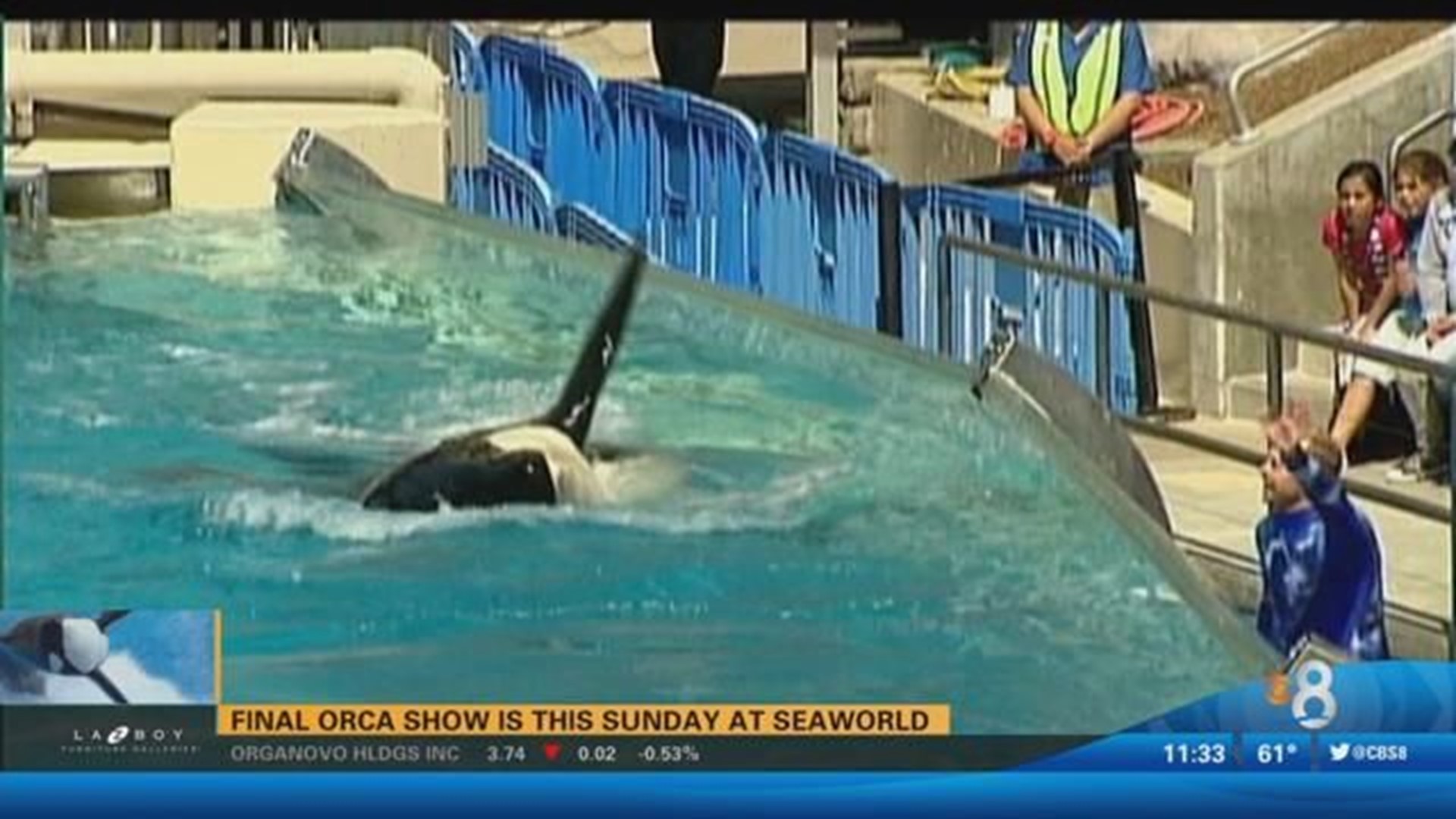
Where is Tilikum the Orca Now? The Life and Legacy of SeaWorld’s Most Famous Whale
As of 2026, Tilikum the orca is no longer alive. The world-famous bull orca passed away on January 6, 2017, at SeaWorld Orlando in Florida. He was approximately 35 years old at the time of his death, having spent over three decades in...
As of 2026, Tilikum the orca is no longer alive. The world-famous bull orca passed away on January 6, 2017, at SeaWorld Orlando in Florida. He was approximately 35 years old at the time of his death, having spent over three decades in captivity following his capture in 1983.
Contents
Tilikum’s story remains one of the most influential narratives in the history of marine mammal captivity. Known for his massive size and his involvement in three human deaths, Tilikum became the central figure of the 2013 documentary Blackfish. This film sparked a global movement that fundamentally changed how the public views the ethics of keeping highly intelligent, social predators in concrete tanks for entertainment. Though he has been gone for nearly a decade, his impact on corporate policy, animal welfare legislation, and the future of the remaining orcas at SeaWorld continues to resonate in 2026.
The Final Years and Cause of Death
Tilikum’s health began a visible decline in the years leading up to his death. In March 2016, SeaWorld officials announced that the whale had become increasingly lethargic and was battling a persistent and drug-resistant bacterial lung infection. The pathogen was identified as a member of the Mycobacterium avium complex, a group of bacteria related to tuberculosis that is notoriously difficult to treat in both humans and animals.
Despite intensive veterinary care, including specialized nebulizers and a regimen of potent antibiotics, Tilikum’s condition was deemed incurable. His age, combined with the chronic nature of the infection, led to his passing in early 2017. A formal necropsy (animal autopsy) later confirmed that the primary cause of death was indeed bacterial pneumonia. This condition is a common cause of mortality among captive orcas, who may have compromised immune systems due to the stresses of confinement and lack of environmental variety.
What Happened to Tilikum’s Body?
When a high-profile marine mammal like Tilikum dies, there are strict protocols regarding the handling of the remains. Following his death in 2017, SeaWorld’s veterinary and pathology teams conducted a comprehensive necropsy. This procedure is standard practice to understand the exact cause of death and to gather biological data that might benefit the health of the remaining pod.
SeaWorld has historically maintained a policy of privacy regarding the final disposal of animal remains. Unlike a public zoo where an animal might have a memorial, there is no public grave for Tilikum. In most cases involving large marine mammals in captivity, the remains are cremated or rendered after the necessary scientific samples have been collected. This ensures that the biological material is handled according to sanitation laws and prevents the creation of a physical site that could become a point of protest or unauthorized visitation.
From Iceland to Orlando: A Lifetime in Captivity
To understand "where" Tilikum is now in terms of historical context, one must look at the trajectory of his life. He was captured in November 1983 in the North Atlantic waters of Berufjörður, Iceland. At just two years old, he was torn from his family and sent to the Hafnarfjörður Marine Zoo near Reykjavík.
In 1984, he was transferred to Sealand of the Pacific in Oak Bay, British Columbia. It was here that the first signs of the dangers of orca captivity emerged. Tilikum was housed with two older female orcas, Haida and Nootka, who often behaved aggressively toward him. At night, all three whales were confined to a 20-foot by 30-foot dark, metal-walled tank known as "the module." It was during this period that the first fatal incident occurred: the death of trainer Keltie Byrne in 1991. Shortly after the incident, Sealand closed, and Tilikum was sold to SeaWorld Orlando in 1992.
Tilikum’s Life Milestones
| Event | Year | Details and Significance |
|---|---|---|
| Capture | 1983 | Captured at age 2 in Iceland; separated from his maternal pod. |
| Sealand Arrival | 1984 | Moved to British Columbia; began training for public shows. |
| Keltie Byrne Incident | 1991 | First fatality; Tilikum and two females prevented a trainer from surfacing. |
| SeaWorld Transfer | 1992 | Moved to Florida; intended primarily for breeding due to his size. |
| Daniel Dukes Incident | 1999 | A trespasser was found deceased on Tilikum’s back; ruled as hypothermia/drowning. |
| Dawn Brancheau Tragedy | 2010 | Fatal incident during a "Dine with Shamu" show; led to OSHA lawsuits. |
| Blackfish Release | 2013 | Documentary premiered at Sundance; shifted global public opinion. |
| Passing | 2017 | Died of chronic bacterial pneumonia at approximately age 35. |
The Biological Legacy: Tilikum’s Offspring
While Tilikum is no longer physically present, his genetic lineage dominates the captive orca population. Tilikum was a prolific "stud" whale, used extensively in SeaWorld’s artificial insemination program. Because of his massive size—reaching 22.5 feet and 12,500 pounds—his genetics were highly prized.
Throughout his life, Tilikum sired 21 calves, approximately 10 of whom were alive at the time of his death. His descendants are spread across various SeaWorld parks in Orlando, San Diego, and San Antonio, and some were even sent to Loro Parque in Spain. In 2026, many of the orcas still performing or on display in these facilities are Tilikum’s children or grandchildren. This biological reality creates a complex legacy; while he was the face of the movement to end captivity, his DNA remains the foundation of the very population the industry seeks to maintain.
The "Blackfish" Effect and the 2016 Breeding Ban
The most significant "place" Tilikum occupies now is in the history of animal rights law. The 2013 documentary Blackfish detailed Tilikum’s life and the psychological toll of captivity. The film argued that the sensory deprivation and social isolation of captivity lead to "psychosis" in orcas, explaining Tilikum’s aggressive behavior.
The fallout was immense. SeaWorld experienced a significant drop in attendance, stock price, and corporate partnerships. In response to this mounting pressure, SeaWorld announced in March 2016—just months before Tilikum’s death—that it would immediately end its orca breeding program. This means that the current generation of orcas at SeaWorld will be the last. As of 2026, these whales continue to live in the parks, but they are no longer required to perform theatrical "shams" and are instead featured in more educational "Orca Encounters."
Safety and Regulatory Changes
Tilikum’s involvement in the 2010 death of veteran trainer Dawn Brancheau led to a landmark legal battle with the Occupational Safety and Health Administration (OSHA). The resulting court rulings permanently changed how humans interact with orcas.
- Barrier Requirements: Trainers are no longer allowed in the water with orcas during shows.
- Physical Safety Systems: Facilities implemented fast-rising floors and specialized net systems to rescue trainers in the event of an incident.
- Proximity Protocols: Strict distance requirements were established to prevent whales from being able to grab or pull trainers into the water.
These regulations remain the standard in 2026, ensuring that the specific circumstances that led to Tilikum’s tragedies are not repeated with the remaining whales.
Frequently Asked Questions
Is there any orca still alive that was captured with Tilikum?
No. Most of the orcas captured during the same period in Iceland have passed away. Tilikum was one of the longest-lived males in captivity, as male orcas typically have shorter lifespans in tanks compared to their wild counterparts, who can live 50 to 60 years.
How many people did Tilikum actually kill?
Tilikum was linked to three deaths: Keltie Byrne (1991), Daniel Dukes (1999), and Dawn Brancheau (2010). It is important to note that orcas in the wild have no recorded history of killing humans. Experts featured in National Geographic and Blackfish suggest these captive incidents were the result of chronic stress and confinement.
Can I see Tilikum’s descendants today?
Yes. Many of Tilikum’s offspring, such as Trua (Orlando) and Kyuquot (San Antonio), are still alive and can be seen at SeaWorld parks in 2026. They represent the final generation of orcas in these facilities due to the breeding ban.
Why wasn’t Tilikum released into the wild?
By the time the public outcry for his release reached its peak, Tilikum was elderly and suffering from a chronic, drug-resistant infection. Marine biologists argued that after 30 years of being fed by humans and living in a controlled environment, he lacked the hunting skills and physical stamina to survive in the North Atlantic. Furthermore, releasing a whale with a contagious bacterial infection could have threatened wild orca populations.
Moving Forward: The Future of Orcas in 2026
Tilikum's death marked the end of a controversial chapter in marine park history, but his story continues to dictate the current state of animal exhibition. In 2026, the focus has shifted from theatrical entertainment to conservation and sanctuary. Several organizations are working on "seaside sanctuaries" where retired captive whales can live out their lives in more natural, netted-off sea pens rather than concrete tanks.
While the orcas remaining at SeaWorld Orlando are still in their tanks, the era of the "killer whale show" as Tilikum knew it is over. His life serves as a cautionary tale and a catalyst for change, ensuring that the intelligence and social needs of marine mammals are given greater weight in both law and public consciousness. For those asking "where" Tilikum is, he remains a permanent fixture in the global debate over the ethics of our relationship with the natural world.
Practical Next Action: To learn more about the current status of the orcas still in SeaWorld’s care or to support orca conservation in the wild, you can visit the official NOAA Fisheries website for data on wild populations and protection efforts.
Image Gallery