The Euphoria TV Show Cast and Why It Matters: A Cultural and Industry Analysis
The ensemble cast of the HBO television series Euphoria serves as both a launchpad for a new generation of Hollywood talent and a pivotal case study in how modern casting choices influence the longevity, social media engagement, and cr...
The ensemble cast of the HBO television series Euphoria serves as both a launchpad for a new generation of Hollywood talent and a pivotal case study in how modern casting choices influence the longevity, social media engagement, and critical reception of prestige television. Beyond their individual performances, the cast’s collective identity mirrors the show’s themes of fractured youth, trauma, and identity, creating a unique synergy between actor and character that has become a defining feature of the series’ cultural impact.
Contents
The Strategic Composition of the Euphoria Cast
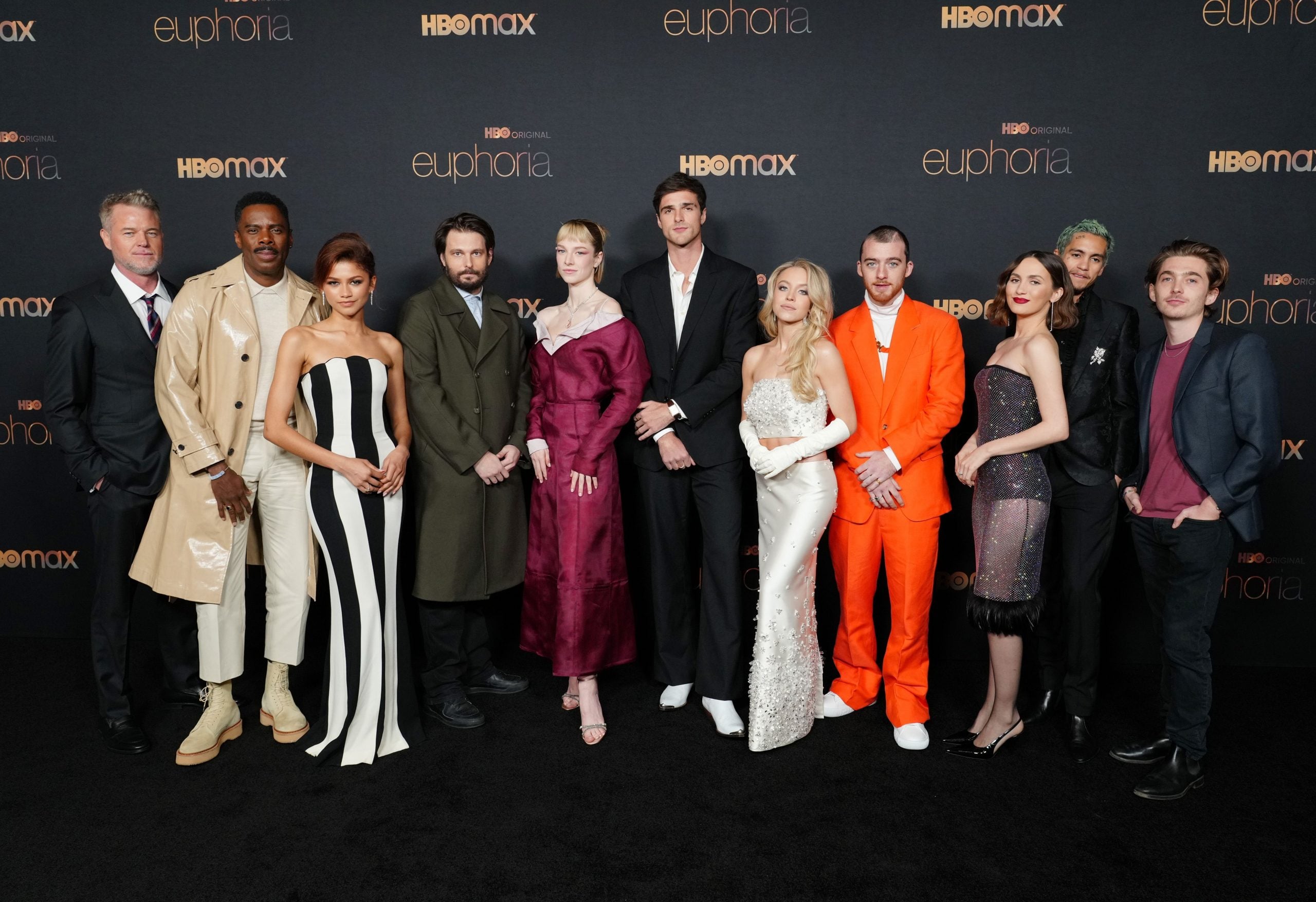
At its core, the Euphoria cast was assembled by creator Sam Levinson and casting director Jennifer Venditti with a focus on a specific, raw aesthetic that deviates from traditional polished Hollywood archetypes. The strategy involved balancing established figures with breakout performers who possessed a naturalistic, often visceral screen presence. This approach was intentional: the goal was to foster a sense of radical authenticity in the depiction of teenage experiences, which required actors capable of navigating dark, complex subject matter with vulnerability.
The roster, led by Zendaya as Rue Bennett, established a baseline of high-level emotional intelligence. Zendaya’s involvement, coming from a background in mainstream family-oriented programming, brought an immediate "prestige" gravity to the project. However, the true "matter" of the cast lies in its heterogeneity. By mixing professional actors with non-traditional talent—such as Angus Cloud, who was discovered by Venditti while walking down the street in Brooklyn—the production created a textured ensemble where the line between fiction and reality often felt blurred. This deliberate casting methodology ensures that the audience remains grounded in the show's often surreal, neon-drenched reality.
Why the Cast Matters: Beyond Performance
The significance of the Euphoria cast extends far beyond their on-screen capabilities. In the digital landscape of the mid-2020s, the cast functions as a conduit for the show’s cultural survival between seasons. Their collective influence on social media platforms allows the series to remain a part of the cultural zeitgeist even during extended production hiatuses.
Cultural Resonance and Relatability
The cast serves as a mirror for the target audience. By embodying specific archetypes—the struggling addict, the performative influencer, the repressed athlete, and the complex victim—the actors become conduits for viewers to explore their own personal and societal anxieties. Their real-life evolution, often documented through fashion, brand ambassadorships, and public activism, keeps the characters "alive" in the public imagination.
The Marketing and Social Media Engine
The Euphoria cast is perhaps the most "digitally native" ensemble of any major television show. Their ability to generate viral moments—whether through red carpet appearances, makeup trends inspired by their characters, or candid interviews—serves as a marketing engine that requires minimal traditional promotion. This organic reach is a critical asset for HBO, as it creates a continuous feedback loop between the audience and the production, effectively insulating the show from the typical decline in engagement often seen in serialized dramas.
Key Ensemble Roles and Their Impact
| Actor | Character | Core Dynamic |
|---|---|---|
| Zendaya | Rue Bennett | The emotional anchor and unreliable narrator |
| Hunter Schafer | Jules Vaughn | The catalyst for transformation and identity exploration |
| Jacob Elordi | Nate Jacobs | The embodiment of toxic masculinity and unresolved trauma |
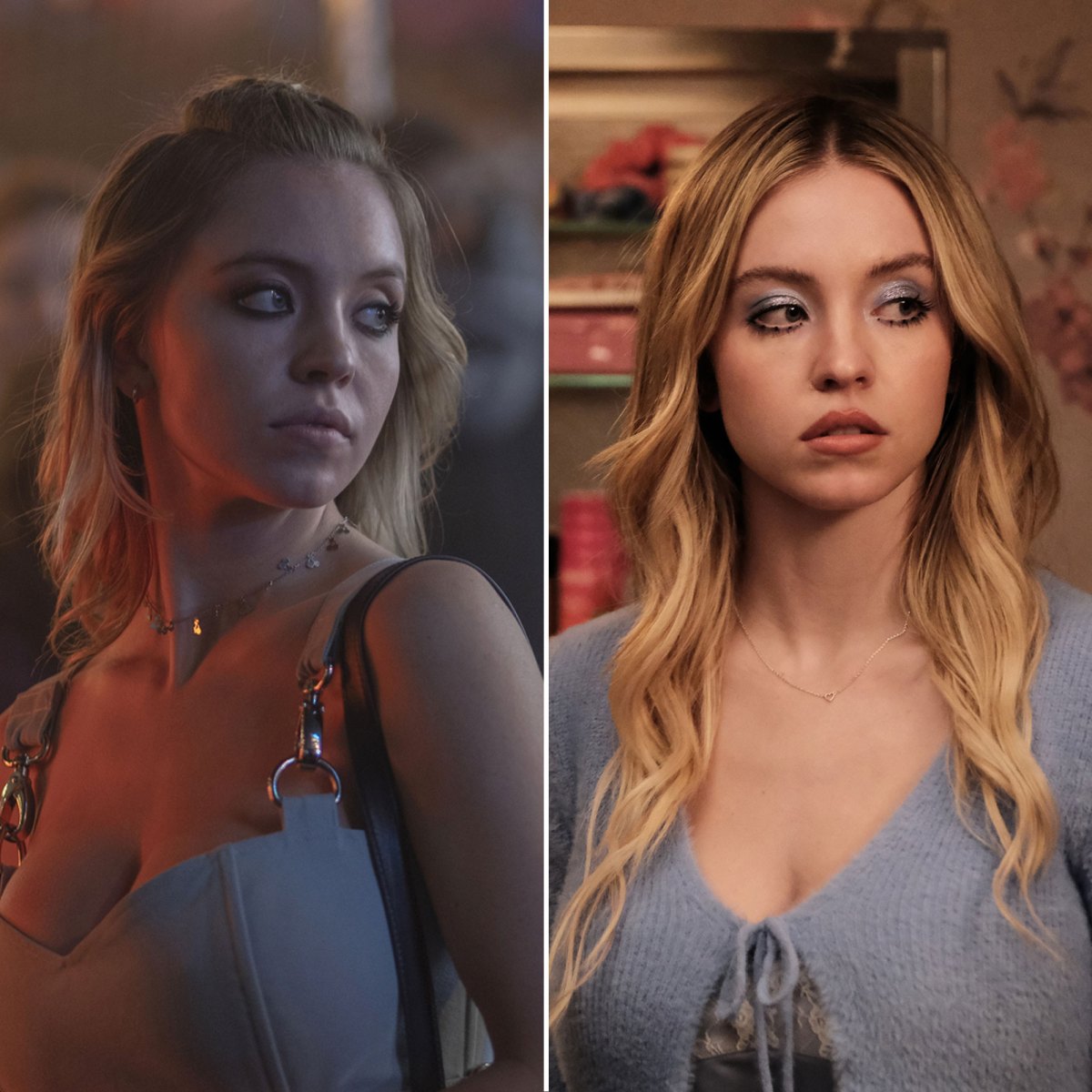
| Sydney Sweeney | Cassie Howard | The representation of societal pressure and internal fragility |
| Alexa Demie | Maddy Perez | The aesthetic and cultural icon of defiance |
The interplay between these roles provides the structural scaffolding for the show. For instance, the chemistry between Rue and Jules is not merely a plot point; it is the fundamental axis around which the show’s discourse on love and dependency revolves. When the cast is analyzed collectively, it becomes clear that their "matter" is defined by how well they balance individual star power with the necessity of serving the show’s overarching, often difficult, narrative objectives.
Technical Challenges and the "Method" of Authenticity
Acting in Euphoria requires a specific technical skill set: the ability to handle highly stylized, rhythmic dialogue while maintaining internal emotional truth. Because Sam Levinson frequently utilizes long, complex camera movements (such as the sweeping tracking shots through hallways or parties), the actors must hit precise physical marks without breaking their emotional focus.
This combination of technical precision and raw emotionality creates a high barrier to entry for the cast. The actors must be capable of delivering long monologues that fluctuate between dream-like recollection and brutal, grounded reality. The "why it matters" factor here is that the cast’s success in these sequences elevated the expectations for cinematography-to-performance synergy in television. Future dramas have since looked toward the Euphoria model, recognizing that a cast that can function within a high-concept visual style is more valuable than one that relies solely on traditional dialogue delivery.
Frequently Asked Questions
1. How does the cast’s public identity affect the show’s popularity? The cast’s massive collective following on social media ensures that Euphoria stays relevant during production breaks. By maintaining their own unique public brands while remaining synonymous with their roles, the actors bridge the gap between their characters' lives and the audience’s real-world interests.
2. Is the casting of non-professional actors a major part of the show's success? Yes. By integrating actors who were not traditionally trained, the show achieved a level of unpredictable, naturalistic energy. This grounded the stylized direction and helped prevent the series from feeling like a clinical, over-polished dramatization of youth.
3. What happens to the show when a cast member's star power grows significantly? Significant growth in an actor's personal brand often forces the production to rebalance the narrative. While this can lead to scheduling conflicts, it also provides the show with a "halo effect," where the series benefits from the heightened media attention surrounding its leading talent.
4. Does the cast’s impact influence the show's creative direction? There is a reciprocal relationship. As the writers observe how the cast interprets and elevates their characters, they often lean into the actors' specific strengths. This collaborative evolution allows the show to grow alongside the performers, ensuring the characters remain complex and dynamic.
Next Actions for Fans and Industry Observers
To gain a deeper understanding of how casting impacts modern media, observers should look toward the behind-the-scenes interviews with casting directors like Jennifer Venditti. Understanding the "discovery" process—and the audition tapes that lead to these roles—provides a roadmap for how the industry identifies talent that is "camera-ready" for the prestige era. For viewers, following the actors' post-Euphoria projects serves as the best way to track how the experience of working on such a high-intensity show translates into their long-term career growth and the shifting standards of dramatic performance in 2026 and beyond.
Image Gallery