The Ultimate Guide to the Drop Fade Fringe in 2026
The drop fade fringe is one of the most defining modern men's hairstyles, blending a sharply contoured neckline and temple fade with a textured, forward-swept top. This hybrid haircut merges the high-contrast geometry of a drop fade wi...
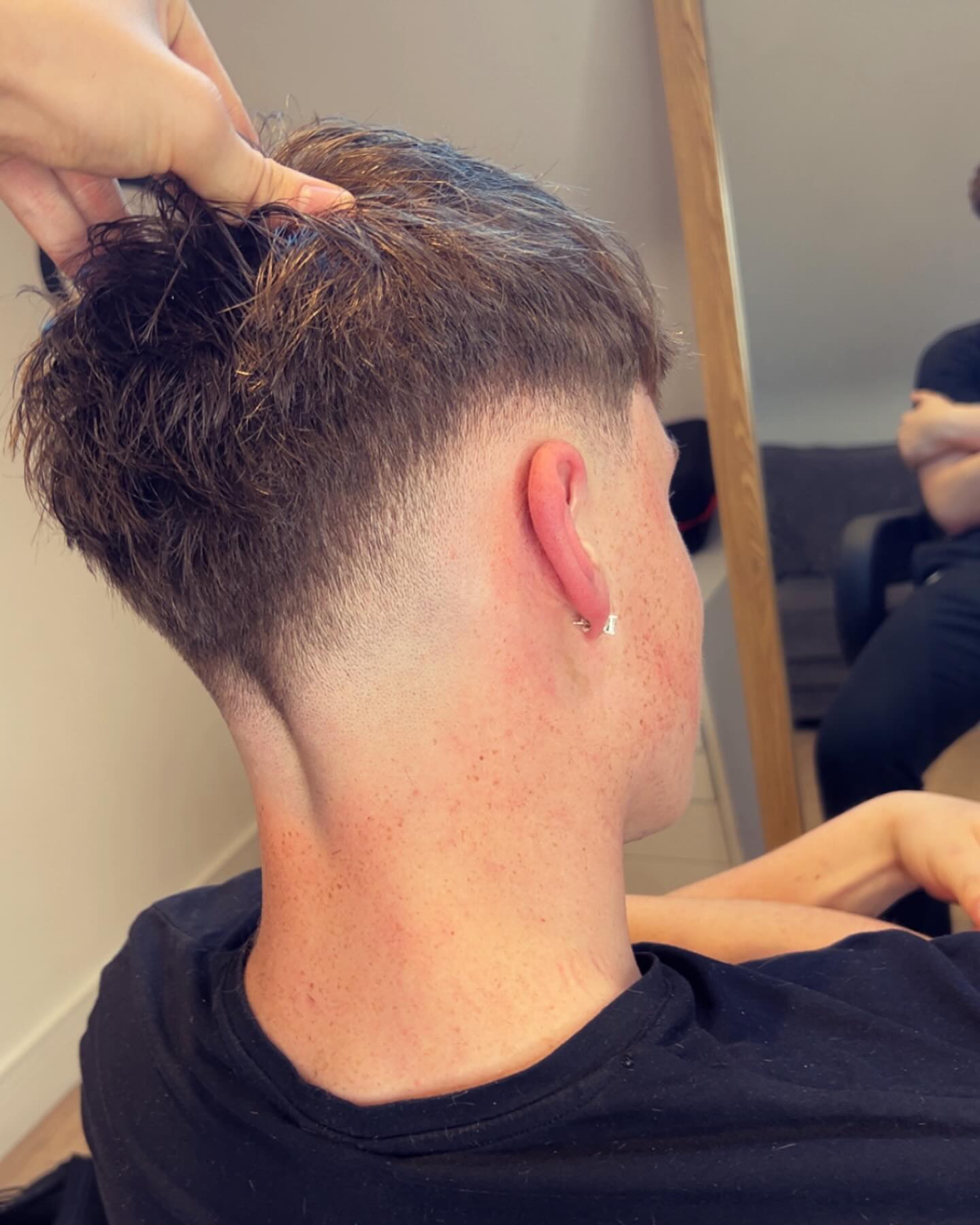
The drop fade fringe is one of the most defining modern men's hairstyles, blending a sharply contoured neckline and temple fade with a textured, forward-swept top. This hybrid haircut merges the high-contrast geometry of a drop fade with the casual, high-movement styling of a textured crop or French crop. In 2026, the look continues to dominate barbershop requests due to its versatility across different hair types and its ability to frame various face shapes. Mastering this cut requires precise clipper work, structural layering, and an understanding of how to maintain the distinct drop arc behind the ear.
Contents
Anatomy of the Drop Fade Fringe
Achieving this haircut requires breaking down its two main components: the structural drop fade and the voluminous forward fringe. Understanding how these elements interact is essential for both barbers and clients looking to achieve a balanced silhouette.
The drop fade gets its name because the fade line "drops" or curves downward behind the ear toward the nape of the neck, creating an arc rather than a straight, horizontal line around the head. This technique preserves more weight behind the ear, which flatters head shapes that might otherwise look too flat with a traditional high fade.
The fringe rests on the forehead and can be styled in several ways, ranging from a blunt, micro-fringe to a soft, choppy, textured crop. When paired with a drop fade, the fringe creates a striking contrast between clean, skin-tight sides and heavy, textured movement on top.
Core Structural Elements of the Cut
- The Drop Arc: The transition line lowers smoothly behind the ear, maintaining occipital bone density and creating a clean profile from the side.
- The Weight Line: Strategically placed between the parietal ridge and the crown to support the forward direction of the fringe.
- The Texturized Top: Point-cutting and slide-cutting techniques eliminate bulk while encouraging natural wave or straight flow toward the face.
- The Baseline: Kept blunt or slightly fractured depending on whether the desired look is geometric or organic.
Hair Type Compatibility and Face Shape Analysis
Before committing to a drop fade fringe, evaluating hair density, wave patterns, and facial geometry ensures the cut enhances your features rather than fighting your natural growth patterns.
| Hair Type / Texture | Compatibility Rating | Key Styling Consideration |
|---|---|---|
| Straight and Fine | High | Requires lightweight volumizing mousses and matte clays to prevent flatness. |
| Thick and Straight | Optimal | Needs substantial weight removal via thinning shears or razor cutting to avoid a helmet effect. |
| Wavy (2A-2C) | Excellent | Naturally enhances the textured fringe aesthetic; requires curl-defining creams. |
| Coily and Tight Curls | Moderate to High | Best paired with a sponge twist or textured crop fringe; requires moisture-locking pomades. |
When matching this style to face shapes, those with round or square faces benefit immensely from the drop fade fringe. The angular drop lines elongate the sides of the head, while the forward fringe shortens an elongated forehead, bringing structural symmetry to diamond and oval face shapes.
Step-by-Step Barbering Guide for the Drop Fade Fringe
Executing this cut requires precision timing, disciplined clipper control, and advanced shear work. Professional barbers follow a structured workflow to ensure seamless blending and optimal texture.
- Establish the Fringe and Top Length: Determine the desired length of the fringe on wet or damp hair. Point-cut the top to create varying lengths, ensuring movement and preventing a blunt, heavy shelf.
- Set the Drop Fade Guideline: Using a trimmer, carve out the baseline around the ear, ensuring the line dips downward toward the center of the nape.
- Bulldoze with Clippers: Open the lever on your clippers and work upward one inch above the baseline. Progressively step down guard sizes (e.g., #2 to #1 to #0.5) to build out the gradient.
- Fudge and Detail the Fade: Use clipper-over-comb techniques and corner blending to erase remaining lines, paying special attention to the dark spot behind the ear where the drop curve occurs.
- Foil Out (Optional): Cleanse the bottom half-inch down to the skin using a foil shaver for a high-contrast skin drop fade finish.
- Texturize and Dry: Blow-dry the hair forward using a nozzle attachment to direct airflow toward the face, then apply finishing texture spray.
Professional Barbering Insight: The most common mistake during a drop fade is fading too high behind the ear, which ruins the signature curved drop arc. Always anchor your fading hand and follow the natural curvature of the skull down to the occipital bone.
Pros and Cons of Rocking a Drop Fade Fringe
Weighing the advantages and maintenance requirements of this style helps determine if it fits your daily grooming routine.
Advantages
- High Contrast and Sharp Profile: The curved fade line offers a cleaner, more dynamic silhouette than standard tapered cuts.
- Versatility in Styling: The fringe can be worn messy and casual, pushed to the side, or styled sharply forward for a modern streetwear look.
- Flattering Head Shape Correction: The retained weight behind the ear corrects flat spots on the back of the head.
Disadvantages
- High Maintenance: Because the fade drops low near the neckline and temples, skin fades require professional touch-ups every 10 to 14 days to remain sharp.
- Product Dependent: Fine or straight hair requires daily styling products to maintain forward volume and prevent the fringe from looking limp.
- Complex Upkeep: Recreating the exact drop arc at home is difficult, making self-cuts nearly impossible without professional assistance.
Essential Products and Styling Regimen in 2026
Modern hairstyling relies on lightweight, high-performance formulations that offer strong hold without weighing the hair down. To maintain a drop fade fringe in 2026, building a targeted product toolkit is essential.
- Pre-Styler Sea Salt Spray: Applied to damp hair before blow-drying to build grit, volume, and directional hold for the forward fringe.
- Matte Clay or Styling Paste: Provides a dry, shine-free finish with pliable hold, allowing you to piece out the fringe texture throughout the day.
- Wide-Tooth Styling Comb: Used immediately after blow-drying to direct hair forward without breaking up natural texture clusters.
- Strong-Hold Finishing Spray: Locks the fringe in place against humidity and wind without creating a stiff or crunchy helmet look.
Frequently Asked Questions
What is the difference between a mid drop fade and a low drop fade?
A low drop fade starts just above the ear and drops very close to the neckline, offering a subtle, conservative look. A mid drop fade starts slightly higher up the temple and creates a more dramatic, high-contrast transition.
How often do I need to visit the barbershop to maintain a drop fade fringe?
To keep the fade looking sharp and clean, you should visit your barber every 10 to 14 days. The top can usually go 4 to 6 weeks before needing a trim.
Will a drop fade fringe work with curly hair?
Yes, curly hair provides incredible natural volume and texture for a fringe. Many men pair a drop fade with a textured crop or curly fringe for a striking, low-maintenance look.
Can I style a drop fade fringe without a blow dryer?
While possible, styling without a blow dryer makes directing the hair forward consistently much harder. A blow dryer with a nozzle attachment is the most reliable tool for setting the fringe's forward momentum.
What face shapes suit a drop fade fringe best?
Oval, square, and round face shapes suit this cut best. The forward fringe helps balance out a high forehead, while the drop fade slims the sides of the head.
Conclusion
The drop fade fringe stands out as a premier grooming choice, marrying technical precision with effortless streetwear appeal. By understanding your hair type, committing to a consistent maintenance schedule, and utilizing the right matte styling products, you can elevate your personal style with confidence. Consult with your professional barber to customize the fade height and fringe texture to match your unique facial structure.
Image Gallery