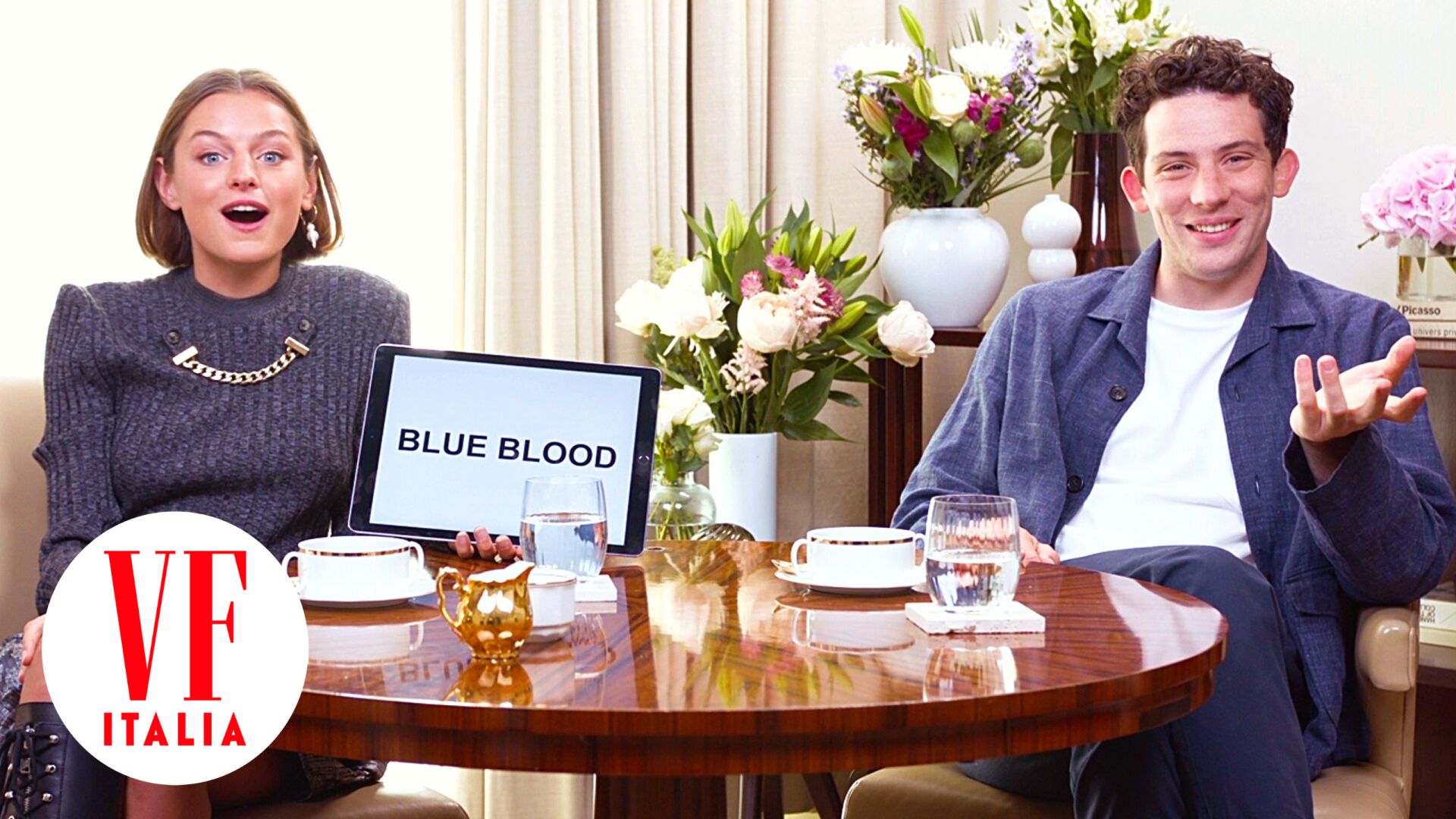
Josh O'Connor in Emma: Exploring His Role, Performance, and Cinematic Impact
Josh O'Connor delivers a memorable comedic performance as Mr. Elton in Autumn de Wilde's 2020 feature film adaptation of Jane Austen's classic novel Emma.. His portrayal of the pompous, ambitious, and socially mobile vicar captures bot...
Josh O'Connor delivers a memorable comedic performance as Mr. Elton in Autumn de Wilde's 2020 feature film adaptation of Jane Austen's classic novel Emma.. His portrayal of the pompous, ambitious, and socially mobile vicar captures both the satirical edge and the theatrical absurdity embedded in Austen's original text, offering viewers a masterclass in period-film character acting.
Contents
Introduction to Jane Austen's Emma and the Cinematic Landscape of 2020
Jane Austen’s 1815 novel Emma has seen numerous adaptations across television and film, each reflecting the stylistic and cultural sensibilities of its era. When director Autumn de Wilde took on the cinematic adaptation released in 2020, she chose to emphasize the vibrant pastel aesthetics, high-comedy farce, and emotional vulnerability underlying the Regency-era social structure. Central to this comedic architecture is the character of Mr. Philip Elton, the local vicar of Highbury, whose matrimonial ambitions and social snobbery drive much of the narrative's early conflict.
Casting Josh O'Connor in the role brought a fresh, physically expressive energy to a part that can easily slip into one-dimensional caricature. Coming off critically acclaimed stage and screen work, O'Connor infused Mr. Elton with an eager-to-please obsequiousness that brilliantly contrasts with his underlying pomposity. This comprehensive exploration examines how O'Connor approached the vicar role, how his performance fits into the broader adaptation, and why his interpretation remains a standout element of modern Austen cinema.
The Character of Mr. Elton: Source Material Versus Screen Adaptation
In Austen's novel, Mr. Elton is described as a handsome, agreeable young man who is acutely conscious of his status as a clergyman and his standing among Highbury's elite. However, his deference to the wealthy Mr. Woodhouse and his obsession with marrying into social standing expose a slippery, opportunistic nature. When he abruptly rejects Emma Woodhouse's lower-status protégé, Harriet Smith, in favor of a wealthy bride from Bath, his true colors are revealed.
Translating this literary figure to the screen requires an actor capable of balancing charm with cringe-inducing pretension. Josh O'Connor navigates this duality by leaning heavily into physical comedy and earnest micro-expressions:
- The Performance of Deference: O'Connor plays Elton's interactions with Emma (played by Anya Taylor-Joy) as a high-stakes performance of adoration, where every sigh and nod is calculated to secure his social advancement.
- The Shift in Tone: Once Emma rejects his proposal in the carriage, O'Connor executes a sharp pivot from cringeworthy romantic suitor to wounded, indignant snob.
- The Satirical Edge: Rather than playing the vicar as a pure villain, O'Connor highlights the pathetic comedy of a man who takes himself far too seriously in a provincial village.
Josh O'Connor's Approach to Period Drama and Comedy
Before taking on Emma., Josh O'Connor built a reputation for gritty independent cinema and prestige television, most notably as Prince Charles in Netflix's The Crown and as the brooding protagonist in Francis Lee’s God's Own Country. Transitioning into a stylized, pastel-hued Regency comedy required a distinct shift in acting technique.
De Wilde’s direction encouraged heightened theatricality, pastel color palettes, and brisk comedic pacing. O'Connor embraced this stylistic framework by exaggerating Elton's emotional states. Whether weeping dramatically over a portrait or preening before the mirror, O'Connor utilized his tall frame and expressive face to accentuate the character's vanity. This comedic timing prevented the film's romantic misunderstandings from dragging, ensuring that the middle act of the movie maintains its satirical momentum.
Comparative Overview of Cinematic and Television Adaptations of Mr. Elton
To understand the distinctiveness of Josh O'Connor's portrayal, it is helpful to compare it with notable prior interpretations of Mr. Elton across major screen adaptations of Emma..
| Adaptation Year & Format | Actor Playing Mr. Elton | Key Interpretation Style | Distinct Narrative Focus |
|---|---|---|---|
| 1996 Feature Film (Emma) | Alan Cumming | Campy, theatrical, and visibly ambitious | Emphasizes the overt absurdity and social desperation of the character. |
| 1996 TV Film (A&E Emma) | Dominic Rowan | Stuffy, traditional, and rigidly formal | Focuses closely on the strict class etiquette of the Regency period. |
| 2009 BBC Miniseries | Michael Gambon / Blake Ritson (Blake Ritson) | Slick, socially calculating, and deeply arrogant | Highlights the chilling coldness behind Elton's romantic rejection of Harriet. |
| 2020 Feature Film (Emma.) | Josh O'Connor | Comedic farce, physically expressive, and desperately vain | Blends high satire with vulnerable pomposity under Autumn de Wilde's pastel direction. |
Production Details and Critical Reception of Emma. (2020)
Released by Focus Features in the United States and Universal Pictures internationally, Emma. received generally favorable reviews from critics, who praised its visual wit, costume design by Alexandra Byrne, and ensemble cast.
Josh O'Connor's performance received specific praise from trade publications and film critics for grounding the film's broader satire in believable human vanity. While Anya Taylor-Joy carried the emotional core of the film as Emma Woodhouse, the supporting cast—including Johnny Flynn as George Knightley, Mia Goth as Harriet Smith, and O'Connor as Mr. Elton—created a living, breathing social ecosystem that made Highbury's petty rivalries compelling.
Technical and Artistic Contributions
- Costume Design: Elton’s clerical collars, tailored waistcoats, and precise cravats helped reinforce his fastidious nature and desire to present as a man of refined taste.
- Spatial Comedy: De Wilde utilized tight framing and symmetrical blocking, allowing O'Connor to use posture and eye-lines to communicate social hierarchy without spoken dialogue.
- Voice and Diction: O'Connor adopted a crisp, affected vocal cadence that signaled Elton's attempts to sound more intellectual and upper-class than he truly was.
Frequently Asked Questions About Josh O'Connor in Emma.
Who does Josh O'Connor play in the movie Emma.?
Josh O'Connor plays Mr. Philip Elton, the ambitious and self-important local vicar of Highbury who causes romantic chaos by rejecting Harriet Smith in favor of a wealthy heiress.
How does Josh O'Connor's performance differ from earlier versions of Mr. Elton?
While earlier adaptations often played Mr. Elton as strictly arrogant or sinister, O'Connor leans into physical comedy, high farce, and pathetic vanity, making the character simultaneously ridiculous and entertaining.
Is Emma. (2020) a faithful adaptation of Jane Austen's novel?
Yes, the film adheres closely to the plot of Austen's 1815 novel, though it infuses the narrative with a distinct visual aesthetic, heightened comedic timing, and stylized Regency production design.
What awards or recognition did the 2020 film Emma. receive?
The film received multiple Academy Award nominations, primarily recognizing its achievements in costume design and makeup and hairstyling, alongside widespread critical acclaim for its ensemble performances.
Conclusion and Recommendations for Viewers
Josh O'Connor's turn as the vicar in Emma. demonstrates his range as a character actor capable of effortlessly transitioning from brooding dramatic leads to sharp comedic farce. For viewers interested in exploring period dramas with a satirical edge, watching the 2020 adaptation offers a masterclass in how ensemble casting elevates classical literature. To fully appreciate O'Connor's comedic choices, watch the film while paying close attention to his non-verbal reactions during group dining scenes and his dramatic pivot following the infamous carriage proposal sequence.
Image Gallery