Understanding the Structure and Function of a Medical Care System
A medical care system is a complex organizational and social structure designed to deliver health services to individuals and populations. It encompasses the institutions, professional personnel, financing mechanisms, and regulatory fr...
A medical care system is a complex organizational and social structure designed to deliver health services to individuals and populations. It encompasses the institutions, professional personnel, financing mechanisms, and regulatory frameworks that coordinate to promote, restore, or maintain health, ranging from preventative screenings and primary care to acute hospital interventions and rehabilitative support.
Contents
The Core Components of a Medical Care System
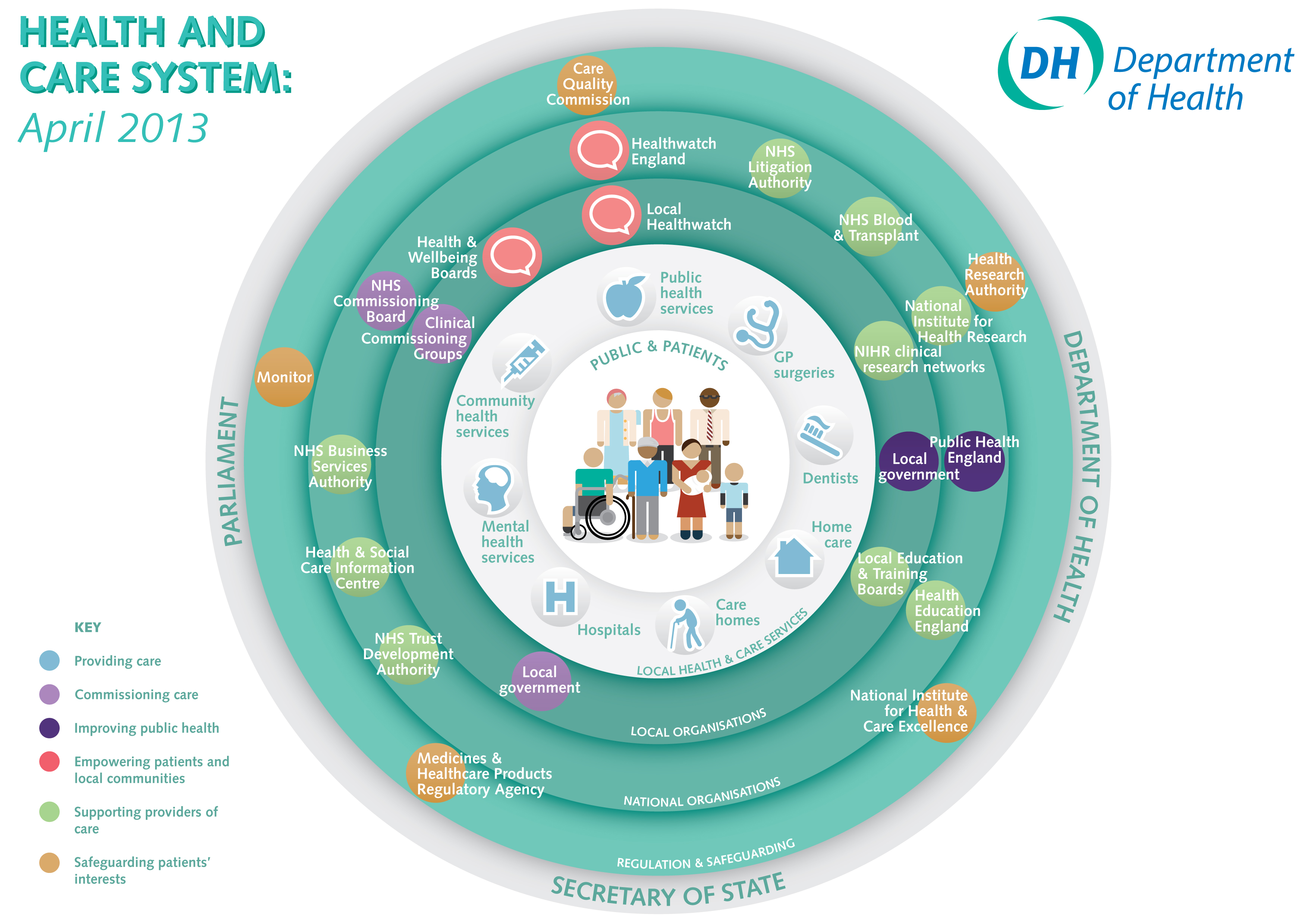
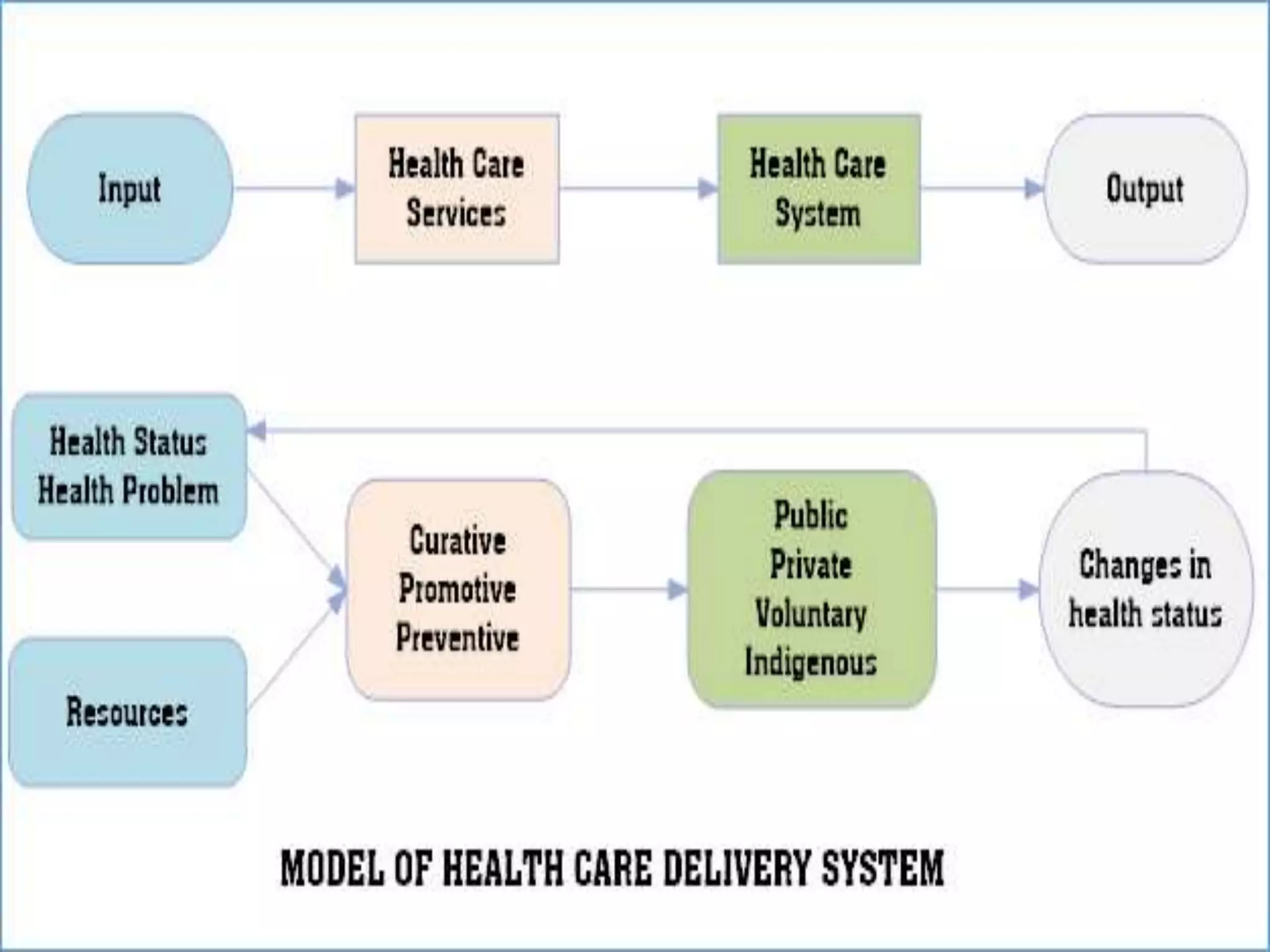
At its most fundamental level, a medical care system is not a single building or a lone practitioner, but an interconnected web of resources. To understand how these systems function, one must look at the four primary pillars that support them:
- Service Delivery: This is the clinical interface where care is provided. It includes primary care clinics, specialized outpatient centers, emergency departments, inpatient hospitals, and long-term care facilities.
- Health Workforce: The human element is the engine of any medical care system. This includes physicians, nurses, pharmacists, medical technicians, administrative support staff, and public health officers.
- Financing and Payment Models: No system can function without a method to cover the costs of services. Financing may be handled through government-funded social insurance, private insurance plans, direct out-of-pocket payments, or employer-sponsored health benefits.
- Health Information and Regulation: Modern systems rely on health informatics to track outcomes and patient history. Simultaneously, regulatory bodies establish safety standards, licensing requirements for professionals, and quality-control protocols to ensure that care meets legal and ethical benchmarks.
Categorizing Delivery Models
While every nation has a unique approach, medical care systems generally fall into specific models based on how they are financed and delivered. Understanding these categories is essential for identifying how a patient interacts with their local system.
The Beveridge Model
Commonly associated with the United Kingdom and several Nordic countries, this model treats health care as a public service. The government acts as the primary payer and often owns the hospitals. Care is funded through tax revenue, and most citizens receive services with little to no cost at the point of delivery.
The Bismarck Model
Named after Otto von Bismarck, this system uses private insurance companies—often called "sickness funds"—which are typically financed jointly by employers and employees through payroll deduction. Unlike the Beveridge model, the providers are often private, and the system is strictly regulated to ensure universal access and cost control.
The National Health Insurance Model
This model creates a hybrid environment. It uses private-sector providers to deliver care but features a government-run insurance program that every citizen pays into. Because the government is the single payer, it holds considerable market power to negotiate pricing for pharmaceuticals and medical services.
The Out-of-Pocket Model
In many developing regions, medical care is only available to those who can pay for it at the time of service. These systems lack broad insurance coverage or government-subsidized infrastructure, meaning that care is often fragmented and dependent on the financial status of the individual.
Comparing Financing and Access Mechanisms
The following table summarizes the key operational differences between common medical care delivery frameworks.
| Model Type | Primary Financing | Ownership of Providers | Access Mechanism |
|---|---|---|---|
| Beveridge | Tax Revenue | Primarily Public | Universal/Government provided |
| Bismarck | Payroll Taxes | Primarily Private | Private Insurance Funds |
| National Health | Government Insurance | Mixed | Single-payer reimbursement |
| Out-of-Pocket | Direct Payment | Varies | Ability to pay |
The Role of Governance and Regulatory Oversight
A medical care system is not merely a service provider; it is also a highly regulated industry. Government agencies and independent boards play a critical role in setting the "rules of the road." These bodies oversee the licensure of medical practitioners to ensure they have the necessary credentials to perform specialized procedures. They also regulate the pharmaceutical industry, ensuring that new medications and medical devices meet safety and efficacy thresholds before entering the market.
Furthermore, medical systems in 2026 are increasingly reliant on data governance. The adoption of Electronic Health Records (EHR) has necessitated stringent laws regarding patient privacy and data security. Organizations must navigate these regulations to share information efficiently between primary care providers and specialists while protecting sensitive medical histories from unauthorized access.
Challenges and System Pressures
Even well-funded medical care systems face persistent challenges that affect patient access and quality of care.
- Aging Populations: As global demographics shift, systems face the challenge of managing chronic conditions (such as diabetes, hypertension, and cardiovascular disease) which require long-term, high-cost care compared to acute injuries.
- Technological Costs: While advancements in diagnostic imaging, genomics, and robotic surgery improve outcomes, they also significantly inflate the cost of care. Systems must balance the adoption of cutting-edge technology with the need to remain fiscally sustainable.
- Health Equity: Disparities in access remain a significant issue. Urban-rural divides, socioeconomic status, and systemic biases often result in uneven outcomes, where certain populations receive significantly different standards of care despite being within the same geographic system.
Patient Navigation and Engagement
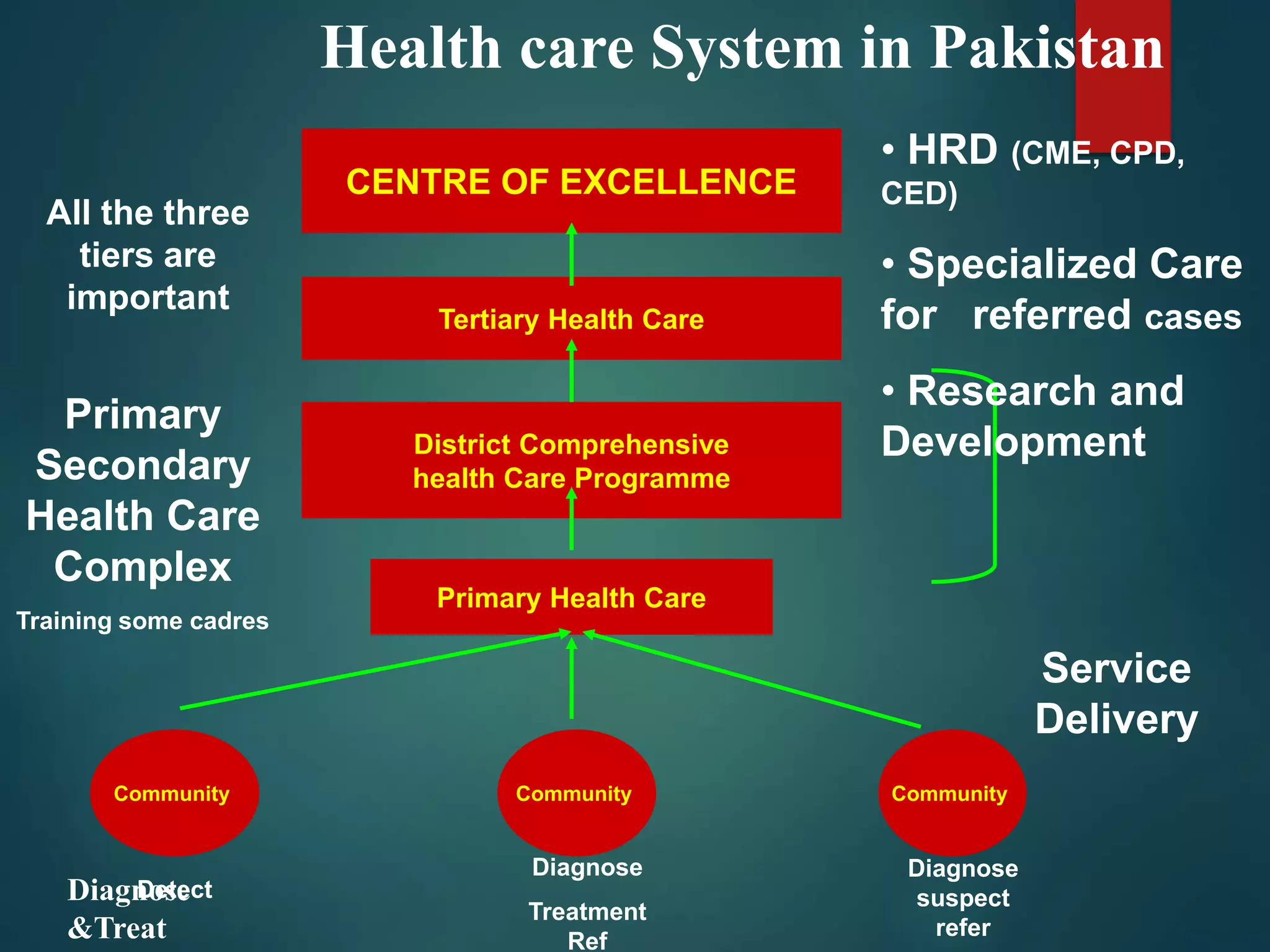
For the average individual, navigating a medical care system requires understanding the hierarchy of care. Most systems utilize a "gatekeeper" approach, where primary care physicians (PCPs) serve as the first point of contact. The PCP assesses the patient’s condition and, when necessary, provides a referral to a specialist.
This structure is designed to improve efficiency by ensuring that specialized, expensive resources are reserved for cases that truly require them. Patients who attempt to bypass this process—often by going directly to an emergency department for non-urgent issues—may experience longer wait times and higher out-of-pocket costs, as many insurance plans require documentation of a referral for specialist coverage.
Frequently Asked Questions
What is the difference between a health system and a medical care system? While often used interchangeably, a "health system" is broader and includes public health initiatives, sanitation, and health education. A "medical care system" is more specifically focused on the clinical diagnosis, treatment, and ongoing management of illnesses and injuries.
How do I determine which medical care system I am in? Your location and employment status generally dictate your medical care system. In many jurisdictions, you are covered by a national or regional program based on residency. If you are employed, your employer may provide access to a private insurance network that operates within the larger national medical framework.
Why are medical costs so high in many systems? Costs are driven by the complexity of modern medical technology, the administrative overhead of managing insurance and billing, and the cost of training and compensating highly skilled medical professionals. Additionally, the prevalence of chronic illnesses requires a higher intensity of ongoing resource utilization.
Can a system be both public and private? Yes. Many modern systems are "mixed." For example, a country might have a government-funded system for the majority of the population while allowing a private sector to operate for those who wish to purchase supplementary or alternative coverage.
What is the role of preventive care in a medical system? Preventive care, such as annual check-ups and vaccinations, is designed to reduce the overall burden on a medical system. By identifying potential health issues before they become acute, the system saves on the long-term costs of emergency care and chronic disease management.
Next Steps for System Evaluation
If you are attempting to understand the medical care system in your specific jurisdiction, the most effective first step is to review the official documentation provided by your local health authority. Organizations such as a Ministry of Health or a Department of Health and Human Services often maintain consumer portals that explain enrollment eligibility, coverage tiers, and the process for selecting a primary care provider. If you have questions about specific benefits, contact your insurance provider’s member services department directly to verify your network’s coverage requirements.
Image Gallery