Why the Falcons 28-3 Lead Mattered: A Study in Historical Collapse
The Atlanta Falcons’ 28-3 lead in Super Bowl LI mattered because it serves as the ultimate professional sports case study on the disintegration of momentum, the fragility of a multi-possession lead, and the absolute threshold of elite...
The Atlanta Falcons’ 28-3 lead in Super Bowl LI mattered because it serves as the ultimate professional sports case study on the disintegration of momentum, the fragility of a multi-possession lead, and the absolute threshold of elite psychological resilience. It remains the most significant comeback in NFL history, shifting the perception of "game management" and redefining the standard of defensive endurance in championship play.
Contents
The Context of the 2017 Super Bowl
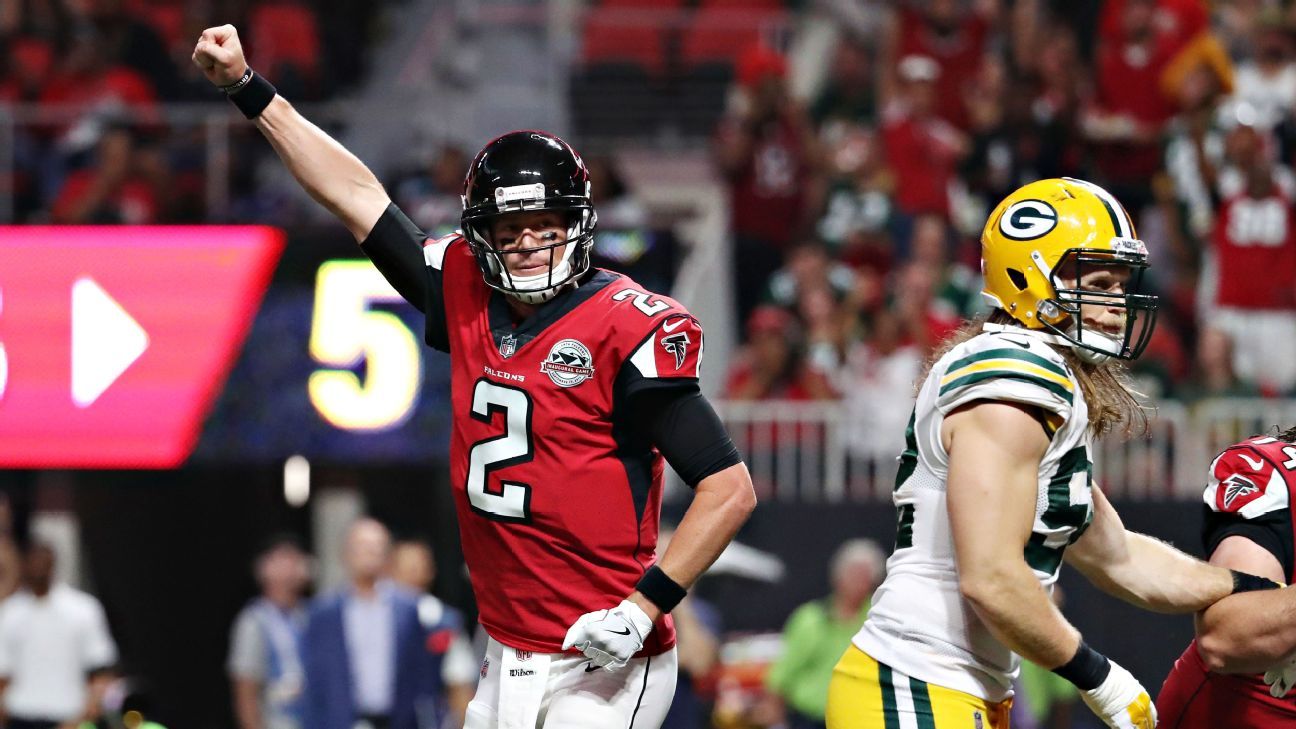
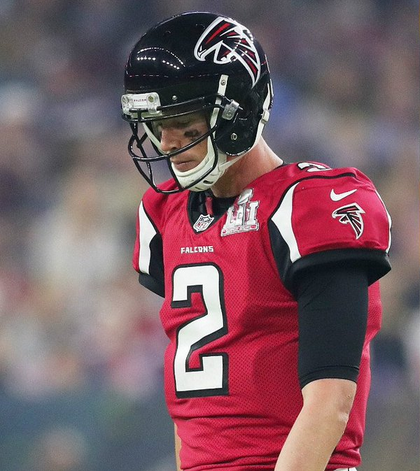
Super Bowl LI, held on February 5, 2017, featured the Atlanta Falcons, led by league MVP Matt Ryan, against the New England Patriots, led by Bill Belichick and Tom Brady. Entering the game, the Falcons boasted one of the most efficient offenses of the modern era. Their ability to score quickly and exploit defensive gaps was the centerpiece of their season-long success.
By the third quarter, the narrative of the game seemed settled. With 8:31 remaining in the period, the Falcons extended their lead to 28-3 following a Tevin Coleman touchdown catch. Statistically, the game was effectively over. Entering that contest, NFL teams leading by 25 points or more in the playoffs had historically held a near-perfect win record. For the viewing audience and the betting markets, the outcome was widely considered a foregone conclusion.
The Mechanics of the Collapse
The collapse was not the result of a single error, but a cascade of failures that occurred during the final 18 minutes of regulation. The "28-3" phenomenon is significant because it highlights how conservative play-calling, when combined with high-tempo pressure, can neutralize a substantial lead.
- Failure of Clock Management: After the 28-3 mark, the Falcons shifted to a more conservative offensive philosophy. By failing to maintain their aggressive tempo, they allowed the Patriots' defense to stabilize and the offense to find rhythm.
- The Sack-Fumble Sequence: A critical turning point occurred when the Falcons, well within field goal range to essentially ice the game, suffered a catastrophic loss of yardage. A sack by Dont’a Hightower on Matt Ryan, followed by a fumble recovery, gave the Patriots the exact field position required to begin their scoring drive.
- Defensive Fatigue: The Falcons’ defense, which had performed admirably for three quarters, was forced to stay on the field for an excessive number of plays in the final period. As the Patriots ran an "up-tempo" offense, the lack of defensive substitutions led to slower pursuit speeds and missed tackles.
Analytical Breakdown: Statistical Thresholds
To understand why this specific deficit became a cultural touchstone, one must look at the mathematical improbability of the Patriots' victory. Using advanced win-probability models, sports analytics firms estimated that at the 28-3 mark, the Falcons had a 99.8% chance of winning the Lombardi Trophy.
| Factor | Impact on Falcons | Impact on Patriots |
|---|---|---|
| Tempo | Shifted to slow/deliberate | Shifted to no-huddle/high-speed |
| Field Position | Became secondary to time usage | Used for rapid turnover exploitation |
| Personnel | Rotated for rest (defensive) | Maintained primary playmakers |
| Psychological | Preservation of lead (fear-based) | Desperation (reward-based) |
This comparison highlights the fundamental shift in strategy. While the Falcons played to protect a lead, the Patriots played to maximize every possession, recognizing that they no longer had the luxury of a traditional offensive flow.
The Psychological Impact on Professional Sports
The "28-3" scoreline entered the lexicon of sports fans as a shorthand for "collapsing under pressure." It changed the way teams approach coaching and late-game strategy. Coaches in the NFL and other major professional leagues now emphasize the "next-score" mentality rather than "lead-protection" tactics. The fear of repeating the Falcons' defensive passiveness has led to a more aggressive late-game culture across the league.
Furthermore, the game solidified the reputations of the participants. For the Patriots, it provided the ultimate validation of the Tom Brady/Bill Belichick era. For the Falcons, it created a psychological hurdle that arguably impacted the team's internal chemistry and confidence for several seasons following the loss.
Common Misconceptions
There is often debate regarding whether the Falcons "lost" the game or if the Patriots "won" it. Historical analysis suggests it was a confluence of both. While the Patriots' execution of the two-point conversion attempts and the precision of their passing game were flawless, those efforts would have been insufficient had the Falcons maintained a more balanced offensive approach.
The collapse is frequently attributed solely to the coaching staff, yet the execution on the field—specifically the failure to convert key third-down opportunities—played an equal role. By failing to record first downs, the offense essentially deprived their own defense of the necessary recovery time.
Frequently Asked Questions
Why did the Falcons stop running the ball? The Falcons utilized a "pass-first" identity all season. When facing pressure in the final quarter, they attempted to maintain that identity. Retrospective analysis by coaching experts suggests that running the ball would have kept the clock moving and potentially allowed for a game-ending field goal attempt.
Was the 28-3 deficit the largest ever? Yes. In terms of Super Bowl history, it is the largest deficit ever overcome. Prior to Super Bowl LI, no team had ever overcome a deficit greater than 10 points in the championship game.
How did the game change NFL defensive schemes? Post-2017, many teams began incorporating "two-deep" zone shells late in games to prevent the kind of rapid yardage gains the Patriots achieved. The Falcons' defensive breakdown forced a shift toward more robust "prevent" strategies that prioritize keeping the ball in front of the defenders at the expense of yardage.
Did the 28-3 loss end the Falcons' competitive window? While the organization remained competitive for a short period, the psychological impact of the loss was significant. The team struggled to replicate the offensive efficiency of the 2016 season, and the core group eventually dispersed through trades and free agency.
What is the "Patriot Way" in this context? The "Patriot Way" refers to the disciplined adherence to systems despite overwhelming odds. In this game, it meant ignoring the scoreboard and focusing strictly on the execution of the next play, regardless of the time remaining.
Conclusion and Next Actions
For those interested in sports analytics or the psychology of high-stakes performance, the 2017 Super Bowl remains the essential study of how a dominant position can evaporate. The primary takeaway for any leader or analyst is that momentum is not a static asset; it must be protected through consistent, aggressive execution rather than passive preservation. If you are conducting a deeper analysis of this event, focus your research on the specific play-calling logs from the 2016-2017 season to contrast the Falcons' play-selection during their winning streak versus their performance in the final 18 minutes of Super Bowl LI.
Image Gallery