What the Lean Transformation Summit Revealed: The New Frontier of Operational Excellence
The Lean Transformation Summit revealed that modern operational excellence has shifted from simple waste reduction to a holistic model of "Adaptive Resilience." Key findings emphasize integrating Artificial Intelligence (AI) within the...
The Lean Transformation Summit revealed that modern operational excellence has shifted from simple waste reduction to a holistic model of "Adaptive Resilience." Key findings emphasize integrating Artificial Intelligence (AI) within the Gemba framework, the essential role of Lean in achieving 2026 sustainability mandates, and a move toward "Cognitive Lean" to address labor shortages and complex global supply chains.
Contents
The Lean Transformation Summit, historically organized by the Lean Enterprise Institute (LEI), has long been the bellwether for organizational change. However, the 2026 gathering marked a significant departure from traditional methodologies. As global markets face unprecedented volatility, the summit revealed a critical transition: Lean is no longer just a manufacturing toolkit; it is the primary strategy for survival in a digitally-native, carbon-conscious economy.
By analyzing the proceedings, case studies, and keynote addresses, we can distill the core revelations that are currently redefining how businesses approach value creation, leadership, and process stability.
The Integration of Artificial Intelligence and "Cognitive Lean"
One of the most striking revelations from the summit was the emergence of Cognitive Lean. For decades, the Lean community was cautious about high-technology "black box" solutions that obscured the process from the worker. The 2026 summit revealed that the gap between Lean thinking and Artificial Intelligence has finally closed.
Experts demonstrated that AI is not a replacement for the PDCA (Plan-Do-Check-Act) cycle but an accelerator for it. The summit highlighted how "Predictive Gemba Walks" are now being used in advanced facilities. Instead of managers walking the floor to find existing waste, AI-driven data visualization identifies "latent waste"—bottlenecks that have not yet occurred but are statistically probable based on real-time sensor data.
The revelation here is that AI must be treated as a "team member" rather than a tool. The summit showcased frameworks where frontline workers use Generative AI to draft A3 reports and visualize root-cause analyses. This democratization of data ensures that the people closest to the work remain the primary problem solvers, fulfilling the fundamental Lean principle of "Respect for People."
Sustainability as the Primary Value Stream
Perhaps the most urgent takeaway from the summit was the redefinition of "Value." In the past, value was defined strictly by what the customer was willing to pay for. In 2026, the summit revealed that "Value" now includes the environmental and social footprint of the product.
This shift has given rise to the Green Lean movement. The summit showcased how the traditional seven wastes (Muda) have been expanded to include carbon emissions, energy consumption, and water waste. Leaders from the energy and manufacturing sectors presented data showing that Lean organizations are 40% more likely to meet their 2026 Net-Zero targets than those using traditional sustainability models.
The "Green Stream" mapping technique was a highlight of the technical sessions. Unlike a standard Value Stream Map (VSM), which focuses on time and material flow, the Green Stream Map tracks "Kilowatts per Unit" and "Carbon Grams per Process Step." This allows managers to see that reducing lead time often has the secondary, highly valuable benefit of reducing energy overhead, aligning fiscal goals with environmental mandates.
The Evolution of Lean Leadership: From Command to Coach
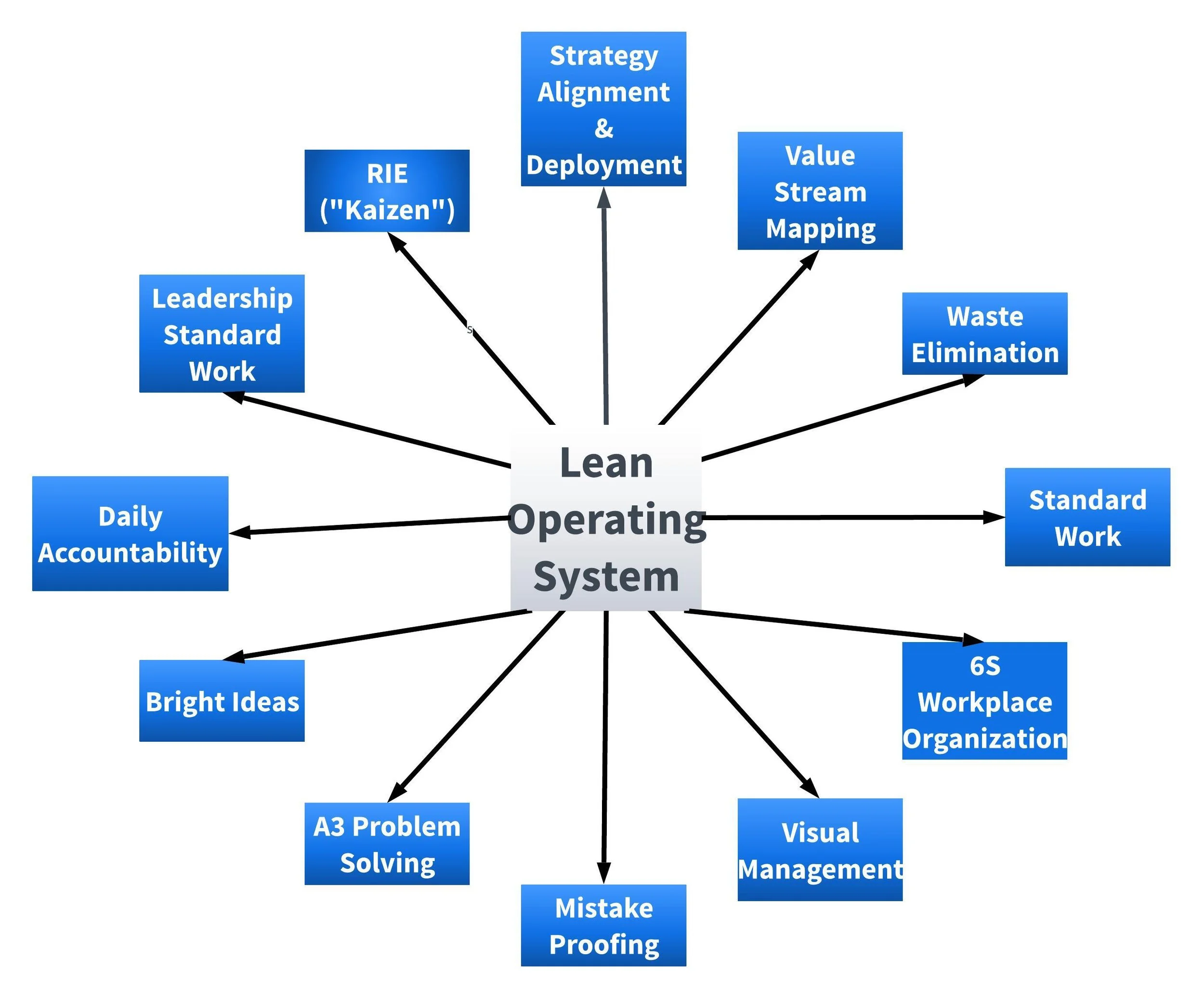
The 2026 summit revealed a deepening crisis in traditional management structures. As the workforce continues to evolve toward decentralized and remote models, the old "command and control" style has become a liability. The summit emphasized that the role of a leader has moved entirely into the realm of "Hoshin Kanri" (Strategy Deployment) and coaching.
The most successful case studies presented at the summit shared a common thread: leaders who spent less time in boardrooms and more time on "Digital Gemba." In a world where work is often performed across time zones and digital platforms, leaders must learn to observe work through collaborative software and virtual environments with the same scrutiny they once applied to a factory floor.
The "Lead with Respect" pillar was updated for 2026 to include Psychological Safety as a prerequisite for continuous improvement. The summit revealed that Kaizen (change for the better) is impossible if employees fear the consequences of reporting a defect. Organizations that prioritized "Safe-to-Fail" environments reported a 25% higher rate of employee-led innovations over the previous fiscal year.
Lean in Non-Manufacturing Sectors: Healthcare and Services
While Lean originated in the automotive industry (the Toyota Production System), the 2026 summit revealed that the most aggressive growth in Lean application is now occurring in healthcare, government, and software development.
In healthcare, the summit revealed a move toward "Patient-Centered Flow," where the patient’s time is treated as the most valuable resource. By applying Lean principles to diagnostic cycles, hospitals reported reducing wait times for critical results by over 50% without increasing headcount. The key was the removal of "administrative friction"—the digital waste created by poorly integrated electronic health records.
In the software sector, the summit highlighted the convergence of Lean and Agile. While Agile focuses on the speed of delivery, the summit revealed that without Lean's focus on process stability and standardized work, Agile teams often produce "technical debt" (work that must be redone later). The 2026 consensus is that Lean provides the necessary foundation of stability upon which Agile speed can be safely built.
Comparison of Traditional Lean vs. 2026 Summit Revelations
To understand the magnitude of these changes, the following table compares the legacy approach to Lean with the modern insights revealed at the summit.
| Feature | Traditional Lean Approach | 2026 Summit Revelation |
|---|---|---|
| Primary Focus | Cost Reduction & Efficiency | Adaptive Resilience & Value Flow |
| Technology | Minimalist/Manual (Visual Cues) | AI-Augmented (Digital Gemba) |
| Waste Definition | 7/8 Wastes (Material/Time) | 10+ Wastes (Including Carbon & Energy) |
| Problem Solving | Reactive (Fixing what broke) | Predictive (AI-driven prevention) |
| Leadership Style | Directional/Top-Down | Coaching/Hoshin Kanri Alignment |
| Metric for Success | OEE (Overall Equipment Effectiveness) | ESG Compliance & Flow Efficiency |
| Workforce | Specialized/Localized | Cross-functional/Global/Decentralized |
Common Pitfalls Revealed at the Summit
The summit wasn't just a celebration of success; it also revealed why many Lean transformations fail in the current climate. Speakers identified three major "Transformation Killers":
- Over-Automation: Organizations that attempted to "automate their way out of waste" without first fixing the underlying process found that they simply accelerated the production of defects. The summit re-confirmed the rule: Simplify, then Standardize, then Automate.
- The "Toolkit" Fallacy: Many firms still treat Lean as a toolbox (using 5S or Kanban in isolation). The summit revealed that these tools are ineffective unless they are tied to a clear "North Star" (True North) metric that aligns the entire organization.
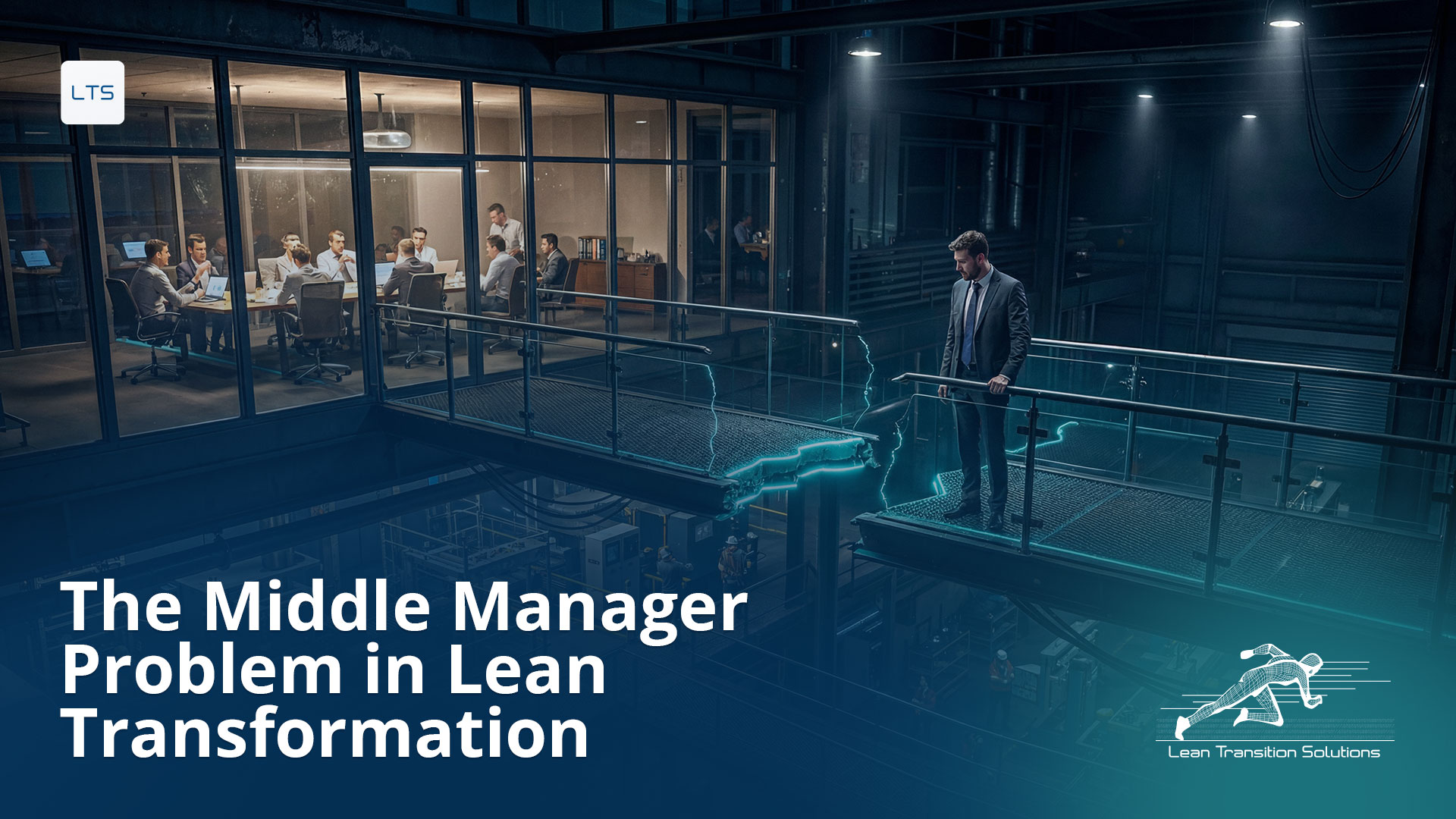
- Ignoring the "Middle Management Squeeze": Transformations often fail because middle managers are caught between the new coaching requirements and the old performance metrics. The summit revealed that performance appraisals must be redesigned to reward "Coaching Capacity" alongside "Output."
FAQ
What is the "Human-in-the-Loop" concept mentioned at the summit? This refers to the design of AI and automated systems where human intervention and oversight are integrated at critical decision points. The summit revealed that systems designed without a "Human-in-the-Loop" often lack the contextual awareness to handle edge cases, leading to systemic failures that Lean practitioners call "Digital Mura" (unevenness).
How does Lean apply to the remote/hybrid work models discussed in 2026? The summit revealed that remote work requires more standardized work, not less. Without the physical proximity of an office, teams must rely on "Virtual Obeya" (Large Room) environments—digital dashboards that track flow, quality, and obstacles in real-time to maintain alignment.
What is "Flow Efficiency" and why is it prioritized over "Resource Efficiency"? Resource efficiency focuses on keeping machines and people busy 100% of the time. The summit revealed that this often leads to large inventories and long wait times. Flow efficiency focuses on the speed at which a unit of value moves through the system. High flow efficiency often requires "slack" in the system to handle variability, which is a counter-intuitive but necessary shift for 2026 managers.
Are the "7 Wastes" still relevant in 2026? Yes, but they have been expanded. The summit revealed that while the original wastes (Overproduction, Waiting, Transport, Over-processing, Inventory, Motion, Defects) remain valid, they are now viewed through a digital and environmental lens. For example, "Inventory" now includes bloated cloud data storage, and "Motion" includes unnecessary digital clicks or context-switching between software apps.
Final Recommendations for Lean Practitioners
The revelations from the 2026 Lean Transformation Summit suggest that the "low-hanging fruit" of basic process improvement has already been picked. To remain competitive, organizations must move beyond the basics and embrace the following actions:
- Audit Your Digital Waste: Start a "Digital Gemba" to identify where software and automated systems are creating friction for your employees.
- Integrate ESG into VSM: Ensure every Value Stream Map includes energy and carbon metrics to align with 2026 sustainability standards.
- Invest in "Soft" Skills: Shift management training from "Project Management" to "Coaching and Facilitation." The most successful Lean organizations of 2026 are those that have built a "Learning Organization" culture.
- Pilot AI with PDCA: Do not implement AI as a standalone project. Instead, use it as a tool to solve a specific problem identified during a Gemba walk, and use the PDCA cycle to measure its impact.
The Lean journey is no longer a straight line toward efficiency; it is a continuous loop of learning and adaptation. As the summit revealed, the organizations that will thrive are those that can harmonize their human talent with technological capability while maintaining a steadfast commitment to the planet and the customer.
Image Gallery