How to Rescue Deer Safely: A Comprehensive Wildlife Intervention Guide
Rescuing a deer safely requires prioritizing human safety, minimizing animal stress, and contacting licensed wildlife professionals immediately. Attempting a physical rescue yourself often leads to severe injury from powerful hooves or...
Rescuing a deer safely requires prioritizing human safety, minimizing animal stress, and contacting licensed wildlife professionals immediately. Attempting a physical rescue yourself often leads to severe injury from powerful hooves or antlers and may cause the animal to die from stress-induced capture myopathy. Always observe from a distance before intervening.
Contents
Helping a wild animal in distress is a noble impulse, but deer present unique challenges that distinguish them from domestic pets. As of 2026, wildlife management protocols emphasize a "hands-off" approach for the general public due to the high risk of zoonotic disease transmission and the physical volatility of cervids. Whether you have encountered an injured buck on the roadside or a fawn hidden in your backyard, following the correct safety protocols is the only way to ensure a positive outcome for both you and the animal.
Understanding the Risks: Human Safety and Animal Welfare
Before attempting any form of intervention, it is critical to understand the physical capabilities of a deer. Even a medium-sized doe possesses enough leg strength to fracture human bones with a single kick. When a deer is injured or trapped, its "fight or flight" response is at its peak, making its behavior entirely unpredictable.
The Danger of Physical Contact
Deer are remarkably powerful athletes. Their primary defense mechanism involves their hooves, which are sharp and driven by dense muscle. A panicked deer will thrash its legs in all directions, regardless of whether you are trying to help. Furthermore, male deer (bucks) possess antlers that can cause puncture wounds or internal injuries.
Beyond physical trauma, humans must consider biological risks. In 2026, the prevalence of Chronic Wasting Disease (CWD) remains a significant concern in many regions. Handling a deer, especially one that appears sickly or disoriented, increases the risk of contact with infectious prions or external parasites like deer ticks, which carry Lyme disease and Anaplasmosis.
The Physiological Impact: Capture Myopathy
The greatest threat to a deer during a rescue attempt is not always the initial injury, but a condition known as capture myopathy. This is a physiological cascading failure triggered by extreme stress and overexertion. When a deer is chased, restrained, or handled by humans, its muscles begin to break down, releasing myoglobin into the bloodstream, which eventually leads to kidney failure and death. This process can take hours or even days, meaning a deer that appears "calm" or "safely released" may actually be dying from the rescue attempt itself.
Assessing the Need for Rescue: Is Intervention Necessary?
One of the most common mistakes in wildlife "rescue" is intervening when the animal does not actually need help. Wildlife rehabilitators often refer to this as "kidnapping," particularly in the case of fawns.
The Case of the "Abandoned" Fawn
If you find a fawn alone, quiet, and tucked into tall grass, it is likely not abandoned. Does (mother deer) purposefully leave their fawns alone for up to 12 hours a day. Because fawns have no scent and excellent camouflage, staying still is their best defense against predators. The mother stays away to avoid drawing attention to the location.
Signs a fawn actually needs help:
- The fawn is "crying" or bleating loudly for an extended period.
- The fawn is covered in fly eggs or has visible injuries.
- The fawn is wandering aimlessly or approaching humans.
- The mother is known to be dead (e.g., hit by a car nearby).
Evaluating Adult Deer Injuries
An adult deer that is standing on three legs but moving effectively may not require intervention. Deer are incredibly resilient, and the stress of capture for a minor leg injury often outweighs the benefits of treatment. Intervention is typically only warranted if the deer is:
- Recumbent (unable to stand or get up).
- Entangled in a fence, net, or hammock.
- Bleeding profusely from a major wound.
- Exhibiting neurological symptoms (circling, lack of fear of humans).
Steps to Take When You Find an Injured Deer
If you have determined that a deer is truly in distress, follow these systematic steps to manage the situation safely.
1. Maintain Your Distance
The most important rule of deer rescue is to stay back. Your presence is perceived as a predatory threat. If you are too close, the deer may attempt to flee despite its injuries, potentially worsening its condition or running into traffic. Stay at least 50 to 100 feet away and keep domestic pets and children far from the scene.
2. Secure the Area
If the deer is on or near a roadway, your primary responsibility is human safety. Do not stand in the road or attempt to direct traffic yourself. Use your vehicle’s hazard lights to warn other drivers and wait for law enforcement to arrive. If the deer is in a residential yard, keep the environment quiet. Turn off lawn equipment and keep people away from windows overlooking the animal.
3. Contact the Professionals
Do not call a local veterinarian, as most are not equipped or legally permitted to treat adult deer. Instead, contact the following in order of priority:
- State Wildlife Agency: Search for your state’s Department of Natural Resources (DNR) or Fish and Wildlife Service.
- Licensed Wildlife Rehabilitators: Use directories like Animal Help Now to find specialists in your area.
- Local Law Enforcement: If the deer is in the road or poses an immediate threat to public safety, call the non-emergency police line.
Managing Specific Scenarios: Entanglements and Collisions
Different rescue scenarios require different tactical approaches. Below is a guide on how to handle the two most common deer emergencies.
Deer Trapped in Fencing
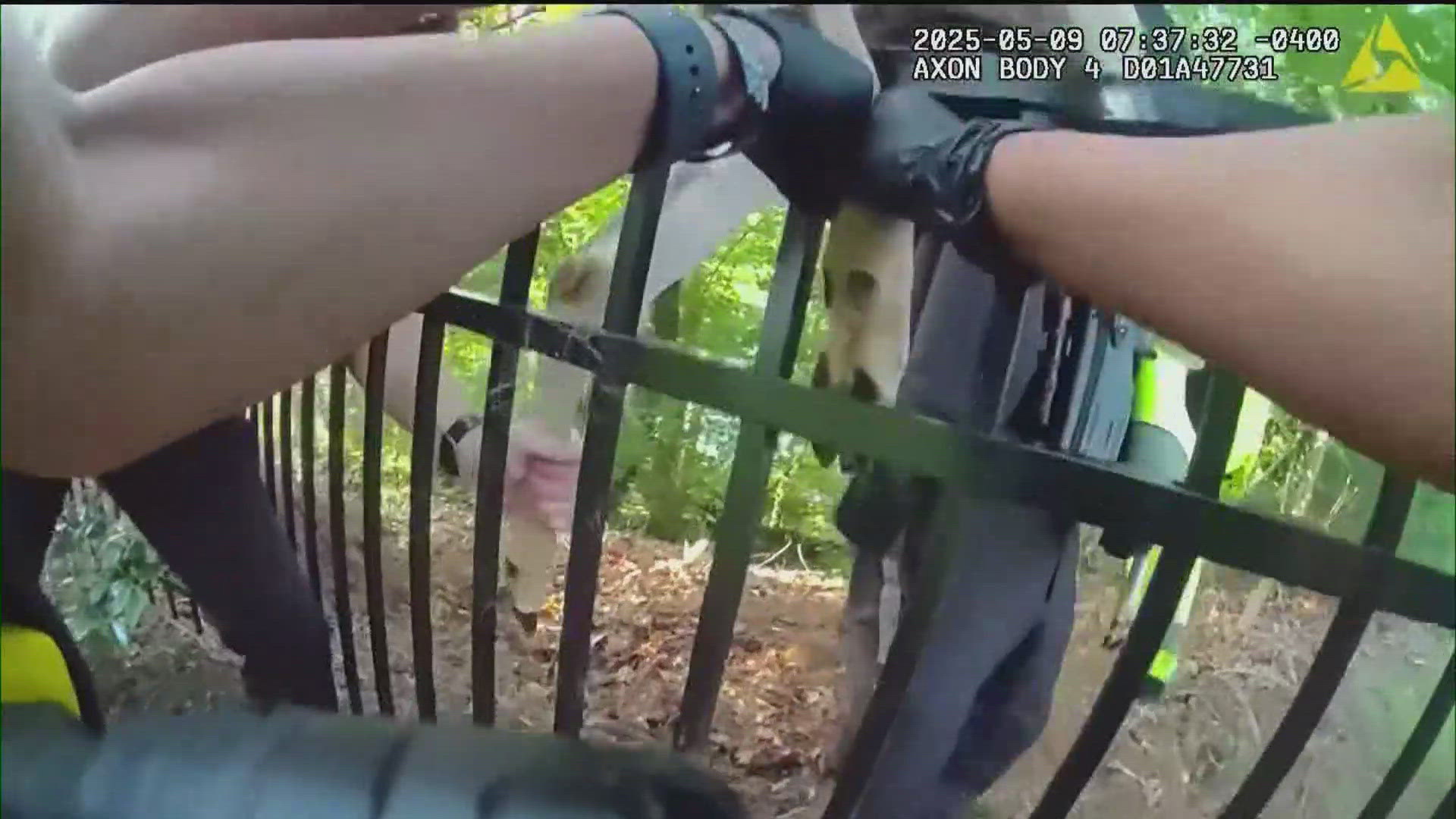
Deer frequently get their hind legs caught while jumping over wire fences, or their antlers entangled in soccer nets and hammock strings.
- Do Not Approach with Wire Cutters: If you attempt to cut a fence while the deer is struggling, the tension release can cause the fence or the deer’s limb to snap back, injuring you or the animal.
- Cover the Eyes: If a professional instructs you to assist (and only then), placing a thick blanket over the deer's head can sometimes calm it down. However, this should never be attempted by an untrained individual on an adult buck.
- Wait for Sedation: Professionals will often use a tranquilizer dart to safely sedate the animal before removing the entanglement.
Roadside Accidents and Vehicle Collisions
If you hit a deer or come across one that has been hit:
- Check for Life: Do not approach a deer that appears dead on the roadside. It may be stunned and could suddenly regain consciousness and lash out.
- Do Not Put the Animal in Your Car: Even a small deer can destroy a vehicle interior and cause a serious accident if it wakes up while you are driving.
- Document the Location: Provide the exact mile marker or GPS coordinates to the responding officer or wildlife agent.
Rescue Decision Matrix
| Scenario | Primary Risk | Immediate Action | Professional to Contact |
|---|---|---|---|
| Lone Fawn (Curled up) | None (Normal behavior) | Leave it alone; check from a distance in 12 hours. | None needed. |
| Deer Entangled in Fence | Capture Myopathy / Kicking | Keep people and pets away; do not attempt to cut. | State Wildlife Agency / DNR |
| Injured Adult (Standing) | Flight into traffic | Observe from distance; do not chase or "corral." | Wildlife Rehabilitator |
| Injured Adult (Downed) | Direct physical trauma | Secure the area; turn off bright lights; stay back. | Police / State Game Warden |
| Disoriented/Sickly Deer | Zoonotic Disease (CWD) | Do not touch; report neurological symptoms. | State Wildlife Vet / DNR |
Legal Considerations and Jurisdictional Rules
As of 2026, the legal landscape regarding wildlife rescue is strictly regulated. In many jurisdictions, it is illegal to possess a wild deer without a specific rehabilitator’s license.
- Permit Requirements: It is often a violation of state law to transport a deer across county lines due to CWD containment protocols.
- Liability: If you are injured while attempting to rescue a deer, most state agencies are not liable for your medical expenses. Conversely, if your "rescue" attempt causes the deer to run into traffic and cause an accident, you could potentially face civil liability.
- Euthanasia Policies: Be prepared for the fact that many professional agencies have a policy of euthanizing severely injured adult deer. While difficult to hear, this is often the most humane outcome for an animal that cannot survive in the wild and would suffer a slow death from infection or predation.
Frequently Asked Questions
Can I give an injured deer water or food?
No. You should never attempt to feed or hydrate an injured deer. Most injured wildlife go into shock, and their digestive systems shut down. Forcing fluids can lead to aspiration pneumonia, and certain foods can cause fatal bloat in ruminants like deer.
Is it safe to move a deer if it’s in the middle of the road?
Only if you can do so without putting yourself at risk and the animal is confirmed to be dead by a law enforcement officer. If the deer is alive, do not attempt to drag it. The pain and fear will cause it to kick, and the friction against the road can cause "road rash" or further skeletal damage.
What should I do if I find a fawn with its "ears curled"?
Curled ear tips are a sign of dehydration in fawns. If you notice this, along with the fawn being thin or having flies around it, this is a legitimate sign that the mother has not returned for a significant amount of time. Contact a rehabilitator immediately.
Why won't my local animal shelter take the deer?
Most municipal animal shelters are only equipped and funded to handle domestic pets (dogs and cats). They lack the enclosures, specialized veterinary staff, and legal permits required to house and treat wildlife.
Final Practical Recommendation
If you encounter a deer in need of rescue, the single most effective action you can take is to become a scene manager rather than a physical rescuer. Use your phone to document the animal's condition with photos or video from a safe distance, pinpoint your exact location using a map app, and call the appropriate wildlife authorities. By remaining calm and keeping others away, you provide the deer with its best chance of survival by preventing the onset of capture myopathy and ensuring that professional help can intervene safely.
Image Gallery