What Happened to DiGiorno Gluten-Free Pizza? The History, Recall Confusion, and Current Status
DiGiorno discontinued its dedicated gluten-free pizza line after widespread consumer confusion, backlash over its use of gluten-free wheat starch, and subsequent supply chain shifts. Although the product met Food and Drug Administratio...
DiGiorno discontinued its dedicated gluten-free pizza line after widespread consumer confusion, backlash over its use of gluten-free wheat starch, and subsequent supply chain shifts. Although the product met Food and Drug Administration (FDA) standards for gluten-free labeling, the required "contains wheat" allergen warning created severe trust issues among celiac disease patients, leading parent company Nestlé to pull the line from major retailers.
Contents
The Rise and Fall of DiGiorno’s Gluten-Free Line
For years, consumers adhering to a strict gluten-free diet urged major frozen pizza manufacturers to develop thick, classic-style crusts capable of competing with traditional rising-crust options. Most gluten-free frozen pizzas available in grocery store freezer aisles relied heavily on thin, cracker-like bases made from cauliflower, rice flour, or tapioca starch.
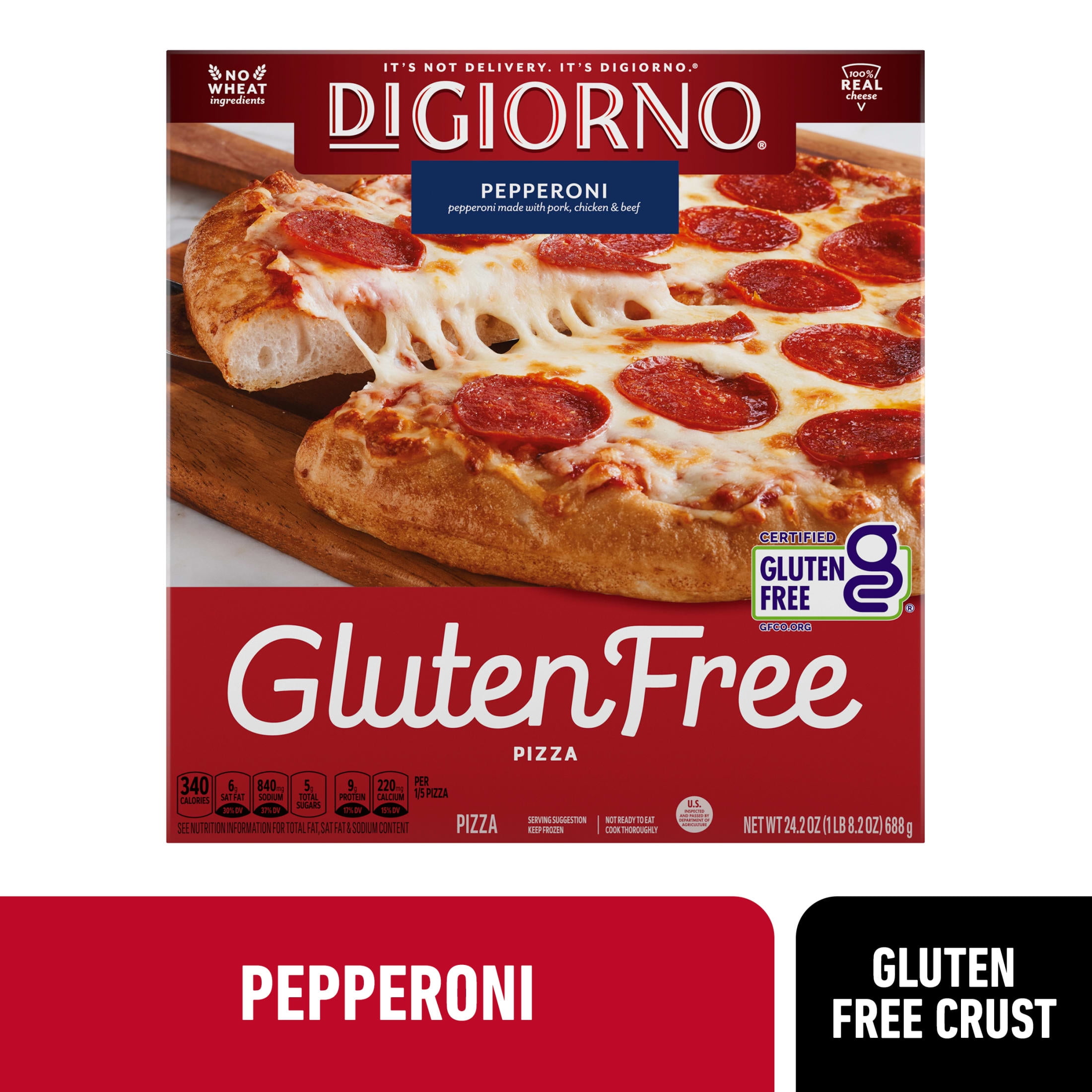
In mid-2021, Nestlé announced what promised to be a major innovation for the brand: a DiGiorno Gluten-Free Crust pizza line featuring Pepperoni and Four Cheese varieties. Unlike competitors that settled for thin crusts, DiGiorno aimed to deliver a thicker, airier texture reminiscent of its flagship products.
However, within months of hitting store shelves, the product line faced intense pushback from the celiac and gluten-sensitive communities. Distribution quickly sputtered, retailers dropped the stock, and the line was quietly removed from national production. Understanding why this line failed requires examining the complex food science, regulatory labeling requirements, and marketing decisions behind its release.
The Wheat Starch Controversy: Why Consumers Were Confused
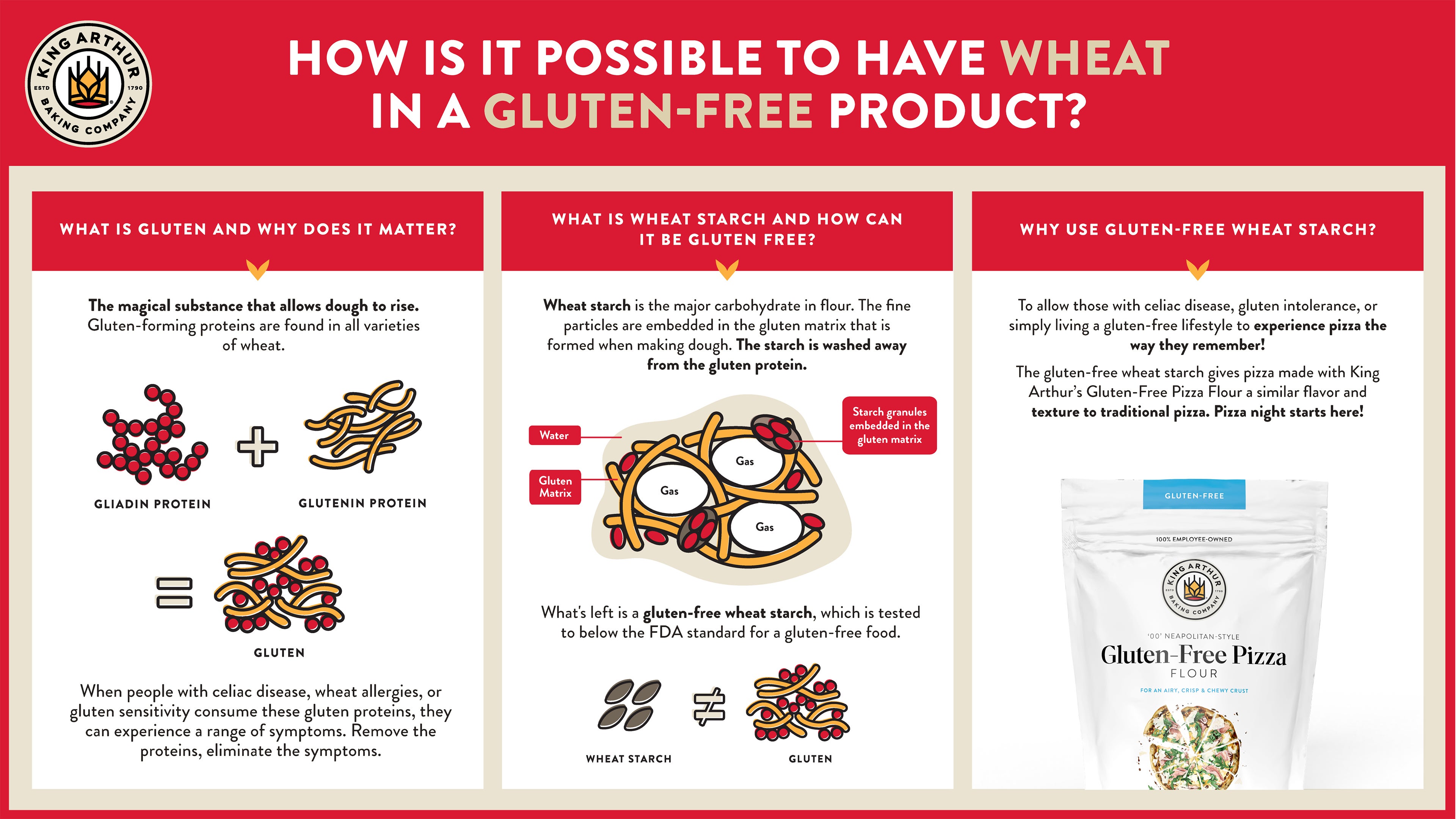
The core issue behind the product's downfall was DiGiorno’s choice of primary crust ingredient: gluten-free wheat starch (often sold commercially under brand names like Codex wheat starch).
To achieve the chewy elasticity and cellular structure of traditional wheat bread without retaining harmful gluten proteins, food scientists can wash wheat flour to isolate the starch, removing the gluten proteins (gliadin and glutenin) until the remaining material contains fewer than 20 parts per million (ppm) of gluten.
- Traditional Wheat Flour (Contains Gliadin/Glutenin)
- Washing & Fractionation
- Gluten-Free Wheat Starch (<20 ppm gluten) (Retains Wheat Proteins / Non-Gluten)
While scientifically valid and permitted under federal standards, this approach created two major obstacles in the retail marketplace:
1. The Dual Labeling Paradox
Under the U.S. Food Allergen Labeling and Consumer Protection Act (FALCPA), any product containing an ingredient derived from wheat must explicitly declare "Contains Wheat" in its ingredient statement or allergen summary. Simultaneously, under the FDA's gluten-free labeling rule (21 CFR 101.91), a food can be labeled "Gluten-Free" if wheat starch has been processed to yield less than 20 ppm gluten.
When shoppers picked up the DiGiorno box, they saw two seemingly contradictory statements printed prominently on the packaging:
- Front Panel: "Gluten Free"
- Back Panel / Allergen Warning: "Contains Wheat"
For shoppers managing celiac disease—an autoimmune disorder where any ingestion of gluten causes intestinal damage—seeing a "Contains Wheat" warning on a product marked "Gluten-Free" triggered immediate alarms. Many consumers assumed the product was mislabeled, unsafe, or a manufacturing hazard.
2. IgE Wheat Allergies vs. Celiac Disease
While gluten-free wheat starch processed below 20 ppm is generally considered safe for individuals with celiac disease by organizations like the Celiac Disease Foundation, it remains potentially dangerous for individuals with a true IgE-mediated wheat allergy.
A wheat allergy is an immune reaction to any protein found in wheat, not just gluten. Because gluten-free wheat starch still originates from wheat, it retains non-gluten wheat proteins capable of triggering anaphylaxis or severe allergic reactions in wheat-allergic individuals. Consequently, the product was unsafe for the wheat-allergic market while simultaneously alienating the celiac community due to safety fears and skepticism.
The "Cauliflower Crust" Misconception
Another major factor contributing to consumer confusion around DiGiorno's gluten-free offerings was the release of the DiGiorno Cauliflower Crust Pizza.
When cauliflower-based foods surged in popularity as low-carb and gluten-free alternatives, many consumers assumed that any pizza labeled "Cauliflower Crust" was inherently free of gluten. However, DiGiorno formulated its Cauliflower Crust line by blending cauliflower puree with standard, protein-rich wheat flour.
| Product Line | Primary Starch | Gluten-Free Safe? |
|---|---|---|
| Original Rising Crust | Wheat Flour | NO |
| Wheat Starch GF (2021) | GF Wheat Starch | YES (<20 ppm) / Discont. |
| Cauliflower Crust | Wheat Flour + Cauli | NO (Contains Wheat) |
| Ultra Thin Crust | Wheat Flour | NO |
Consumers who purchased DiGiorno Cauliflower Crust expecting a gluten-free meal suffered accidental gluten exposures. Reports of illness shared on social media and health forums further damaged DiGiorno's reputation among gluten-sensitive shoppers, creating widespread hesitation to purchase any specialty crust produced under the DiGiorno brand.
Federal Regulations: How Gluten-Free Labeling Works
To understand why DiGiorno was legally permitted to use wheat starch in a gluten-free product, it is necessary to review the legal framework established by the FDA.
FDA 21 CFR 101.91 Standard
In August 2013, the FDA published a final rule defining the term "gluten-free" for voluntary use on food labeling. Under this rule, a food product labeled gluten-free must meet the following criteria:
- Inherently Gluten-Free: Must not contain an ingredient that is a gluten-containing grain (e.g., spell, wheat, rye, barley).
- Refined Ingredients: Must not contain an ingredient derived from a gluten-containing grain that has not been processed to remove gluten.
- Processed Ingredients: May contain an ingredient derived from a gluten-containing grain (such as wheat starch) if that ingredient has been processed to reduce gluten presence to below 20 ppm.
- Unintended Presence: Must contain less than 20 ppm gluten overall, including any unintentional cross-contact during manufacturing.
The 20 ppm threshold was selected because clinical research indicates that this trace level does not trigger mucosal damage or autoimmune responses in the vast majority of individuals with celiac disease.
FALCPA Allergen Mandates
Congress enacted FALCPA to protect consumers with major food allergies. Because wheat is identified as one of the major food allergens, federal law strictly requires food manufacturers to declare wheat on the label whenever an ingredient originates from a wheat plant, regardless of processing depth.
This creates an unavoidable regulatory overlap: a ingredient can legally be classified as Gluten-Free under FDA 21 CFR 101.91 while remaining classified as an Allergen (Wheat) under FALCPA.
Comparing DiGiorno GF with Major Frozen Pizza Brands
Following the market withdrawal of DiGiorno's wheat starch pizza, several competing brands continued to serve the frozen gluten-free pizza market using alternative starch bases. The following comparison illustrates how different manufacturers navigate starch selection, safety certifications, and allergen disclosures.
| Brand | Primary Crust Ingredients | Certified Gluten-Free? | Allergen Warning | Celiac-Safe Formulation | Current Market Status |
|---|---|---|---|---|---|
| DiGiorno GF (Discontinued) | GF Wheat Starch, Water, Rice Starch | No (Self-Declared) | Contains Wheat | Meets FDA <20 ppm (Uses Wheat Starch) | Discontinued |
| Freschetta Gluten Free | Rice Flour, Tapioca Starch | Yes (GFCO) | Contains Milk, Soy, Egg | 100% Grain-Free Wheat Alternative | Widely Available |
| Schär Gluten Free | Rice Flour, Corn Starch, Potato Starch | Yes (GFCO) | Milk (varies by style) | European Standard, Dedicated Facility | Widely Available |
| Milton's Craft Bakers | Cauliflower, Rice Flour, Tapioca Starch | Yes (GFCO) | Contains Milk | Multi-Grain & Vegetable Blend | Widely Available |
| Caulipower | Cauliflower, Brown Rice Flour, Tapioca | Yes (GFCO) | Contains Milk | Low-Calorie Vegetable Base | Widely Available |
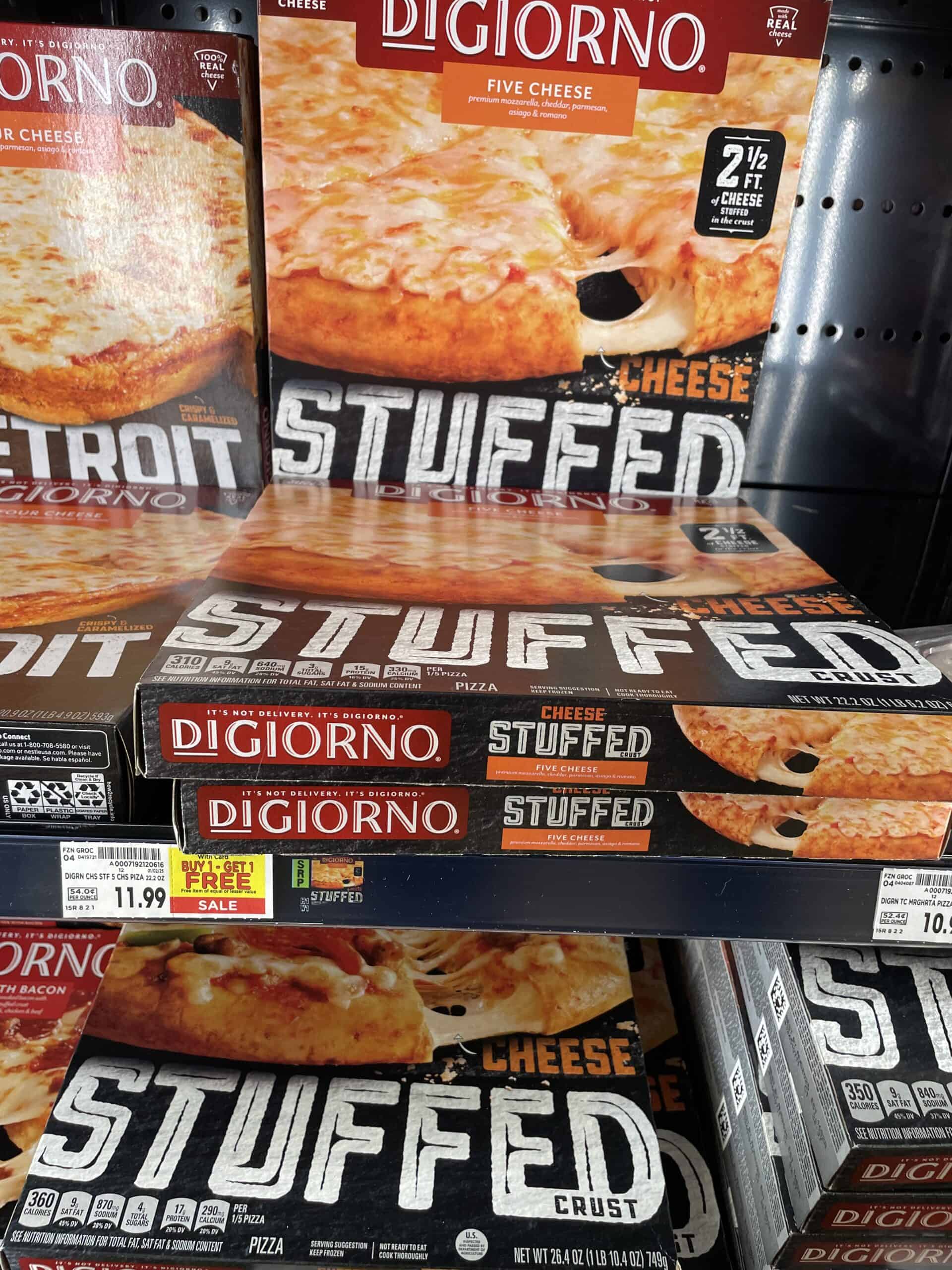
| DiGiorno Cauliflower Crust | Wheat Flour, Cauliflower, Blend | NO | Contains Wheat | UNSAFE FOR CELIACS | Available (Standard Category) |
Current Status: What DiGiorno Offers Today
DiGiorno does not produce a nationally distributed, dedicated gluten-free pizza line. While parent company Nestlé maintains alternative options within its broader corporate portfolio (such as California Pizza Kitchen Gluten-Free crust frozen pizzas, which are produced using rice and tapioca starches in dedicated facilities), the DiGiorno brand focuses predominantly on standard wheat-flour products.
Why Haven't They Relaunched?
Several operational factors explain why DiGiorno has hesitated to launch a traditional rice- or tapioca-based gluten-free pizza:
- Manufacturing Infrastructure: DiGiorno operates large-scale bakeries optimized for high-volume wheat dough fermentation and baking. Preventing cross-contact with airborne wheat flour particles requires either expensive dedicated facility spaces or extensive, certified cleaning protocols that interrupt primary production lines.
- Texture and Branding: DiGiorno's primary brand identity centers on its thick "Rising Crust." Replicating that exact texture without wheat proteins or specialized wheat starches remains difficult using alternative flours like rice, sorghum, or tapioca.
- Consumer Market Segmentation: Sister brands owned by Nestlé already hold established shelf space in the gluten-free category, reducing the corporate incentive to redesign DiGiorno’s supply chain.
Safe Frozen Gluten-Free Alternatives and Shopper Guidance
For consumers managing celiac disease, non-celiac gluten sensitivity, or wheat allergies, navigating frozen pizza options requires careful label reading and an understanding of certification standards.
- READ THE FROZEN PIZZA PACKAGE
- Is there a GFCO / Third-Party Stamp?
- YES
- Check for Allergen Statements (Milk, Soy, Egg)
- Safe to Consume
- NO
- Read Ingredients Carefully. Look for: Wheat Starch, Barley Malt, Rye
- Verify <20 ppm or Avoid Uncertified Wheat
- YES
- Is there a GFCO / Third-Party Stamp?
Key Steps for Product Verification
- Look for Third-Party Certification: Look for seals from independent auditing bodies, such as the Gluten-Free Certification Organization (GFCO). Certified products undergo regular facility inspections and product testing to enforce limits as low as 10 ppm or 5 ppm—stricter than the FDA's 20 ppm standard.
- Distinguish Cauliflower from Gluten-Free: Never assume a vegetable-based crust is gluten-free. Always inspect the ingredient list for terms like "enriched wheat flour," "vital wheat gluten," or "malted barley."
- Understand Wheat Starch Labels: If you suffer from celiac disease and choose to consume products containing gluten-free wheat starch (such as certain imported European goods), verify that the item carries a certified gluten-free seal confirming it tests under 20 ppm. If you have an IgE wheat allergy, avoid all products listing wheat starch, regardless of gluten-free claims.
- Check for Shared Facility Warnings: Statements such as "manufactured in a facility that also processes wheat" are voluntary under U.S. law. If you are highly sensitive to trace cross-contact, seek out brands that explicitly state they produce their items in a dedicated gluten-free facility.
Frequently Asked Questions
Did DiGiorno recall its gluten-free pizza?
DiGiorno did not issue a formal FDA Class I or Class II safety recall for its gluten-free pizza. Instead, Nestlé made a commercial decision to discontinue and withdraw the product line from distribution channels due to consumer confusion, packaging feedback, and low retail demand.
Is DiGiorno Cauliflower Crust pizza gluten-free?
No. DiGiorno Cauliflower Crust pizza contains traditional wheat flour as a primary ingredient alongside cauliflower puree. It is not gluten-free and is unsafe for individuals with celiac disease, wheat allergies, or severe gluten sensitivity.
Can someone with celiac disease eat gluten-free wheat starch?
According to medical experts and celiac advocacy groups, individuals with celiac disease can safely consume gluten-free wheat starch if it has been processed to meet the FDA standard of fewer than 20 ppm gluten. However, individuals with a wheat allergy must strictly avoid it because it contains non-gluten wheat proteins.
Why did DiGiorno use wheat starch instead of rice flour?
Food manufacturers often select gluten-free wheat starch because it maintains structural properties closer to traditional wheat flour than rice flour or tapioca starch can achieve. This allows dough to retain moisture and rise more naturally, creating a texture that mimics standard pizza crusts.
What is the best gluten-free alternative to DiGiorno?
For consumers seeking a high-quality gluten-free frozen pizza, brands like Freschetta Gluten Free, Schär, Milton's Craft Bakers, and SABATASSO'S offer nationally distributed pizzas made from rice, tapioca, or cauliflower starches that are certified gluten-free by independent testing organizations.
Final Recommendations for Consumers
If you are looking for a reliable, safe frozen pizza option, keep the following practical guidelines in mind:
- Verify labels every time: Manufacturers periodically change product formulations. A product that was once gluten-free may alter its recipe or production facility without obvious front-of-pack notifications.
- Rely on third-party certification logos: Prioritize products bearing seals from recognized entities like the GFCO or the Beyond Celiac certification program over unverified manufacturer self-declarations.
- Report adverse reactions: If you experience symptoms after consuming a product labeled gluten-free, keep the packaging, record the lot number, and notify both the manufacturer and the FDA's MedWatch safety portal.
Image Gallery