Navigating the Magic Quadrant for ITSM: A Guide for Enterprise Decision-Makers
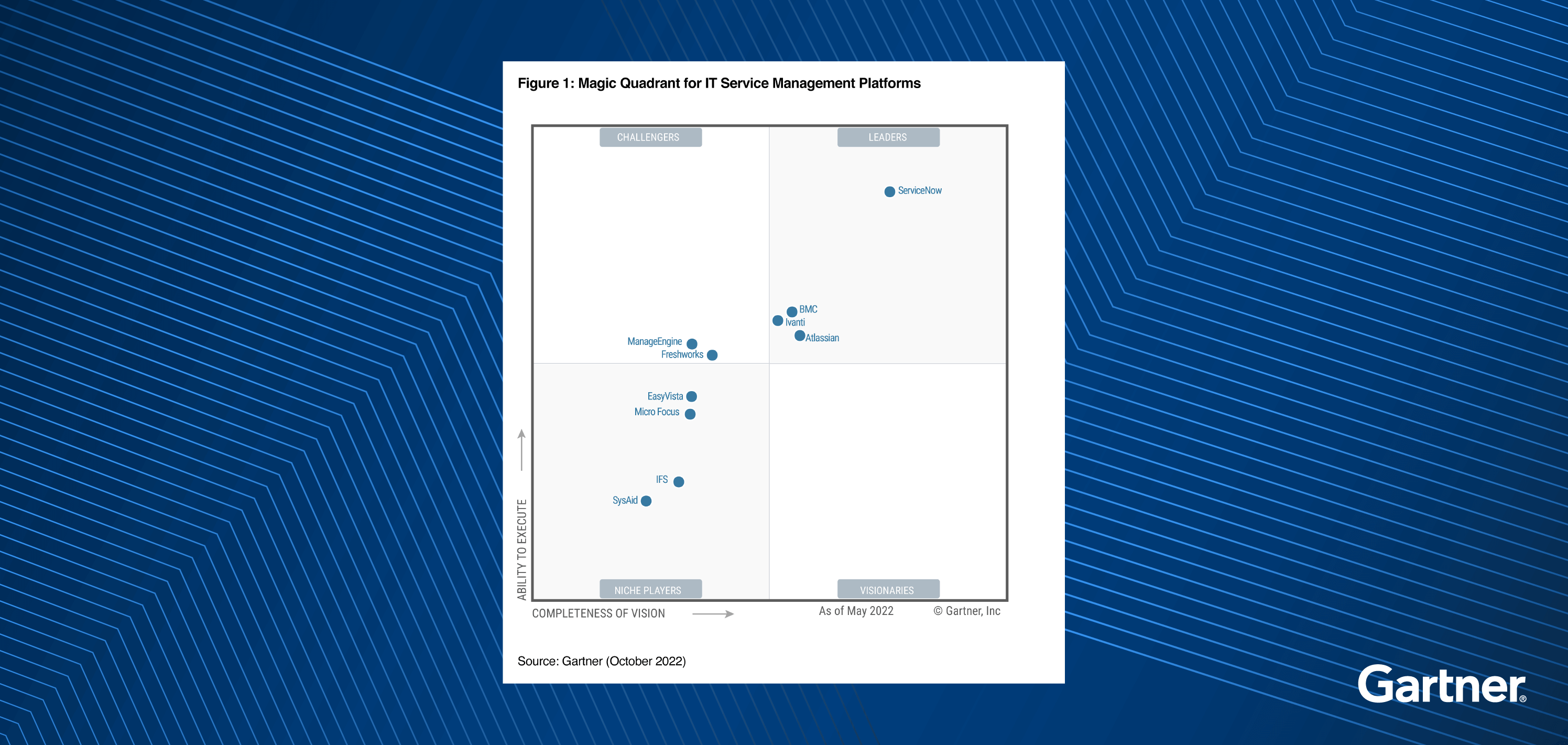
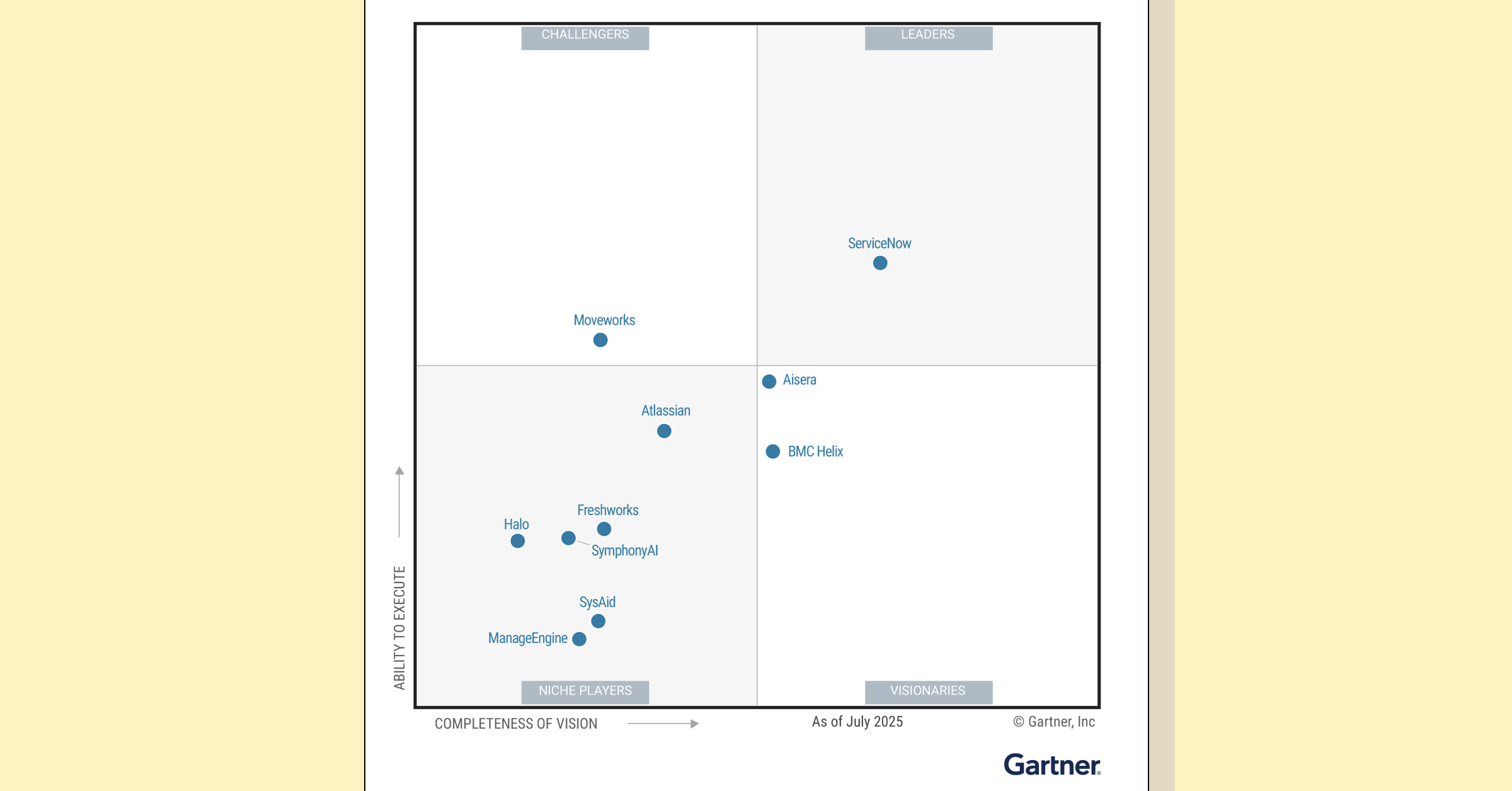
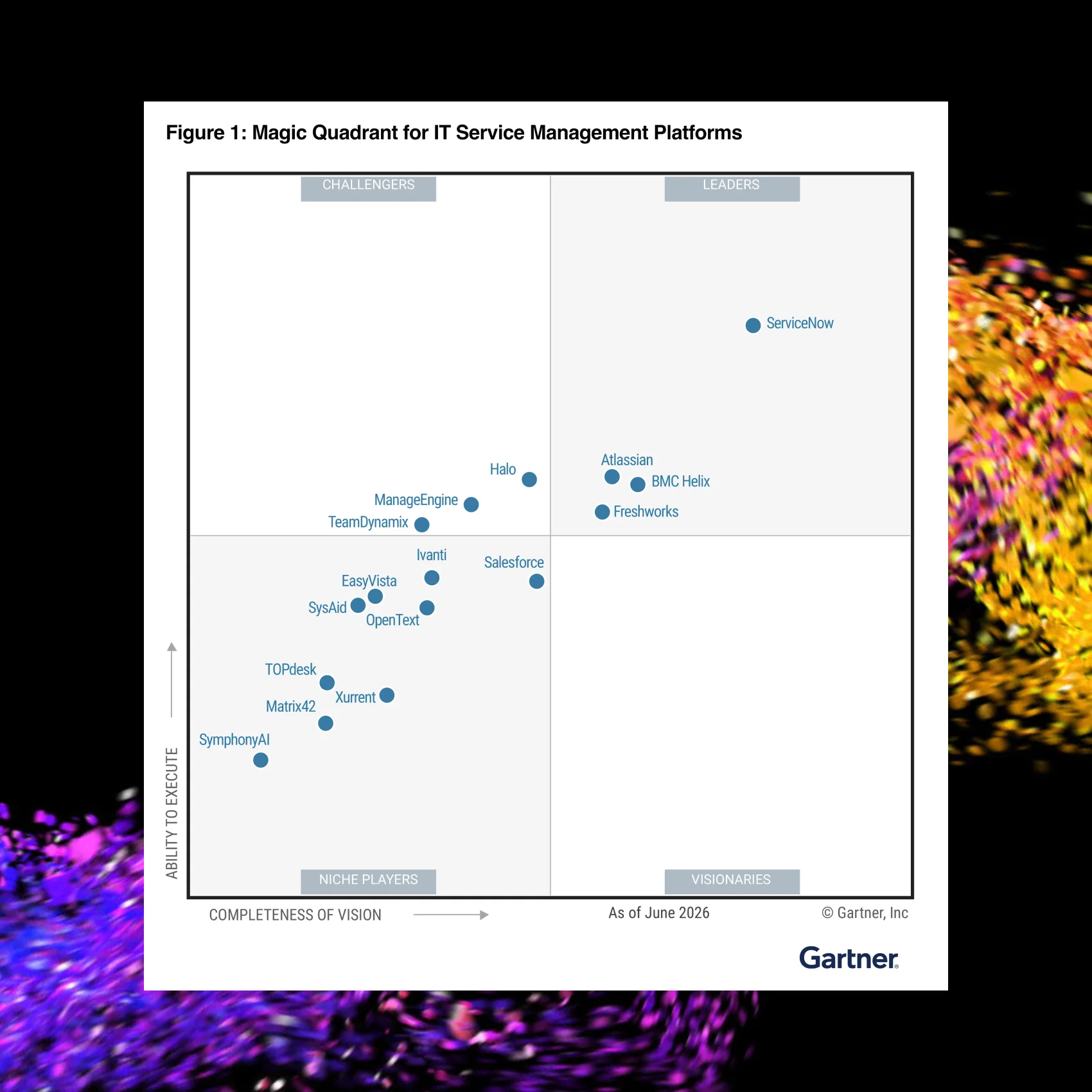
The Magic Quadrant for IT Service Management (ITSM) platforms is an annual market research publication by Gartner that evaluates vendors based on their ability to execute and their completeness of vision. Enterprise IT leaders use this...
The Magic Quadrant for IT Service Management (ITSM) platforms is an annual market research publication by Gartner that evaluates vendors based on their ability to execute and their completeness of vision. Enterprise IT leaders use this quadrant to benchmark software providers, assess market maturity, and inform long-term procurement decisions regarding service desk and support automation tools.
Contents
Understanding the Methodology behind the Magic Quadrant
The Magic Quadrant is not a popularity contest; it is a rigorous, evidence-based assessment of the technology landscape. Gartner evaluates vendors against specific criteria categorized into two primary axes: the "Ability to Execute" and the "Completeness of Vision."
The Ability to Execute axis measures how well a vendor succeeds in the real world. This includes product quality, customer experience, market responsiveness, sales execution, and overall financial viability. For an ITSM platform, this means evaluating how the software handles incident management, change management, and self-service portals, as well as how effectively the vendor supports its clients after the contract is signed.
The Completeness of Vision axis assesses the vendor’s understanding of the market. It examines whether the vendor anticipates future trends—such as the integration of generative AI for ticket deflection or the expansion of service management beyond IT into Enterprise Service Management (ESM)—and whether their product roadmap aligns with the evolving needs of digital businesses.
The Four Quadrants Defined
When evaluating the placement of an ITSM vendor, readers must understand the distinction between the four quadrants:
- Leaders: These vendors possess the highest ratings for both execution and vision. They typically offer robust, scalable platforms that cater to complex global enterprise needs and exhibit consistent growth.
- Challengers: These companies execute well today and often have significant market share. While their current product is stable and effective, they may be less focused on disruptive innovation or long-term market transformation compared to Leaders.
- Visionaries: These vendors understand the trajectory of the market and often introduce cutting-edge features. However, they may lack the scale, support infrastructure, or global footprint necessary to execute on that vision with the same consistency as a Leader.
- Niche Players: These vendors focus on specific segments or geographies. They are often highly effective for smaller organizations or specific use cases, though they may lack the breadth of features or ecosystem depth required for massive, cross-departmental enterprise deployments.
Strategic Considerations for Selecting an ITSM Platform
Selecting a tool based solely on its quadrant position is a common oversight. A vendor in the "Leader" quadrant may not be the optimal fit for every organization. When reviewing the Magic Quadrant for ITSM in 2026, consider the following tactical requirements:
- Deployment Architecture: Does the vendor support your organization’s cloud-native, on-premises, or hybrid requirements? Many modern ITSM platforms are SaaS-only, which may conflict with strict data sovereignty or regulatory requirements in certain jurisdictions.
- Total Cost of Ownership (TCO): Beyond the subscription fees, factor in implementation services, training costs, integration middleware, and the internal headcount required to manage the platform long-term.
- Platform Extensibility: Evaluate the REST API maturity and the marketplace availability of pre-built integrations. If your organization relies on specific ERP or CRM tools, the ease of connecting these to your ITSM workflow is a primary efficiency driver.
- AI and Automation Maturity: In 2026, the differentiation between platforms is increasingly defined by their use of Generative AI. Beyond basic chatbots, look for platforms that offer autonomous ticket categorization, intelligent incident routing, and predictive problem management.
Comparison of Core ITSM Capabilities
The following table provides a framework for comparing vendors, focusing on standard requirements expected by modern IT teams.
| Capability | Requirement Description | Business Impact |
|---|---|---|
| Incident Management | Automated routing and resolution tracking. | Reduced Mean Time to Repair (MTTR). |
| Change Management | Standard, normal, and emergency change workflows. | Minimization of operational downtime. |
| Asset Management (ITAM) | Integration of software and hardware inventory. | Optimization of licensing and hardware spend. |
| Self-Service Portal | AI-driven knowledge base and request forms. | Deflection of low-level service desk tickets. |
| Reporting/Analytics | Real-time dashboards and trend analysis. | Data-driven resource allocation. |
Common Pitfalls in Vendor Selection
A frequent mistake is over-prioritizing the "Leader" designation without conducting a Proof of Concept (POC). Large enterprise platforms are often "heavy," requiring extensive configuration and specialized administrative staff. If your team is lean, a platform that requires six months of consulting to implement may provide a lower Return on Investment (ROI) than a more agile, "Niche" solution that solves your specific operational bottlenecks faster.
Another common pitfall is ignoring the vendor's roadmap regarding the transition from traditional IT support to ESM. If your organization intends to expand service management to HR, Facilities, or Legal, ensure the platform’s licensing and UI are designed to handle non-IT workflows without requiring expensive custom development.
Frequently Asked Questions
1. Is the Magic Quadrant the only way to evaluate ITSM vendors? No. While it provides a high-level market overview, it should be supplemented with technical whitepapers, peer-review sites (such as Gartner Peer Insights), and your own internal requirements analysis.
2. Should we automatically choose a vendor in the Leader quadrant? Not necessarily. Leaders are often the most expensive and complex. If your requirements are focused on a specific, narrow use case, a Niche Player might offer better support and more favorable pricing.
3. How often is the Magic Quadrant for ITSM updated? Typically, the research is updated annually. Always ensure you are looking at the latest available version, as the ITSM market moves quickly regarding AI integration and cloud capabilities.
4. Does the Magic Quadrant include pricing information? No. Gartner does not include specific pricing data in the report because enterprise pricing is highly dependent on contract length, user volume, and specific module selection. You must contact the vendors directly for formal quotes.
5. What is the difference between ITIL compliance and platform capability? ITIL (Information Technology Infrastructure Library) provides the framework for best practices. A platform may be "ITIL-aligned," but your success depends on how well you configure that software to support your specific ITIL processes.
Next Steps for Your Procurement Process
To move forward, begin by documenting your organization’s "must-have" vs. "nice-to-have" features. Once your requirements are set, filter the vendors mentioned in the latest Magic Quadrant to create a short list of 3–4 candidates. Request a customized demo from these vendors that focuses on your top three pain points—not just their marketing presentations. Finally, verify the vendor's ability to support your geographical region by requesting customer references from organizations with a similar size and infrastructure profile to your own.
Image Gallery