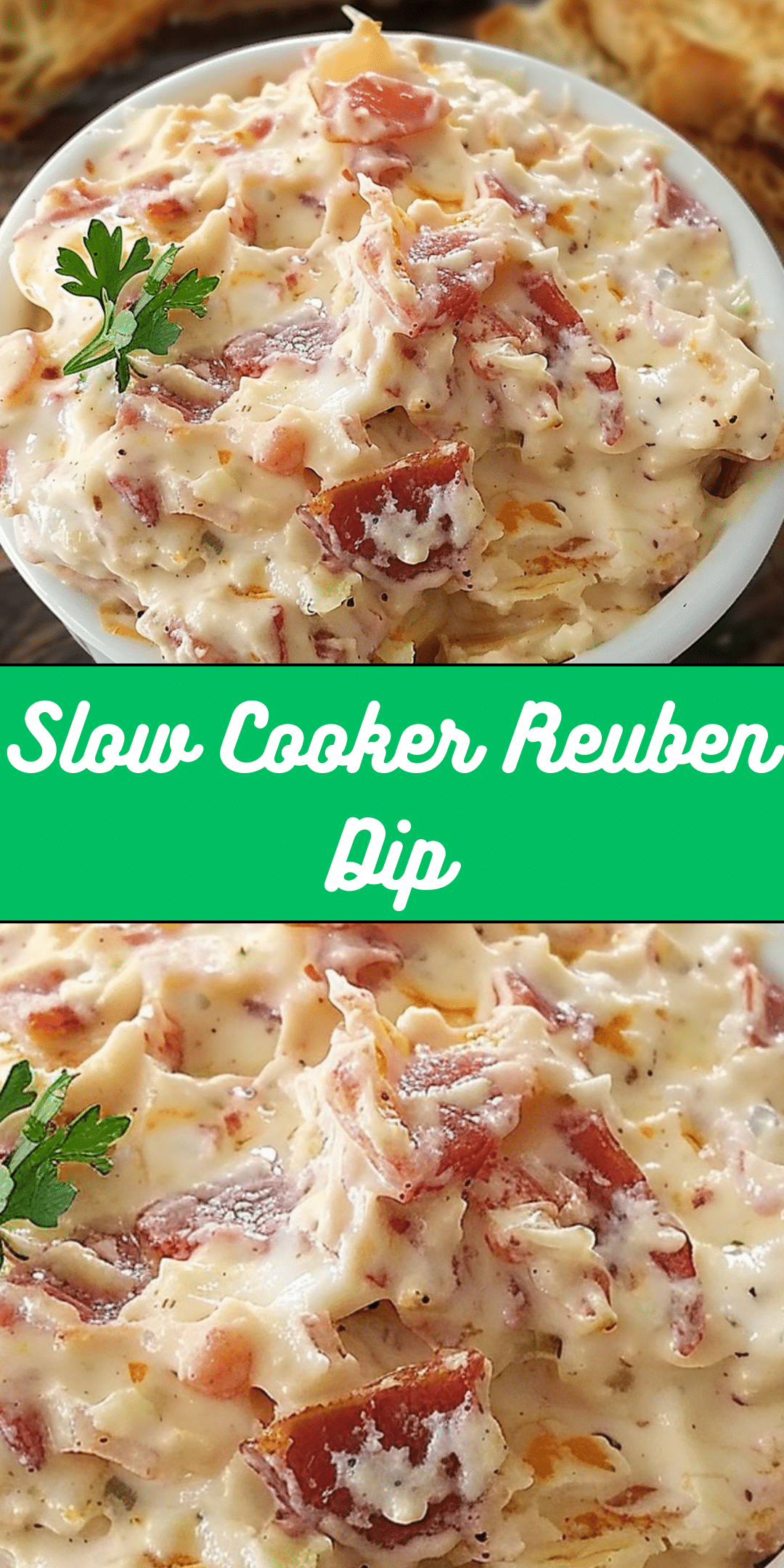
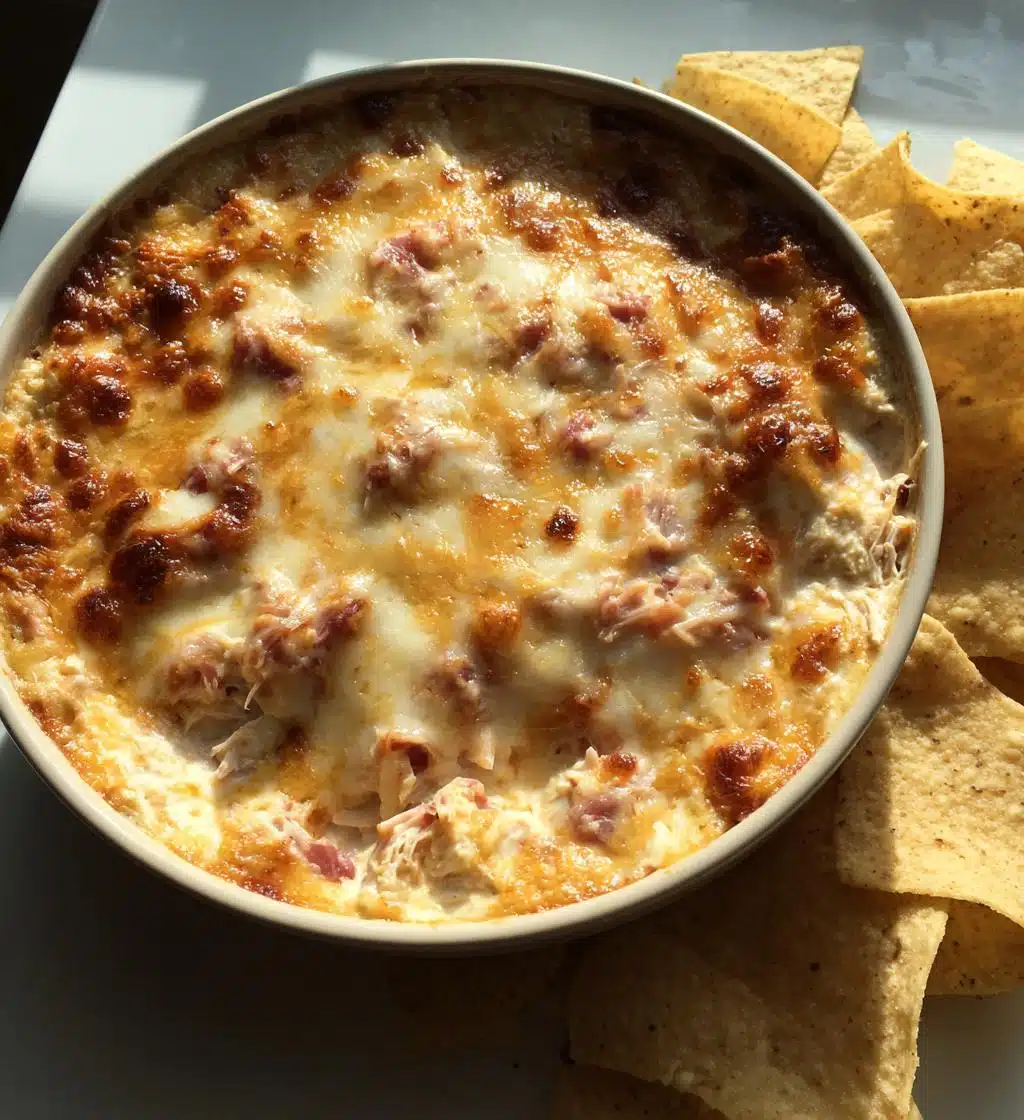
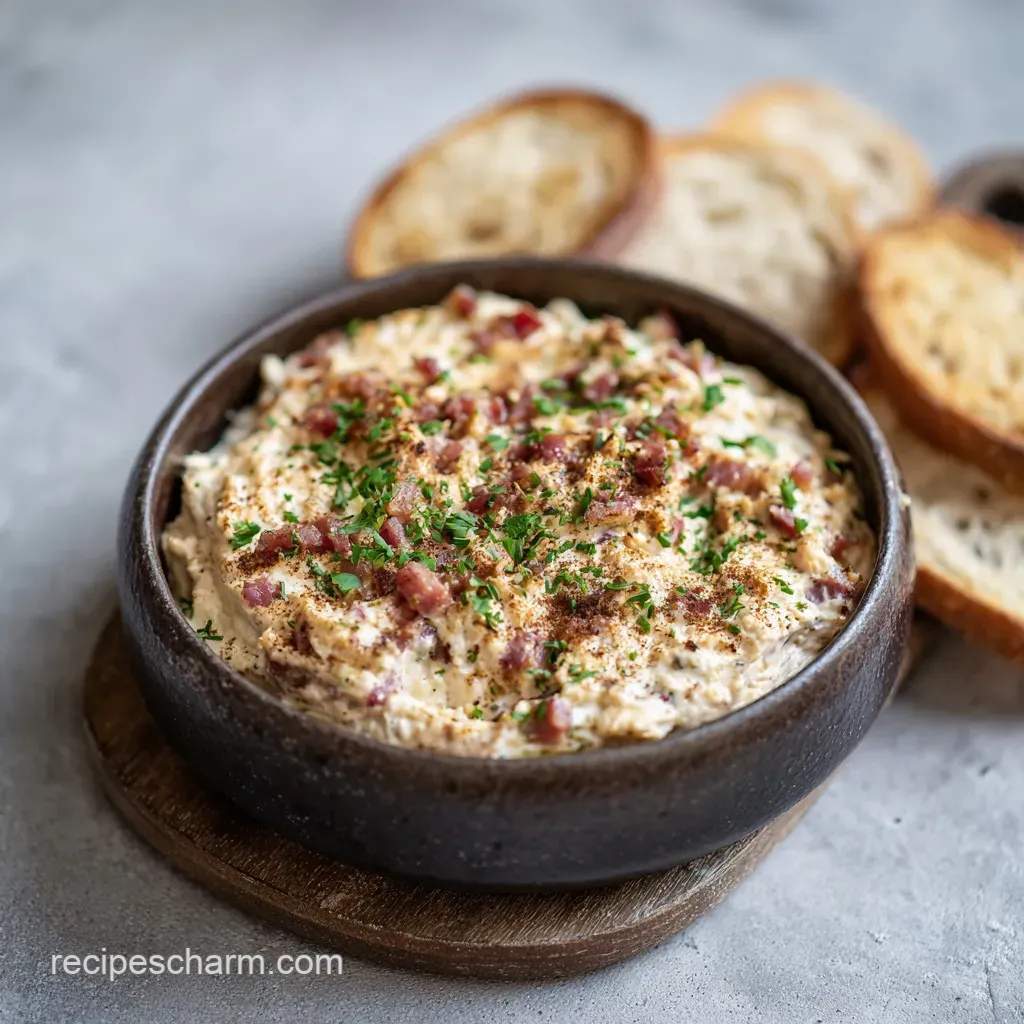
Why the Reuben Dip Slow Cooker Method Wins Every Party
The slow cooker Reuben dip wins every party because it provides a consistent, melt-in-your-mouth texture that oven-baked versions struggle to replicate. By utilizing a low-and-slow heating process, the sauerkraut’s acidity mellows, the...
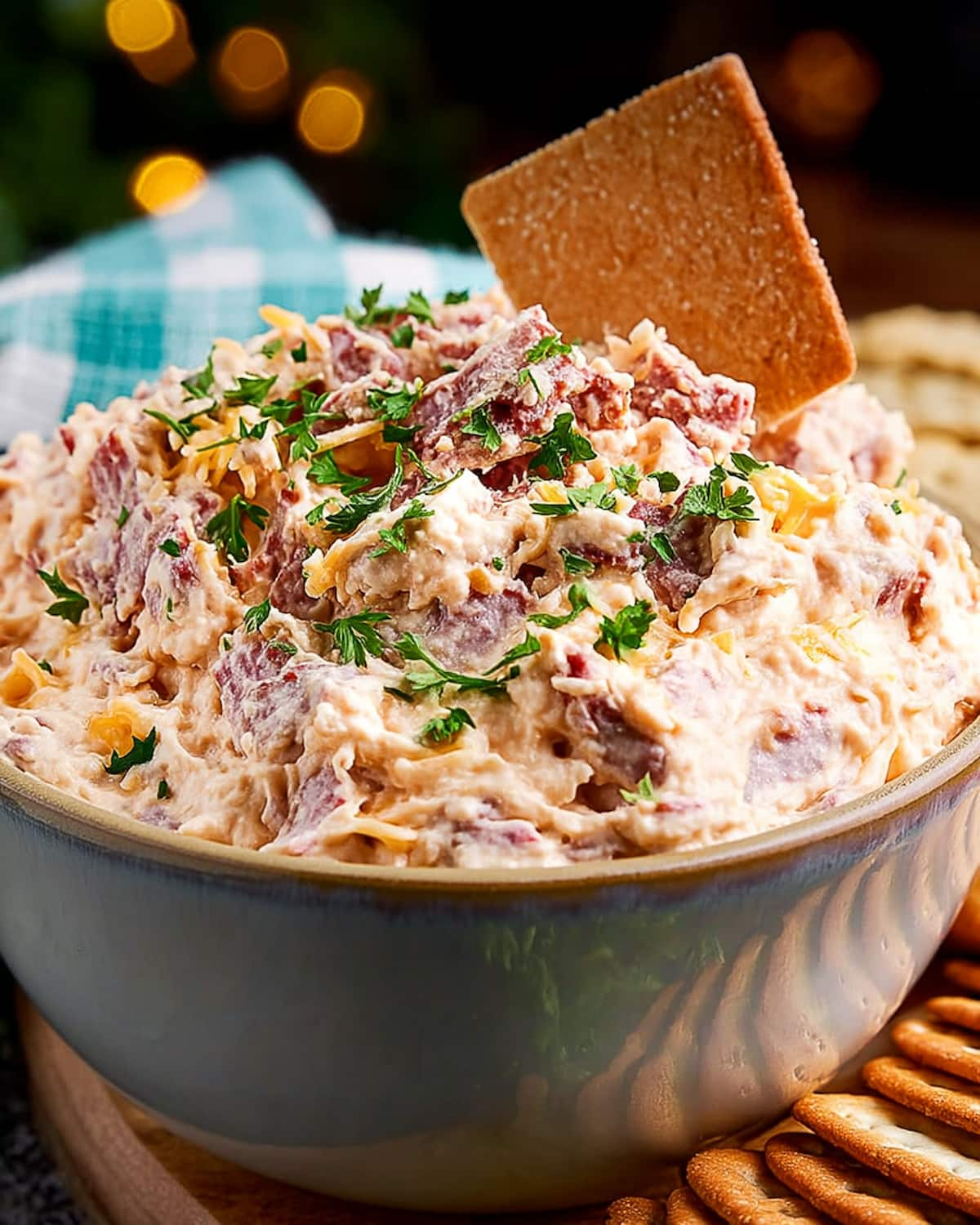
The slow cooker Reuben dip wins every party because it provides a consistent, melt-in-your-mouth texture that oven-baked versions struggle to replicate. By utilizing a low-and-slow heating process, the sauerkraut’s acidity mellows, the Swiss cheese achieves perfect elasticity, and the corned beef remains tender, all while offering the host a hands-off, "set and forget" convenience.
Contents
The Culinary Appeal of the Deconstructed Reuben
The Reuben sandwich is a cornerstone of American deli culture, traditionally consisting of corned beef, Swiss cheese, sauerkraut, and Russian dressing on rye bread. While the sandwich is a masterpiece of balance—salty, sour, creamy, and crunchy—it is notoriously difficult to serve at a party. Sandwiches grow soggy, the bread loses its toast, and the assembly is labor-intensive for large groups.
Deconstructing these classic flavors into a warm dip solves these logistical hurdles. When you transition these ingredients into a slow cooker, you create a communal experience. The dip format allows guests to customize their "sandwich-to-bread" ratio using rye crackers, toasted pumpernickel, or cocktail rye bread. In 2026, as home entertaining continues to favor casual, self-serve stations, the Reuben dip remains a top-tier choice because it appeals to the universal craving for comfort food while maintaining a sophisticated flavor profile.
Why the Slow Cooker is the Superior Vessel
While many recipes suggest baking Reuben dip in the oven, the slow cooker offers several technical advantages that directly impact the quality of the final product.
Temperature Maintenance and Consistency
In an oven, the edges of a cheese-based dip often become brown and crusty while the center remains luke-warm. Once removed from the oven, the dip begins to cool immediately, leading to a "congealed" texture within 20 minutes. A slow cooker, conversely, provides a steady, low-intensity heat source. By using the "Warm" setting after the initial melt, the dip stays at an optimal viscosity for the duration of the event. This prevents the Swiss cheese from hardening and ensures every guest, from the first to the last, receives the same experience.
Flavor Melding and Moisture Retention
The closed environment of a slow cooker traps steam, which is essential for a dip containing sauerkraut and cream cheese. In an oven, moisture evaporates, which can lead to a greasy separation of fats. In a slow cooker, the flavors of the corned beef brine and the tang of the Thousand Island dressing have time to permeate the cream cheese base. This "low and slow" approach softens the fibers of the corned beef, making it more integrated into the dip rather than remaining as distinct, chewy chunks.
Essential Ingredients: The Science of the Build
To ensure the Reuben dip "wins" the party, one must understand the role of each ingredient. Substitutions are possible, but the chemistry of the original components is what creates the iconic flavor profile.
- The Base: Cream Cheese and Sour Cream: These provide the structural integrity of the dip. Use full-fat versions for the best emulsion. Lower-fat alternatives often break under prolonged heat, resulting in a watery consistency.
- The Protein: Corned Beef: For the best results, use high-quality deli corned beef sliced into thick ribbons or finely diced. Canned corned beef is an option for convenience, but it lacks the textural contrast provided by fresh brisket. If using leftover home-cooked corned beef, ensure it is trimmed of excess hard fat.
- The Acid: Sauerkraut: This is the most misunderstood ingredient. It must be drained and squeezed dry. Excess moisture from the kraut is the leading cause of a "soupy" dip. In 2026, artisanal, fermented sauerkrauts are popular; however, for this dip, a traditional canned or jarred kraut often works better because it is more shelf-stable under heat.
- The Fat: Swiss Cheese: Swiss cheese provides the signature nutty flavor. It has a relatively high melting point, which is why it benefits from the consistent heat of the slow cooker. Grating your own cheese from a block is superior to pre-shredded varieties, as the latter are coated in cellulose to prevent clumping, which can interfere with a smooth melt.
- The Binder: Thousand Island vs. Russian Dressing: While Russian dressing is the historical standard for a Reuben, Thousand Island is more common in dip recipes due to its sweetness, which balances the saltiness of the beef. The pickles in the dressing add a necessary textural element.
Comparison of Preparation Methods
The following table compares the slow cooker method against other common preparation techniques to illustrate why it remains the gold standard for social gatherings.
| Feature | Slow Cooker (Crock-Pot) | Oven-Baked | Microwave |
|---|---|---|---|
| Active Labor | Minimal (Dump and go) | Moderate (Monitoring) | Low |
| Heat Distribution | Exceptional/Uniform | Peripheral (Edges cook fast) | Uneven (Hot spots) |
| Serving Longevity | 4+ Hours (on Warm) | 20-30 Minutes | 5-10 Minutes |
| Texture Result | Creamy and melded | Crusty edges, soft center | Often chewy or oily |
| Portability | High (Self-contained) | Low (Needs trivets/wraps) | N/A |
| Flavor Depth | High (Longer infusion) | Medium | Low |
Step-by-Step Execution for Maximum Impact
Success with a slow cooker Reuben dip depends more on the "how" than the "what." Following a specific order of operations prevents common pitfalls like curdling or grease pooling.
Preparation and Layering
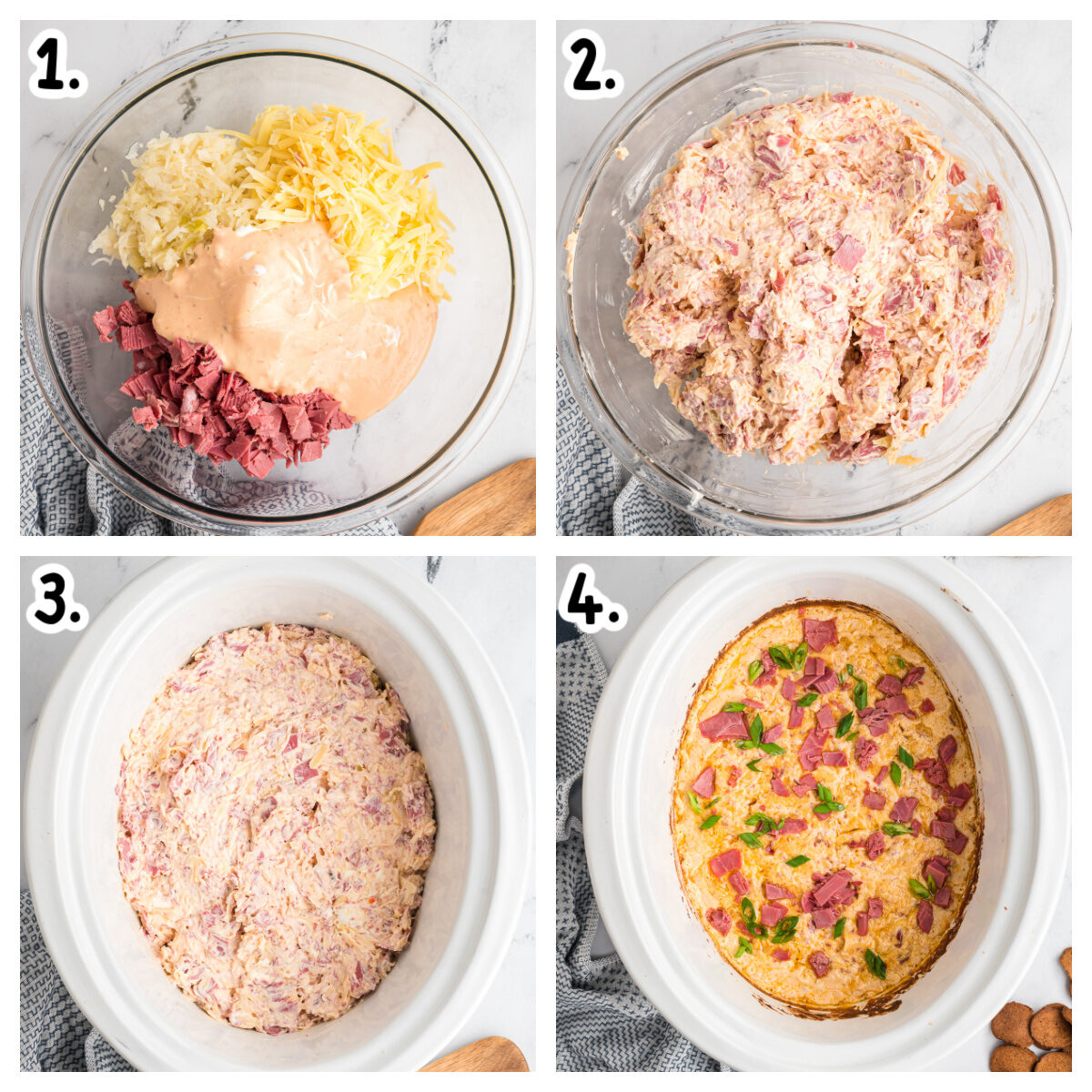
Begin by softening the cream cheese to room temperature before adding it to the slow cooker. Cold cream cheese takes significantly longer to melt and may result in small, unappealing white lumps. Layer the ingredients by starting with the cream cheese and sour cream at the bottom, followed by the dressing, then the kraut and beef, and finally the Swiss cheese on top.
The Cooking Process
Set the slow cooker to Low for 1.5 to 2 hours. Avoid using the "High" setting if possible. High heat can cause the proteins in the cheese to tighten and push out the fat, leading to a greasy layer on top. Once the cheese is fully melted and the center is bubbling, stir the mixture thoroughly to incorporate the layers.
Transition to Serving
After the initial cook, switch the device to the Warm setting. If the dip appears too thick, a tablespoon of heavy cream or a splash of sauerkraut juice can be stirred in to reach the desired consistency.
Troubleshooting Common Issues
Even with the reliability of a slow cooker, certain variables can affect the outcome.
- Excessive Oil: If a layer of oil forms on top, it is usually because the cheese was heated too quickly or the corned beef had too much external fat. To fix this, blot the surface with a paper towel and stir in a small amount of sour cream to re-emulsify.
- The Dip is Too Salty: Corned beef and sauerkraut are both high-sodium ingredients. To mitigate this, always rinse the sauerkraut under cold water before squeezing it dry. This removes the harshest brine.
- Bland Flavor: If the dip lacks "punch," it usually needs more acidity. Add a teaspoon of Dijon mustard or a few drops of Worcestershire sauce to brighten the profile.
Serving Suggestions and Pairings
The "win" at a party is often determined by what you serve with the dip. Since the Reuben dip is heavy and savory, it requires sturdy, flavorful dippers.
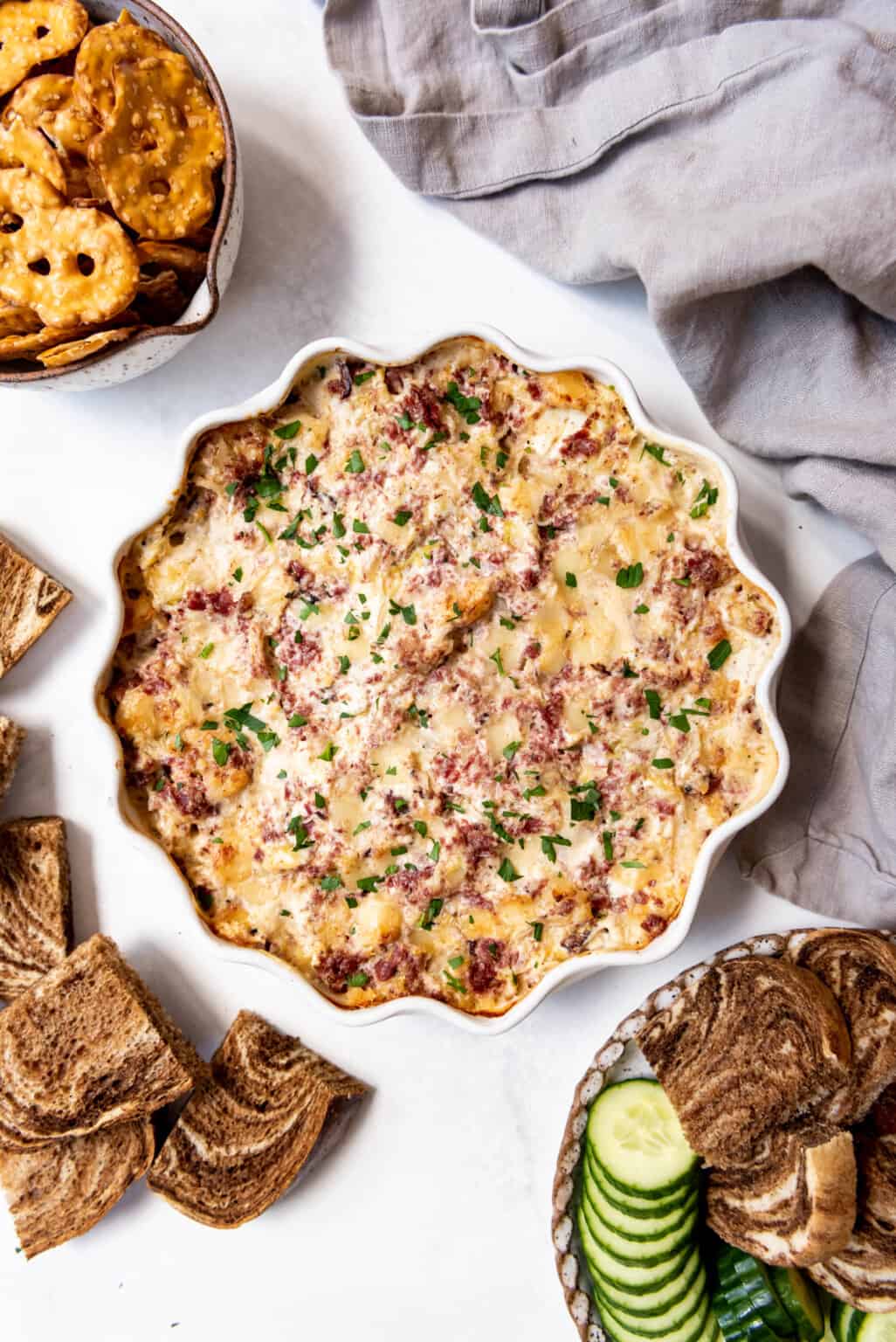
- Breads: Toasted cocktail rye, pumpernickel squares, or even sourdough crostini provide the necessary structure.
- Crackers: Rye-flavored crackers or multi-grain crisps work well.
- Vegetables: For a lower-carb option, offer thick cucumber slices or celery sticks. The crunch of the vegetables provides a refreshing contrast to the rich dip.
- Beverage Pairings: This dip pairs exceptionally well with medium-bodied beers like Ambers or Irish Reds. For wine enthusiasts, a Riesling or a dry Rosé offers enough acidity to cut through the fat of the cheese and beef.
Frequently Asked Questions
Can I make Reuben dip ahead of time?
Yes, you can assemble the ingredients in the slow cooker crock the night before and store it in the refrigerator. However, ensure you increase the cooking time by approximately 30 minutes to account for the cold starting temperature of the stoneware.
Can I use pastrami instead of corned beef?
Pastrami is a valid substitute and offers a smokier, more peppery flavor profile. Because pastrami is usually leaner than corned beef, you may find the dip slightly less rich, but the flavor is highly compatible with the other ingredients.
How long can the dip safely stay in the slow cooker?
According to general food safety guidelines, perishable food should not sit between 40°F and 140°F for more than two hours. By keeping the slow cooker on the "Warm" setting (which typically maintains a temperature between 145°F and 165°F), you can safely serve the dip for 4 to 6 hours.
What is the best way to reheat leftovers?
Reheating is best done in the slow cooker on low or in a heavy-bottomed saucepan over low heat on the stove. Adding a splash of milk or cream helps restore the creamy texture that is often lost when the fats solidify in the fridge.
Is there a vegetarian version of this dip?
You can create a "Michigan Reuben" style dip by replacing the corned beef with finely chopped smoked tempeh or sautéed mushrooms seasoned with pickling spices. The sauerkraut and Swiss cheese will still provide the core "Reuben" identity.
Final Recommendation for Hosts
To ensure your Reuben dip is the highlight of the event, focus on the quality of your Swiss cheese and the thoroughness of your sauerkraut drainage. The slow cooker handles the heat, but the host handles the balance. Serve the dip alongside a variety of toasted breads to cater to different textures, and always keep the lid nearby to cover the dip during lulls in the party to maintain moisture.
Image Gallery