Understanding Permanent Life Insurance: Policies That Combine Protection with Cash Value
Permanent life insurance is a broad category of financial products designed to provide a lifelong death benefit while simultaneously accumulating a cash value component. Unlike term life insurance, which only covers you for a set numbe...
Permanent life insurance is a broad category of financial products designed to provide a lifelong death benefit while simultaneously accumulating a cash value component. Unlike term life insurance, which only covers you for a set number of years, permanent policies are intended to remain in force until your death, provided premiums are paid, and they offer a tax-advantaged way to build savings alongside your insurance coverage.
Contents
The Mechanism of Cash Value Accumulation
At its core, a permanent life insurance policy functions as two distinct financial instruments bundled into one contract: the insurance protection and the cash value account. When you pay your premiums, a portion of the payment covers the cost of insurance and the administrative expenses of the carrier. The remainder is credited to the policy’s cash value account.
This account grows over time, often through fixed interest rates or market-linked performance, depending on the specific product type. Because the growth of this cash value is typically tax-deferred, it can become a significant asset over the long term. Policyholders can generally access these funds through policy loans or withdrawals, which can be used to supplement retirement income, fund education, or manage unexpected financial emergencies. It is important to note that taking loans or withdrawals can reduce the death benefit if not repaid, and in some cases, can lead to the policy lapsing if the cash value is depleted entirely.
Types of Permanent Life Insurance
Not all policies that accumulate cash value operate the same way. The primary differences lie in how the cash value is invested and how flexible the policy terms are regarding premiums and death benefits.
Whole Life Insurance
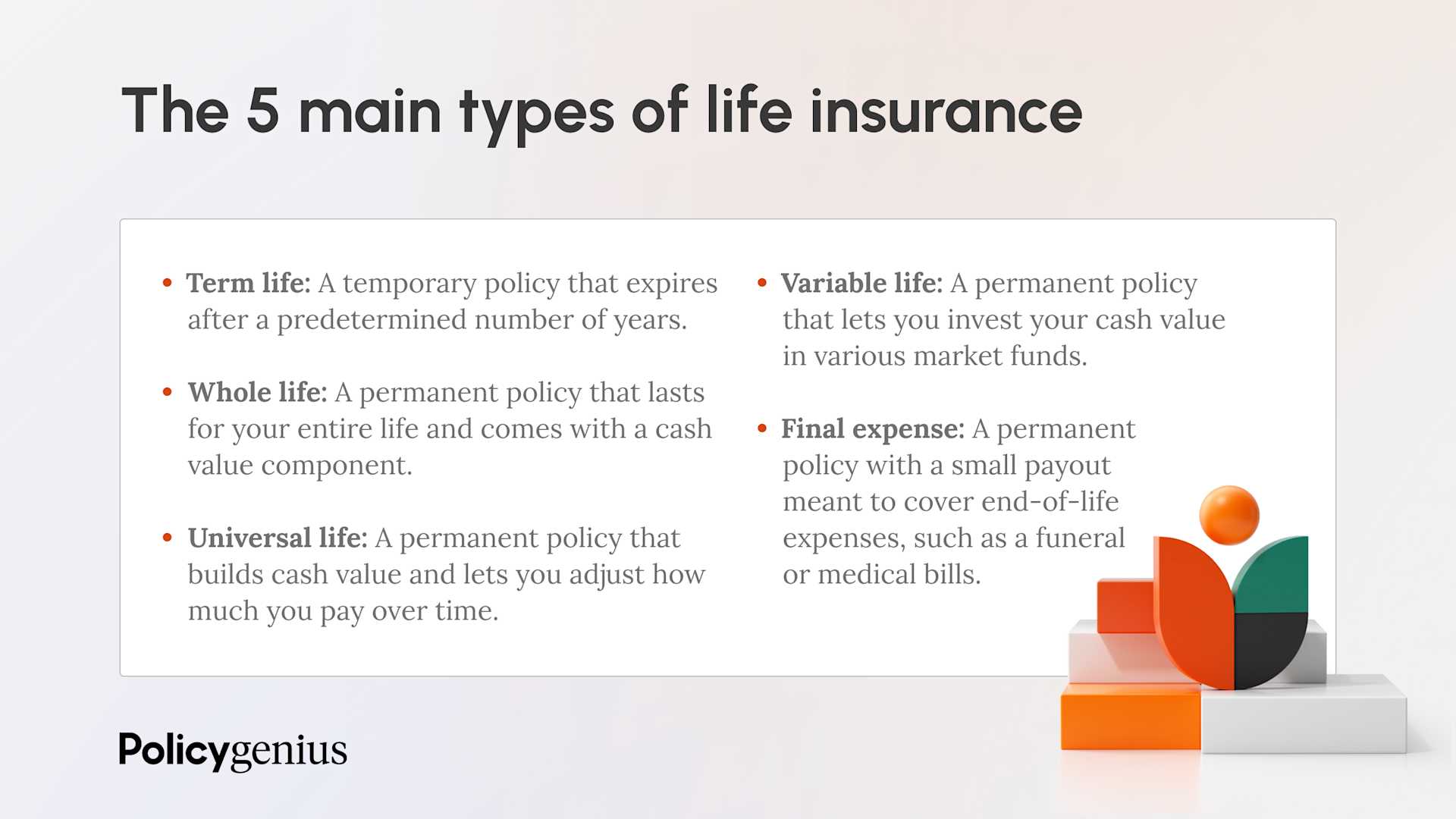
Whole life insurance is the most traditional form of permanent coverage. It provides a guaranteed death benefit, guaranteed level premiums, and a guaranteed cash value growth rate. The insurer manages the investment of the assets backing these policies. Because the risk of market volatility remains with the insurance company, whole life insurance is generally the most expensive option, but it offers the highest level of predictability for the policyholder. Many whole life policies from mutual companies also offer the potential for dividends, which are distributions of surplus funds that can be used to increase the cash value or reduce future premiums.
Universal Life (UL) Insurance
Universal life insurance offers more flexibility than whole life. It allows the policyholder to adjust their premiums and, within certain limits, their death benefit over the lifetime of the policy. The cash value in a standard universal life policy typically earns interest based on the current market rates set by the insurer. Because the policyholder assumes more risk regarding the adequacy of the cash value to cover future costs, maintaining a universal life policy requires active monitoring to ensure the account has sufficient funds to keep the policy in force.
Variable Universal Life (VUL) Insurance
VUL policies are the most complex form of permanent insurance. They combine the premium flexibility of universal life with investment options that allow the policyholder to allocate cash value into various sub-accounts, similar to mutual funds. This means the cash value can grow significantly if the chosen investments perform well, but it can also decline if the market performs poorly. This type of insurance is typically better suited for individuals who are comfortable with market risk and have a higher tolerance for potential volatility.
Indexed Universal Life (IUL) Insurance
Indexed universal life insurance is a hybrid that bridges the gap between traditional universal life and variable life. The cash value growth is linked to a specific market index, such as the S&P 500. While the growth is tied to the index, the policy often includes a "floor"—a guaranteed minimum interest rate that prevents the cash value from losing money due to market declines. However, these policies also often feature "caps," which limit the maximum interest that can be earned during high-growth periods.
Comparison of Permanent Life Insurance Structures
| Feature | Whole Life | Universal Life | Indexed Universal Life | Variable Universal Life |
|---|---|---|---|---|
| Premium Payments | Fixed | Flexible | Flexible | Flexible |
| Death Benefit | Guaranteed | Adjustable | Adjustable | Adjustable |
| Cash Value Growth | Guaranteed | Fixed rate | Linked to Index | Investment Sub-accounts |
| Risk Level | Low | Low to Moderate | Moderate | High |
Strategic Considerations and Risks
Deciding whether a permanent life insurance policy fits your financial plan requires a careful examination of your long-term goals. Because these policies include a savings component, they carry higher administrative costs and commissions compared to term insurance.
The Cost of Internal Expenses
Policyholders should be aware of the "cost of insurance" (COI) charges. These are the fees the insurer deducts from your cash value to pay for the death benefit coverage. In early policy years, a substantial portion of your premium goes toward these costs. It usually takes several years for the cash value to reach a point where it meaningfully grows beyond the cumulative premiums paid.
Tax Implications
The primary tax advantage of these policies is the tax-deferred growth of the cash value. Furthermore, the death benefit paid to beneficiaries is generally income-tax-free. However, if a policy is surrendered for more than the total premiums paid, the gain is typically subject to ordinary income tax. Additionally, if a policy becomes a Modified Endowment Contract (MEC)—usually because premiums are paid too quickly—it loses some of its favorable tax status regarding loans and withdrawals.
When to Seek Professional Advice
Given the complexity of permanent insurance, consulting with a fee-based financial advisor or a licensed insurance professional is strongly recommended. They can perform a "needs analysis" to determine if the death benefit amount is appropriate for your family's needs and help you model the long-term cash value projections based on varying assumptions. Financial professionals can also help you compare illustrations from multiple insurers to ensure you are not overpaying for coverage.
Frequently Asked Questions
Does the cash value belong to me or the insurance company? The cash value is an asset built within your policy. While the insurance company holds and manages the underlying assets, you have a contractual right to access that value through loans or withdrawals according to the terms of your specific policy agreement.
What happens if I stop paying premiums? If you stop paying premiums, the policy may lapse unless there is sufficient cash value to cover the ongoing cost of insurance. If the cash value is high enough, some policies allow for an "automatic premium loan" or a "reduced paid-up" option where the policy continues with a smaller, permanent death benefit.
Can I convert a term policy to a permanent one? Many term life policies include a "conversion rider" that allows you to swap your term coverage for a permanent policy without undergoing a new medical exam. This is a common strategy for people who initially buy term insurance but later decide they want the lifelong protection and cash value features of a permanent policy.
Are there limits to how much I can contribute to the cash value? Yes, there are federal tax guidelines regarding how much money can be paid into a policy relative to the death benefit. If you contribute too much, the policy may be classified as a Modified Endowment Contract (MEC), which changes how you are taxed on the cash value.
How does the death benefit relate to the cash value? In many cases, the death benefit is the amount you selected when you bought the policy. When you pass away, the insurance company pays the death benefit to your beneficiaries and keeps the cash value. However, some policies offer "increasing death benefit" options where the cash value is added to the face amount of the policy.
Next Steps for Evaluating Coverage
To determine which policy best suits your needs, start by gathering your current financial statements and outlining your primary objectives. If your goal is strictly death benefit protection, term insurance is often the most cost-effective tool. If you have already maximized contributions to tax-advantaged accounts like 401(k)s and IRAs and are seeking additional tax-deferred growth with a secondary death benefit, permanent life insurance may provide a beneficial hedge. Request an "in-force illustration" from your current provider if you already hold a policy, or ask for a "pro-forma" illustration from a prospective insurer to visualize how the cash value is expected to grow under different scenarios.
Image Gallery