Understanding the Lucas Oil Stadium Retractable Roof Operations
The Lucas Oil Stadium, located in downtown Indianapolis, Indiana, features a sophisticated retractable roof system that defines the facility's versatility. Designed to operate under specific weather and safety parameters, the roof’s op...
The Lucas Oil Stadium, located in downtown Indianapolis, Indiana, features a sophisticated retractable roof system that defines the facility's versatility. Designed to operate under specific weather and safety parameters, the roof’s opening and closing process is a mechanical feat that transforms the environment from a climate-controlled indoor arena into an open-air stadium, typically during favorable weather conditions for Indianapolis Colts games or special events.
Contents
Architectural and Engineering Overview
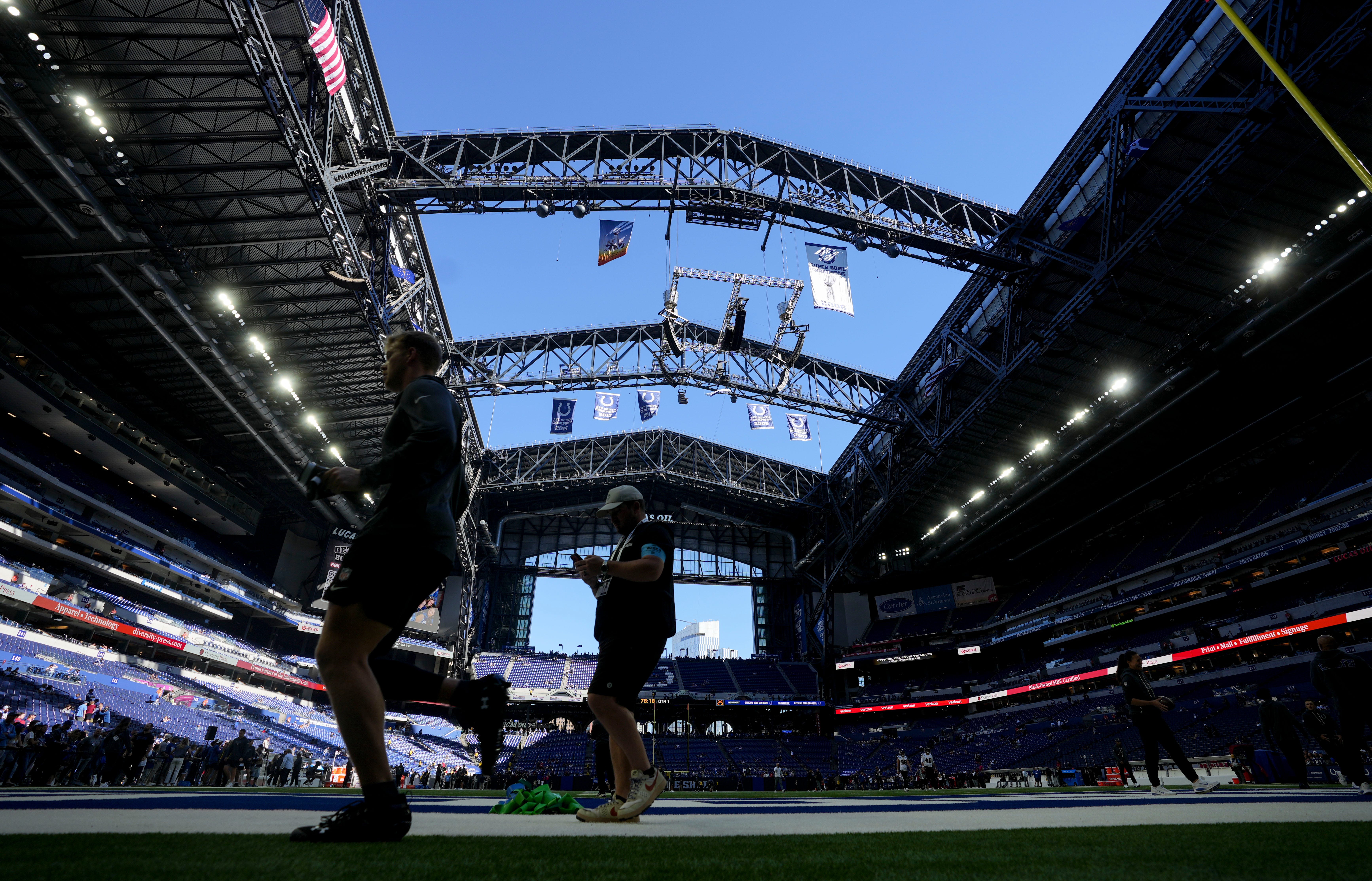
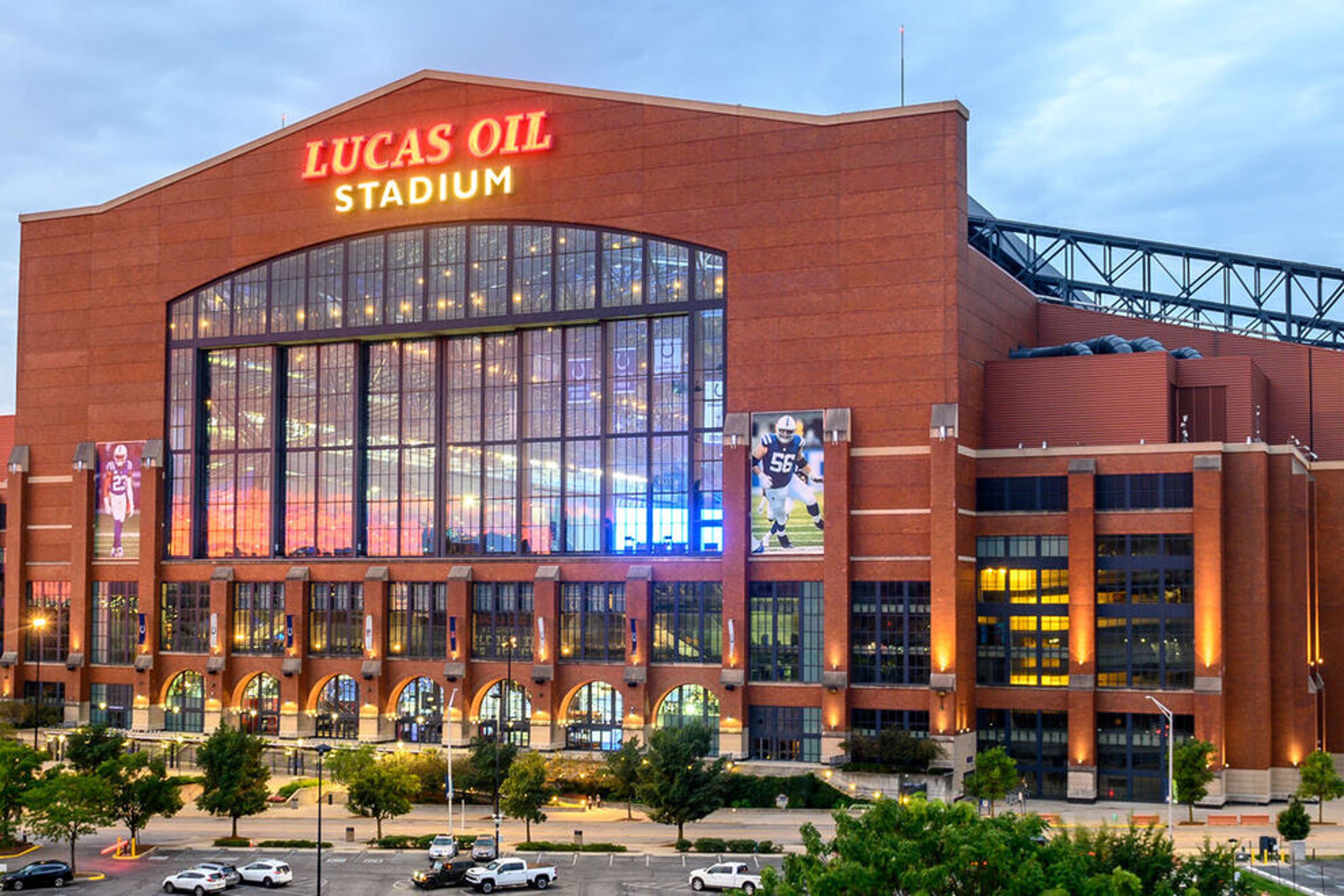
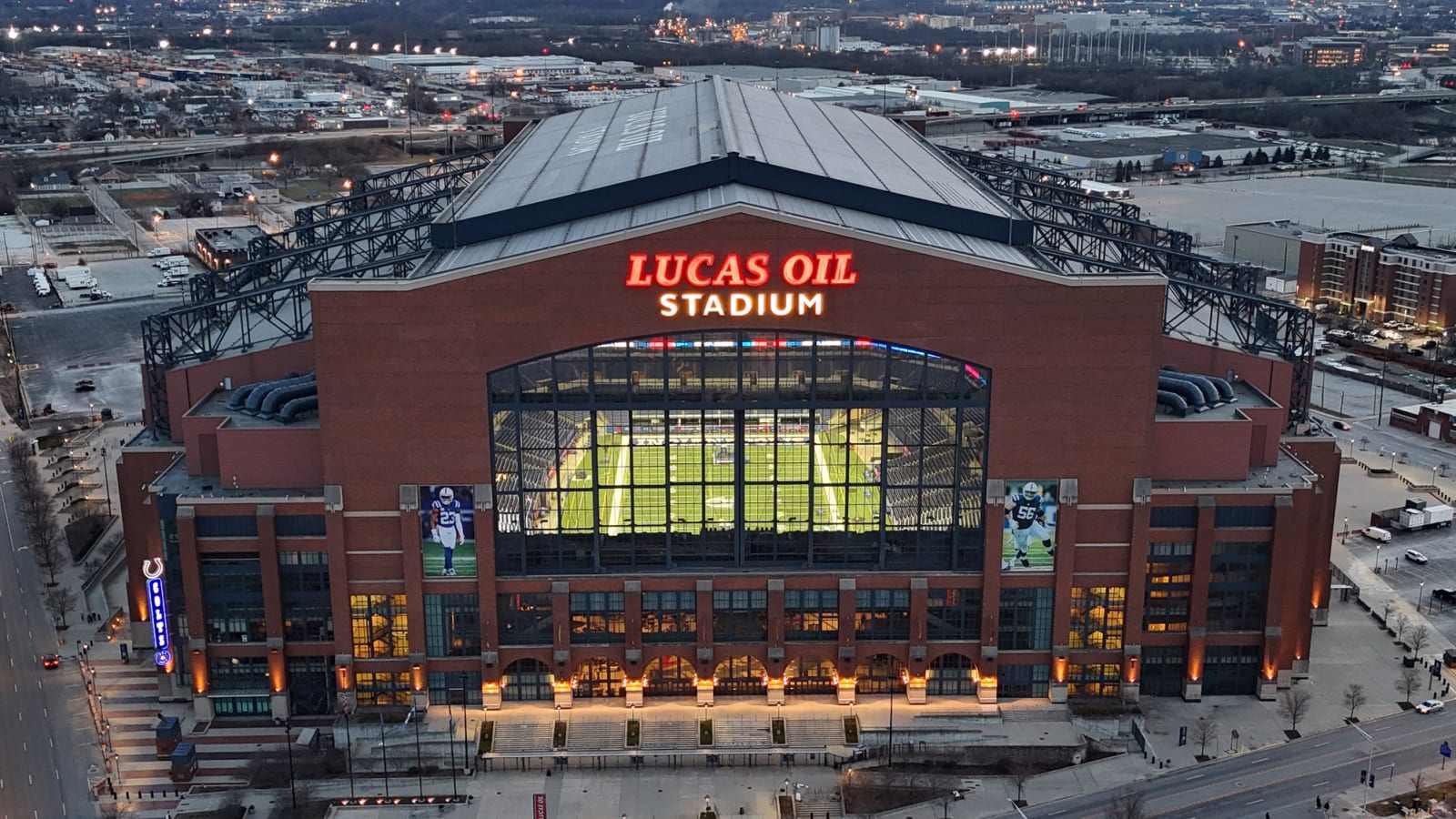
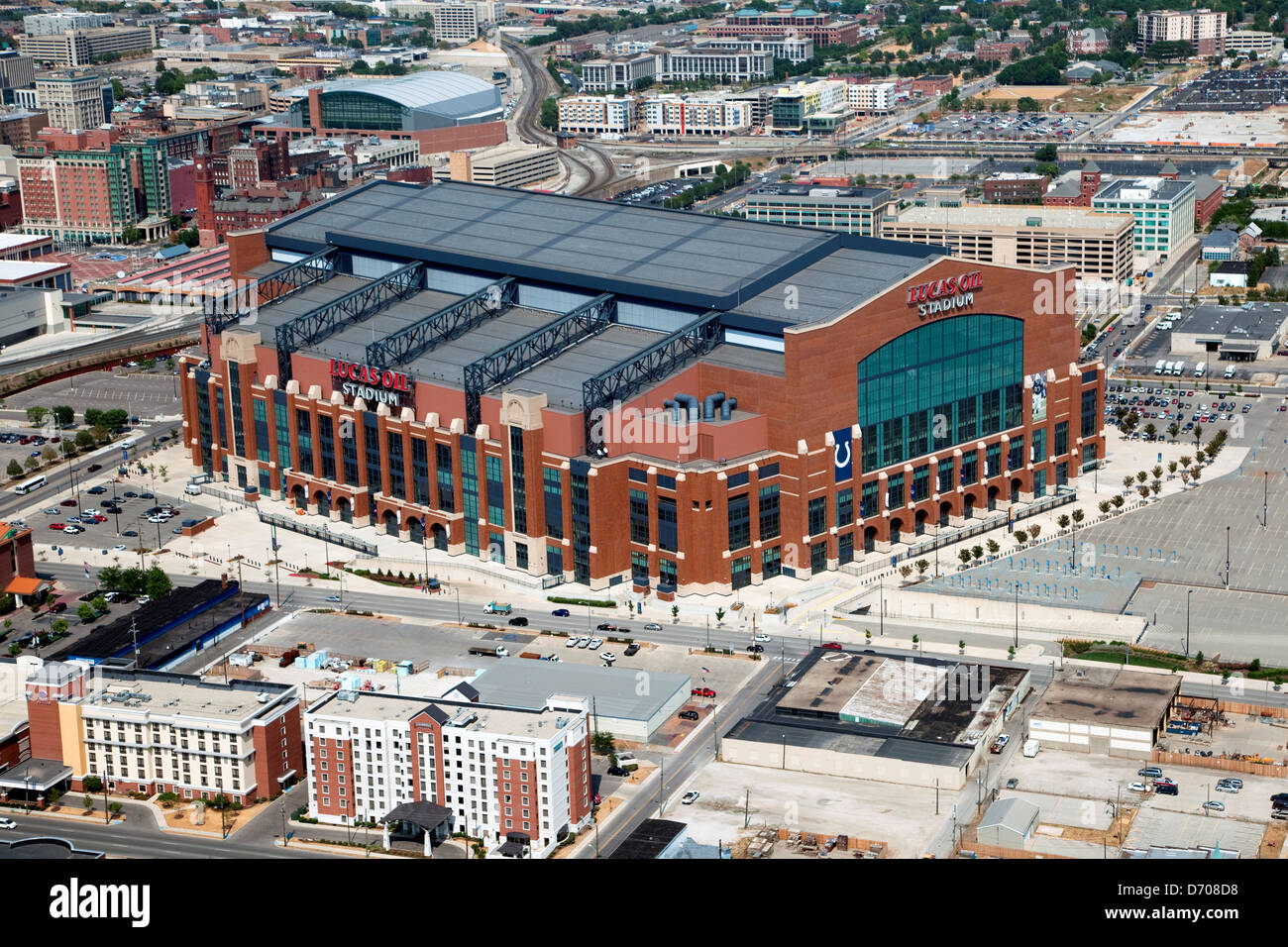
Lucas Oil Stadium, which opened in 2008, was engineered by HKS, Inc. as a multi-purpose venue. The defining feature of its architectural identity is the retractable roof, which consists of two massive panels—each weighing approximately 2.5 million pounds. These panels are constructed from a structural steel frame covered in a specialized fabric, allowing them to glide over the stadium’s permanent structure.
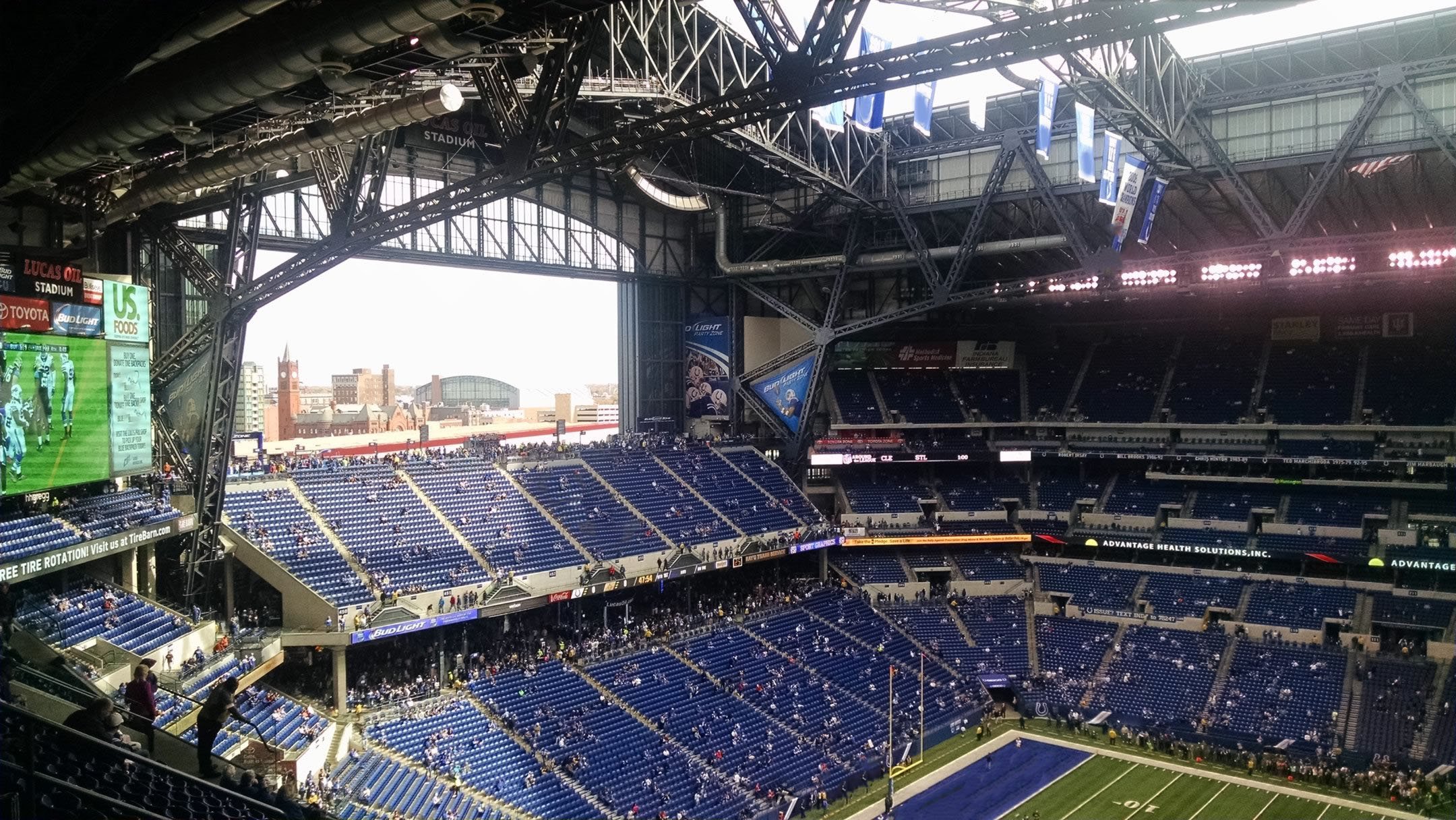
The mechanical system relies on a series of electric motors and wheel assemblies that track along rails atop the stadium’s upper bowl. When the command is given to open the roof, the two panels move horizontally in opposite directions, eventually coming to rest over the north and south ends of the stadium. This design was chosen specifically to minimize the footprint of the roof structure while maximizing the visual impact of the open-air experience. The integration of this system into the building’s overall aesthetic ensures that when the roof is closed, the transition is seamless, maintaining a pressurized, climate-controlled atmosphere suitable for year-round events.
Operational Criteria and Decision-Making
Operating the roof at Lucas Oil Stadium is not a decision taken lightly; it is governed by a strict set of protocols dictated by the National Football League (NFL) and stadium management. The primary concern is the safety of players, coaches, staff, and spectators.
Several technical and environmental variables determine if the roof will be opened:
- Temperature: Ambient air temperature must be sufficiently mild. If the temperature is too low, the energy required to heat the interior once the roof is closed becomes prohibitive. Conversely, extreme heat necessitates closing the roof to maintain air conditioning efficiency.
- Precipitation: The presence of rain, snow, or even a high probability of severe weather in the immediate forecast will prevent the roof from opening or necessitate a prompt closing.
- Wind Conditions: High-velocity winds pose a mechanical risk to the track assemblies and the roof structure itself. Sensors placed around the stadium monitor wind speeds; if they exceed safe operating thresholds, the panels must remain locked in place.
- Humidity: High humidity levels can affect the comfort of the bowl and the integrity of the playing surface, which is often a factor in the decision to keep the climate-controlled system active.
Management typically makes the final determination 90 minutes prior to kickoff for NFL games, following consultations with league officials and meteorological experts.
Comparison of Stadium Roof Configurations
The following table outlines how the Lucas Oil Stadium retractable system compares to other prominent stadium configurations.
| Stadium Type | Mechanism | Primary Advantage | Operational Limitation |
|---|---|---|---|
| Retractable (Lucas Oil) | Horizontal sliding panels | Seamless open-air transition | Mechanical complexity/wind limits |
| Fixed Roof | Solid structure | Total climate control | No open-air capability |
| Permanent Open-Air | None | Traditional atmosphere | Fully exposed to elements |
| Translucent/Fixed | Stationary dome | High natural light | No airflow control |
The Mechanics of Transition
The movement of the roof is a slow, methodical process that takes approximately 10 to 15 minutes from start to finish. Because of the sheer mass of the panels, the synchronization of the drive motors is critical to ensure the roof remains aligned on its tracks.
The stadium’s control room utilizes a computerized interface that monitors the load on each motor. If one motor detects resistance or out-of-sync behavior, the entire system is designed to trigger an automated safety stop. This fail-safe mechanism prevents the panels from skewing or damaging the structural rails. Maintenance teams conduct routine inspections of the rollers and the rail system during the off-season to ensure the steel remains free of debris and the lubrication on the tracks is optimal for the upcoming season.
Fan Experience and Atmospheric Impact
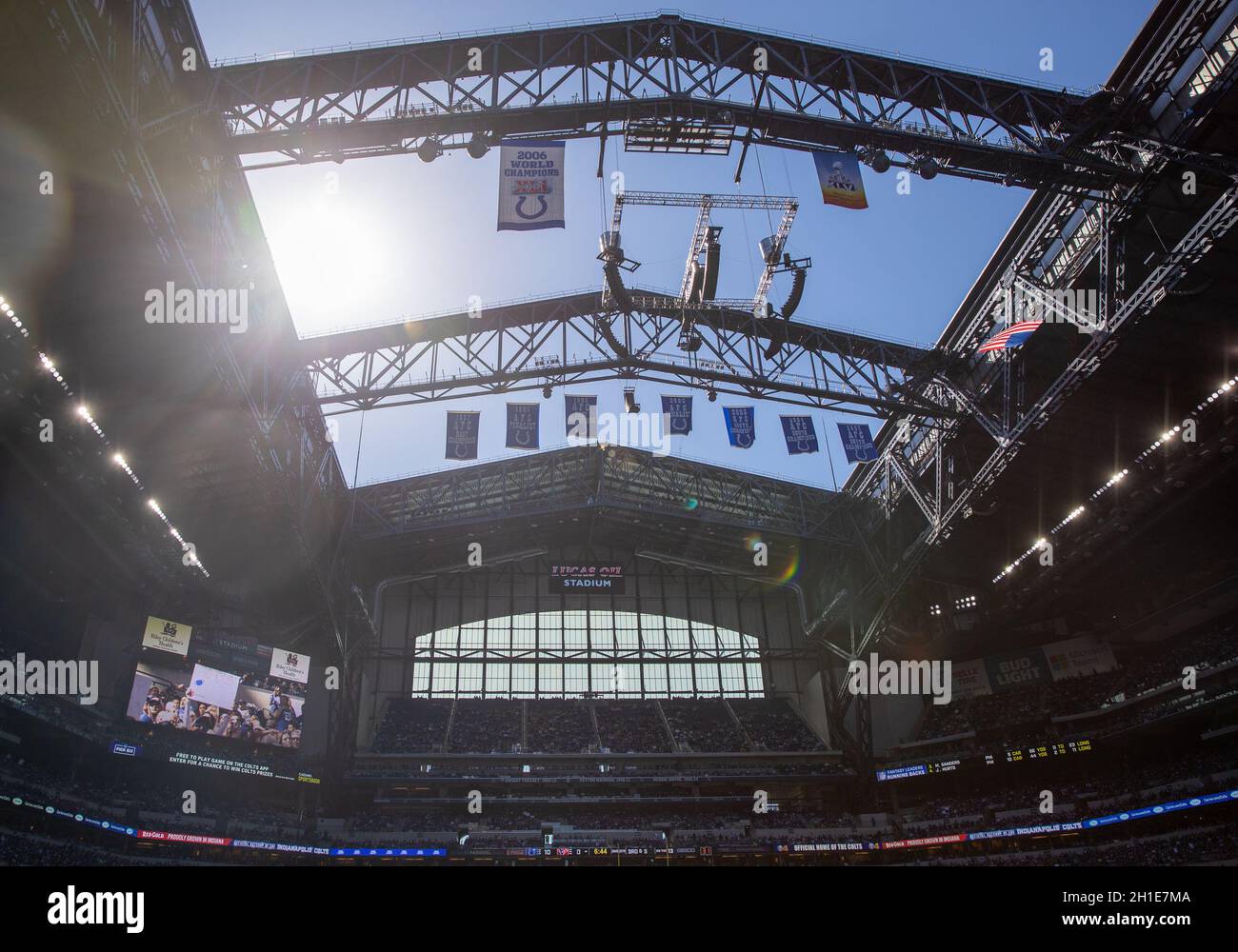
For spectators, the difference between an open and closed roof is significant. When the roof is open, the stadium captures the natural light and the cooling breezes characteristic of a Midwest autumn. This contributes to the traditional feel of outdoor football, which is often preferred by purists who enjoy the influence of natural conditions on ball flight and field temperature.
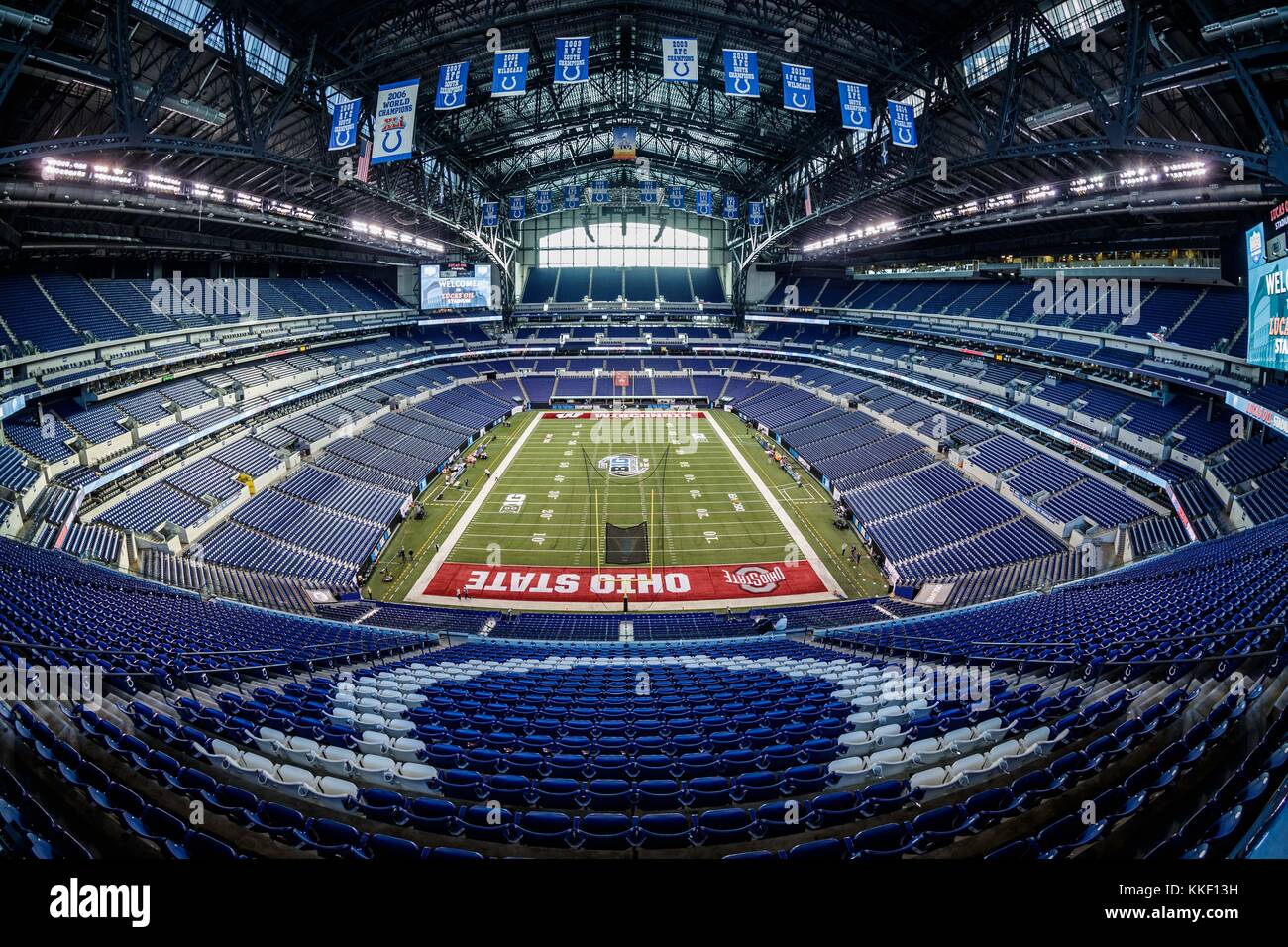
When closed, the atmosphere is markedly different. The stadium becomes an acoustic chamber, which often amplifies crowd noise significantly, providing a distinct home-field advantage for the Indianapolis Colts. The climate-controlled environment also allows for a consistent temperature of approximately 70 degrees Fahrenheit, regardless of the unpredictable Indiana weather outside. This flexibility makes Lucas Oil Stadium one of the few venues capable of hosting the NFL Super Bowl and the NCAA Final Four with equal efficacy.
Maintenance and Long-Term Sustainability
As of 2026, the stadium has been in service for nearly two decades. The retractable roof remains a focal point of the facility's maintenance budget. Regular structural integrity assessments are mandatory to ensure that the steel framing remains free from fatigue and that the motorized components are serviced for wear and tear.
The fabric panels themselves are also subject to environmental degradation. Over time, UV exposure and weather fluctuations require periodic tensioning and cleaning to maintain the necessary light transmission and aesthetic appeal. Sustainability initiatives within the facility often focus on energy efficiency; managing the roof status effectively helps reduce the total carbon footprint of the stadium by minimizing the use of heavy HVAC systems when natural ventilation is sufficient.
Frequently Asked Questions
Can the roof be opened mid-game if the weather turns? While technically possible, it is rarely done. Once the roof is positioned, the stadium’s internal environment is stabilized. Changing the status mid-game introduces risks regarding the mechanical system and the stability of the playing surface.
How is the playing field affected by the roof status? The field surface at Lucas Oil Stadium is designed to accommodate both states. However, moisture management is crucial. If the roof is open, the turf drainage system must be ready to handle potential sudden rainfall, and the grounds crew remains on high alert.
Does the roof affect the acoustics of the stadium? Yes. With the roof closed, the sound is trapped within the concrete and steel structure, creating a much louder environment. When opened, the sound energy dissipates into the sky, creating a more subdued acoustic profile.
Are there specific events where the roof must stay open? There are no specific mandates requiring the roof to stay open for any event. The decision always rests on safety protocols and the comfort of the participants and spectators.
How many motors are required to move the panels? The system uses dozens of synchronized electric motors. This redundancy is essential, as the failure of a single component could disable the entire system if not properly managed by the control software.
Next Steps for Stadium Visitors
If you are planning to attend an event at Lucas Oil Stadium, you can check the status of the roof by monitoring the official Indianapolis Colts social media channels or the stadium’s official website in the hours leading up to the event. In the event of extreme weather, prioritize arriving early to navigate potential security adjustments necessitated by the roof operation. For those interested in the engineering aspects, guided tours of the facility are periodically available, which often highlight the control room and technical chambers that house the roof’s operating hardware.
Image Gallery