Crazy Ex-Girlfriend Miranda Lambert: A Fact Profile and Legacy Analysis
Miranda Lambert’s 2007 album Crazy Ex-Girlfriend stands as a transformative milestone in modern country music, solidifying her reputation as a formidable songwriter and a "firebrand" performer. The project, which includes the iconic ti...
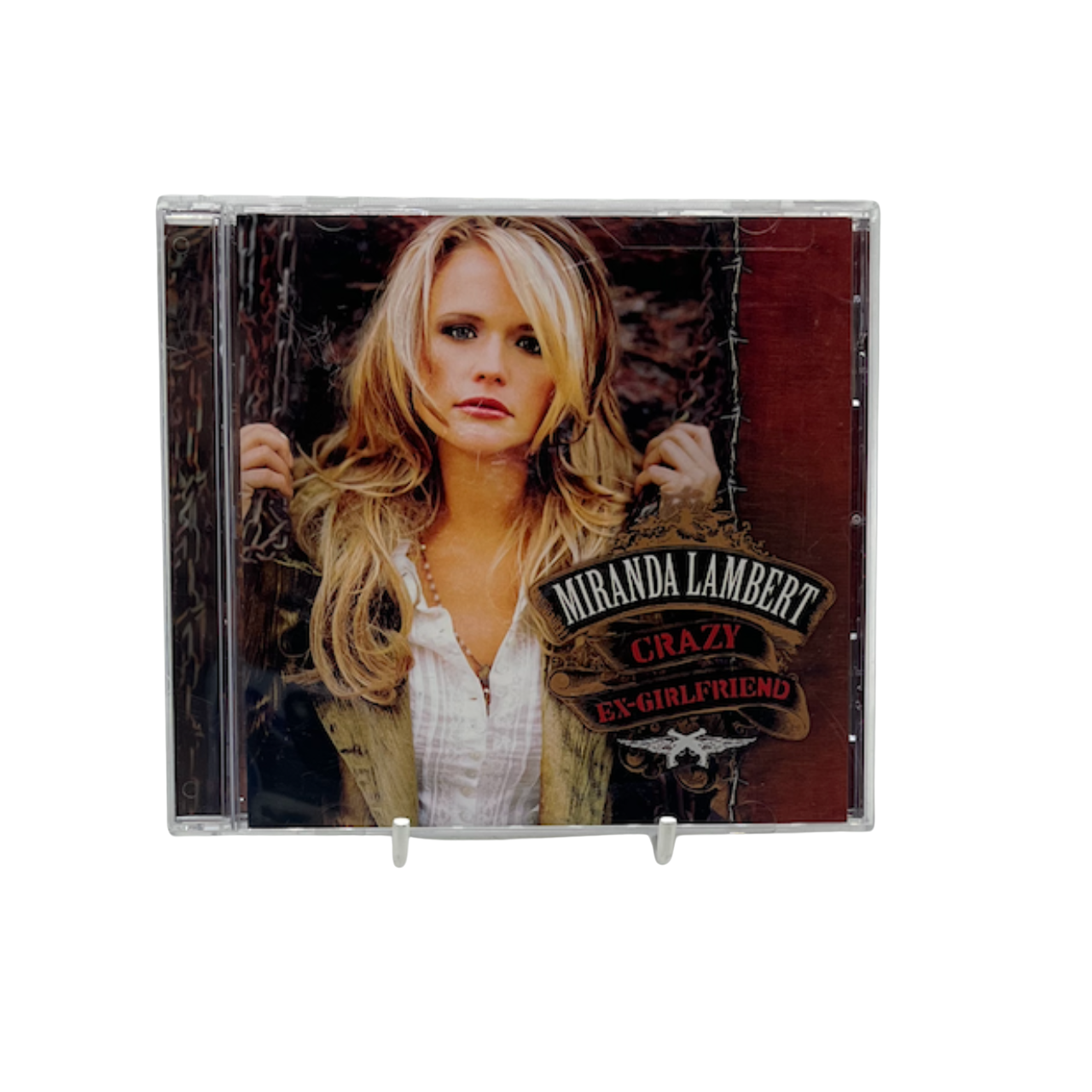
Miranda Lambert’s 2007 album Crazy Ex-Girlfriend stands as a transformative milestone in modern country music, solidifying her reputation as a formidable songwriter and a "firebrand" performer. The project, which includes the iconic title track and the hit "Gunpowder & Lead," established a raw, narrative-driven persona that bridged the gap between traditional country storytelling and a modern, rebellious edge.
Contents
The Genesis of the Crazy Ex-Girlfriend Era
In the mid-2000s, Miranda Lambert faced the "sophomore slump" challenge. Following the success of her debut album Kerosene (2005), which peaked at No. 1 on the Billboard Top Country Albums chart, the industry was watching to see if the Texas-born singer could maintain her momentum. Released on May 1, 2007, under the Columbia Nashville label, Crazy Ex-Girlfriend was not just a continuation of her debut but an intentional escalation of her artistic identity.
The album was produced by Frank Liddell and Mike Wrucke, who focused on capturing a sound that was less polished than the standard Nashville radio fare of the time. They utilized a "live-to-tape" feel that complemented Lambert's grit. The objective was to create a record that felt authentic to Lambert’s upbringing—blending the influences of Guy Clark and Townes Van Zandt with the energy of 70s outlaw country.
By the time 2026 arrived, this album is viewed by historians as the moment Lambert secured her seat at the table of country royalty. It moved her away from being "the girl from Nashville Star" and into the realm of a serious auteur capable of articulating complex female emotions ranging from homicidal rage to heartbreaking vulnerability.
Track-by-Track Breakdown and Narrative Depth
To understand the "Crazy Ex-Girlfriend" profile, one must look at the specific tracks that defined the record. The album consists of 11 tracks, eight of which Lambert co-wrote or wrote solo, demonstrating her commitment to being the primary architect of her narrative.
"Gunpowder & Lead"
While the title track set the mood, "Gunpowder & Lead" became the album's commercial juggernaut. Written by Lambert and Heather Little, the song is a visceral tale of a woman waiting for her abusive partner to be released from jail so she can enact her own brand of justice. It was Lambert’s first Top 10 hit on the Billboard Hot Country Songs chart and remains a staple of her live performances in 2026. The song's success was significant because it bypassed the traditional "victim" narrative often found in domestic abuse songs, opting instead for a stance of empowerment and self-defense.
"Famous in a Small Town"
This track showcased a different side of Lambert’s songwriting. It explores the lack of anonymity in rural communities where "everybody dies famous in a small town." The song was praised for its observational accuracy and helped balance the "crazy" persona with a relatable, down-to-earth perspective. It reached No. 14 on the country charts and earned Lambert a Grammy nomination for Best Female Country Vocal Performance.
"More Like Her"
Often overlooked in favor of the more aggressive tracks, "More Like Her" is a vulnerable acoustic ballad written entirely by Lambert. It describes the pain of losing a lover to a woman who is "softer" and "sweeter." This track is essential to the Crazy Ex-Girlfriend profile because it proves that the "crazy" label was a reaction to pain rather than a one-dimensional character trait.
Commercial Success and Industry Recognition
The commercial trajectory of Crazy Ex-Girlfriend was a steady climb that eventually reached the pinnacle of industry achievement. The album debuted at No. 1 on the Billboard Top Country Albums chart and No. 6 on the all-genre Billboard 200.
In terms of certifications, the album was certified Gold by the Recording Industry Association of America (RIAA) in 2008 and eventually reached Double Platinum status. Its longevity on the charts was bolstered by the steady release of four singles: the title track, "Famous in a Small Town," "Gunpowder & Lead," and "More Like Her."
| Achievement Category | Detail | Status/Award |
|---|---|---|
| RIAA Certification | Total U.S. Sales | Double Platinum |
| ACM Awards | 2008 Album of the Year | Winner |
| CMA Awards | 2007/2008 Nominations | Multiple |
| Billboard Peak | Top Country Albums | #1 |
| Grammy Nominations | Best Female Country Vocal | Nominated |
The crowning achievement of this era was the Academy of Country Music (ACM) Award for Album of the Year in 2008. Winning this award was a major upset at the time, as she was competing against heavyweights like Brad Paisley and Taylor Swift. The win signaled that the industry respected her artistic risks and the "alt-country" sensibilities she brought to a mainstream platform.
The Cultural Impact of the "Crazy" Persona
The phrase "Crazy Ex-Girlfriend" became synonymous with Miranda Lambert for much of the late 2000s and early 2010s. However, a technical analysis of her lyrics reveals that the "crazy" label was often used ironically or as a tool of reclamation.
Lambert has frequently noted in interviews that the title track was born from a place of genuine frustration. The lyrics describe a woman following her ex-boyfriend to a bar with a "slingshot in the front seat" and "fire in her eyes." In 2026, musicologists point to this song as a precursor to the "unhinged" female protagonist trope that would later become popular in various media. Lambert wasn't just singing about being mad; she was singing about the social consequences of female anger.
The persona allowed Lambert to carve out a niche that was distinct from the "good girl" image projected by many of her contemporaries. It gave her permission to explore darker themes—revenge, alcohol, and regret—without losing her core audience. This brand identity was so strong that it paved the way for her future group, Pistol Annies, and her later masterworks like The Weight of These Wings.
Production and Technical Specifications
The technical depth of the album’s production is a key factor in its enduring quality. Frank Liddell’s production philosophy for Lambert involved minimizing the use of "slick" session overdubs.
- Instrumentation: The album heavily features the steel guitar and dobro, played with a distorted, almost rock-like edge. This is most evident in the title track, where the tempo is frantic and the percussion is mixed "hot" to simulate a high-energy live performance.
- Vocal Delivery: Lambert’s vocals on this album are notably more confident than on Kerosene. She utilizes a "conversational" style in the verses that builds into a powerful, belt-heavy chorus.
- Songwriting Collaboration: While Lambert is the primary voice, the inclusion of covers like Gillian Welch’s "Dry Town" and Patty Griffin’s "Getting Ready" showed her ability to curate songs that fit her specific aesthetic, further defining the "profile" of who a Miranda Lambert fan was: someone who appreciated the intersection of Americana and Mainstream Country.
Long-Term Legacy in 2026
Looking back from the perspective of 2026, Crazy Ex-Girlfriend is frequently cited as one of the most influential country albums of the 21st century. It broke the mold of how female artists were expected to behave on the charts. Before this album, the "vengeance" song was a novelty; after this album, it became a sub-genre.
The album also served as a blueprint for the "outlaw" movement within the mainstream. By refusing to soften her edges for radio, Lambert actually made radio come to her. The success of "Gunpowder & Lead"—a song that many initially thought was too violent for airplay—proved that there was a massive appetite for authentic, high-stakes storytelling.
Frequently Asked Questions
Who wrote the song "Crazy Ex-Girlfriend"? The title track "Crazy Ex-Girlfriend" was written by Miranda Lambert and Travis Howard. Howard was a frequent collaborator during Lambert’s early career and shared her affinity for the "Texas outlaw" style of songwriting. The duo aimed to capture the feeling of a woman pushed to her limit, using hyperbolic imagery to convey emotional distress.
Was the "Crazy Ex-Girlfriend" album based on a true story? While not a literal autobiography, Lambert has stated that the songs are "emotionally true." For example, she did not actually wait for an ex-boyfriend with a shotgun (as in "Gunpowder & Lead"), but she did take a concealed carry course and used those feelings of vulnerability and the desire for self-protection as the catalyst for the song’s narrative.
How many singles were released from the album? Four singles were officially released to country radio: the title track "Crazy Ex-Girlfriend," "Famous in a Small Town," "Gunpowder & Lead," and "More Like Her." Each single showcased a different facet of the album’s personality, ranging from high-energy rock-country to stripped-down acoustic balladry.
What was the most successful song on the Crazy Ex-Girlfriend album? In terms of chart peak and cultural longevity, "Gunpowder & Lead" is the most successful. It was her first Top 10 hit and is certified Multi-Platinum. However, "Famous in a Small Town" is often cited by critics as her best vocal performance and most enduring piece of social commentary from that era.
Did Miranda Lambert win any Grammys for this album? While the album was nominated for several awards and won the ACM Album of the Year, it did not win a Grammy. Lambert received a nomination for Best Female Country Vocal Performance for "Famous in a Small Town," but she would not win her first Grammy until later in her career for "The House That Built Me."
Final Recommendation for Listeners
For those looking to understand the evolution of modern country, Crazy Ex-Girlfriend is essential listening. To get the full experience, listen to the album in its original sequence. Pay close attention to the transition from the aggressive energy of the first half to the introspective, Texas-tonk storytelling of the second half. This album is the definitive "fact profile" of an artist finding her voice and changing the genre in the process.
Image Gallery