Therapeutic Drug Monitoring Definition Explained: A Comprehensive Guide to Clinical Precision
Therapeutic Drug Monitoring (TDM) is a clinical practice that involves measuring specific drug levels in a patient’s bloodstream to ensure they remain within a predefined therapeutic range. By balancing efficacy against toxicity, TDM a...
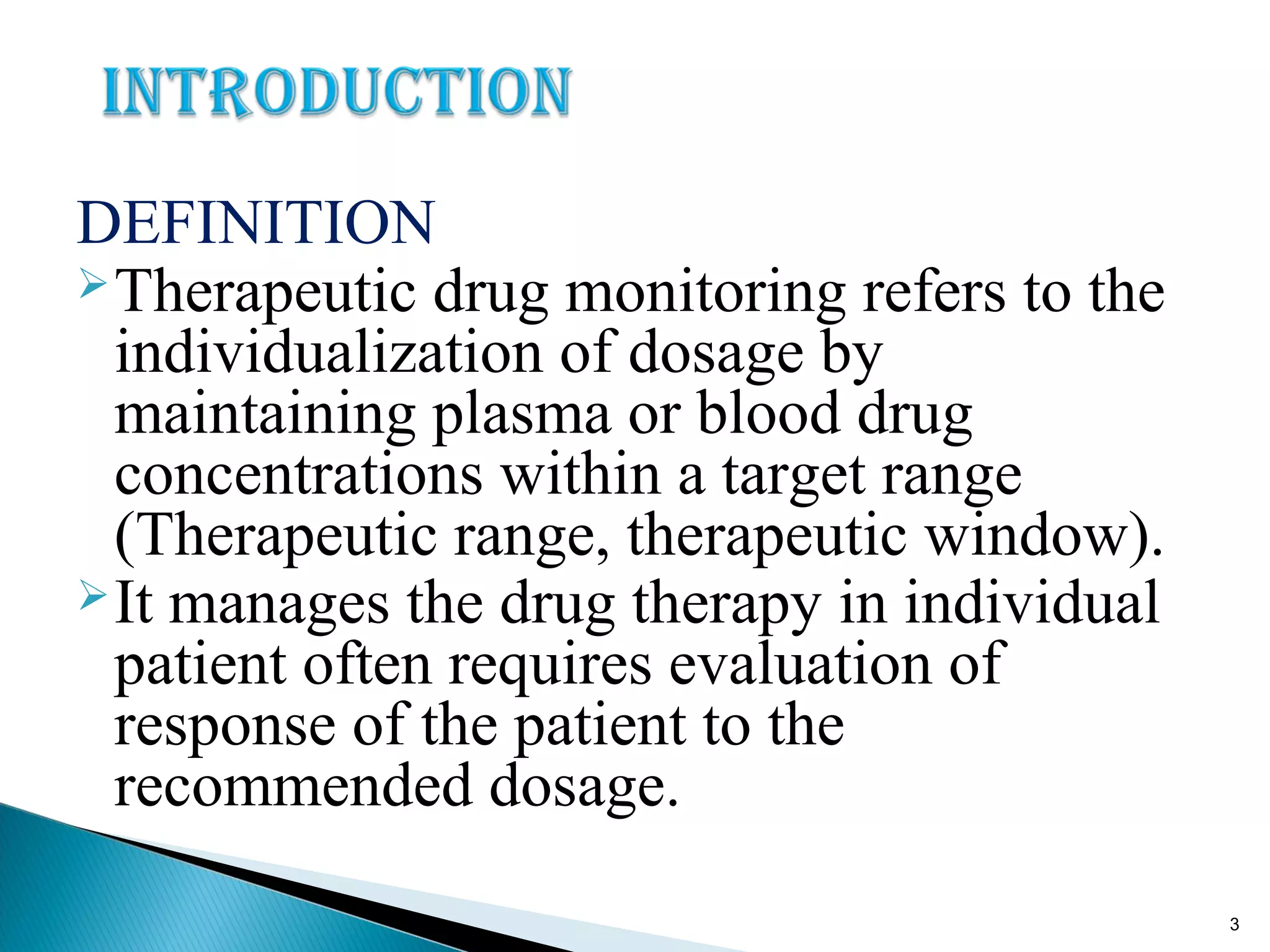
Therapeutic Drug Monitoring (TDM) is a clinical practice that involves measuring specific drug levels in a patient’s bloodstream to ensure they remain within a predefined therapeutic range. By balancing efficacy against toxicity, TDM allows healthcare providers to personalize dosages for medications with narrow safety margins or significant individual variability.
Contents
The Core Definition and Scientific Basis of TDM
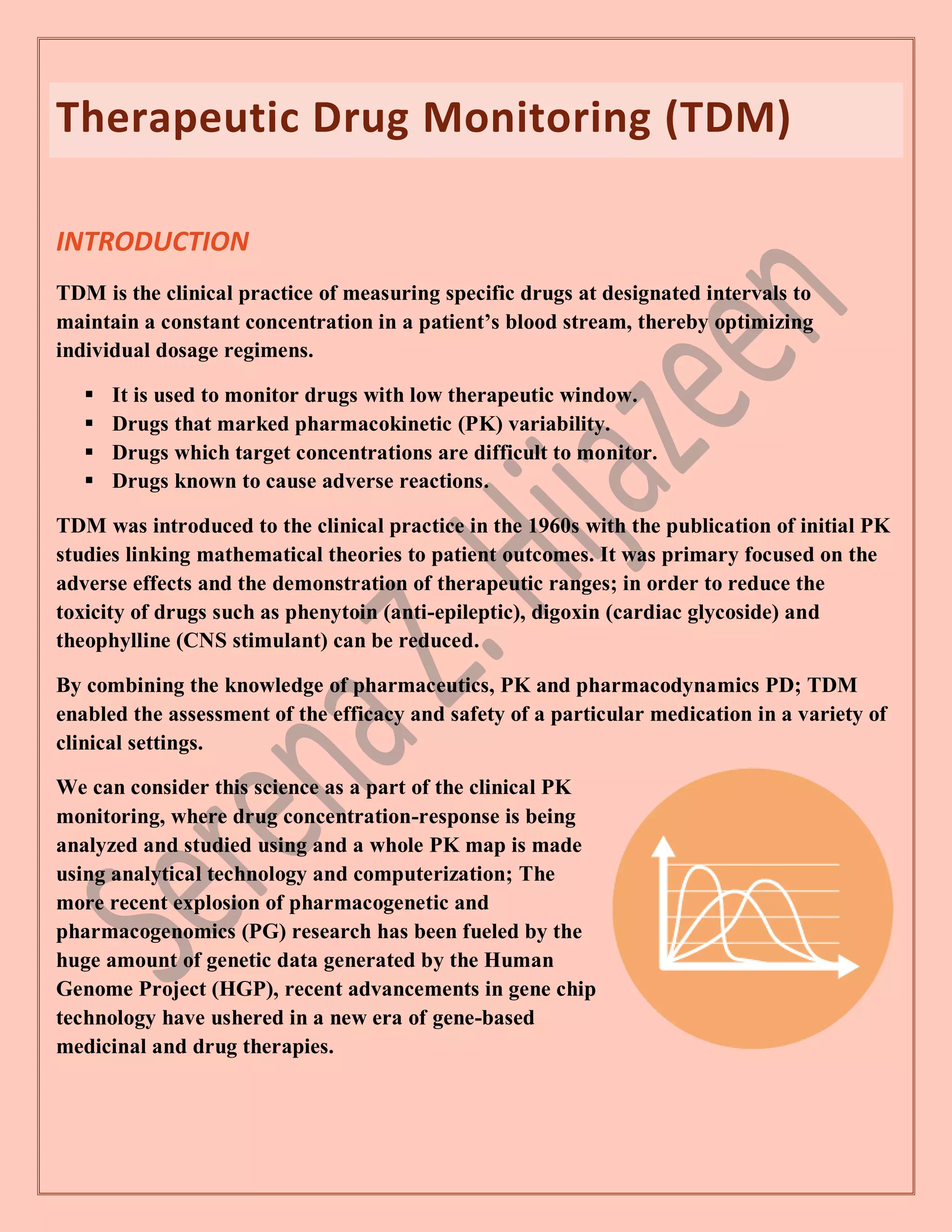
At its essence, Therapeutic Drug Monitoring (TDM) is the branch of clinical chemistry and pharmacology that specializes in the measurement of medication concentrations in blood, serum, or plasma. The primary objective is to improve patient outcomes by tailoring the drug dose to the individual's unique physiological requirements.
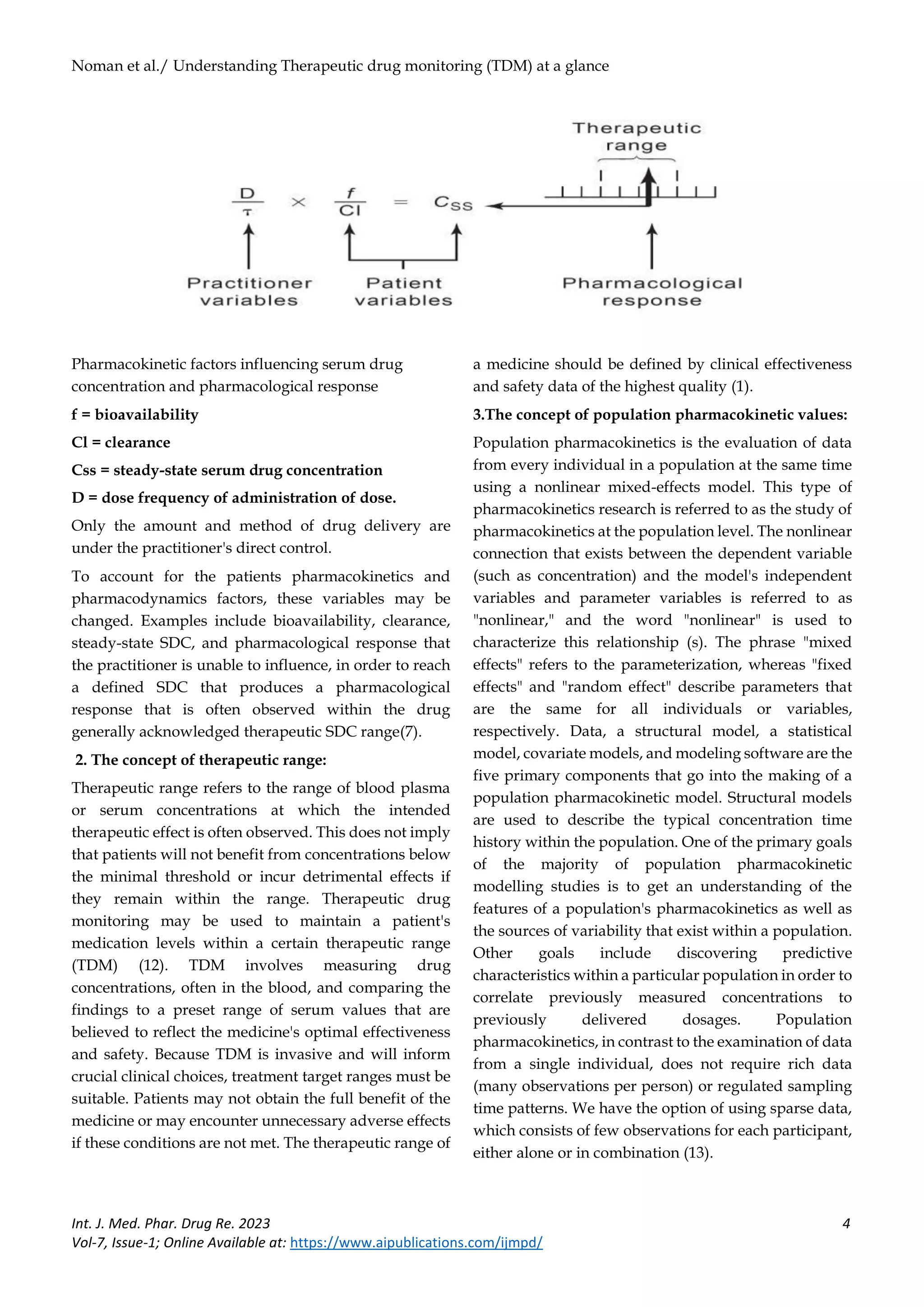
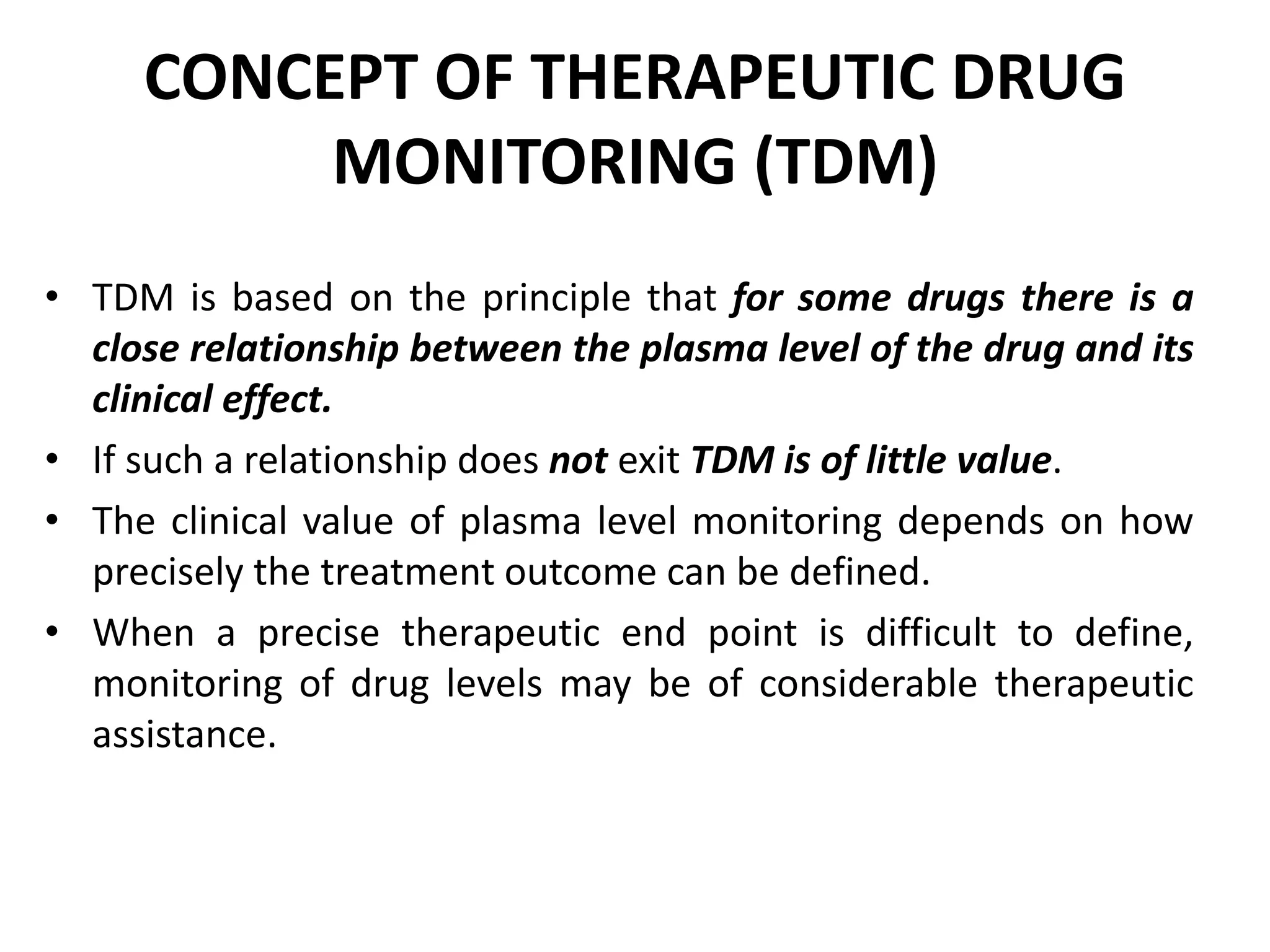
The practice is rooted in the principle that for certain drugs, there is a much stronger correlation between the drug's concentration in the blood and its clinical effect (or toxicity) than there is between the administered dose and the clinical effect. This occurs because every individual processes medication differently due to factors like genetics, age, organ function, and concurrent illnesses.
The Therapeutic Window and Index
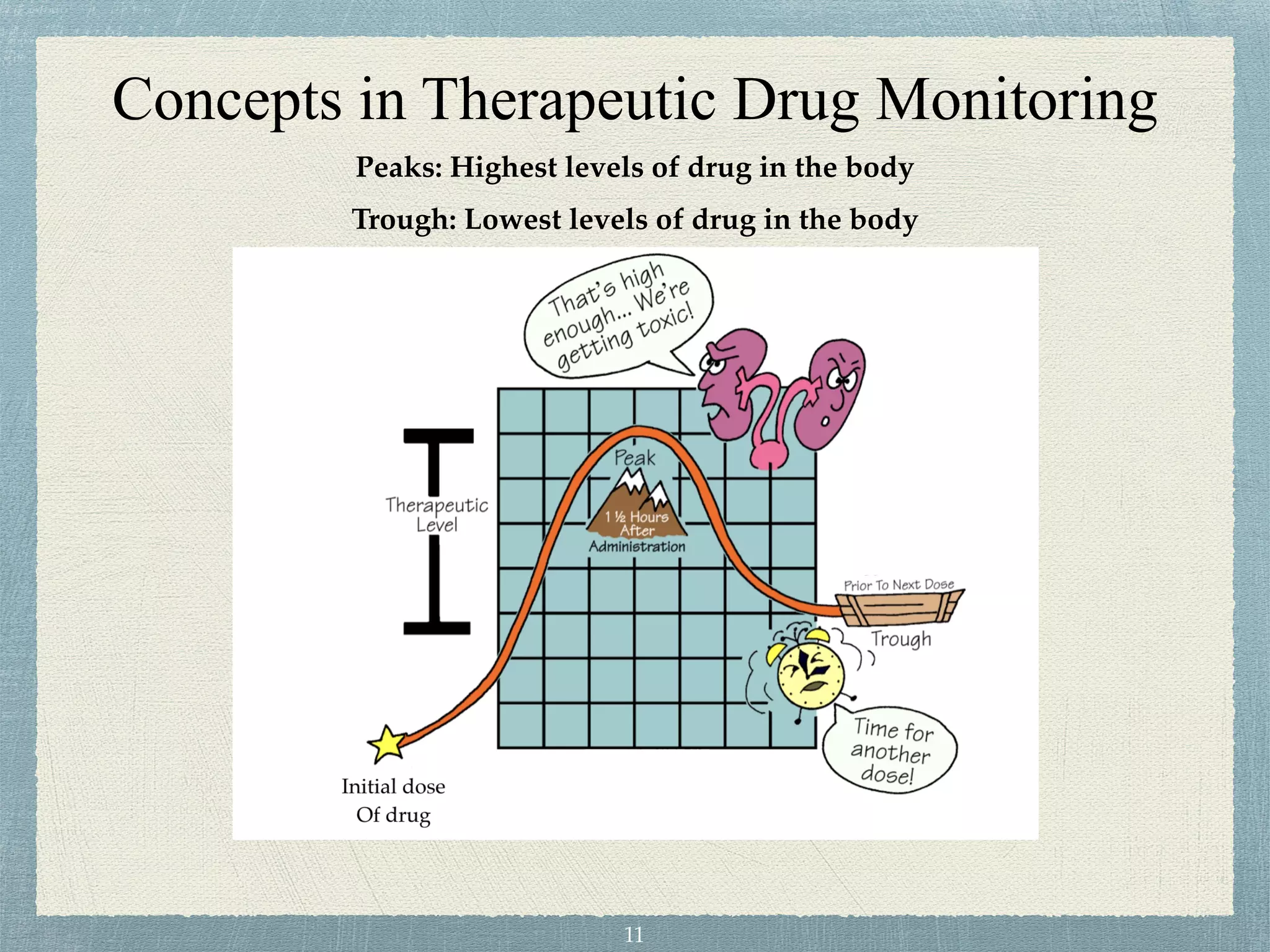
To understand TDM, one must first understand the therapeutic window (or therapeutic range). This is the concentration range within which a drug is expected to be effective without causing significant adverse effects.
- Subtherapeutic Level: If the concentration is too low, the drug will not produce the desired medical outcome (e.g., an infection persists, or seizures continue).
- Therapeutic Level: The "sweet spot" where the drug works as intended.
- Toxic Level: If the concentration is too high, the drug becomes harmful, potentially causing organ damage or life-threatening complications.
Drugs that require TDM typically have a narrow therapeutic index (NTI). This means the difference between a dose that is effective and a dose that is toxic is very small. In these cases, standardized dosing is often dangerous or ineffective.
Why Therapeutic Drug Monitoring is Essential
The necessity of TDM arises from the inherent unpredictability of human biology. While a standard dose of a common painkiller might work for most people, the drugs monitored via TDM are far more sensitive to individual "pharmacokinetic" variations.
Pharmacokinetic Variability (ADME)
Pharmacokinetics refers to what the body does to the drug. This is often broken down into the ADME acronym:
- Absorption: How the drug enters the bloodstream. Problems in the gastrointestinal tract or interactions with food can alter this.
- Distribution: Where the drug goes in the body. Factors like body fat percentage and protein levels (specifically albumin) dictate how much "free drug" is available to act on tissues.
- Metabolism: How the body breaks down the drug, primarily in the liver. Genetic variations in cytochrome P450 enzymes can make some people "fast metabolizers" and others "slow metabolizers."
- Excretion: How the drug leaves the body, primarily through the kidneys. As of 2026, assessing renal function remains a cornerstone of TDM, as declining kidney health can lead to rapid drug accumulation.
Clinical Indications for TDM
Healthcare providers do not use TDM for every medication. It is specifically reserved for scenarios where:
- The drug has a narrow therapeutic range.
- There is no easily observable clinical marker of effectiveness (e.g., you can't "feel" if an immunosuppressant is preventing organ rejection until the organ actually fails).
- The drug is used for long-term maintenance.
- Non-compliance is suspected.
- Drug-drug interactions are likely due to complex polypharmacy.
Commonly Monitored Drug Classes
The following table outlines the primary categories of medications that require rigorous TDM as of 2026, the specific drugs involved, and the clinical rationale for monitoring.
| Drug Class | Common Examples | Primary Reason for Monitoring |
|---|---|---|
| Antibiotics | Vancomycin, Gentamicin, Amikacin | To prevent nephrotoxicity (kidney damage) and ototoxicity (hearing loss). |
| Antiepileptics | Phenytoin, Valproic Acid, Carbamazepine | To control seizures while avoiding central nervous system toxicity. |
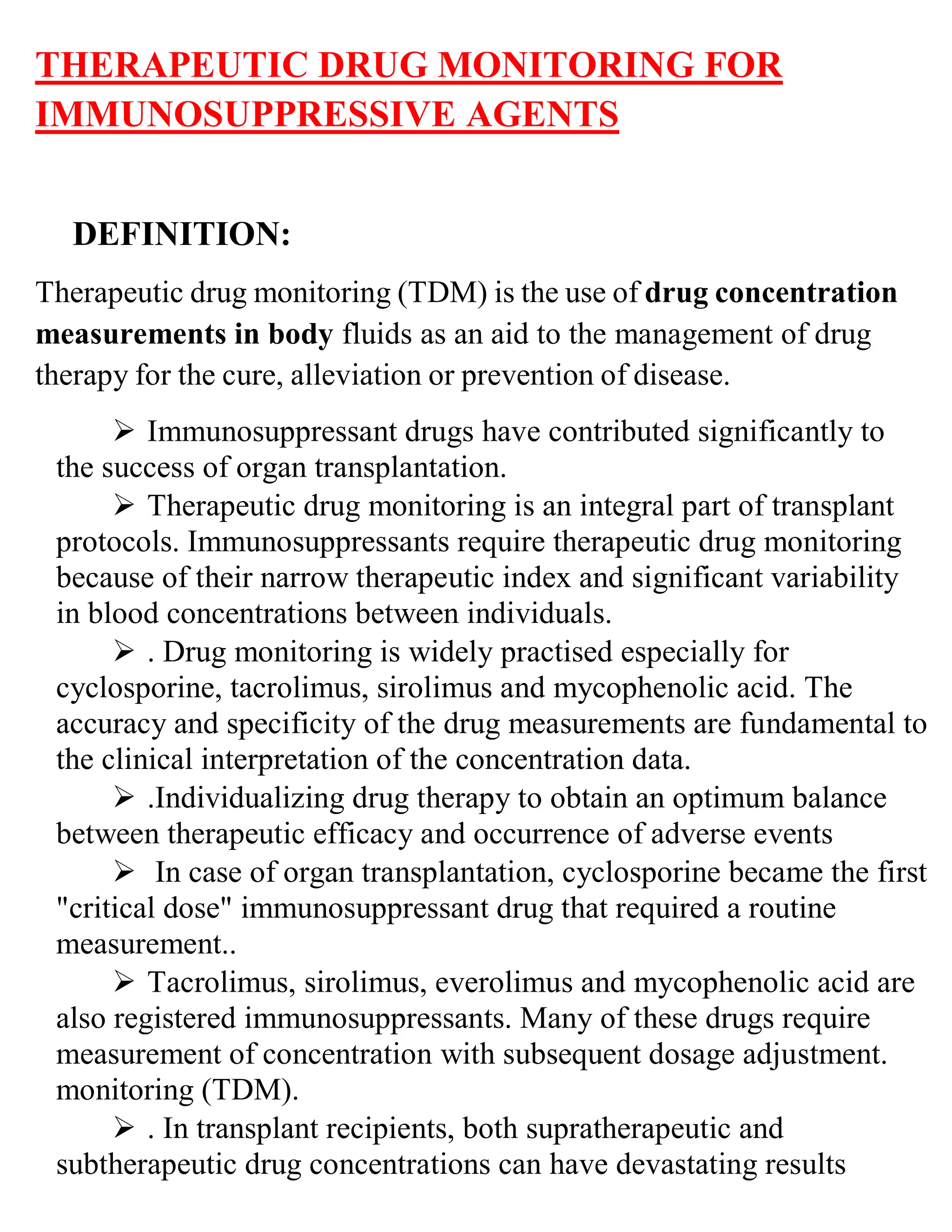
| Immunosuppressants | Cyclosporine, Tacrolimus, Sirolimus | To prevent organ transplant rejection and minimize drug-induced kidney damage. |
| Cardiovascular Drugs | Digoxin, Amiodarone | To manage heart rate/rhythm without causing cardiac arrhythmias. |
| Psychiatric Drugs | Lithium, Clozapine | To stabilize mood or manage psychosis while avoiding severe toxicity. |
| Bronchodilators | Theophylline | To treat asthma or COPD without causing tachycardia or tremors. |
The TDM Process: A Step-by-Step Clinical Workflow
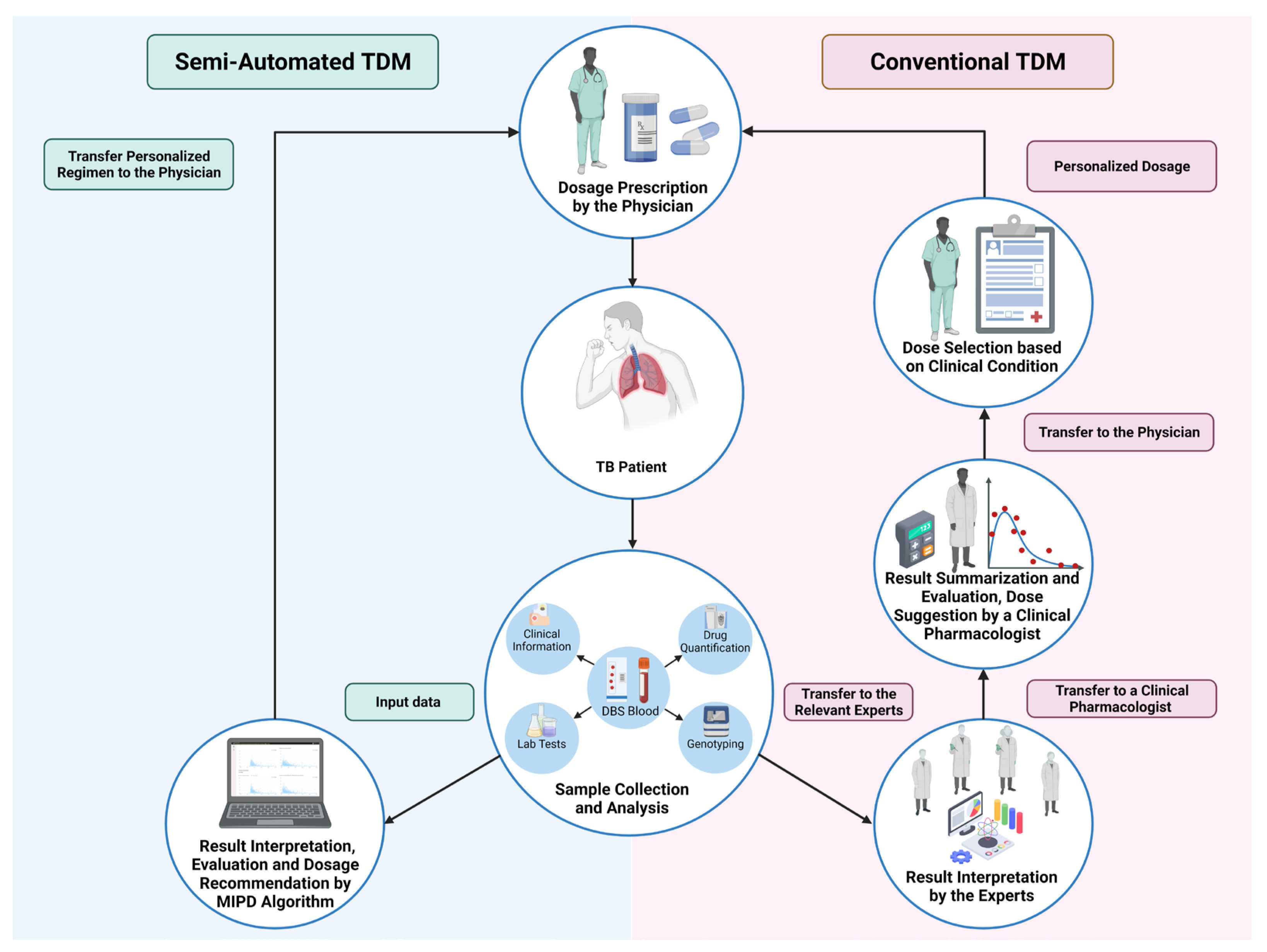
TDM is not a single blood test but a repetitive cycle of measurement and adjustment. For the results to be valid, the process must follow a strict protocol.
1. Reaching a Steady State
Before a blood sample is drawn, the patient must usually reach a steady state. This is the point where the rate of drug administration equals the rate of drug elimination. Generally, it takes about five half-lives of the drug to reach this state. Drawing blood too early can result in an artificially low reading, leading to an unnecessary (and potentially dangerous) dose increase.
2. Precise Timing of the Draw
The timing of the blood draw is critical. There are two primary types of measurements:
- Trough Level: The blood is drawn immediately before the next dose is administered. This represents the lowest concentration of the drug in the body.
- Peak Level: The blood is drawn shortly after a dose is administered (the exact timing depends on the drug’s absorption rate). This represents the highest concentration.
For most drugs, the trough level is the most important metric for ensuring the patient is not dropping into a subtherapeutic range.
3. Laboratory Analysis
In 2026, advanced immunoassay techniques and liquid chromatography-mass spectrometry (LC-MS) are the gold standards for analysis. These methods provide high sensitivity, ensuring that even minute amounts of a drug can be detected accurately.
4. Pharmacokinetic Interpretation
A laboratory result is just a number. It must be interpreted by a clinical pharmacist or a specialized physician. They consider the patient's weight, age, creatinine clearance (kidney function), and liver enzymes. They also check for drug-drug interactions, as adding a new medication can often "induce" or "inhibit" the metabolism of the monitored drug.
5. Dosage Adjustment
Based on the interpretation, the clinician may maintain the current dose, increase it, or decrease it. After the adjustment, the cycle repeats until the patient is consistently within the therapeutic window.
Factors That Complicate Therapeutic Drug Monitoring
TDM is rarely straightforward because patients are dynamic biological systems. Several factors can interfere with the accuracy of TDM results or require a shift in how those results are interpreted.
Genetic Polymorphisms
As of 2026, pharmacogenomics is increasingly integrated with TDM. Some patients possess genetic variants that cause them to process drugs much faster or slower than the average person. For example, variations in the CYP2C9 gene significantly impact how a patient metabolizes phenytoin. Without TDM, these patients would be at high risk for toxicity or treatment failure.
Protein Binding Issues
Many drugs travel through the blood bound to proteins like albumin. However, only the "free" (unbound) portion of the drug is pharmacologically active. In patients with liver disease, malnutrition, or kidney failure, protein levels may be low. This results in more free drug being available even if the "total drug" level looks normal on a lab report. Specialized "Free Level" tests are often required in these populations.
Patient Compliance and Sampling Errors
The most common "failure" in TDM is not biological, but procedural. If a patient forgets a dose or if the blood is drawn three hours late, the TDM result is effectively useless. Clinicians must verify the exact time of the last dose and the exact time of the draw to ensure the data is actionable.
The Future of TDM in 2026 and Beyond
The field of Therapeutic Drug Monitoring is currently undergoing a shift toward Point-of-Care (POC) testing and microsampling. Instead of requiring a patient to visit a hospital for a venous blood draw, 2026 technology allows for "finger-prick" dried blood spot testing that can be done at home and mailed to a lab or processed by a handheld device.
Furthermore, AI-driven dosing software now assists clinicians by using Bayesian modeling. These programs take a single blood concentration result and use complex algorithms to predict the patient’s entire pharmacokinetic profile, suggesting the optimal dose with higher accuracy than manual calculations.
Frequently Asked Questions
What happens if my drug levels are outside the therapeutic range?
If your levels are too low (subtherapeutic), the medication may not be treating your condition effectively, and your doctor will likely increase your dose or frequency. If levels are too high (toxic), you are at risk for side effects or organ damage, and your doctor will reduce the dose or temporarily stop the medication.
Does TDM mean I am taking a "dangerous" drug?
Not necessarily. It means you are taking a drug that requires precision. Many life-saving medications, like those that prevent organ rejection or control severe epilepsy, simply have a narrow margin for error. TDM is a safety tool that ensures you get the maximum benefit with the minimum risk.
How often will I need to have my blood drawn for TDM?
Initially, draws may be frequent (daily or weekly) as your doctor finds the right dose. Once you are stable and in the therapeutic range, monitoring might happen every few months or once a year, unless your health status changes or you start a new medication.
Can food or other vitamins affect my TDM results?
Yes. Certain foods (like grapefruit juice) and supplements (like St. John’s Wort) can significantly alter how your liver processes medications. Always provide your healthcare team with a full list of everything you consume to ensure accurate TDM interpretation.
Is TDM the same as a drug screen?
No. A drug screen (toxicology) is usually used to detect the presence of illegal substances or unprescribed medications. TDM is a quantitative measurement of a specific, prescribed medication to ensure it is at the correct level for treatment.
Final Recommendation
If you have been prescribed a medication that requires Therapeutic Drug Monitoring, the most important action you can take is consistency. Take your medication at the exact same time every day and ensure your blood draws are scheduled precisely as directed by your healthcare provider. Even a few hours of variance can skew TDM results, leading to incorrect dosage adjustments. Always communicate any new symptoms or changes in your diet to your clinical pharmacist or physician, as these can directly impact your drug metabolism.
Image Gallery