Guide to Land Contracts in Kentucky: Requirements, Laws, and Risks in 2026
A land contract in Kentucky, also known as a contract for deed, is a legal agreement where a seller finances the purchase of real estate. The buyer makes payments directly to the seller over time, gaining equitable title, while the sel...
A land contract in Kentucky, also known as a contract for deed, is a legal agreement where a seller finances the purchase of real estate. The buyer makes payments directly to the seller over time, gaining equitable title, while the seller retains legal title until the full purchase price is paid.
Contents
In the Kentucky real estate market of 2026, land contracts remain a vital tool for individuals who may not qualify for traditional bank financing due to credit challenges or non-traditional income. However, Kentucky law treats these agreements differently than many other states, primarily due to landmark judicial rulings that provide buyers with protections similar to those of a traditional mortgage holder. This guide explores the legal framework, the mandatory requirements for a valid contract, and the procedural steps involved in executing a land contract in the Commonwealth.
The Legal Framework: Why Kentucky is Different
To understand a land contract in Kentucky, one must first understand the 1979 Kentucky Supreme Court case of Sebastian v. Floyd. Before this ruling, a seller could invoke a "forfeiture clause" if a buyer missed a single payment, allowing the seller to evict the buyer and keep all previous payments and improvements made to the property.
The court's decision fundamentally changed the landscape of seller financing. In Kentucky, a land contract is now legally recognized as a purchase money mortgage. This means that the buyer is considered to have "equitable title" to the property from the moment the contract is signed. Consequently, a seller cannot simply evict a defaulting buyer; they must instead go through a formal judicial foreclosure process to recover the property. This provides the buyer with a period of redemption and the right to any equity they have built up in the home.
Equitable Title vs. Legal Title
In a Kentucky land contract, the ownership is split:
- Equitable Title: The buyer holds this. It represents the buyer’s right to obtain full ownership and their financial interest in the property. It allows the buyer to live on the property, improve it, and prevents the seller from selling it to someone else.
- Legal Title: The seller retains this until the final payment is made. It acts as the seller's security interest—essentially a "lien" on the property to ensure they get paid.
Essential Requirements for a Kentucky Land Contract
For a land contract to be enforceable and provide protection to both parties in 2026, it must adhere to specific statutory requirements and include several core components. Under KRS 382.110, all deeds and land contracts must be recorded in the county clerk's office to protect the buyer's interest against third-party claims.
Mandatory Components
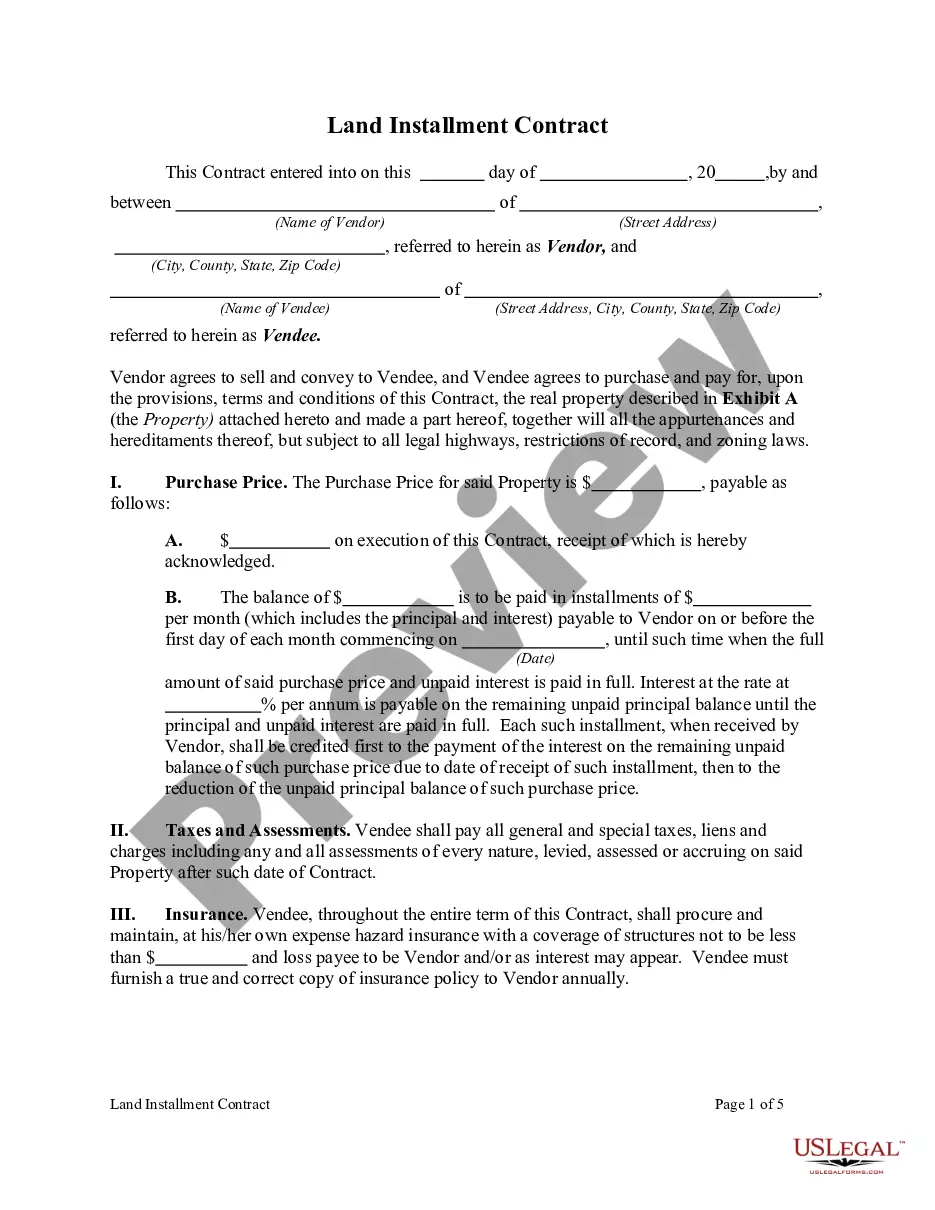
- Identification of Parties: The full legal names and addresses of both the seller (vendor) and the buyer (vendee).
- Legal Description: A precise "metes and bounds" description of the property. A simple street address is often insufficient for legal recording; the description should match what is on the current deed.
- Purchase Price and Down Payment: The total price agreed upon, the amount paid upfront, and the remaining balance.
- Interest Rate: In 2026, interest rates on land contracts are typically higher than market mortgage rates to compensate the seller for the increased risk. However, they must not violate Kentucky's usury laws.
- Payment Schedule: Clear details on monthly installments, including the due date and any late fees.
- Balloon Payment Details: Many land contracts require a "balloon payment" after a set period (e.g., five years), where the remaining balance must be paid in full, usually through the buyer obtaining a traditional mortgage.
- Responsibility for Taxes and Insurance: The contract must specify who is responsible for paying property taxes and maintaining homeowners insurance. Usually, the buyer assumes these costs.
- Signatures and Notarization: All parties must sign the document in the presence of a notary public.
Comparing Real Estate Financing Options in Kentucky
When considering a land contract, it is helpful to compare it to other common methods of acquiring property in Kentucky.
| Feature | Land Contract (Contract for Deed) | Traditional Mortgage | Lease with Option to Buy |
|---|---|---|---|
| Title Holder | Seller retains legal title; Buyer has equitable title | Buyer holds legal title | Landlord/Seller retains all title |
| Foreclosure Process | Judicial Foreclosure required | Judicial Foreclosure required | Eviction (Unlawful Detainer) |
| Down Payment | Usually 5%–15% (Negotiable) | Usually 3%–20% | Option fee (Non-refundable) |
| Credit Requirements | Flexible; determined by seller | Strict; determined by lender | Flexible |
| Maintenance | Buyer is typically responsible | Buyer is responsible | Landlord is typically responsible |
| Recording | Must be recorded with County Clerk | Must be recorded with County Clerk | Often not recorded |
Step-by-Step Process for Executing a Land Contract
Navigating a land contract requires more than just a handshake. Both parties should follow a structured process to ensure the transaction is legally sound.
Step 1: Negotiation and Disclosure
The seller should provide all required property disclosures, including the Kentucky Residential Property Condition Disclosure form. Negotiations should cover the interest rate, the length of the contract, and who will handle repairs.
Step 2: Title Search
The buyer should always hire a title company or attorney to perform a title search. This ensures the seller actually owns the property free and clear. If there is an existing mortgage on the property, the land contract could trigger a "due-on-sale" clause, allowing the original lender to demand full payment immediately.
Step 3: Drafting the Agreement
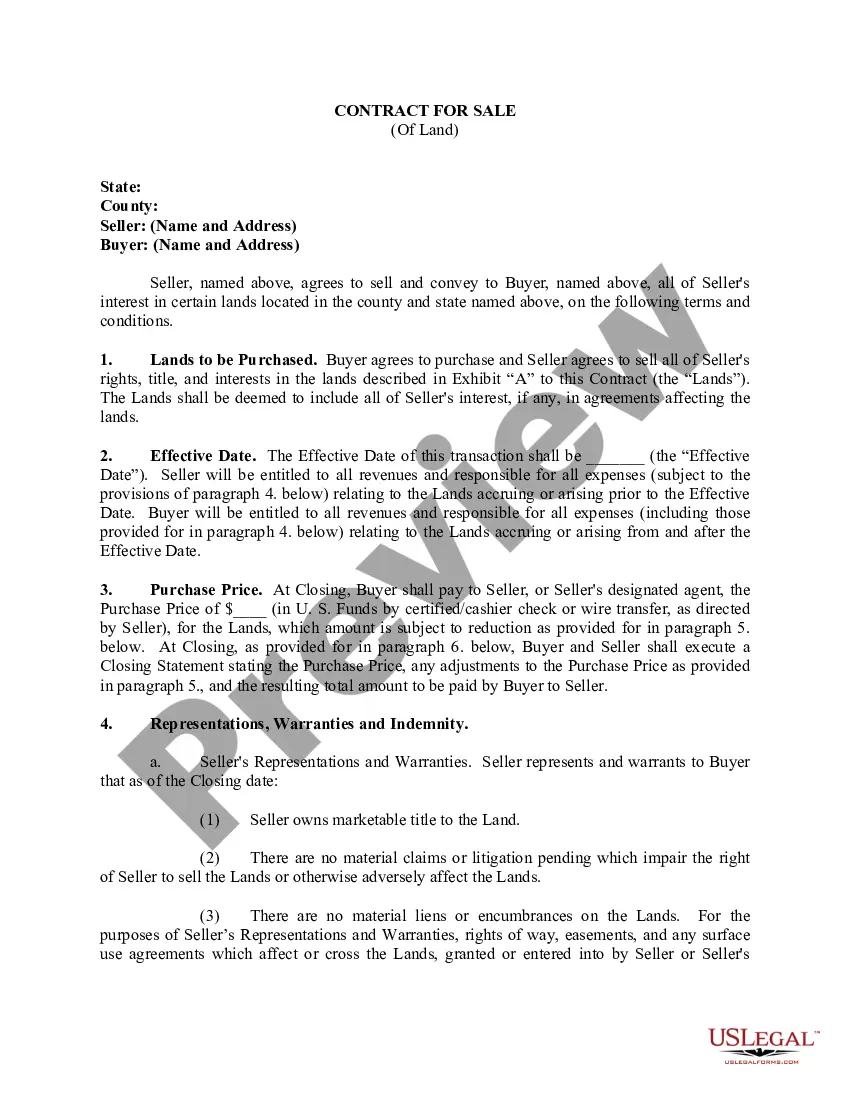
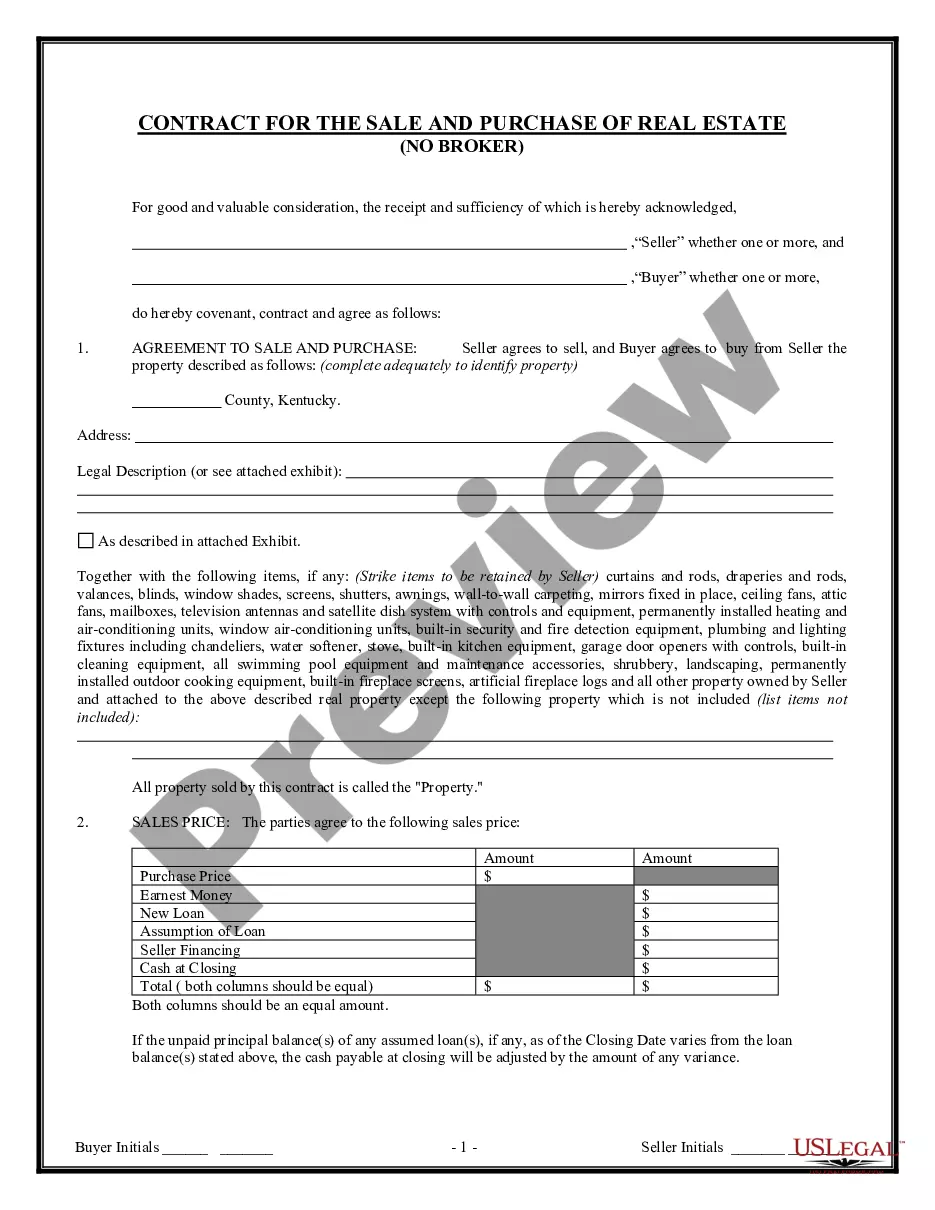
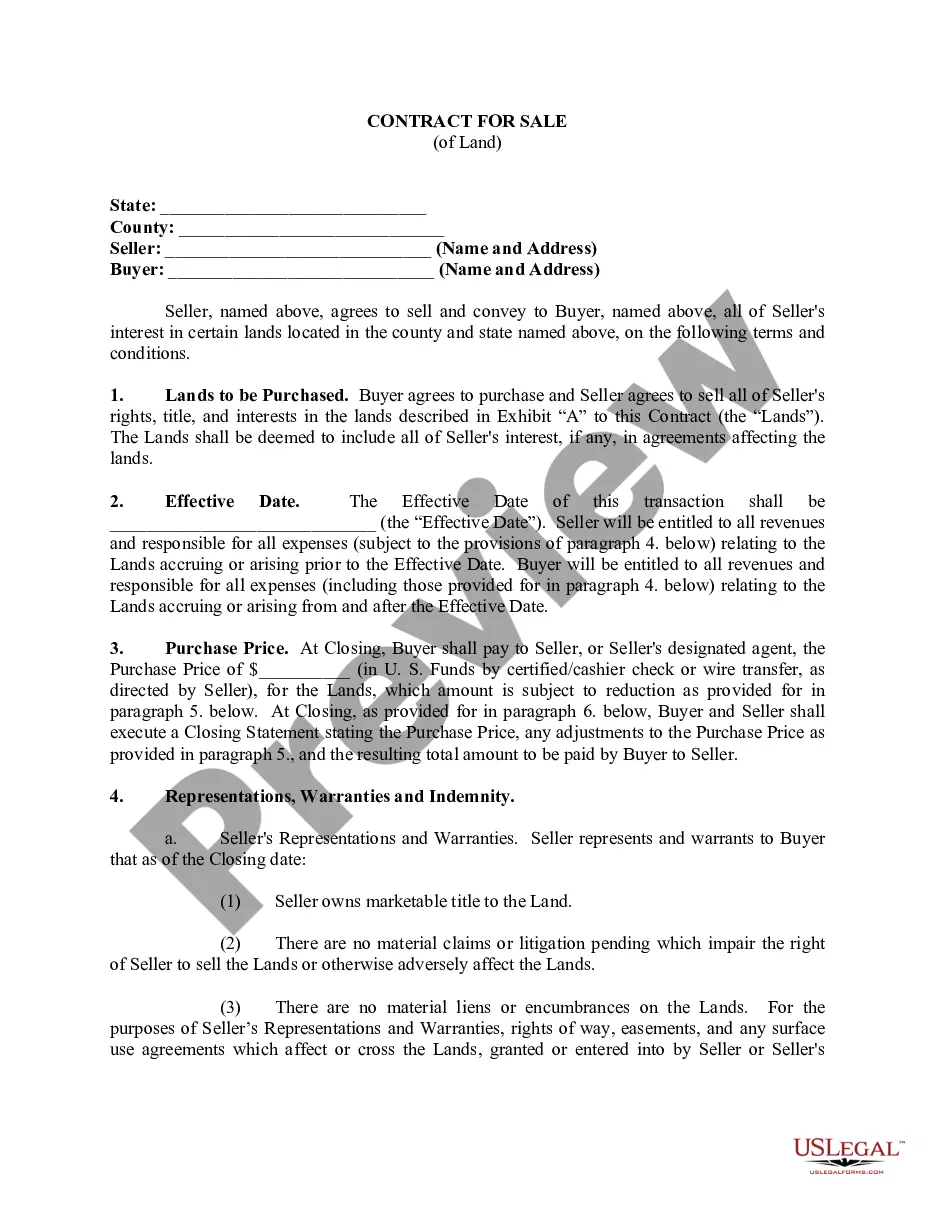
Standardized forms are available, but given the specific legal protections in Kentucky, having a real estate attorney draft or review the contract is highly recommended. The document must explicitly state that it is a land contract and intended to be a purchase money mortgage.
Step 4: Execution and Notarization
Both parties meet to sign the document. In Kentucky, for a document to be recorded, it must be notarized. This step verifies the identity of the signers and prevents fraudulent transfers.
Step 5: Recording the Contract
The buyer or seller must take the original notarized contract to the County Clerk’s office in the county where the property is located. Under KRS 382.110, recording the contract "puts the world on notice" of the buyer's interest. If the seller tries to sell the property to someone else or if a creditor tries to place a lien on the property, the recorded land contract protects the buyer.
Risks and Responsibilities for Sellers
While sellers can earn interest and sell a property that might not qualify for traditional financing, they face significant risks in Kentucky.
- The Foreclosure Burden: Because of Sebastian v. Floyd, if a buyer stops paying, the seller cannot simply change the locks. They must hire an attorney and file a lawsuit in Circuit Court. This process can take six months to a year, during which time the seller may not receive any income while still being responsible for any underlying mortgage payments.
- Property Maintenance: If the buyer abandons the property or fails to maintain it, the seller's collateral may decrease in value.
- Insurance Liability: Sellers must ensure the buyer maintains adequate insurance. If the property burns down and there is no insurance, the seller's security for the debt is gone.
Risks and Responsibilities for Buyers
Buyers often view land contracts as a path to homeownership, but they must be diligent to avoid losing their investment.
- Higher Costs: Interest rates and down payments are often higher than those offered by banks.
- The Balloon Payment Hurdle: Many land contracts are structured to last only 3 to 7 years, ending in a large balloon payment. If the buyer's credit has not improved enough to secure a bank loan by then, they risk losing the home through foreclosure.
- Seller Mismanagement: If the seller fails to pay the property taxes or their own underlying mortgage, the buyer may face legal headaches or even the loss of the property, even if they have made all their payments on time.
Frequently Asked Questions
Can a seller evict me if I miss a payment on a land contract in Kentucky?
No. In Kentucky, a seller must go through the judicial foreclosure process to regain possession of the property. Eviction is only for renters. Because you hold equitable title, you have the right to a court-supervised sale of the property where you can potentially recover any equity you have built.
Does a land contract have to be recorded in Kentucky?
Yes. While the contract may be valid between the buyer and seller without recording, KRS 382.110 requires it to be recorded to protect the buyer against the seller's creditors or subsequent purchasers. An unrecorded contract is extremely risky for the buyer.
Who pays property taxes on a Kentucky land contract?
Typically, the buyer is responsible for property taxes and homeowners insurance. However, the specific terms depend on what is written in the contract. It is common for sellers to collect these payments as part of the monthly installment and pay the tax bill themselves to ensure it is handled.
What happens if the seller dies before I finish paying?
If the land contract is properly recorded, it remains binding on the seller’s heirs or estate. Once the final payment is made, the executor of the seller's estate would be responsible for signing the deed over to the buyer.
Can I sell the property if I am buying it on a land contract?
Generally, yes, you can sell your "equitable interest" in the property. However, most land contracts contain a clause requiring the seller's consent or requiring that the original contract be paid off in full upon the sale of the property.
Final Recommendations for Kentucky Residents
If you are considering a land contract in Kentucky in 2026, never rely on an oral agreement. The Statute of Frauds requires all real estate transfers to be in writing. For buyers, the single most important action is to ensure the contract is recorded with the County Clerk immediately after signing. For sellers, the most important step is to vet the buyer’s income thoroughly, as the cost of foreclosure in Kentucky is high and time-consuming.
Consulting with a local real estate attorney is the best way to ensure that the document complies with the most recent interpretations of Sebastian v. Floyd and Kentucky Revised Statutes. This professional oversight can prevent a "pathway to homeownership" from turning into a costly legal battle.
TOPIC METADATA: ["Kentucky Land Contracts", "Seller Financing Laws", "Property Foreclosure", "Contract for Deed"]
Image Gallery