The Financial Legacies of Eddie Van Halen and David Lee Roth
As of 2026, the estate of Eddie Van Halen is valued at approximately $100 million, while original Van Halen frontman David Lee Roth maintains a net worth estimated at $60 million. Their respective fortunes were built on a foundation of...
As of 2026, the estate of Eddie Van Halen is valued at approximately $100 million, while original Van Halen frontman David Lee Roth maintains a net worth estimated at $60 million. Their respective fortunes were built on a foundation of record-shattering album sales, massive global tours, and savvy intellectual property management spanning five decades.
Contents
While both men rose to prominence together in the late 1970s, their financial trajectories diverged due to Eddie's focus on musical equipment innovation and David Lee Roth's expansion into solo entertainment and niche entrepreneurial ventures. Understanding their financial standing requires an analysis of the Van Halen catalog, the "EVH" brand's market dominance, and the enduring value of the 1980s rock aesthetic in the modern streaming and licensing era.
Eddie Van Halen: The Architect’s Estate and the EVH Brand
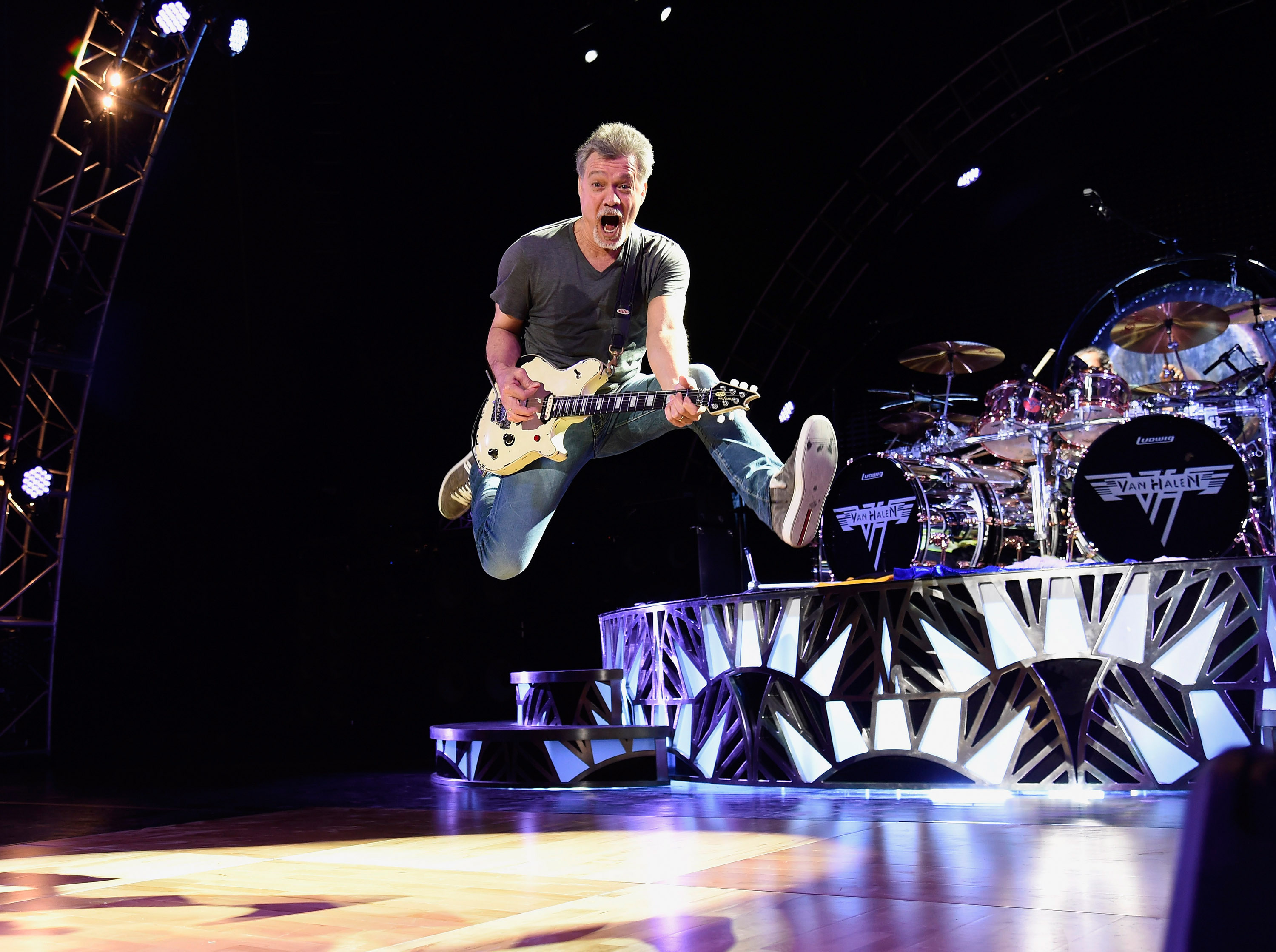
Eddie Van Halen, who passed away in October 2020, left behind a financial legacy that has continued to grow under the management of his estate, overseen by his son, Wolfgang Van Halen, and his widow, Janie Liszewski. Unlike many of his contemporaries who relied solely on royalty checks, Eddie built a vertical empire centered on his technical innovations.
The EVH Gear Ecosystem
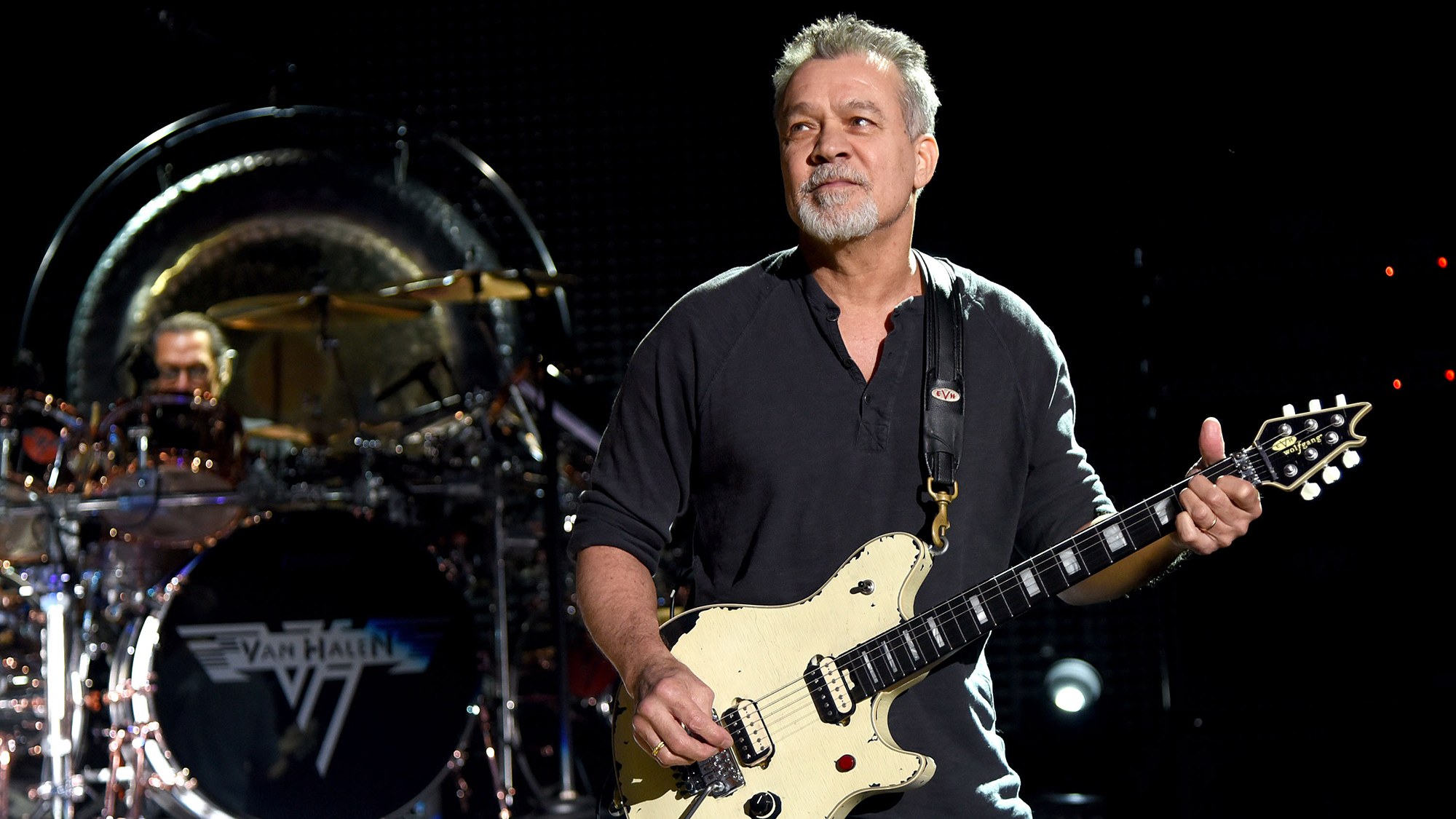
A significant portion of the $100 million valuation stems from the EVH brand, a partnership with Fender Musical Instruments Corporation. Unlike a standard "signature model" endorsement deal, the EVH brand is a standalone entity that produces guitars, amplifiers, and accessories based on Eddie’s specific patents and designs.
- Product Longevity: The 5150 series amplifiers and the Wolfgang guitar line remain industry standards for professional musicians in 2026.
- Licensing Revenue: Because Eddie owned the specific intellectual property for his "Striped Series" designs and various bridge innovations (like the D-Tuna), the estate continues to collect high-margin licensing fees on every unit sold.
- The 5150 Studio: Eddie’s private recording facility, 5150 Studios, represents more than just real estate; it is a historic asset where the majority of the band’s multi-platinum work was tracked, adding significant intangible value to the estate's holdings.
The Van Halen Catalog and Songwriting
Eddie Van Halen was the primary songwriter for the band. In the world of music publishing, the "writer's share" is where the long-term wealth resides. Even during the years when David Lee Roth or Sammy Hagar were the public faces of the band, Eddie’s role as the melodic and structural architect ensured he retained the largest percentage of publishing royalties.
As of 2026, Van Halen has sold over 80 million albums worldwide. In a streaming-dominated market, the band’s "Big Rock" hits like "Jump," "Panama," and "Runnin' with the Devil" generate millions of plays monthly. These digital performances translate into steady, passive income for the estate, particularly as "classic rock" has become a dominant genre for sync licensing in film, television, and high-end advertising.
David Lee Roth: Solo Success and Diversified Ventures
David Lee Roth’s $60 million net worth reflects a career defined by high-earning peaks and a remarkably resilient solo brand. While he does not possess the instrument-manufacturing revenue stream that Eddie built, Roth’s financial strength comes from his ability to reinvent his persona and capitalize on his status as one of rock’s greatest "frontmen."
Solo Career and Reunion Tours
When Roth left Van Halen in 1985 at the height of their success, he embarked on a solo career that was initially a massive financial success. His debut EP Crazy from the Heat and the subsequent album Eat 'Em and Smile were certified platinum, providing him with a separate royalty stream independent of the Van Halen brothers.
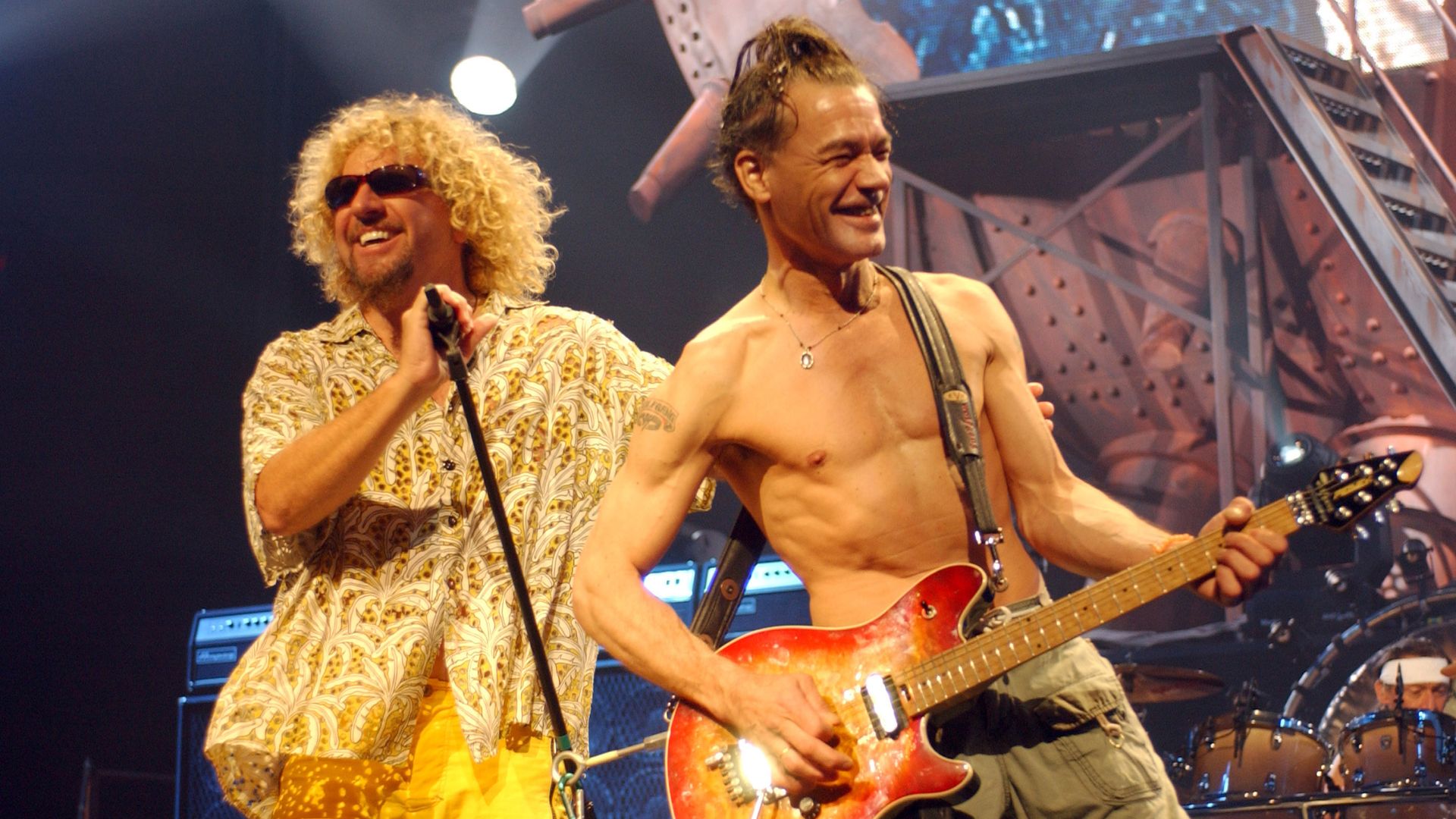
However, the largest influx of wealth for Roth in the 21st century came from the Van Halen reunion tours (2007–2015).
- The 2007-2008 Tour: This tour grossed over $93 million, making it one of the highest-grossing rock tours of that period.
- The 2012 "A Different Kind of Truth" Tour: Despite health issues and internal friction, the tour was a commercial powerhouse, grossing over $54 million across its North American leg.
- Performance Fees: As a founding member and essential component of the "classic" lineup, Roth negotiated high-percentage splits of the "front-end" performance fees and "back-end" merchandise sales.
Niche Business Interests
Roth has always been an idiosyncratic businessman. Beyond music, his ventures have included:
- Ink the Diary: A skin-care line specifically designed to preserve and highlight tattoos, launched to tap into the massive body-art market.
- The Roth Show: His long-running podcast and video series, which serves as a platform for his brand, maintaining his relevance and driving traffic to his digital assets.
- Media Engagements: From a brief stint as a New York City radio host replacing Howard Stern to his Las Vegas residencies, Roth has consistently secured high-paying, short-term contracts that bolstered his liquidity without the overhead of a massive tour.
Comparison of Financial Foundations
The following table compares the primary wealth drivers for the Eddie Van Halen estate and David Lee Roth as they stand in 2026.
| Feature | Eddie Van Halen (Estate) | David Lee Roth |
|---|---|---|
| Estimated Net Worth | $100 Million | $60 Million |
| Primary Source | Songwriting & Manufacturing | Performance & Touring |
| Key Asset | EVH Gear (Fender Partnership) | Solo Catalog & Personal Brand |
| Catalog Ownership | Major Share (Primary Songwriter) | Minority Share (Lyrics/Melody) |
| Real Estate Holdings | High (Coldwater Canyon Estate) | High (Tokyo & California Properties) |
| Revenue Type | Passive Licensing & Royalties | Active Performance & Merchandising |
The Impact of Songwriting Splits on Long-Term Wealth
One of the most misunderstood aspects of the "Eddie Van Halen vs. David Lee Roth" net worth comparison is how the band’s money was divided. For the first six albums, the band generally operated with a four-way split for performance income, but songwriting credit—and the subsequent publishing royalties—favored the Van Halen brothers.
Eddie Van Halen is credited on virtually every song the band ever released. In contrast, while Roth has credits on the "classic six" albums, his exit in 1985 meant he ceased earning on any new Van Halen material for over two decades. The "Van Hagar" era (1985–1996), which produced four consecutive #1 albums, generated massive revenue that Eddie shared with Sammy Hagar, while Roth was excluded. This 20-year gap in Van Halen-related income is the primary reason Roth’s net worth sits significantly lower than the combined value of the Eddie Van Halen estate.
The 2026 Perspective: Valuation of Legacy Catalogs
In the years leading up to 2026, there has been a massive trend of "heritage" acts selling their catalogs to private equity firms (such as Hipgnosis or BMG). While the Van Halen catalog has not been sold in its entirety as of mid-2026, its hypothetical valuation remains one of the highest in the rock world.
Industry analysts suggest that if the Van Halen estate and the surviving members (Alex Van Halen, David Lee Roth, Sammy Hagar, and Michael Anthony) were to collectively sell the publishing and master recording rights, the deal could exceed $250 million to $300 million. Eddie Van Halen’s estate would be the primary beneficiary of such a sale due to his dominant songwriting credits.
Common Financial Questions Regarding Van Halen and Roth
Who inherited Eddie Van Halen’s money?
The bulk of Eddie Van Halen's estate was left to his son, Wolfgang Van Halen. Provisions were also made for his wife, Janie Liszewski, and his brother, Alex Van Halen. Wolfgang has used a portion of his influence to continue the EVH brand and maintain 5150 Studios as a functioning creative space.
Did David Lee Roth lose money by leaving Van Halen?
While Roth earned millions as a solo artist, he undeniably missed out on the peak touring and album revenue of the late 80s and early 90s, when Van Halen transitioned into a more commercial, arena-rock powerhouse with Sammy Hagar. However, Roth’s 2007 return allowed him to capture the "nostalgia boom" which saw ticket prices skyrocket compared to the 1980s.
How much does the EVH brand contribute to the estate?
The EVH brand is estimated to generate between $5 million and $10 million in annual revenue for the estate and Fender. This is a "living" revenue stream that does not rely on album sales or streaming, as it targets the active market of guitarists worldwide.
Is David Lee Roth still performing in 2026?
By 2026, David Lee Roth has largely stepped back from full-scale touring, citing health considerations and a desire to focus on his art and podcasting. However, his financial status remains stable due to his "legacy" income and wise investments in international real estate.
Final Financial Outlook
The disparity between Eddie Van Halen’s $100 million estate and David Lee Roth’s $60 million net worth is a classic study in the economics of the music industry. Eddie Van Halen’s wealth is a testament to the power of ownership and innovation—owning the song, the sound, and the tools used to create the music. David Lee Roth’s wealth is a testament to the power of personal branding and performance—the ability to turn a persona into a global commodity that people will pay to see, even decades after his peak.
For investors and fans looking at the legacy of Van Halen in 2026, the financial takeaway is clear: while the singer gets the spotlight, the songwriter and the innovator get the equity. Both men achieved extraordinary financial success, but Eddie’s technical contributions created a self-sustaining business empire that continues to grow posthumously.
Practical Action: For those tracking celebrity net worths or music industry investments, monitor any potential sale of the Van Halen catalog. A total rights acquisition would represent the final "liquidity event" for both the EVH estate and David Lee Roth, likely doubling their current cash-on-hand valuations.
Image Gallery