Best Foundation Leak Repair in Ridgefield for Homeowners
The best foundation leak repair for Ridgefield homeowners depends on whether water enters through wall cracks, floor seams, or high groundwater pressure. Poured concrete wall cracks respond best to high-pressure polyurethane resin inje...
The best foundation leak repair for Ridgefield homeowners depends on whether water enters through wall cracks, floor seams, or high groundwater pressure. Poured concrete wall cracks respond best to high-pressure polyurethane resin injections, while severe hydrostatic pressure requires interior perimeter drainage or full exterior excavation waterproofing to keep basements dry and structurally sound.
Contents
Understanding Foundation Leaks in Ridgefield Homes
Ridgefield homes feature a mix of historical properties, mid-century builds, and contemporary custom homes. Despite differences in construction era, almost all residential foundations in the area face similar environmental stressors. Local soils—often rich in heavy clay and dense glacial till—hold significant amounts of moisture. During heavy rainfall, spring snowmelt, or prolonged wet weather, saturated soil expands against foundation walls.
This soil expansion generates hydrostatic pressure, which is the force exerted by standing water against a below-grade structure. When water accumulates around footings and foundation walls, it actively searches for paths of least resistance.
- Heavy Rain / Snowmelt
- Saturated Soil / Hydrostatic Pressure
- Foundation Weaknesses (Cracks, Cold Joints, Porous Mortar)
- Interior Basement Seepage / Water Intrusion
Common entry points include:
- Hairline settling cracks in poured concrete walls
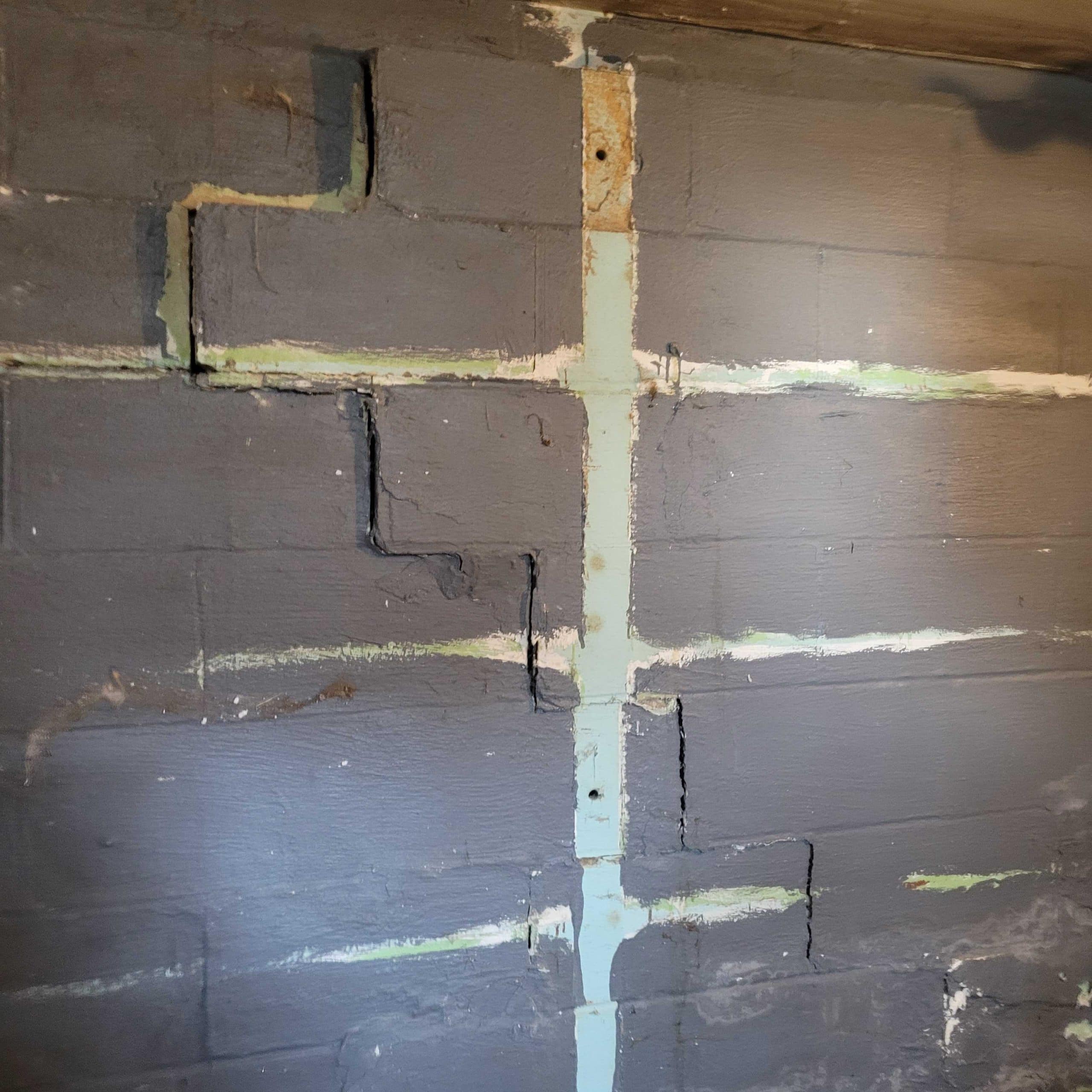
- Deteriorating mortar joints in concrete block or stone foundations
- The cove joint (where the concrete floor slab meets the exterior vertical foundation wall)
- Pipe penetrations for sewer, water, and utility lines
- Tie-rod holes left over from initial concrete form construction
Identifying the root cause of water intrusion is critical. Applying a cosmetic patch to an active foundation leak without addressing the underlying water pressure usually results in repeated failure, interior water damage, and potential structural instability over time.
Key Signs of Foundation Leaks and Water Damage
Water intrusion does not always present as standing water on the basement floor. In many cases, subterranean moisture enters subtly before escalating into major flooding. Homeowners in Ridgefield should inspect their lower levels regularly for early warning indicators.
1. Visual Water Marks and Efflorescence
White, powdery residue forming along concrete or brick walls is known as efflorescence. This mineral deposit occurs when moisture passes through concrete, dissolves internal salts, and evaporates on the interior surface, leaving the salt crystals behind. While efflorescence itself is non-toxic, it serves as direct evidence of ongoing moisture migration through the foundation wall.
2. Crack Patterns in Foundation Walls
- Vertical Cracks: Typically caused by initial concrete shrinkage during the curing process or minor settling. Vertical cracks are the most common source of foundation leaks and are straightforward to seal using resin injection techniques.
- Horizontal Cracks: Indicate significant lateral earth pressure pushing inward against the foundation wall. These cracks signal structural distress and require structural stabilization alongside leak remediation.
- Stair-Step Cracks: Common in block masonry walls, following the mortar line in a step pattern. These usually point to uneven foundation settlement or differential thermal expansion.
3. Dampness, Mold, and Indoor Air Quality Issues
Persistent dampness, peeling paint on basement walls, rusted metallic fixtures, and a stubborn musty odor indicate elevated relative humidity levels driven by foundation seepage. Uncontrolled sub-grade moisture creates ideal conditions for mold spore proliferation, which degrades indoor air quality throughout the home through the stack effect.
Primary Foundation Leak Repair Methods
Remediating foundation leaks requires matching the repair method to the specific point of failure, structural condition, and moisture volume. Professional contractors rely on four primary approaches.
- FOUNDATION REPAIR METHODS
- Polyurethane & Epoxy Injection (Wall Cracks)
- Interior Perimeter Drainage Systems (Hydrostatic Pressure)
- Exterior Waterproofing Membranes & French Drains (Comprehensive Prevention)
- Structural Underpinning & Carbon Fiber (Structural Defects)
1. Polyurethane and Epoxy Crack Injection
For poured concrete foundation walls, targeted injection is the most direct, cost-effective, and non-invasive solution for wall crack leaks.
- Polyurethane Resin Injection: Polyurethane is an expanding foam resin injected directly into the crack under low or high pressure. Upon contact with moisture, the resin expands up to 20 to 30 times its original volume, penetrating the entire depth of the foundation wall from inside to outside. Because polyurethane remains flexible after curing, it accommodates minor natural foundation movement caused by seasonal thermal changes without breaking its seal.
- Epoxy Injection: Structural epoxy is preferred when a foundation crack compromises structural integrity. Unlike polyurethane, epoxy cures into a rigid bond that restores original tensile and compressive strength to concrete. However, because epoxy does not expand, the crack surface must be completely dry and clean during application.
2. Interior Perimeter Drainage Systems (Sub-Slab Drain Tile)
When water seeps through the cove joint or rises through floor cracks due to a high water table, sealing the wall alone will not solve the issue. The trapped water will simply build pressure until it breaks through elsewhere.
An interior drainage system mitigates hydrostatic pressure by giving subterranean water a controlled pathway to escape:
- Contractors trench the perimeter of the concrete floor slab along the interior footing.
- A perforated drainage pipe wrapped in filtration fabric is installed within a bed of washed stone.
- The channel is capped with a drainage board that directs wall seepage down into the pipe.
- The trench is re-cemented over, leaving only a small gap along the edge.
- The pipe gravity-feeds accumulated water into a sealed sump basin equipped with a heavy-duty primary sump pump and a battery-backup pump system.
3. Exterior Excavation and Waterproofing Membranes
Exterior waterproofing is the most comprehensive solution for foundation leak prevention because it stops water before it ever contacts the foundation material.
This process involves:
- Excavating the soil around the home down to the foundation footings.
- Pressure washing and cleaning the exposed exterior concrete walls.
- Repairing all structural cracks with hydraulic cement or structural epoxy.
- Applying a heavy elastomeric asphaltic membrane or heavy-gauge polymer waterproofing sheet.
- Installing dimpled drainage boards to protect the membrane and channel water downward.
- Placing a exterior drain tile system in aggregate stone to direct groundwater away from the structure.
- Backfilling the excavation with clean gravel and topsoil pitched away from the foundation home grade.
4. Carbon Fiber Reinforcement and Structural Stabilization
If foundation leak points are accompanied by wall bowing, wall leaning, or horizontal shearing, sealing the leak is only a temporary fix. The wall must be structurally stabilized to prevent collapse. High-tensile carbon fiber straps bonded to the interior concrete using structural epoxy prevent further inward movement, allowing crack injection repairs to hold permanently without risking bond failure.
Method Comparison for Homeowners
Selecting the correct waterproofing strategy involves balancing effectiveness, property disturbance, and overall project cost.
| Repair Method | Primary Application | Key Advantages | Expected Lifespan | Property Disturbance |
|---|---|---|---|---|
| Polyurethane Injection | Active leaks in poured concrete wall cracks | Fast, cost-effective, flexible, non-invasive interior access | 15 – 25+ Years | Minimal (Interior localized work) |
| Epoxy Structural Injection | Dry, structural concrete wall cracks | Restores original structural concrete strength | Lifetime of Structure | Minimal (Interior localized work) |
| Interior Drain Tile System | Cove joint leaks, floor seepage, hydrostatic pressure | Reliable, independent of outdoor weather, lowers water table | 25 – 50 Years | Moderate (Basement floor trenching) |
| Exterior Waterproofing | Severe seepage, exterior wall decay, complete protection | Stops water outside, protects outer wall structure | 30 – 50+ Years | High (Full exterior ground excavation) |
| Carbon Fiber Reinforcement | Structural wall bowing combined with crack leaks | Low profile, extremely strong, prevents lateral movement | Lifetime of Structure | Minimal (Wall surface preparation) |
Key Factors Influencing Repair Costs
Foundation leak repair costs vary based on site-specific engineering needs and foundation depth. Homeowners should anticipate several variable factors when evaluating project estimates:
- Linear Footage and Depth: Crack injection cost is calculated per linear foot of crack, while exterior excavation depends on wall depth below grade and overall linear perimeter footage. Deep basements require additional shoring and equipment during excavation.
- Accessibility and Obstructions: Interior work hindered by finished basement drywall, framed walls, built-in cabinetry, or utility panels requires demolition and framing removal before technicians can access concrete. Outdoors, decks, stone patios, HVAC units, and mature landscaping increase labor costs for exterior excavation.
- Foundation Type: Poured concrete foundations are the easiest to seal via injection. Stone foundations, concrete block (CMU), and brick require specialized masonry repointing, interior drainage systems, or exterior membranes, as hollow block cores can store gallons of trapped water.
- Water Management Upgrades: Installing high-capacity primary sump pumps, dual-check valves, freeze-resistant exterior discharge lines, and secondary battery-backup systems adds upfront material costs but provides vital protection during power outages and severe storms.
Step-by-Step Guide: Evaluating and Selecting a Contractor
Choosing the right contractor for foundation leak repair ensures long-term structural protection and avoids wasted investments on quick-fix surface coatings.
- Step 1: Perform Initial Inspection & Identify Symptoms
- Step 2: Obtain Independent Assessment (or Check Contractor Credentials)
- Step 3: Compare Written Diagnostic Estimates & Scope of Work
- Step 4: Verify Licensing, Insurance, & Transferable Warranties
- Step 5: Execute Contract & Schedule Project Execution
Step 1: Request a Diagnostic Site Inspection
A qualified waterproofing contractor or structural engineer should conduct a thorough on-site evaluation. Beware of contractors who offer broad estimates over the phone without measuring basement walls, checking exterior grade slopes, evaluating gutter discharge points, and using moisture meters.
Step 2: Differentiate Between Cosmetic and Structural Issues
Ask the specialist to verify whether water intrusion is driven purely by surface drainage issues (such as clogged gutters or poor landscape grading) or true sub-grade pressure. If walls show significant horizontal cracking or inward bowing exceeding one inch, consult an independent licensed structural engineer for an unbiased repair specification before signing a waterproofing contract.
Step 3: Verify Licensing and Insurance
Ensure the contractor holds appropriate state licensing, general liability insurance, and worker’s compensation coverage.
Step 4: Examine Warranty Details
High-quality foundation leak repairs should come backed by strong warranties:
- Injection Repairs: Look for warranties covering at least 10 to 20 years against future leaks through the injected crack.
- Full Interior/Exterior Drainage Systems: Often include transferable lifetime warranties that protect the home's resale value by transferring directly to future buyers.
- Warranty Terms: Ensure the warranty covers both labor and materials, and explicitly defines what constitutes a failed seal or system blockage.
Essential Preventive Maintenance for Ridgefield Homeowners
While professional repairs solve existing leaks, proactive exterior water management minimizes groundwater accumulation around your foundation, reducing stress on waterproofing seals.
- Maintain Roof Drainage Systems: Clean gutters at least twice annually to prevent overflow. Ensure downspouts extend at least 5 to 10 feet away from foundation walls using rigid PVC underground discharge lines or splash block extensions.
- Correct Soil Grading: Soil surrounding the home foundation should slope downward away from the walls at a pitch of at least 6 inches over the first 10 feet. Avoid piling organic mulch directly against concrete walls, as it retains surface moisture.
- Inspect Sump Pump Systems: Test sump pumps quarterly by pouring a bucket of water into the basin to verify float switch activation and pump discharge speed. Replace primary sump pump units every 7 to 10 years, and test battery backup power supplies annually.
- Monitor Exterior Window Wells: Clear debris from window wells and install contoured, transparent window well covers to prevent rainwater from pooling against basement window frames.
Frequently Asked Questions
How do I know if a foundation crack is structural or just leaking?
Vertical or diagonal hairline cracks under 1/8-inch wide that actively leak water are typically non-structural concrete shrinkage cracks. Horizontal cracks, stair-step cracks in block walls, cracks wider than 1/4-inch, or walls that bow inward indicate structural damage caused by excessive lateral pressure or severe settlement.
Does standard homeowners insurance cover foundation leak repairs?
Standard homeowners insurance policies generally do not cover foundation leaks resulting from surface groundwater intrusion, hydrostatic pressure, poor maintenance, or natural settling. Insurance may cover water damage only if the leak resulted directly from a sudden, accidental plumbing failure (such as a burst interior pipe) covered under your policy terms.
Is interior or exterior foundation repair better for wet basements?
Interior drain tile systems are faster to install, less expensive, and highly effective at managing groundwater and slab seepage without disturbing outdoor landscaping. Exterior waterproofing is superior for preventing water from ever contacting the foundation wall, protecting masonry from moisture decay, but it requires substantial excavation and higher investment.
How long does a professional polyurethane injection repair last?
A professionally installed polyurethane resin injection generally lasts between 15 and 25 years, often outlasting the structure's lifetime. Because polyurethane expands to fill the entire depth of the wall void and remains slightly flexible, it adapts to minor ground vibrations and seasonal thermal changes without losing adhesion.
What is the difference between waterproofing paint and professional repair?
Waterproofing paints and sealants applied with a brush or roller are temporary surface coatings. They attempt to block water from the inside after it has already passed through the concrete wall. Over time, hydrostatic pressure behind the coating forces the paint to blister, peel, and flake off. Professional repairs address the full depth of wall cracks or relieve sub-slab hydrostatic pressure entirely.
Practical Next Actions
If you notice moisture, water seepage, or wall cracks in your home lower levels:
- Clear access along interior foundation walls by moving storage totes and furniture at least three feet away from wet zones.
- Inspect exterior downspouts during the next rainstorm to confirm water discharges well clear of the foundation.
- Document leak locations with photos and dates to show technicians where water enters during peak precipitation.
- Schedule a professional inspection with a licensed foundation waterproofing specialist to determine whether crack injection, interior drainage, or exterior waterproofing is necessary for long-term dry basement performance.
Image Gallery