Joe Swanberg: A Profile of the Independent Filmmaker
Joe Swanberg is a prolific American filmmaker recognized for his foundational role in the "mumblecore" movement and his distinct, improvisational approach to narrative cinema. By prioritizing naturalistic performances and intimate, low...
Joe Swanberg is a prolific American filmmaker recognized for his foundational role in the "mumblecore" movement and his distinct, improvisational approach to narrative cinema. By prioritizing naturalistic performances and intimate, low-budget production methods, Swanberg has built an extensive body of work that explores modern relationships, professional ambition, and the intersection of domestic life with creative pursuit.
Contents
The Emergence of the Mumblecore Movement
In the mid-2000s, the landscape of independent film underwent a shift characterized by the rise of "mumblecore." This micro-budget aesthetic favored raw, dialogue-heavy narratives, often centering on the aimless, socially awkward, or emotionally complex lives of twenty-somethings. Joe Swanberg emerged as a central figure in this aesthetic, utilizing digital video technology to bypass the traditional, often prohibitive, costs of film production.
Swanberg’s early works, such as Kissing on the Mouth (2005) and LOL (2006), established the core tenets of this style. These films were rarely scripted in the traditional sense; instead, Swanberg provided his actors with narrative outlines or character biographies, encouraging them to improvise their dialogue to achieve a hyper-realistic flow. This commitment to spontaneity over structure allowed his films to capture the nuances of human interaction that are often polished out of mainstream cinema.
Production Methodology and Technical Approach
The technical philosophy behind Joe Swanberg’s career is rooted in accessibility and speed. Working primarily with digital cameras, Swanberg historically prioritized efficiency, often completing multiple projects within a single calendar year. By maintaining a small, consistent crew—or frequently acting as his own cinematographer—he retains maximum creative control while minimizing financial overhead.
This approach is not merely a budgetary necessity but a deliberate aesthetic choice. By utilizing available light and authentic, often non-professional locations (such as his own residence or offices), Swanberg strips away the artifice of set design. The result is a tactile quality that grounds his characters in real environments, forcing the audience to engage with the performances rather than the spectacle of the filmmaking itself.
Key Thematic Pillars in the Swanberg Filmography
While his technical methods have remained consistent, his thematic exploration has matured alongside his career. His work can generally be categorized into three distinct phases:
- The Early Mumblecore Period: Focuses on the fragility of early romantic relationships and the anxieties of young adulthood.
- The Collaboration Phase: A period characterized by high-frequency output where Swanberg often appeared on-camera, exploring the dynamic between the filmmaker and the subject.
- The Mature Narratives: Represented by films like Drinking Buddies (2013) and Happy Christmas (2014), this phase introduced more established professional actors into his improvisational framework, examining the tension between creative fulfillment and the responsibilities of parenthood and marriage.
Comparative Analysis of Production Approaches
The following table illustrates how Swanberg’s methods compare to traditional independent film production models.
| Feature | Traditional Independent Film | Joe Swanberg Method |
|---|---|---|
| Scripting | Fully realized screenplay | Improvisational outlines |
| Production Cycle | 18–36 months | 3–9 months |
| Budgeting | Grant/Investor-dependent | Self-funded/Micro-budget |
| Casting | Standard auditions | Established collaborators/Friends |
| Primary Focus | Market viability/Distribution | Creative exploration |
The Integration of Collaboration and Improvisation
Swanberg’s work is heavily dependent on the "troupe" dynamic. By working repeatedly with actors like Greta Gerwig, Kent Osborne, and Jake Johnson, he fosters an environment where the performers have a deep understanding of his expectations. This shorthand allows for a more fluid creative process.
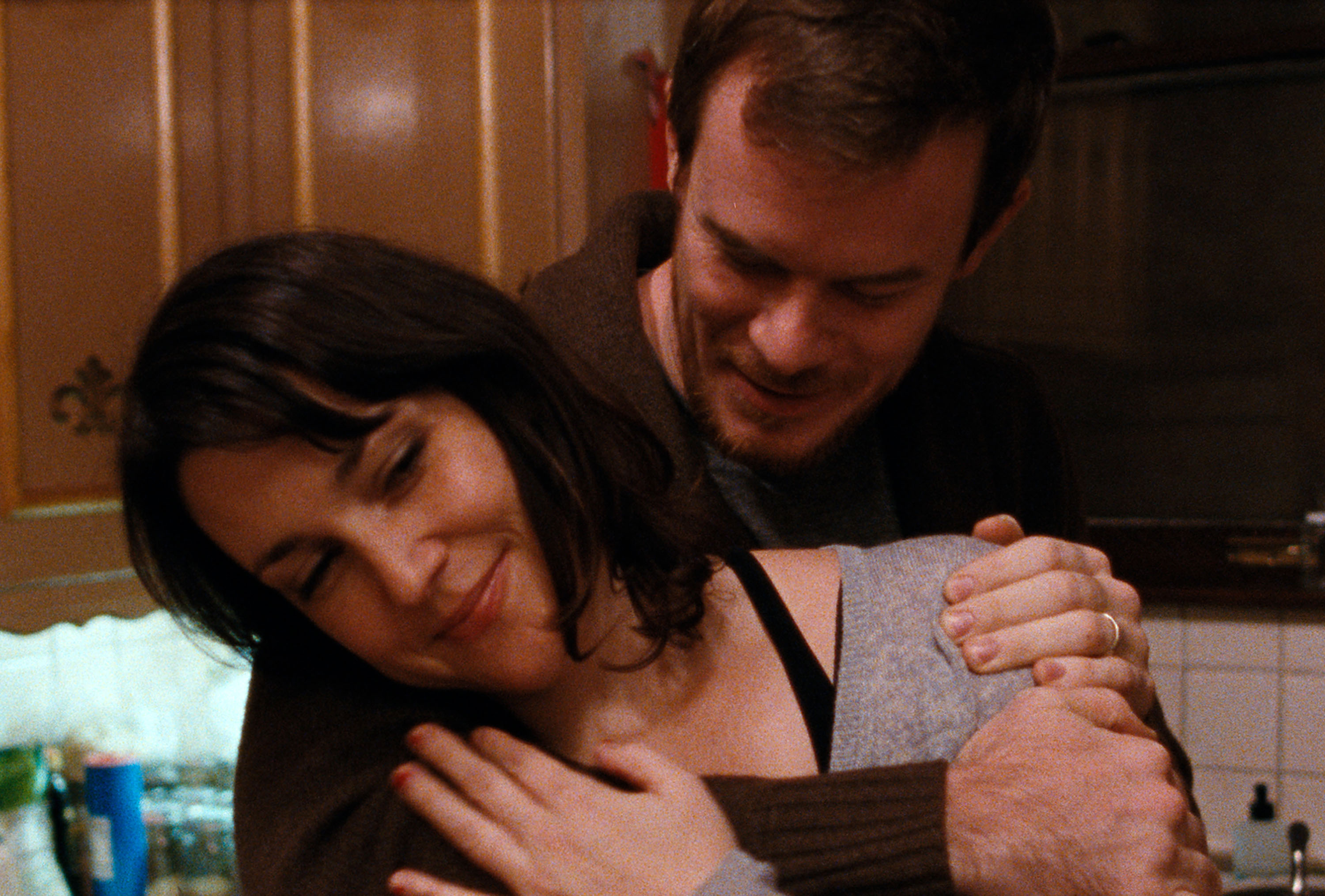
When working with established professional actors, Swanberg often acts as a facilitator, creating a safe space for them to step outside the rigidity of a scripted role. In Drinking Buddies, for instance, the chemistry between the leads is largely unscripted, providing a level of intimacy that many high-budget studio romantic comedies struggle to achieve. His role as the director is not to dictate movement, but to curate moments that feel authentic to the actors' real-life personalities.
Challenges and Criticisms of the Genre
The "mumblecore" label, while helpful for categorization, has often been a point of contention for Swanberg. Critics have frequently pointed to the narrow demographic scope of his early films—often featuring white, middle-class protagonists in urban settings—as a limitation to his narrative depth. Additionally, the reliance on improvisation can occasionally lead to films that feel unstructured or lacking in a cohesive thematic arc, a common critique of the broader mumblecore genre.
However, Swanberg’s resilience as a filmmaker lies in his ability to evolve. By integrating more structured narratives and exploring more diverse life stages—including the complexities of raising children—he has demonstrated a willingness to adapt his technical style to support more sophisticated storytelling, effectively silencing critics who once pigeonholed him as a filmmaker of "nothing happens" movies.
Frequently Asked Questions
What defines a "mumblecore" film? Mumblecore is characterized by low-budget production, naturalistic acting, and an emphasis on dialogue-driven, realistic scenarios. It usually features non-professional or semi-improvised performances and explores the personal, often mundane, struggles of young adults.
How does Joe Swanberg manage such high output? Swanberg’s efficiency stems from his minimalist production model. By utilizing digital technology, avoiding elaborate sets, and employing a core group of collaborators, he reduces the downtime associated with pre-production and logistics. He focuses on the essence of the scene rather than technical perfection.
Are Joe Swanberg’s films entirely improvised? No. While improvisation is a core element, Swanberg provides detailed narrative outlines, scene goals, and character history to his actors. The actors are not creating the story from scratch but are given a roadmap that allows for organic dialogue and spontaneous reactions.
What is the significance of the 2013–2015 era in his career? This period marked a transition into "post-mumblecore," where Swanberg achieved a wider audience by working with recognized actors in more clearly defined, yet still improvisational, narratives. Films like Drinking Buddies served as a bridge between his experimental roots and more mainstream-accessible cinema.
Can independent filmmakers replicate his model? Yes, the "Swanberg model" is highly replicable because it relies on the removal of financial and technical barriers. The prerequisite is a willingness to trade high production value for narrative authenticity, prioritizing the strength of the performance and the truth of the situation over cinematic scale.
Recommendations for Aspiring Creators
For those looking to adopt a similar approach to independent filmmaking, the most effective path is to begin with what is readily available. Identify the stories that exist within your immediate personal circles and professional environments. Swanberg’s success is built on the fact that he does not wait for a green light or a massive budget to tell a story; he utilizes the tools at hand—a camera, a location, and committed performers—to execute a vision.
The primary lesson from his career is that technical limitations should not be viewed as roadblocks but as artistic parameters. By embracing the constraints of your current environment, you can foster a more honest and grounded style of storytelling that resonates with audiences precisely because of its intimacy and authenticity.
Image Gallery