Understanding Fixed Cost Plus Variable Cost for Strategic Business Operations
Mastering the calculation of fixed cost plus variable cost allows business owners and financial analysts to determine total production expenses, establish profitable pricing models, and conduct accurate break-even analyses. By separati...
Mastering the calculation of fixed cost plus variable cost allows business owners and financial analysts to determine total production expenses, establish profitable pricing models, and conduct accurate break-even analyses. By separating expenses that remain constant from those that fluctuate with output volume, organizations gain complete visibility into their cost structure.
Contents
Introduction to Business Cost Structures
Every business operation relies on a clear understanding of its expenditure categories to achieve profitability and long-term viability. When evaluating financial statements or building operational budgets, decision-makers frequently encounter two foundational expense classifications: fixed costs and variable costs. Understanding fixed cost plus variable cost is not merely an accounting exercise; it forms the bedrock of managerial economics, pricing strategy, and capacity planning.
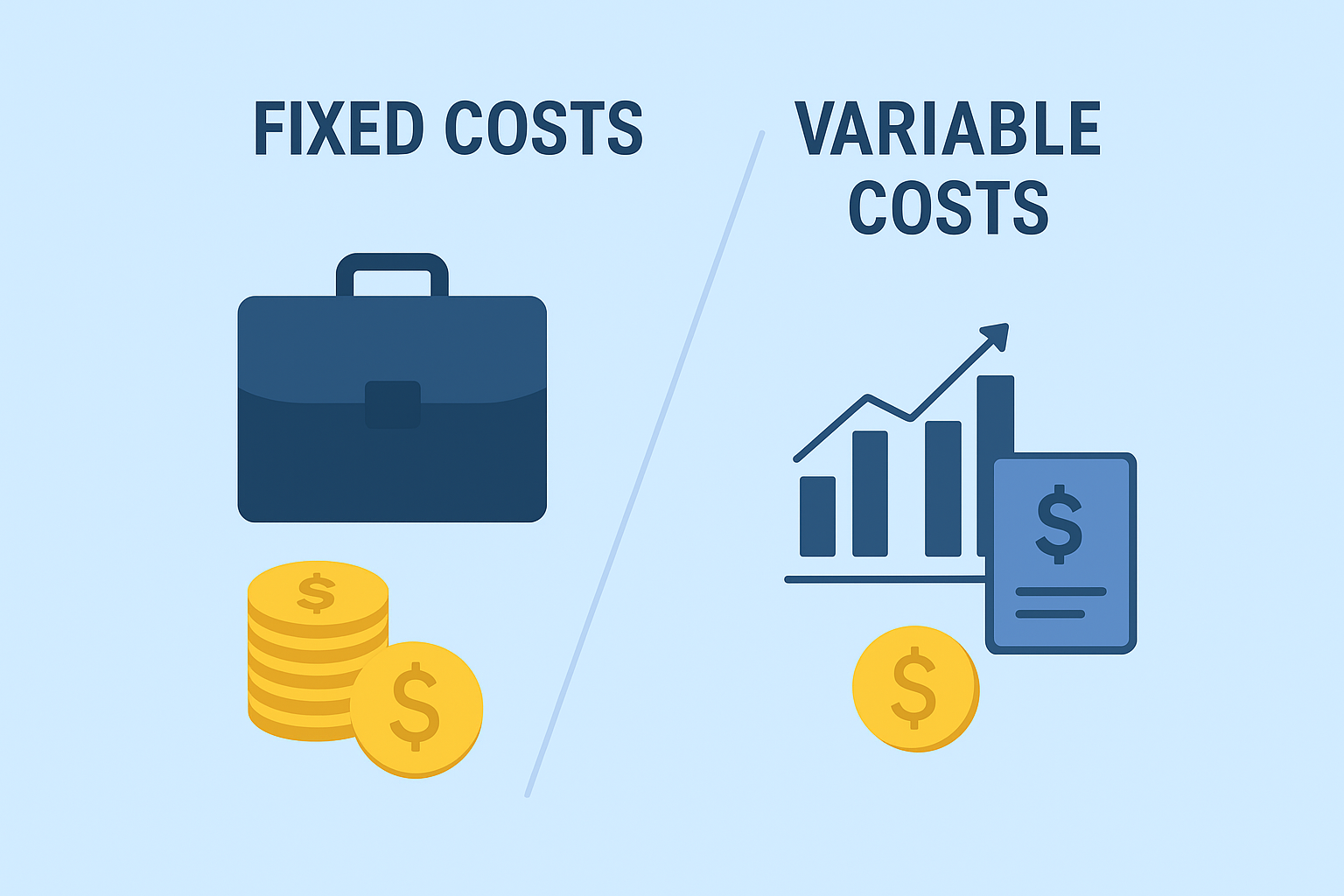
In financial terminology, costs are rarely uniform. Some expenses—such as factory rent, administrative salaries, and software subscriptions—stay entirely the same regardless of how many units a company manufactures or sells. Other expenses—such as raw materials, direct labor, and shipping fees—rise and fall in direct proportion to production volume. By combining these two distinct pillars, financial planners arrive at total operating expenses, which dictate the absolute minimum revenue required to keep a business solvent.
Resolving any potential ambiguity, this analysis focuses on microeconomic and managerial accounting principles where fixed costs and variable costs are aggregated to determine overall business expenditures and product pricing floors. This comprehensive guide breaks down definitions, calculation methods, comparative distinctions, practical examples, and strategic applications for businesses operating in 2026.
Defining Fixed Costs: The Baseline Expenses
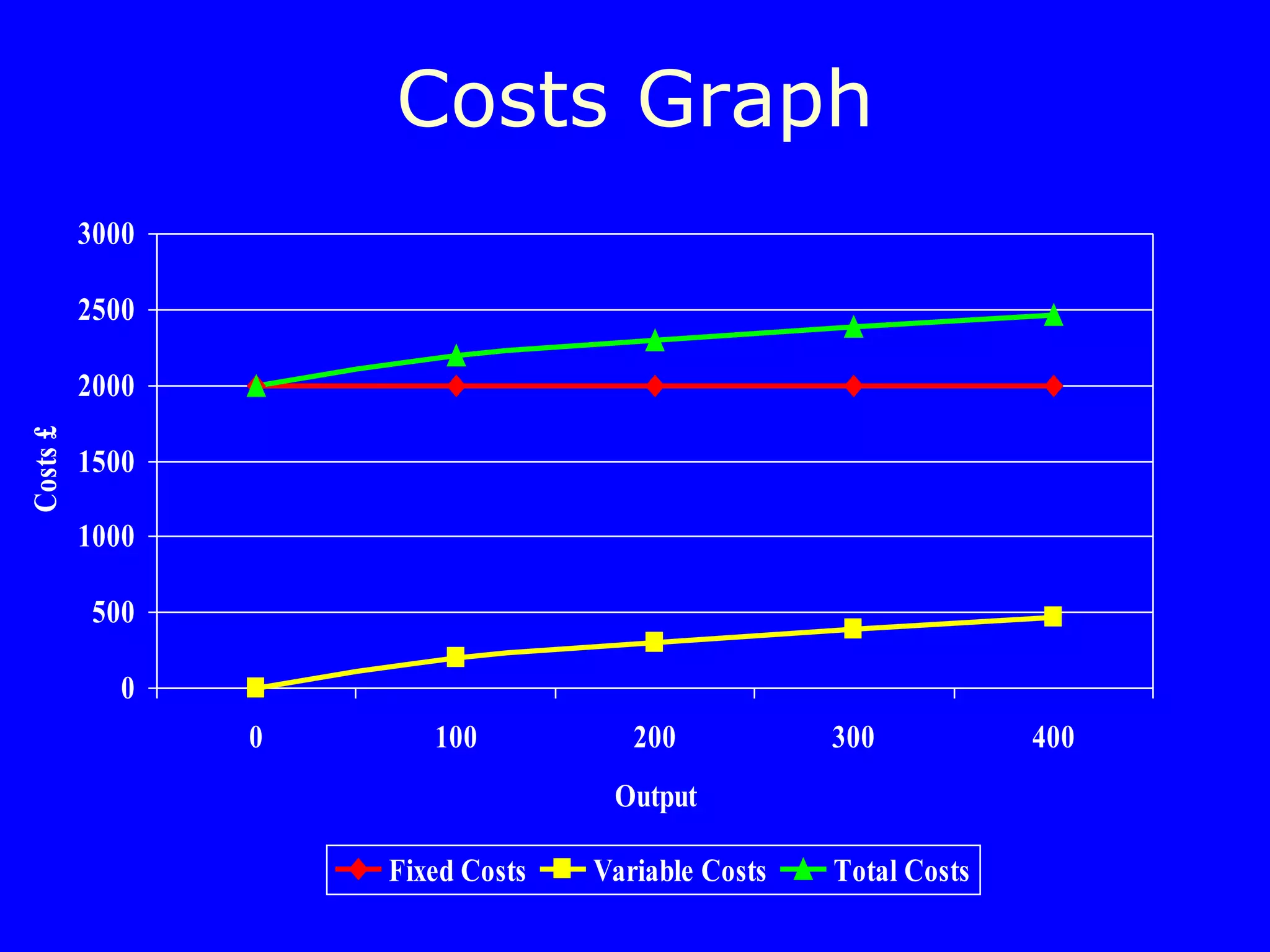
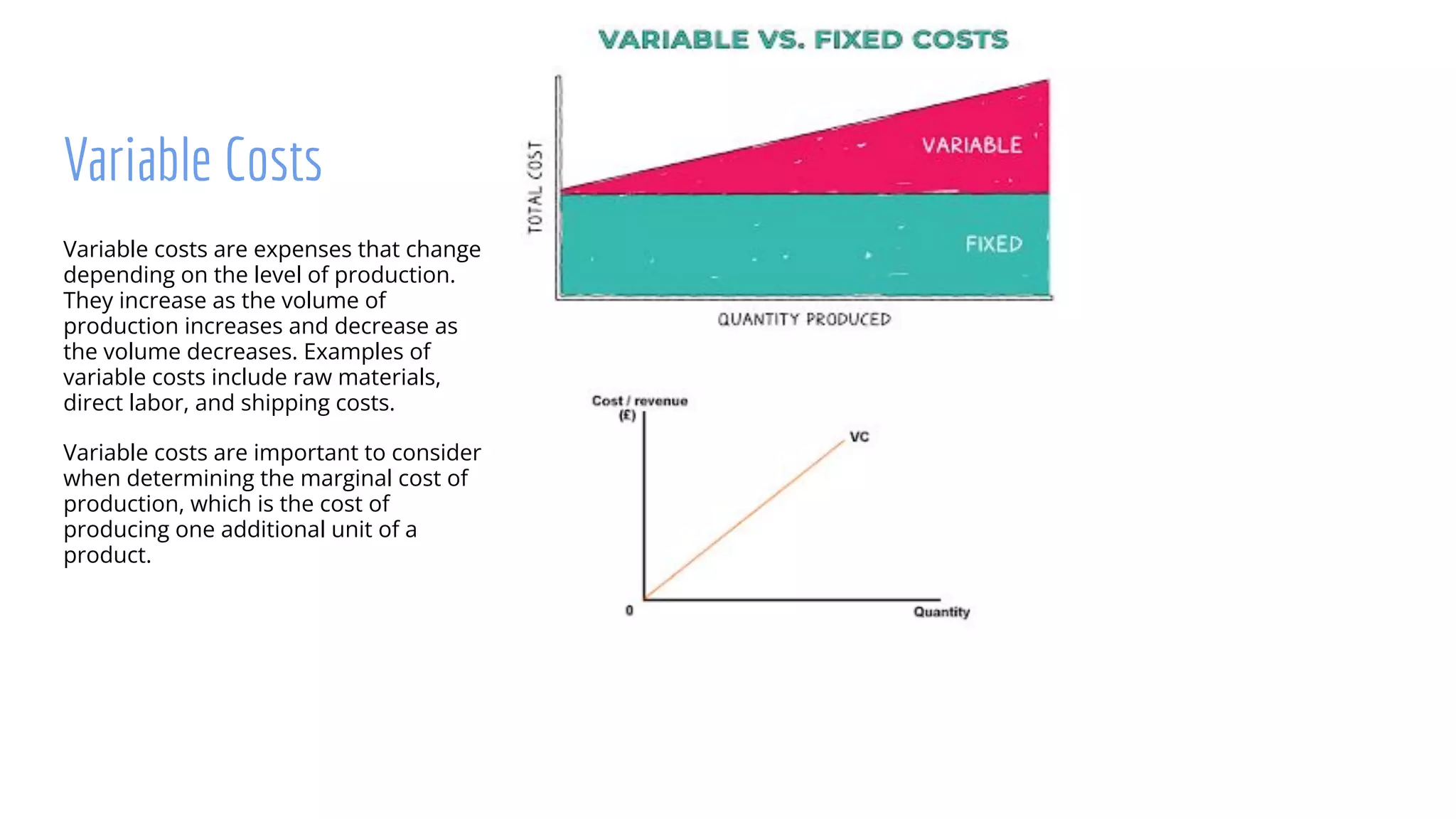
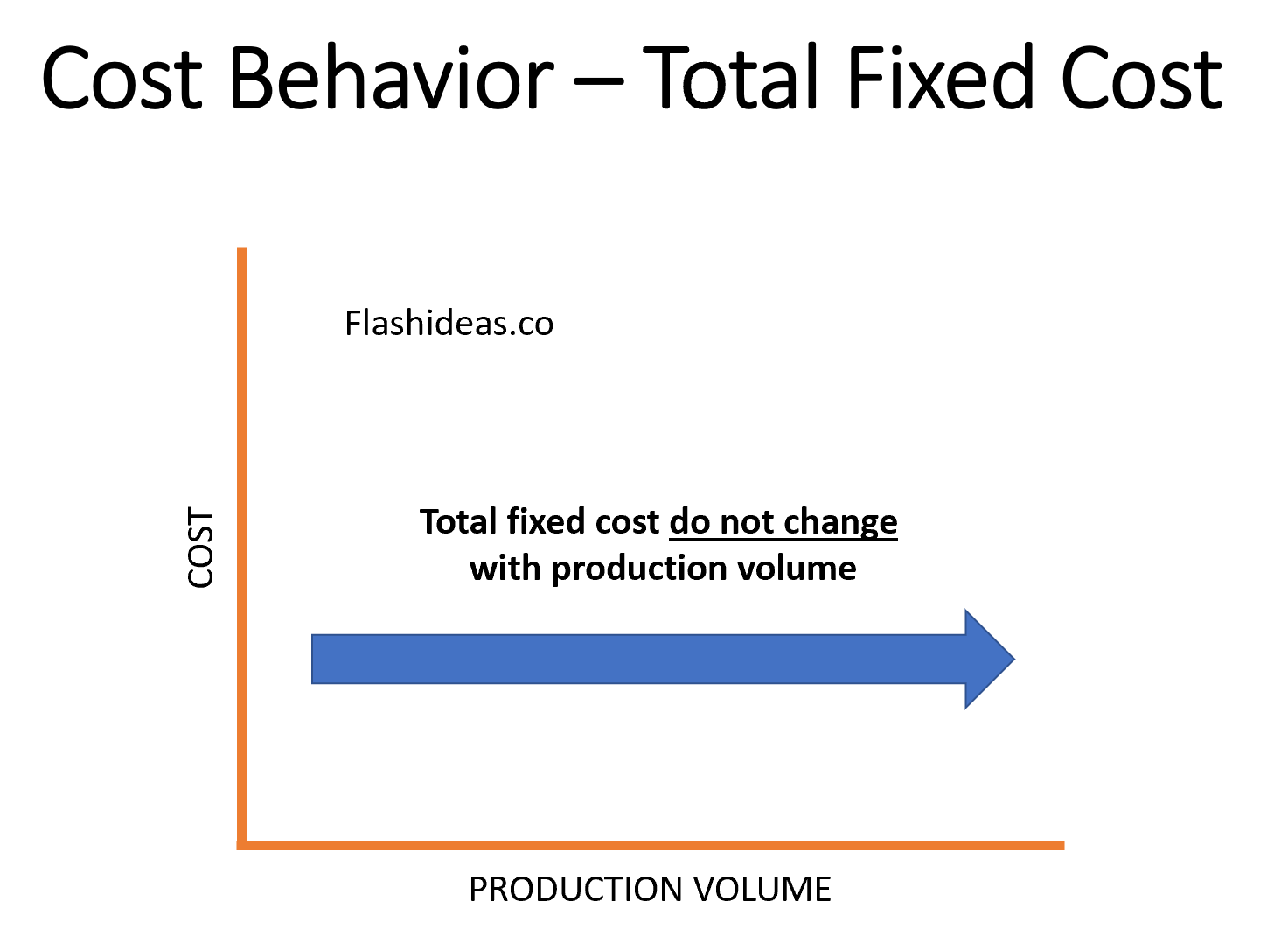
Fixed costs are expenses that do not change with the level of production or sales volume over a relevant range and specific time horizon. Whether a manufacturing plant produces zero units or operates at maximum capacity, these bills remain constant. Recognizing these expenditures is vital because they represent the risk a business assumes simply by opening its doors.
Key Characteristics of Fixed Costs
- Time-Bound Independence: They are typically incurred on a per-period basis (monthly, quarterly, or annually) rather than a per-unit basis.
- Volume Invariance: Increases or decreases in output do not trigger adjustments in these baseline costs.
- Relevant Range Limitation: Fixed costs are only fixed within a specific operating capacity. If a firm outgrows its current facility and must lease a second warehouse, fixed costs will step up to a new baseline.
Common Examples of Fixed Costs
Companies across every sector carry fixed obligations. Typical examples include:
- Facility Leases and Rent: The monthly payment for office space or a manufacturing plant.
- Salaries: Base compensation paid to permanent administrative, executive, and security personnel whose pay is independent of output.
- Depreciation: The systematic allocation of the cost of long-term assets, such as machinery or vehicles, over their useful lives.
- Insurance and Licenses: Regulatory fees, property insurance, and liability coverage necessary to operate legally.
- Committed Utilities: Base service fees for telecommunications, internet, and essential security monitoring.
Defining Variable Costs: Expenses Tied to Output
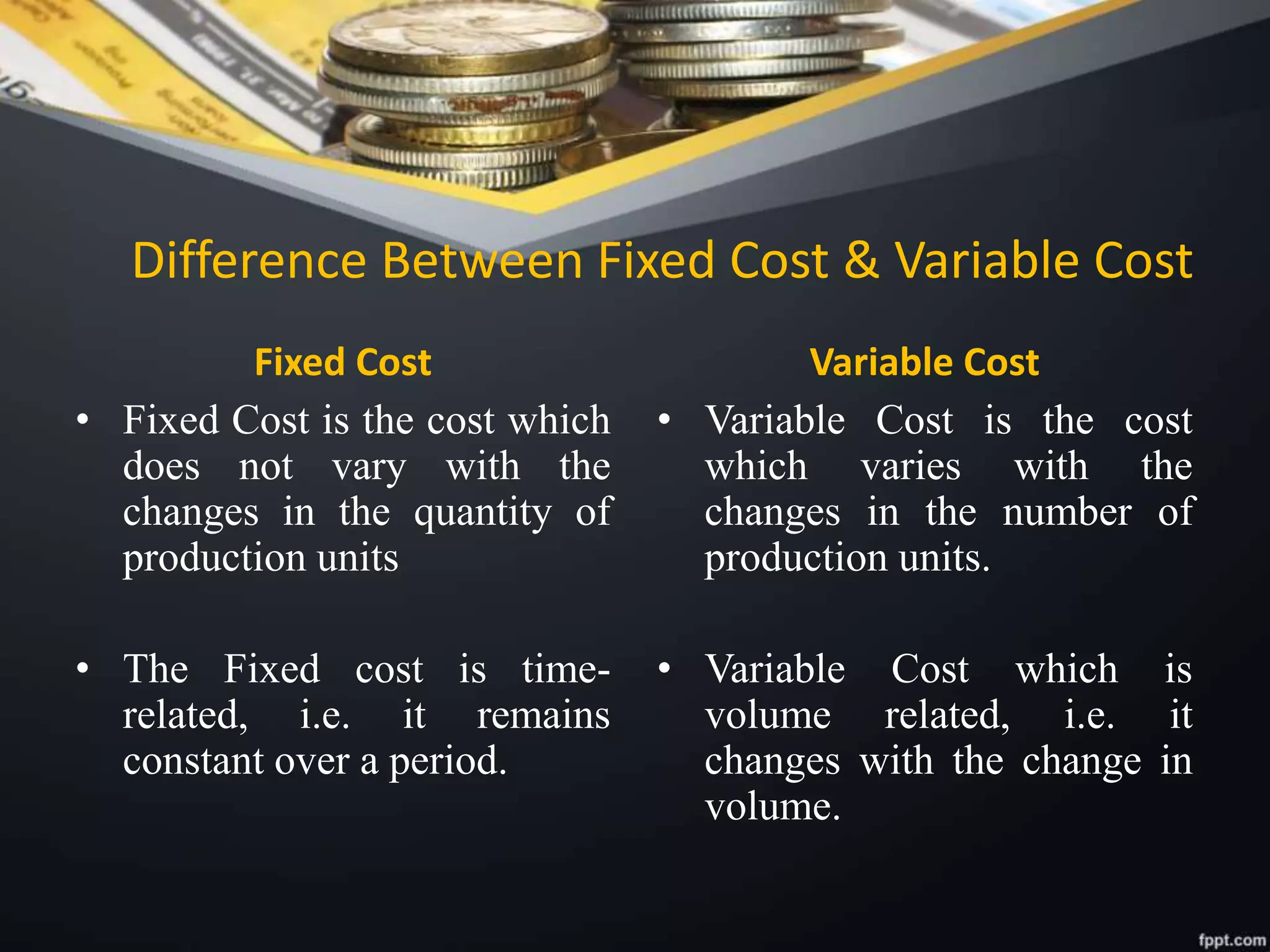
Variable costs are expenses that fluctuate directly and proportionately with changes in production volume or business activity. As production increases, variable costs increase; when production slows down or stops, these costs decrease or disappear entirely.
Key Characteristics of Variable Costs
- Output Proportionality: There is a direct mathematical relationship between the volume of goods or services produced and the total variable cost incurred.
- Per-Unit Stability: While total variable costs scale with volume, the variable cost per individual unit typically remains relatively constant.
- Immediate Responsiveness: These expenses are incurred only when production or sales activity takes place.
Common Examples of Variable Costs
Evaluating direct operational expenditures reveals several standard variable cost categories:
- Direct Materials: The raw components, packaging, and ingredients utilized directly in the manufacturing of a physical product.
- Piece-Rate or Hourly Direct Labor: Wages paid to assembly-line workers or contractors whose hours are logged strictly against production output.
- Sales Commissions: Incentive payments made to sales representatives calculated as a percentage of revenue generated.
- Shipping and Freight: Packaging materials, postage, and third-party delivery fees incurred per customer order.
- Production Energy: Electricity or fuel consumed specifically by manufacturing equipment during active operation runs.
The Mathematical Foundation: Fixed Cost Plus Variable Cost
Calculating total business expenses requires summing these two categories together. The standard economic and accounting formula is expressed as:
$$\text{Total Cost (TC)} = \text{Total Fixed Cost (TFC)} + \text{Total Variable Cost (TVC)}$$
To expand this equation for deeper financial modeling, variable cost can be broken down further by multiplying the variable cost per unit ($v$) by the total number of units produced ($Q$):
$$\text{TC} = \text{TFC} + (v \times Q)$$
This expanded formula allows financial analysts to forecast total expenses at varying levels of production without having to rebuild a budget from scratch for every potential output scenario.
Comparative Breakdown of Cost Categories
| Cost Metric | Behavior with Volume | Primary Examples | Impact on Business Strategy |
|---|---|---|---|
| Fixed Costs | Remains constant regardless of production changes. | Rent, executive salaries, property insurance, equipment depreciation. | Creates operating leverage; higher fixed costs yield greater profit margins at scale, but increase financial risk during downturns. |
| Variable Costs | Rises or falls proportionally with production output. | Raw materials, piece-rate labor, sales commissions, shipping fees. | Directly affects gross margins; efficient management of variable costs protects profitability as volume scales. |
Practical Application: Calculating Total Costs in Manufacturing
To understand how fixed cost plus variable cost operates in a real-world scenario, consider a mid-sized specialty furniture manufacturer operating in 2026.
Step 1: Aggregate Fixed Costs
The manufacturer incurs the following monthly fixed expenses:
- Factory Rent: $15,000
- Administrative Salaries: $25,000
- Equipment Depreciation: $5,000
- Insurance and Utilities: $5,000
- Total Fixed Cost (TFC): $50,000 per month
Step 2: Determine Variable Costs Per Unit
Building a single handcrafted wooden desk requires:
- Raw Lumber and Hardware: $120
- Direct Labor (Hourly assembly): $80
- Packaging and Shipping Materials: $50
- Variable Cost Per Unit ($v$): $250
Step 3: Model Total Costs Across Different Production Volumes
Using the formula $\text{TC} = \text{TFC} + (v \times Q)$, the manufacturer can project expenses for different monthly output targets:
- At 100 units produced: $$\text{TC} = $50,000 + ($250 \times 100) = $50,000 + $25,000 = $75,000$$
- At 500 units produced: $$\text{TC} = $50,000 + ($250 \times 500) = $50,000 + $125,000 = $175,000$$
- At 1,000 units produced: $$\text{TC} = $50,000 + ($250 \times 1,000) = $50,000 + $250,000 = $300,000$$
This step-by-step projection demonstrates that while fixed costs remain anchored at $50,000, total costs climb steadily as output expands due to the compounding effect of variable expenses.
Strategic Implications for Pricing and Break-Even Analysis
Knowing the exact sum of fixed and variable costs empowers executives to make informed decisions regarding product pricing, profit margins, and production limits.
Calculating the Break-Even Point
The break-even point is the exact operational threshold where total revenue equals total costs, resulting in zero profit and zero loss. To find the break-even point in units, businesses use contribution margin analysis, which relies heavily on understanding fixed and variable costs:
$$\text{Break-Even Point (Units)} = \frac{\text{Total Fixed Costs}}{\text{Price Per Unit} - \text{Variable Cost Per Unit}}$$
The denominator ($\text{Price} - \text{Variable Cost}$) is known as the contribution margin, representing the amount of revenue from each unit sold that goes toward covering fixed costs and generating net profit.
Operating Leverage and Risk Management
Firms with high fixed costs and low variable costs—such as automated software companies or heavy manufacturing plants—exhibit high operating leverage. Once their fixed costs are covered by initial sales, every additional unit sold yields a very high profit margin. Conversely, if sales drop below the break-even threshold, high fixed-cost structures can quickly drain cash reserves. Understanding this dynamic ensures that leadership teams balance risk and reward effectively.
Frequently Asked Questions
What is the primary difference between fixed and variable costs?
Fixed costs remain constant regardless of production volume changes, whereas variable costs rise and fall in direct proportion to production output. Understanding this distinction is essential for accurate budgeting and financial forecasting.
How do you calculate total cost using fixed and variable expenses?
Total cost is calculated by adding total fixed costs to total variable costs. The mathematical formula is $\text{TC} = \text{TFC} + (\text{Variable Cost Per Unit} \times \text{Quantity Produced})$.
Are semi-variable costs treated as fixed or variable?
Semi-variable (or mixed) costs contain both a fixed baseline charge and a variable component that scales with usage—such as utility bills with a base service fee plus a per-kilowatt-hour charge. In financial modeling, these are typically separated into their fixed and variable elements for accuracy.
Why is understanding fixed cost plus variable cost important for pricing products?
If a business sets its selling price below the variable cost per unit, it loses money on every sale. By calculating the sum of fixed and variable expenses, companies ensure their pricing model covers all production costs and generates a sustainable profit margin.
Can a fixed cost ever become a variable cost?
Yes, over the long term or beyond a specific "relevant range," fixed costs can change. For example, a company that outgrows its office space must rent an additional facility, turning what was a fixed expense into a higher fixed baseline.
Next Actions for Financial Analysis
To apply these principles effectively within your organization, begin by auditing your current general ledger to classify every expense accurately as either fixed or variable. Once classified, calculate your aggregate fixed costs and determine the exact variable cost per unit for your primary product lines. Utilize these figures to run break-even scenarios, evaluate pricing strategies, and identify opportunities to optimize operational efficiency.
Image Gallery