Comprehensive Guide to Progressive Permanent Life Insurance Options and Structures
Permanent life insurance offers lifelong financial protection combined with a cash value savings component, providing both a death benefit and potential asset accumulation. While Progressive Corporation is widely recognized as a major...
Permanent life insurance offers lifelong financial protection combined with a cash value savings component, providing both a death benefit and potential asset accumulation. While Progressive Corporation is widely recognized as a major property and casualty insurer specializing in auto, home, and commercial policies, it does not underwrite or issue permanent life insurance policies directly under its own brand. Instead, Progressive operates an insurance agency that partners with established third-party life insurance carriers—such as Banner Life (Legal & General America), Protective Life, and others—to offer term, universal, and whole life policies to consumers.
Contents
Navigating the landscape of permanent life insurance through a brokerage or multi-carrier platform requires understanding how these policies function, the differences between whole and universal life, and how to evaluate quotes from various issuing companies. Because permanent coverage remains in force for the policyholder's entire life as long as premiums are paid, selecting the right underlying carrier and product structure is a critical long-term financial decision.
Understanding Permanent Life Insurance Mechanics
Permanent life insurance differs fundamentally from term life insurance, which expires after a set period such as 10, 20, or 30 years. Permanent coverage is designed to last the insured’s entire life, provided required premiums are maintained. Beyond the guaranteed death benefit paid to beneficiaries upon the insured's passing, permanent policies feature a cash value account that grows over time on a tax-deferred basis.
The cash value component acts as an internal savings or investment vehicle within the policy. A portion of each premium payment is allocated toward the cost of insurance and administrative fees, while the remaining balance enters the cash value account. Policyholders can typically access this accumulated cash value during their lifetime through policy loans or withdrawals, though doing so can reduce the available death benefit and cash surrender value if not properly managed.
When exploring these policies through an agency channel like Progressive, consumers do not buy a proprietary "Progressive" permanent life policy. Rather, the agency matches the applicant’s profile with a partner carrier that best fits their underwriting requirements, financial goals, and budget constraints. This brokerage model allows buyers to compare multiple external insurance companies through a single interface or agent consultation.
Core Types of Permanent Life Insurance Available Through Multi-Carrier Agencies
Permanent life insurance encompasses several distinct structural variations. Each option balances risk, premium cost, cash value growth potential, and flexibility differently.
Whole Life Insurance
Whole life insurance is the most traditional and straightforward form of permanent coverage. It features fixed, level premiums that never increase over the life of the policy, a guaranteed death benefit, and a guaranteed rate of return on the cash value.
- Predictability: Premium payments and cash value growth schedules are locked in at inception.
- Dividends: Policies issued by mutual insurance companies may pay annual dividends, which policyholders can use to reduce premiums, buy additional paid-up insurance, or accumulate cash interest.
- Trade-off: Whole life generally requires higher initial premium payments compared to term or universal life options due to its guarantees.
Universal Life (UL) Insurance
Universal life insurance introduces greater flexibility into permanent coverage. Policyholders can adjust their premium payments and death benefit amounts within certain contractually defined limits, responding to changing financial circumstances.
- Flexibility: If financial circumstances tighten, a policyholder can sometimes use accumulated cash value to cover the monthly cost of insurance, reducing out-of-pocket premium payments temporarily.
- Adjustable Death Benefit: Options are often available to increase the death benefit (subject to insurability) or decrease it to lower the net cost.
- Trade-off: If insufficient premiums are paid and cash value depletes, universal life policies can lapse, requiring higher premium injections to keep them active.
Indexed Universal Life (IUL) and Variable Universal Life (VUL)
For individuals seeking growth tied to financial market performance, specialized universal life variants exist:
- Indexed Universal Life: Cash value crediting is linked to the performance of a major stock market index, such as the S&P 500, with a guaranteed floor (often 0%) to protect against market downturns and a capped maximum growth rate.
- Variable Universal Life: Cash value is invested directly into sub-accounts resembling mutual funds, exposing the policyholder to higher market risk alongside the potential for higher returns.
Comparing Permanent Life Insurance Structures
Evaluating the structural differences between policy types helps clarify which product aligns best with specific financial planning objectives.
| Feature | Whole Life Insurance | Universal Life Insurance | Indexed Universal Life |
|---|---|---|---|
| Premium Payments | Fixed and level for life | Flexible within contract limits | Flexible within contract limits |
| Death Benefit | Guaranteed and fixed | Adjustable | Adjustable |
| Cash Value Growth | Guaranteed fixed interest rate | Credited based on current interest rates | Linked to market index performance with a floor |
| Risk Level | Low (guaranteed terms) | Moderate (subject to interest rate changes) | Moderate-High (tied to market indices) |
| Primary Advantage | Maximum certainty and predictability | Premium flexibility and adjustable benefits | Market upside potential with downside protection |
The Application and Underwriting Process
Applying for permanent life insurance through an agency platform involves several structured stages. Because permanent policies involve substantial financial commitments and lifetime guarantees, carriers enforce rigorous underwriting standards.
- Needs Analysis and Quote Comparison: The process begins by determining the appropriate coverage amount and policy type. Agents or online comparison tools examine quotes from various issuing carriers represented by the agency.
- Formal Application: The applicant submits detailed personal, financial, and medical history information. This includes current income, asset verification, lifestyle habits, and family medical history.
- Medical Underwriting: Most permanent policies require a paramedical exam, which typically involves drawing blood and collecting urine samples, measuring height, weight, and blood pressure, and recording an electrocardiogram (EKG) for older applicants or high coverage amounts. Some simplified issue permanent products exist but generally offer lower face values and higher premium rates.
- Underwriting Review and Offer: The issuing carrier's underwriters evaluate the medical exam results and records from the Medical Information Bureau (MIB) and prescription databases. The carrier then assigns a risk classification (e.g., Preferred Plus, Standard, Substandard) that determines the final premium rate.
- Policy Delivery and Activation: Once the applicant accepts the formal offer and pays the initial premium, the policy goes into effect, initiating the contestability and suicide exclusion periods standard in life insurance contracts.
Key Factors Influencing Permanent Life Insurance Costs
Insurance carriers calculate permanent life insurance premiums using actuarial tables and specific risk variables. Understanding these factors helps applicants anticipate pricing structures:
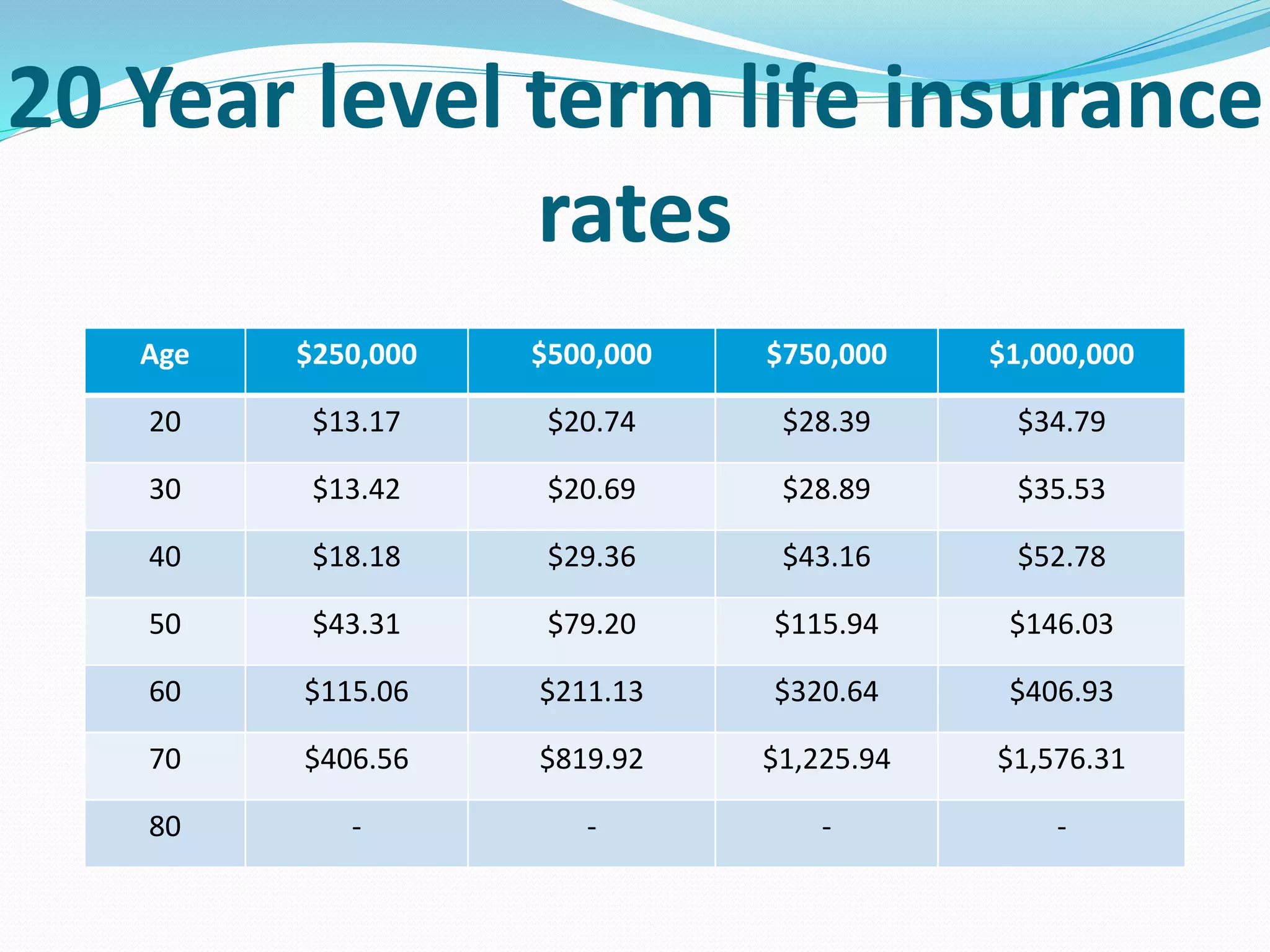
- Age at Application: Premium rates increase significantly with each year of age. Securing permanent coverage earlier in life locks in a lower base cost of insurance.
- Health Classification: Tobacco use, high blood pressure, elevated cholesterol, body mass index (BMI), and chronic medical conditions elevate risk classifications, resulting in higher premiums.
- Coverage Amount (Face Value): Higher death benefits require larger capital reserves from the insurer, increasing the periodic premium requirement.
- Product Selection: Whole life policies generally command higher initial premiums than universal life policies due to fixed guarantees.
Advantages and Limitations of Agency-Based Permanent Life Insurance Shopping
Utilizing an insurance agency like Progressive to source permanent life insurance offers distinct operational pros and cons.
Advantages
- Market Access: Rather than being restricted to a single captive insurer, applicants can review options across multiple independent life carriers through one broker.
- Convenience: Digital quoting tools simplify the initial exploratory phase, allowing consumers to estimate costs before speaking with a licensed representative.
- Personalized Guidance: Licensed agents assist in navigating complex underwriting requirements and structuring appropriate death benefit amounts.
Limitations
- Agency Independence Limits: The agency itself does not service or guarantee the life insurance policy; the issuing carrier bears 100% of the financial responsibility for paying claims.
- Varying Availability: Partner carriers and specific product availability can vary depending on the applicant's state of residence and local regulatory environments.
- Third-Party Customer Service: Once the policy is issued, policy maintenance, cash value loans, and claims processing are handled directly by the issuing life insurance company rather than the quoting agency.
Frequently Asked Questions
Does Progressive sell its own brand of permanent life insurance?
No. Progressive does not underwrite life insurance policies directly. Instead, it operates as an agency that partners with established third-party life insurance carriers to offer term and permanent life insurance products to consumers.
What is the main difference between term and permanent life insurance?
Term life insurance provides coverage for a specific number of years and does not build cash value, making it ideal for temporary needs like income replacement during child-rearing years. Permanent life insurance lasts for the insured's entire life and includes a cash value savings component that grows tax-deferred.
Can I borrow against the cash value of a permanent life policy?
Yes. Most permanent life insurance policies allow policyholders to take policy loans or withdrawals against their accumulated cash value. However, outstanding loans accrue interest and will reduce the final death benefit if they are not repaid before the insured's death.
How do I choose between whole life and universal life insurance?
Whole life insurance is best suited for individuals who prioritize absolute financial certainty, fixed premiums, and guaranteed cash value growth. Universal life insurance appeals to those who require premium flexibility and adjustable death benefits to accommodate fluctuating financial situations over time.
What happens if I stop paying premiums on a permanent life insurance policy?
If premium payments cease and the policy has accumulated sufficient cash value, the policy may use its internal cash value to pay the monthly insurance costs automatically (in a universal life policy). Alternatively, the policy may be converted to a reduced paid-up status, or it may lapse entirely if cash reserves are exhausted.
Practical Next Steps
For individuals considering permanent life insurance, the most effective starting point is to conduct a thorough personal financial audit to determine the exact coverage amount required for estate planning, dependent protection, or long-term savings goals. Requesting quotes through an agency platform allows for a side-by-side comparison of multiple external carriers. Because life insurance underwriting heavily depends on current health status, consulting with an independent licensed insurance professional can help clarify which underlying carrier offers the most competitive rates for specific medical or lifestyle profiles.
Image Gallery