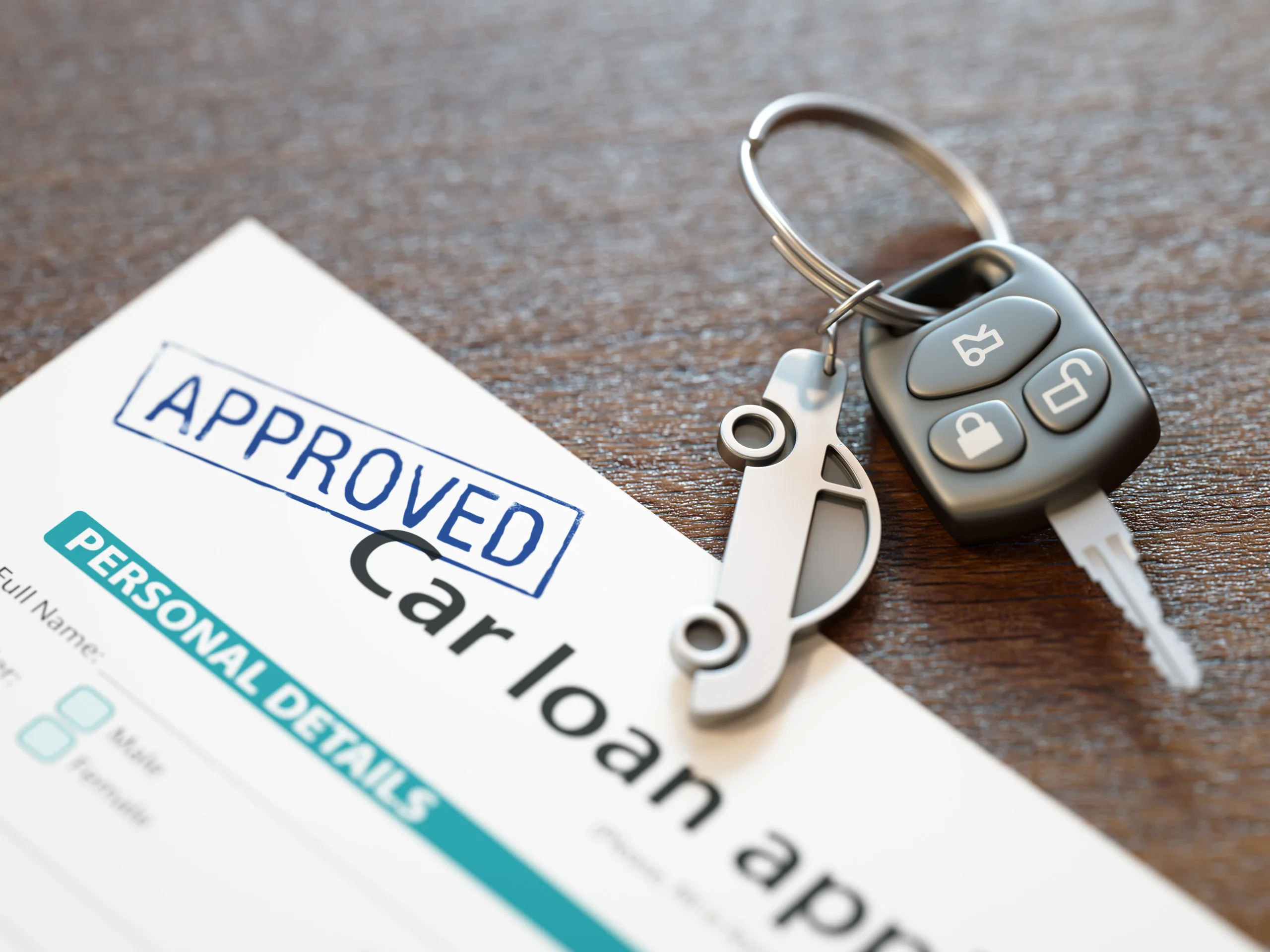
Navigating Car Title Loans in Virginia Beach: Costs, Regulations, and Alternatives
Car title loans in Virginia Beach offer short-term cash by using a vehicle's clear title as collateral, though they carry strict repayment terms and high interest rates. Borrowers must weigh local consumer protection laws, eligibility...
Car title loans in Virginia Beach offer short-term cash by using a vehicle's clear title as collateral, though they carry strict repayment terms and high interest rates. Borrowers must weigh local consumer protection laws, eligibility rules, and alternative financial resources before committing their personal transportation to a secured loan agreement.
Contents
Understanding Car Title Loans in Virginia Beach
Car title loans represent a distinct category of short-term, high-cost secured financing. In this arrangement, a borrower who owns their vehicle outright—meaning there is no active lien or financing balance remaining with a traditional auto lender—transfers temporary security interest in the vehicle's title to a lender in exchange for cash. The primary appeal for consumers facing acute cash flow crunches is speed and accessibility. Traditional banking institutions and credit unions often require weeks of underwriting, extensive credit checks, and stable proof of long-term employment. In contrast, title loan storefronts and online platforms often disburse funds within hours, focusing primarily on the equity value of the automobile rather than the borrower's credit score.
However, this accessibility comes with significant structural risks. Because the loan is secured directly by the vehicle, a default or failure to meet the strict weekly or monthly repayment schedule can result in immediate repossession. For residents of Virginia Beach, where public transit options can be limited outside of major commercial corridors, losing a personal vehicle can severely disrupt daily commuting, employment security, and family management. Consequently, approaching these financial products requires an analytical understanding of how they operate, how much they actually cost, and what legal frameworks govern them within the Commonwealth of Virginia.
Regulatory Framework and Consumer Protections in Virginia
The operational landscape for short-term lending in Virginia has undergone significant legislative reforms in recent years. Understanding these statutes is essential for any borrower evaluating a car title loan within Virginia Beach. Historically, the state's regulatory environment allowed for various forms of high-interest credit, but legislative actions such as the Virginia Fairness in Lending Act have overhauled how consumer loans, including open-end and closed-end credit products, are structured.
Under current Virginia law, lenders are subject to strict caps on interest rates, maximum loan amounts, and fee structures for consumer installment loans. These regulations are designed to curb predatory lending practices that previously trapped vulnerable borrowers in cycles of perpetual debt renewal, often referred to as rollovers. Lenders operating within Virginia Beach must be licensed by the Virginia State Corporation Commission (SCC). Borrowers should always verify a lender's licensing status through the SCC's financial institutions division before signing any agreement. Unlicensed lenders operating online or through local storefronts bypass state consumer protections, exposing borrowers to illegal collection tactics, exorbitant hidden fees, and a complete lack of state-level dispute resolution options.
Furthermore, Virginia law mandates specific disclosures regarding the Annual Percentage Rate (APR), the total finance charges over the life of the loan, and the exact consequences of default. Lenders must provide a clear, written breakdown of how payments are applied to principal versus interest. If a vehicle is repossessed due to default, state regulations dictate specific notice periods, storage fee limits, and surplus distribution rules if the vehicle is subsequently sold at auction. Reviewing these statutory protections helps consumers recognize predatory contract clauses that deviate from standard Virginia lending practices.
Eligibility Requirements and Application Mechanics
Securing a car title loan requires meeting specific physical and financial prerequisites established by the lender within the boundaries of state law. Unlike unsecured personal loans or credit cards, the underwriting process centers almost exclusively on the collateral asset and the borrower's verified ability to repay the specific installment amounts.
Vehicle Equity and Clear Title Status
The foundational requirement is a clear title. A clear title means the borrower's name is listed on the Department of Motor Vehicles (DMV) title document without any active liens from banks, credit unions, or prior lenders. If a car has any remaining financing balance, it cannot be used for a title loan. Additionally, the loan amount is almost never equal to the total market value of the vehicle; lenders typically cap the loan at a fraction—often 25% to 50%—of the vehicle's wholesale or trade-in value, as determined by valuation guides like Kelley Blue Book or NADA.
Documentation Checklist for Applicants
Borrowers in Virginia Beach typically need to present a standardized set of documents to complete an application. Having these materials organized beforehand streamlines the underwriting process:
- Government-Issued Photo Identification: A valid driver's license or state ID confirming the applicant is at least 18 years of age.
- The Original Vehicle Title: The physical title document, free of liens, signed and ready for transfer of security interest.
- Proof of Residency: Utility bills, lease agreements, or mortgage statements establishing a permanent address in the local area.
- Proof of Income: Recent pay stubs, bank statements, or official documentation proving regular income from employment, disability, social security, or self-employment to demonstrate repayment capacity.
- The Vehicle Itself: Lenders require a physical inspection of the automobile to verify its mechanical condition, mileage, and general cosmetic state.
- Additional References: Contact information for personal or professional references, depending on the lender's internal underwriting rules.
| Loan Feature | Traditional Bank Loan | Car Title Loan |
|---|---|---|
| Speed of Funding | 3 to 7 business days | Same day or within 24 hours |
| Credit Check Requirement | Rigorous (FICO score heavily weighted) | Minimal or none (focus is on equity) |
| Collateral Required | None (unsecured) or vehicle lien | Clear vehicle title |
| Interest Rates (APR) | Moderate (typically 6% to 36%) | Extremely high (frequently triple digits) |
| Risk of Asset Loss | Low (only after prolonged legal default) | High (rapid repossession upon missed payment) |
Financial Costs and Hidden Risks
Before executing a title loan agreement, borrowers must calculate the true cost of borrowing against their vehicle equity. While the headline figures might suggest a manageable short-term fix, the compounding nature of interest and fees can quickly inflate the total debt burden far beyond the initial cash advance.
Interest rates on title loans are notoriously high. Because lenders assume higher risk by bypassing traditional credit checks, they offset this risk by charging maximum allowable interest rates permitted by state statute. When converted to an Annual Percentage Rate, these costs can range from 100% to over 300% annually. For example, borrowing a few hundred or a few thousand dollars over a 30-day or 60-day term can result in finance charges that rival or exceed the principal amount borrowed if payments are delayed or rolled over.
Another critical risk is the "rollover" trap. If a borrower cannot make the lump-sum payment or large installment due at the end of the term, the lender may offer to roll the loan over into a new term. This practice adds new fees and accumulates interest on top of existing interest, rapidly multiplying the original debt. Within a few cycles, the total owed can outstrip the actual cash value of the car, guaranteeing a loss of transportation if the borrower ultimately surrenders the vehicle or faces repossession. Furthermore, repossession brings additional costs: towing fees, impound storage charges, and administrative processing fees are routinely added to the borrower's balance before the vehicle can be redeemed or auctioned.
Alternatives to Car Title Loans in Virginia Beach
Because the financial risks associated with car title loans are severe, financial counselors and consumer advocates strongly recommend exhausting all alternative funding avenues before turning to vehicle equity loans. Virginia Beach residents have access to several mainstream and community-based resources that can address short-term liquidity crises with lower costs and reduced risk of asset forfeiture.
Credit Unions and Traditional Banks
Local credit unions, such as those serving military personnel, municipal workers, or general residents in the Hampton Roads area, frequently offer small-dollar, short-term consumer loans designed specifically to combat predatory lending. These "payday alternative loans" (PALs) feature heavily regulated interest rates, structured repayment terms over several months, and reporting to major credit bureaus, which helps build or repair credit history.
Emergency Assistance Programs
Numerous non-profit organizations, religious charities, and municipal agencies operate emergency relief funds in Virginia Beach. Programs managed by organizations like the United Way of Hampton Roads (often accessible via 2-1-1 services) or local community action agencies provide direct financial assistance for critical utilities, rent, or medical emergencies, preventing the need to leverage personal assets for cash flow.
Employer Advances and Peer-to-Peer Options
Many modern employers offer earned wage access (EWA) benefits, allowing employees to draw against wages they have already earned prior to the scheduled payday for a nominal fee. Additionally, negotiating payment extensions directly with creditors, landlords, or utility providers can buy necessary time without incurring high-interest debt or risking repossession.
Frequently Asked Questions About Virginia Beach Car Title Loans
Do I need good credit to get a car title loan in Virginia Beach?
No. Title lenders evaluate the application primarily on the equity value of the vehicle and proof of income rather than credit history. Past bankruptcies or low credit scores generally do not disqualify an applicant, provided the car has a clear title and sufficient market value.
Can I still drive my car while the title loan is active?
Yes. In almost all standard title loan agreements, the borrower retains physical possession and daily use of the vehicle throughout the repayment period. The lender holds only the legal title document or a security lien as collateral until the loan is paid in full.
What happens if I miss a payment on my title loan?
Missing a payment or failing to meet the agreed repayment schedule constitutes a default. Under Virginia law and contract terms, the lender has the legal right to repossess the vehicle without advanced notice, subject to statutory guidelines. Once repossessed, the car may be sold at auction to satisfy the debt.
Are online title lenders legal in Virginia Beach?
Online lenders must be properly licensed by the Virginia State Corporation Commission to operate legally within the state. Borrowers should verify licensing credentials independently, as unlicensed online lenders frequently operate outside state consumer protection laws, charging illegal fees and employing aggressive collection methods.
How is the loan amount determined?
The maximum loan amount is calculated as a percentage of the vehicle's verified wholesale or trade-in value. Factors influencing this valuation include the make, model, year, mileage, overall mechanical condition, and local market demand for that specific automobile.
Strategic Next Steps for Borrowers
Before engaging with a car title loan provider in Virginia Beach, take time to evaluate your exact financial shortfall, total debt-to-income ratio, and available alternatives. If a title loan is your only viable option to prevent an immediate, catastrophic emergency—such as utility shutoff or loss of primary employment—ensure you borrow the absolute minimum required, draft a strict repayment budget before signing, and verify the lender's active license with the Virginia State Corporation Commission to guarantee compliance with state consumer protection statutes.
Image Gallery