The RGIS Meaning Explained: Understanding Inventory Solutions and the Global Leader
RGIS stands for Retail Grocery Inventory Specialists, though the company has long since evolved to become RGIS, Inventory Specialists, operating globally as a premier provider of inventory control, merchandising, and supply chain solut...
RGIS stands for Retail Grocery Inventory Specialists, though the company has long since evolved to become RGIS, Inventory Specialists, operating globally as a premier provider of inventory control, merchandising, and supply chain solutions. Understanding the RGIS meaning requires looking at both its corporate heritage in retail auditing and its modern-day expansion into advanced inventory management technologies for diverse sectors including retail, healthcare, manufacturing, and logistics.
Contents
The Evolution of the RGIS Name and Identity
The acronym RGIS originated with its founding in 1958 by Wayne Albritton in the United States. Initially, the core service model centered on providing independent physical inventory counting services for grocery stores and supermarkets. In an era before barcode scanners, computerized point-of-sale systems, and automated supply chains, grocery stores required armies of temporary or specialized auditors to manually count stock on shelves and in backrooms.
As retail formats evolved over subsequent decades, expanding from traditional grocery outlets to hypermarkets, department stores, and specialty shops, the company outgrew its original descriptive name. While the legal and brand identity transitioned primarily to the initialization "RGIS," the historical meaning remains foundational to its business model. Today, the organization operates internationally, managing complex inventory challenges for some of the world's largest retail and commercial enterprises.
Beyond simple counting, the modern definition of RGIS encompasses asset tracking, supply chain visibility, space management, and optimization services. By retaining the recognizable acronym, the company maintains continuity with its historical roots while signaling a broader technological and geographic scope.
Core Services Associated with RGIS
To fully grasp the meaning of RGIS in contemporary commerce, one must examine the specific operational services the company provides to commercial enterprises. Inventory auditing remains the anchor service, but the scope has broadened considerably to address modern logistical demands.
Physical Inventory Audits
The primary service offering involves deploying trained audit teams equipped with proprietary handheld scanning devices to conduct physical stock counts. These audits ensure that a retailer's or warehouse's book inventory matches physical stock levels, mitigating shrinkage, internal theft, and administrative errors. Retailers typically schedule these audits annually, semi-annually, or on a rolling cycle-count basis.
Merchandising and Store Support
Beyond counting, RGIS personnel execute merchandising tasks such as product resets, planogram implementation, display assembly, and promotional rollouts. This service bridges the gap between logistical auditing and retail execution, helping stores optimize shelf space and visual presentation without diverting permanent in-store staff from customer service.
Optimization and Supply Chain Solutions
Modern supply chain management requires real-time data visibility. RGIS provides asset tracking solutions for healthcare facilities, manufacturing plants, and educational institutions. This involves tagging and tracking high-value movable assets—such as medical equipment or IT hardware—to prevent loss and ensure regulatory compliance.
| Service Category | Primary Function | Target Sectors |
|---|---|---|
| Physical Audits | Counting and reconciling stock on hand | Retail, Grocery, Convenience |
| Merchandising | Planogram execution, shelf resets, displays | Retail Chains, Department Stores |
| Asset Tracking | Locating and managing movable equipment | Healthcare, Logistics, Education |
| Supply Chain Support | Data collection, verification, and analytics | Warehousing, Manufacturing |
Why Businesses Rely on Third-Party Inventory Specialists
Utilizing an external provider like RGIS serves distinct operational and financial purposes for corporate leadership. Maintaining an in-house team dedicated solely to physical inventory audits is rarely cost-effective for retail chains operating hundreds or thousands of locations.
Objectivity and Accuracy
Internal employees auditing their own stores may inadvertently or intentionally miscount items due to time pressure or familiarity bias. Third-party auditors provide independent, objective verification of inventory valuation, which is critical for accurate financial reporting, tax assessments, and loss prevention audits.
Minimizing Business Disruption
Retail stores and warehouses operate on tight schedules. Conducting an annual inventory count internally often requires closing the store or overworking staff through overnight shifts, leading to fatigue and errors. RGIS deploys specialized mobile workforces capable of executing rapid, high-accuracy counts during off-hours, allowing businesses to resume normal operations with minimal downtime.
Technological Infrastructure
Effective inventory auditing relies on sophisticated hardware and software ecosystems. RGIS utilizes proprietary data collection terminals, cloud-based reporting platforms, and advanced barcode and RFID scanning tools. Investing in such specialized infrastructure independently would impose substantial capital expenditure burdens on individual retailers.
The Operational Model: How RGIS Audits Are Conducted
Understanding how an RGIS audit functions reveals the technical depth behind large-scale inventory management. The process requires meticulous planning, synchronization between client systems and auditor software, and rigorous quality control protocols.
1. Pre-Audit Preparation
Weeks before the actual count, project managers collaborate with the client to define the scope, map the store layout, and establish cut-off procedures. This ensures that incoming shipments and outgoing returns are properly accounted for or excluded from the physical count window to prevent double-counting or omissions.
2. Deployment and Data Collection
On the scheduled date, an audit crew leader assigns zones to individual auditors. Using mobile handheld terminals loaded with the client's item master database, auditors scan barcodes or key-enter quantities. The system instantly validates item numbers against the client database, flagging unknown or discontinued items for review.
3. Reconciliation and Reporting
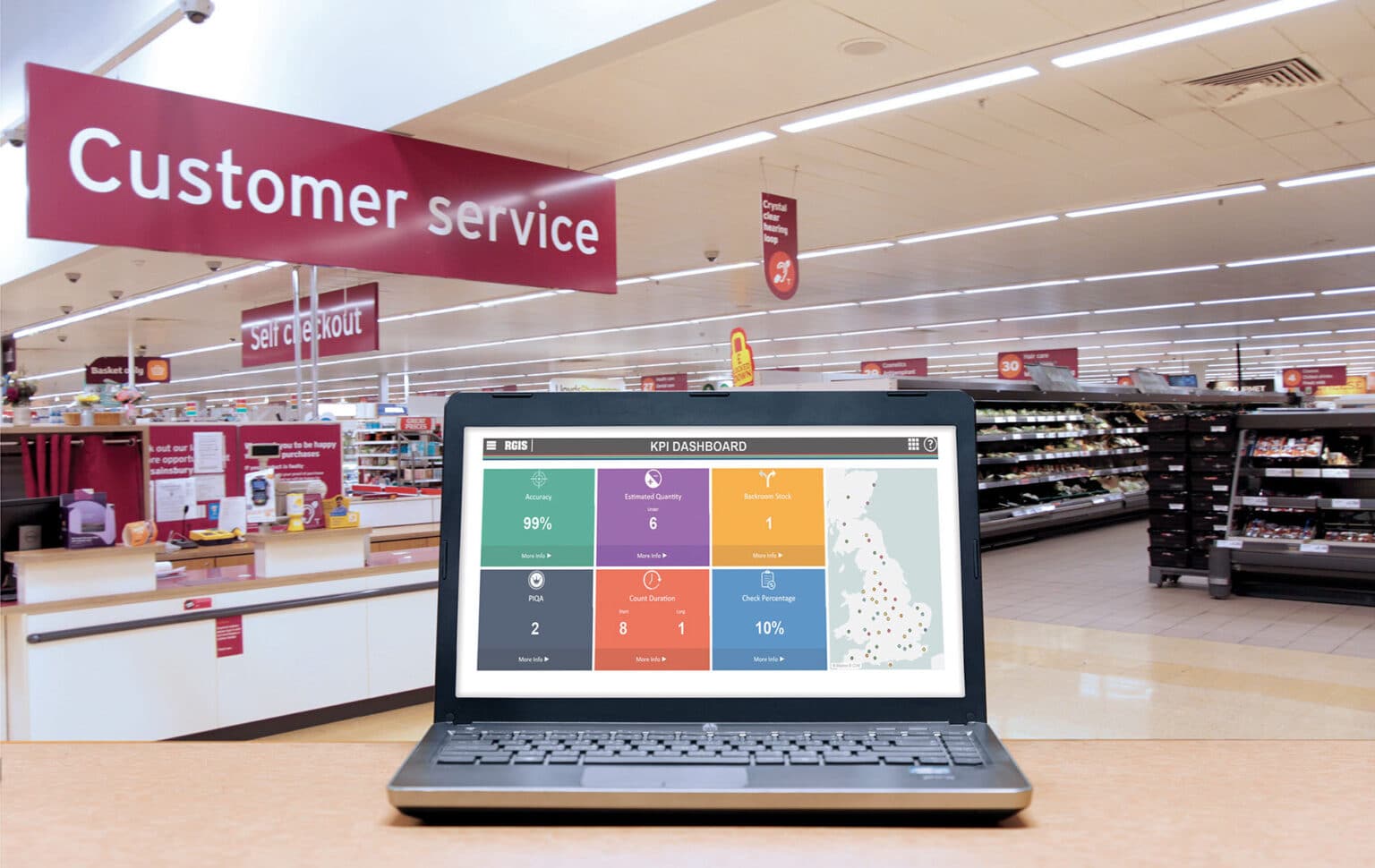
Once scanning is complete, data is synchronized to central servers for immediate analysis. Supervisors perform variance checks, investigating significant discrepancies between expected inventory and counted stock. A comprehensive audit report is then delivered to corporate management, detailing inventory shrinkage, department-level valuations, and accuracy percentages.
Common Challenges in Large-Scale Inventory Audits
Even with professional oversight, large-scale inventory audits present significant logistical hurdles that require careful mitigation.
- Data Integrity and Item Master Errors: If a client's internal inventory database contains outdated or duplicate SKU numbers, auditors face reconciliation bottlenecks in the field.
- Workforce Management: Coordinating large teams of part-time or seasonal auditors requires robust scheduling, training, and supervision to maintain high scanning accuracy.
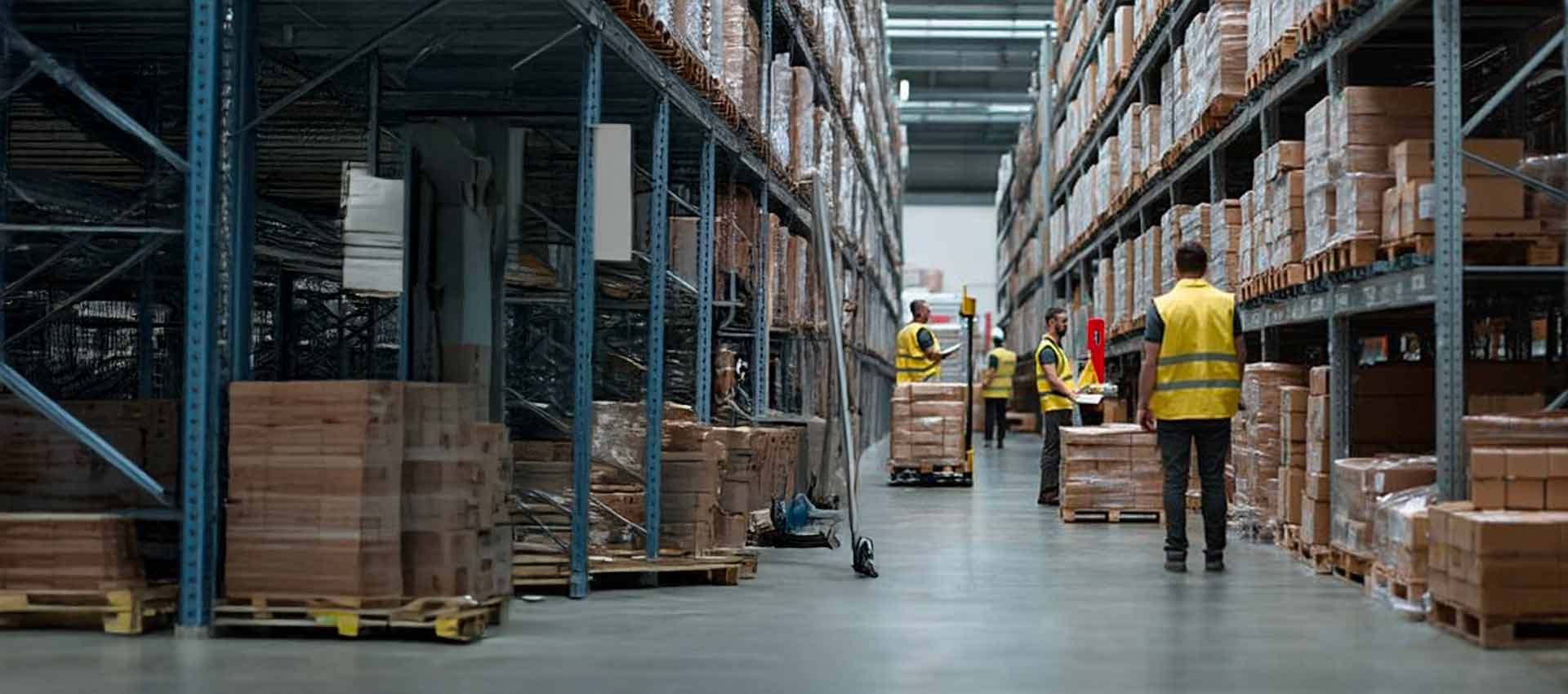
- Store Layout Complexities: Multi-level warehouses, cluttered backrooms, and disorganized retail displays can obscure inventory, increasing the time required to achieve a complete count.
Frequently Asked Questions About RGIS
What does RGIS stand for originally?
RGIS originally stood for Retail Grocery Inventory Specialists. While the company still performs grocery audits, its current operational scope extends far beyond grocery stores into general retail, healthcare, manufacturing, and supply chain logistics, prompting the use of the standalone initialism.
Are RGIS auditors permanent employees?
RGIS employs a mix of permanent management staff and flexible, part-time or seasonal audit personnel. Field auditors undergo structured training on handheld scanning equipment, store navigation, and counting procedures to ensure high accuracy standards during active audits.
How do retailers prepare for an RGIS audit?
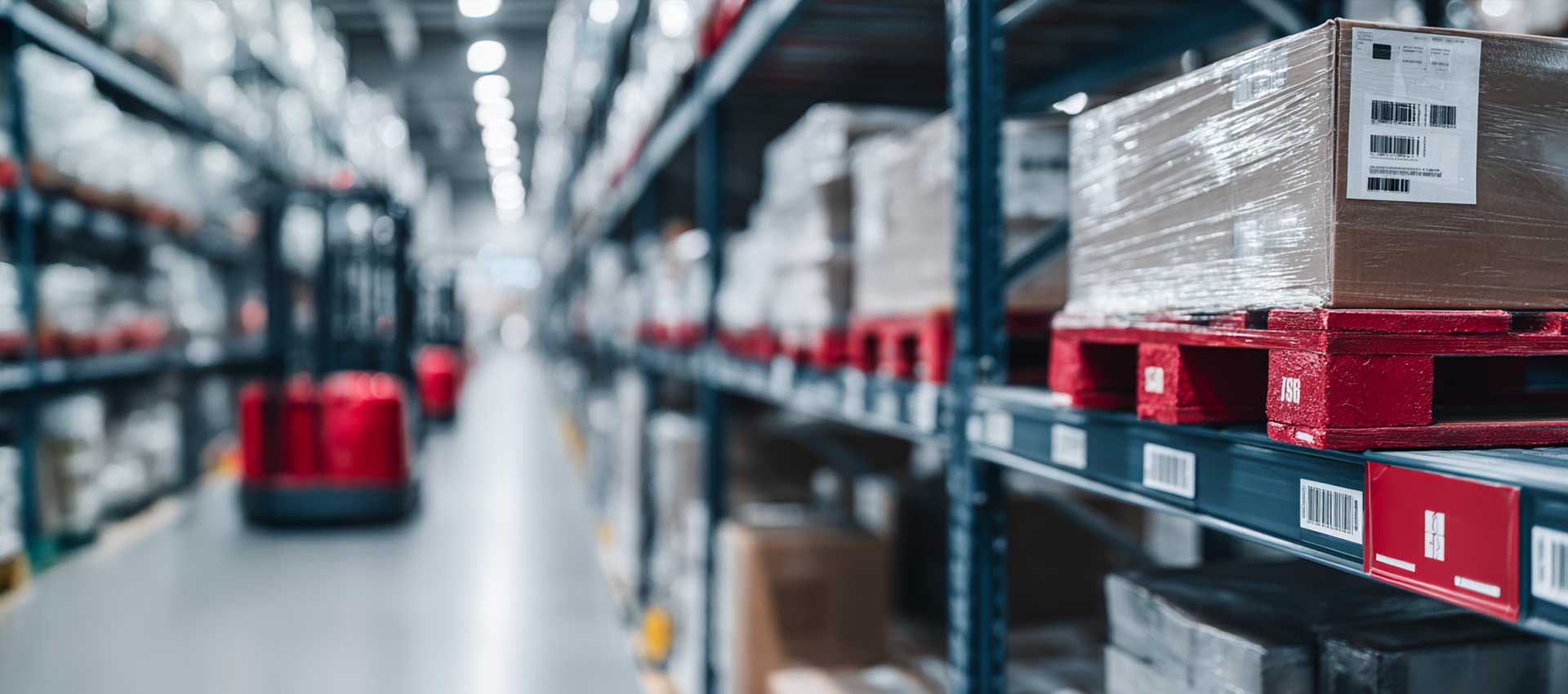
Retailers prepare by organizing stockrooms, ensuring merchandise is clearly labeled with readable barcodes, updating their item master files, and establishing clear operational cut-off times for receiving and shipping goods prior to the count window.
Can RGIS track non-retail assets?
Yes. Beyond traditional retail stock, RGIS provides asset management and tracking services for industries such as healthcare, where hospitals must regularly audit and track mobile medical devices, pharmaceuticals, and laboratory equipment.
How do third-party audits impact financial reporting?
Accurate physical inventory counts provided by independent specialists ensure that balance sheets correctly reflect inventory assets, directly influencing Cost of Goods Sold (COGS) calculations, gross margin analysis, and corporate tax filings.
Conclusion and Next Actions
For business managers, retail executives, and supply chain professionals, understanding the RGIS meaning highlights the critical importance of accurate, independent inventory verification. Whether evaluating third-party service providers for an upcoming annual audit or exploring enterprise asset tracking solutions, organizations must assess their internal data readiness, define clear scope parameters, and align scheduling with operational downtime windows to maximize audit accuracy and minimize business disruption.
Image Gallery