Planning the Perfect Delhi Vacation in Winter: A Comprehensive 2026 Travel Guide
A Delhi vacation in winter, spanning from November to February, offers the most pleasant climate for exploring India’s capital. With daytime temperatures averaging 20°C (68°F), it is the ideal season for sightseeing historical monument...
A Delhi vacation in winter, spanning from November to February, offers the most pleasant climate for exploring India’s capital. With daytime temperatures averaging 20°C (68°F), it is the ideal season for sightseeing historical monuments, enjoying lush public gardens, and experiencing the city’s famous street food culture and vibrant winter festivals.
Contents
Understanding the Winter Climate in Delhi
The transition into winter begins in late October, but the true "Delhi winter" experience settles in by mid-November. For a traveler in 2026, understanding the nuances of the climate is essential for both comfort and health. The season is characterized by sharp contrasts between day and night temperatures.
Temperature Fluctuations and Fog
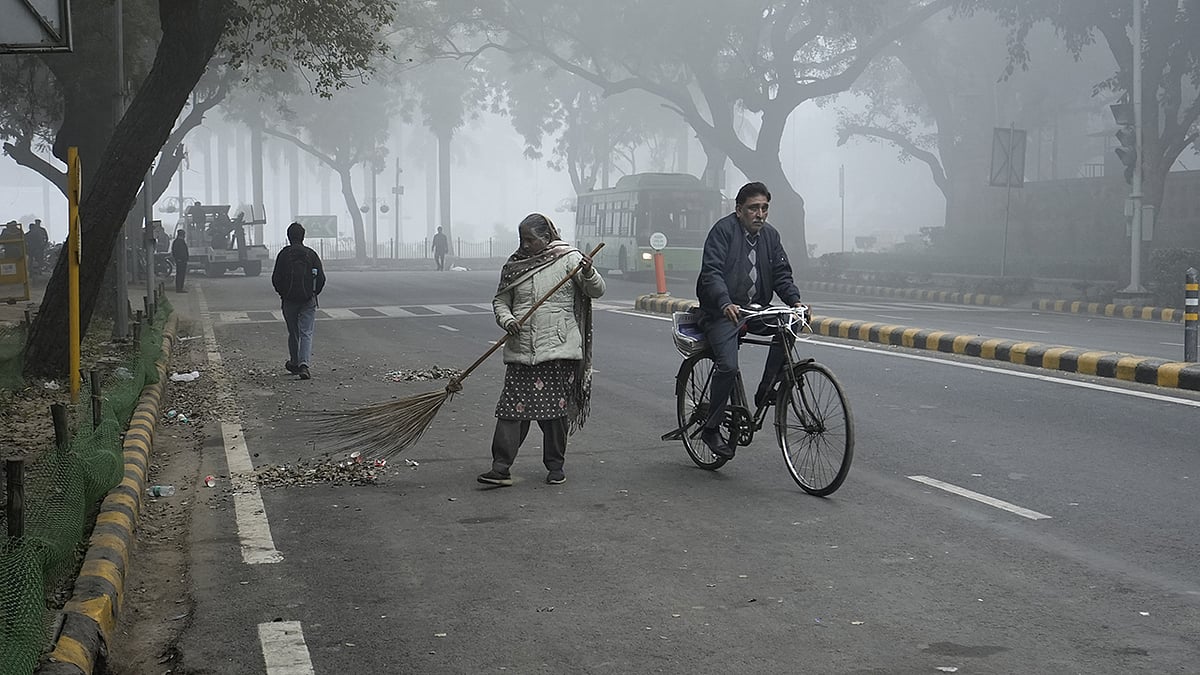
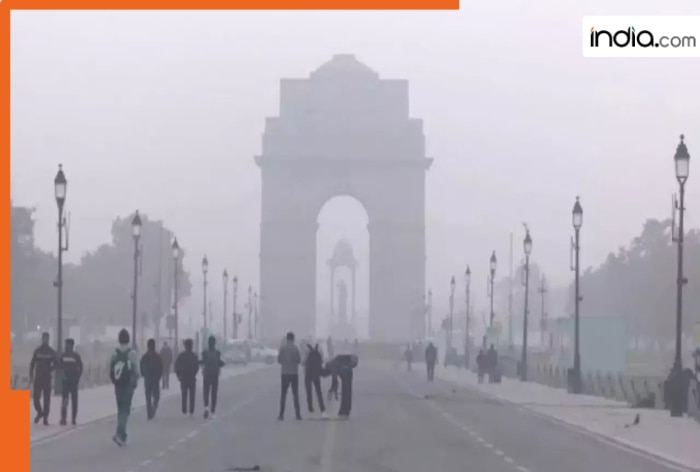
In December and January, the mercury can drop as low as 4°C or 5°C (39°F) during the night, while afternoons remain sunny and mild, hovering around 18°C to 22°C. This "golden sun" is a hallmark of the Delhi winter, making outdoor picnics and monument hopping very comfortable. However, heavy fog is a frequent occurrence in late December and early January. This can significantly impact travel plans, leading to delays in flights and train schedules. If your itinerary involves early morning departures, it is advisable to build in buffer time.
Air Quality Considerations
A critical factor for any Delhi vacation in winter is the Air Quality Index (AQI). Historically, the period from November to early December sees higher levels of particulate matter due to seasonal agricultural practices in neighboring states and stagnant wind patterns. By 2026, while urban mitigation strategies and expanded green corridors have improved the situation, travelers sensitive to respiratory issues should monitor the SAFAR-India air quality updates. Carrying N95 masks and planning indoor activities (like museum visits) for high-smog days is a practical necessity.
Top Historical and Cultural Sites for Winter Exploration
Delhi’s architecture spans nearly a millennium, and the cooler weather makes the extensive walking required at these sites much more manageable than in the scorching summer months.
The Mughal Grandeur: Red Fort and Humayun’s Tomb
The Red Fort (Lal Qila), a UNESCO World Heritage site, is best visited in the early morning. In winter, the red sandstone glows under the soft morning sun. After exploring the fort, a short trip to Humayun’s Tomb is essential. Often cited as the inspiration for the Taj Mahal, its vast "Charbagh" (four-part garden) is perfect for a winter afternoon. The symmetrical gardens provide a serene escape from the city’s bustle, and the 2026 restoration efforts have ensured the water channels are fully functional, mimicking their original 16th-century appearance.
The Spiritual Circuit: Akshardham and Lotus Temple
The Swaminarayan Akshardham Temple is an architectural marvel that requires at least half a day. Since photography is prohibited and security checks are stringent, the cool winter air makes waiting in lines much more bearable. Conversely, the Lotus Temple, with its Baháʼí House of Worship philosophy, offers a quiet space for meditation. The surrounding lawns are meticulously maintained and are at their floral peak during the winter months.
The "New" Heritage: Sunder Nursery
By 2026, Sunder Nursery has cemented its status as Delhi’s premier heritage park. Located adjacent to Humayun’s Tomb, this 90-acre park contains several restored Mughal-era monuments and an extensive arboretum. On winter weekends, it hosts organic farmers' markets and cultural performances. It is arguably the best spot in the city for a "slow travel" day, allowing visitors to blend nature with history.
A Culinary Journey: Winter Specials in Delhi
Delhi is often called the food capital of India, and winter is when the city’s culinary scene truly shines. Certain delicacies are exclusively available during these months.
Street Food of Old Delhi
Navigating the narrow lanes of Chandni Chowk is a sensory adventure. In winter, look for Daulat ki Chaat, a literal "whisper of a dessert" made from whisked milk foam that can only stay stable in cold temperatures. Another winter staple is the Paranthas of Gali Paranthe Wali, served with seasonal fillings like cauliflower (gobhi) or radish (mooli).
Seasonal Sweets and Warm Beverages
No Delhi vacation in winter is complete without Gajar ka Halwa (slow-cooked carrot pudding). Made with the deep-red winter carrots available only in this season, it is rich with ghee, milk, and dry fruits. For beverages, the ubiquitous "Masala Chai" is found on every street corner, but for a more historical experience, try the pink Kashmiri Noon Chai often found near the Jama Masjid area during the colder months.
| Category | Recommended Dish/Item | Best Location | Why in Winter? |
|---|---|---|---|
| Dessert | Daulat ki Chaat | Dariba Kalan, Old Delhi | Collapses in heat; only available Nov-Feb. |
| Main Course | Nihari with Khamiri Roti | Matia Mahal | A heavy, spicy meat stew traditionally eaten for breakfast to keep warm. |
| Snack | Shakarkandi (Roasted Sweet Potato) | Street vendors everywhere | Roasted over coals with lime and chaat masala. |
| Sweet | Gajar ka Halwa | Chaina Ram or Kaleva | Made from seasonal red carrots. |
| Beverage | Kulhad Milk with Saffron | Connaught Place | Warm, thick milk served in earthen pots. |
Essential Packing and Logistics for 2026
Planning the logistics for a Delhi vacation in winter requires a balance of preparedness for both the weather and the urban environment.
What to Pack
The key to dressing for Delhi in winter is layering.
- Base Layer: Light cotton shirts or t-shirts for the sunny afternoons.
- Mid Layer: A light sweater or a denim jacket for the transition periods.
- Top Layer: A heavy jacket or wool coat is necessary for late-night outings or early-morning heritage walks when temperatures can drop sharply.
- Accessories: A scarf or pashmina is highly versatile. Woolen socks are recommended if you plan on visiting temples where shoes must be removed.
Navigating the City
The Delhi Metro remains the most efficient way to travel. In 2026, the network is even more expansive, connecting the satellite cities of Gurgaon and Noida seamlessly to the heritage heart of Old Delhi. For a more private experience, ride-sharing apps like Uber and Ola are widely used.
When visiting monuments, it is highly recommended to book tickets in advance through the Archaeological Survey of India (ASI) portal. This avoids long queues at the physical ticket counters, which can be particularly draining during the peak tourist season in December.
Festivals and Events in Winter 2026
The winter calendar is packed with cultural events that showcase India's diversity.
- The Qutub Festival: Held at the Qutub Minar complex, this festival features Sufi music and classical dance performances against the backdrop of the illuminated 12th-century minaret.
- Republic Day Parade (January 26): A massive display of India’s military might and cultural heritage along the Kartavya Path (formerly Rajpath). Tickets for this event must be secured well in advance through official government portals.
- Surajkund International Crafts Mela: Located just on the outskirts in Faridabad, this massive fair (usually in February) brings together artisans from across India and the world. It is the best place to buy authentic handicrafts and textiles.
- Horn OK Please: A popular food festival that typically occurs in November or December, catering to a younger crowd with music, food trucks, and quirky shopping.
Safety and Health Tips
While Delhi is a vibrant destination, visitors should remain mindful of common travel challenges.
- Hydration and Hygiene: Even though it is cold, dehydration can occur. Drink bottled or filtered water exclusively. Be cautious with street food; stick to vendors who have a high turnover and serve food piping hot.
- Solo Travel: Delhi has made strides in safety with increased police patrolling and CCTV coverage. However, solo travelers should use registered taxis or the Metro "Women’s Coach" and avoid poorly lit areas late at night.
- Pollution Protection: On days when the AQI exceeds 200, limit strenuous outdoor exercise. Most high-end hotels in 2026 are equipped with centralized air purification systems, making them safe havens during "smoggy" spells.
Frequently Asked Questions
Is it too cold to visit Delhi in January?
January is the coldest month, but "too cold" is relative. Daytime temperatures are usually a comfortable 15°C to 18°C, which is excellent for walking. However, the nights can be chilly (around 5°C), so you will need a proper winter jacket. The main challenge in January is the morning fog, which can delay transport.
How many days are enough for a Delhi vacation in winter?
To see the major highlights without rushing, 4 to 5 days are recommended. This allows two days for Old and New Delhi heritage sites, one day for museums and shopping, and one day for a specialized food tour or a day trip to the Surajkund Mela.
What should I wear to visit religious sites in winter?
Regardless of the temperature, modesty is required. Both men and women should keep their shoulders and knees covered. In winter, this is easy as you will likely be wearing trousers and jackets. Always carry a scarf to cover your head if required, such as at the Bangla Sahib Gurudwara or the Jama Masjid.
Is the air pollution a dealbreaker for a winter trip?
For most travelers, it is not a dealbreaker but a factor to manage. The worst pollution usually occurs in November. By late December and January, the air is often clearer, though fog becomes the main weather event. Checking real-time data on the Delhi Pollution Control Committee website helps in planning daily activities.
Can I see the Taj Mahal as a day trip from Delhi in winter?
Yes, the Gatimaan Express and the Taj Express make a day trip to Agra very feasible. However, be aware that heavy winter fog can frequently delay these trains. If you are visiting in peak fog season (late Dec to mid-Jan), consider staying overnight in Agra to ensure you get to see the monument when the fog lifts in the afternoon.
Final Recommendation for Your Trip
To make the most of your Delhi vacation in winter, prioritize outdoor heritage sites like Sunder Nursery and Lodhi Gardens during the sunny afternoons. Book your Republic Day or festival tickets at least a month in advance to avoid disappointment. Finally, embrace the local lifestyle: start your day late with a hot plate of Chole Bhature, enjoy the afternoon sun at a monument, and end your evening with a warm cup of Masala Chai.
Image Gallery