Essential University of Georgia Facts: History, Academics, and Campus Life
The University of Georgia (UGA) is the first state-chartered university in the United States, established in 1785. Located in Athens, Georgia, it is a high-ranking R1 research institution known for its rigorous academics, elite athleti...
The University of Georgia (UGA) is the first state-chartered university in the United States, established in 1785. Located in Athens, Georgia, it is a high-ranking R1 research institution known for its rigorous academics, elite athletic programs, and its role as a "Public Ivy," offering a prestigious education at a public tuition rate.
Contents
The Historical Significance of the 1785 Charter
The most foundational of all University of Georgia facts is its status as the birthplace of public higher education in America. On January 27, 1785, the Georgia General Assembly adopted a charter authored by Abraham Baldwin, a graduate of Yale. Baldwin argued that a free government depends on an educated citizenry, a revolutionary concept at a time when higher education was largely the domain of private, often religious, institutions.
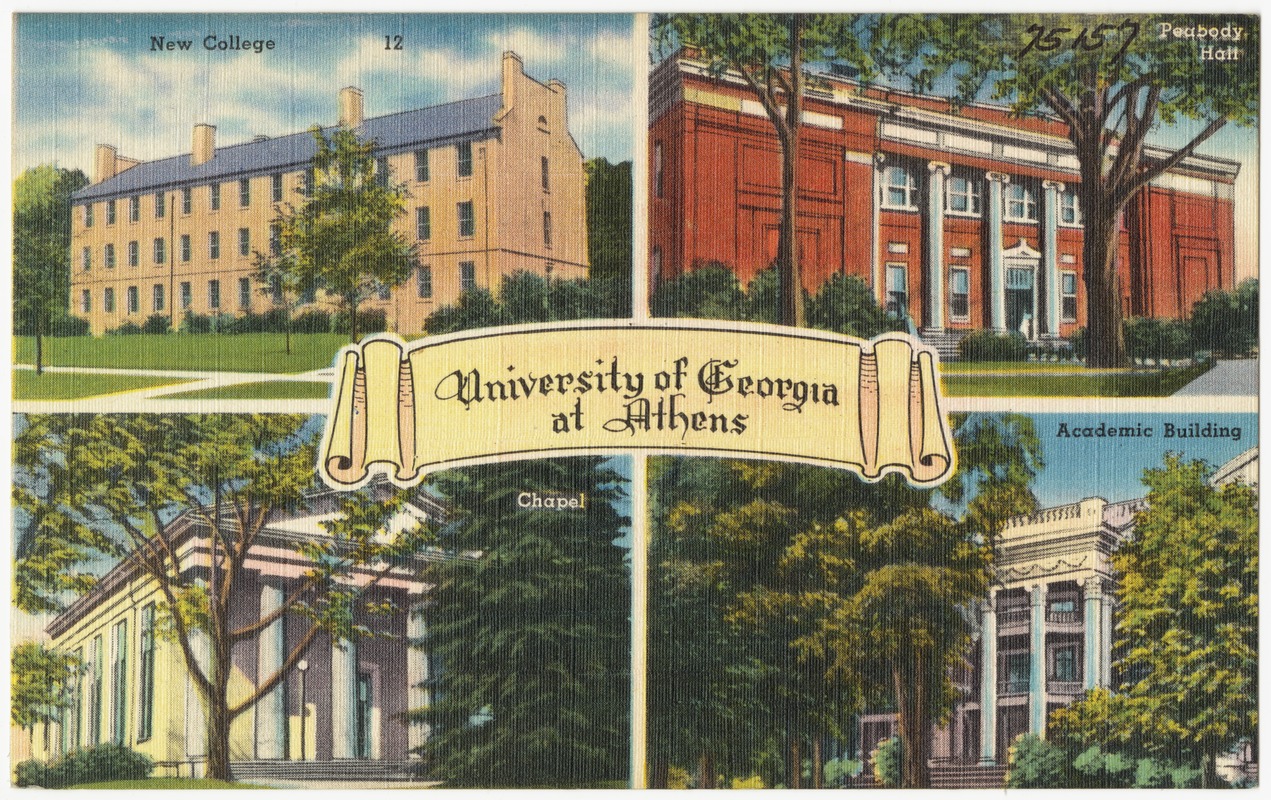
While the university was chartered in 1785, it did not begin instruction immediately. It took sixteen years to secure the funding and location necessary to open the doors. In 1801, John Milledge purchased 633 acres of land on the Oconee River and donated it to the university. This site became the city of Athens, named after the Greek center of learning. The first building, Old College, was modeled after Yale’s Connecticut Hall and still stands today on North Campus as a symbol of the university’s enduring legacy.
The historical progression of the university is marked by its survival through the American Civil War, during which it closed briefly, and its subsequent growth through the Morrill Act of 1872. This act designated UGA as a land-grant institution, expanding its mission to include agriculture and mechanical arts, which remains a core part of its identity through the College of Agricultural and Environmental Sciences.
Academic Excellence and Global Ranking
In 2026, the University of Georgia continues to hold a position among the top 20 public universities in the United States according to major ranking publications like U.S. News & World Report. This reputation is built on a foundation of 19 separate colleges and schools, ranging from the highly ranked Terry College of Business to the Odum School of Ecology—the first standalone school in the world dedicated specifically to ecology.
The Honors College Experience
The Jere W. Morehead Honors College is a cornerstone of UGA’s academic prestige. It provides a small-college atmosphere within the framework of a large research university. Students in the Honors College have access to early registration, specialized internships, and unique research opportunities. UGA is also a consistent top producer of Rhodes, Marshall, and Fulbright Scholars, highlighting its ability to compete with private Ivy League institutions on a global scale.
Research and Innovation
As a Carnegie R1 institution, UGA is classified among universities with the "highest research activity." The university significantly contributes to global advancements in vaccine development, food safety, and cybersecurity. For more than a decade, UGA has ranked in the top five of all U.S. universities for the number of research-based products reaching the market, according to the AUTM Licensing Survey. This focus on "research with a purpose" ensures that undergraduate and graduate students are frequently involved in projects with real-world economic and social impact.
Admissions Standards and Student Demographics
Securing admission to the University of Georgia has become increasingly competitive over the last decade. For the 2025–2026 academic cycle, the university received record-breaking application volumes, leading to an acceptance rate that underscores its status as a highly selective institution.
Admissions officers utilize a holistic review process. While academic rigor—specifically the number of Advanced Placement (AP), International Baccalaureate (IB), and Dual Enrollment courses—is the primary factor, the university also weighs leadership, community service, and personal essays.
| Metric | Estimated 2025-2026 Data |
|---|---|
| Total Enrollment | ~40,500+ |
| Undergraduate Acceptance Rate | ~35% - 40% |
| Average High School GPA | 4.00+ (weighted) |
| Mid-50% SAT Score | 1270 – 1450 |
| Mid-50% ACT Score | 28 – 33 |
| Student-to-Faculty Ratio | 17:1 |
| First-Year Retention Rate | 94% |
Prospective students can find detailed eligibility requirements and deadline information on the UGA Undergraduate Admissions portal.
Iconic Campus Traditions and Landmarks
The University of Georgia campus is a blend of historic Federal-style architecture on North Campus and modern research facilities on South Campus. Several landmarks are essential to the UGA experience and represent the "spirit of the Arch."
The Arch
The most recognizable symbol of the university is the Iron Arch, located at the entrance to North Campus. Modeled after the Great Seal of the State of Georgia, its three pillars represent Wisdom, Justice, and Moderation. According to long-standing campus legend, undergraduate students should not walk under the Arch until they have received their diploma. Those who do are said to be destined never to graduate.
The Chapel Bell
Located behind the historic UGA Chapel, the Chapel Bell is rung to celebrate victories, personal achievements, and university milestones. Historically, it was used to signal the beginning of classes. Today, it is most frequently heard after a Georgia Bulldogs football win or when a student completes their final exam.
Sanford Stadium and "Between the Hedges"
Athletics are inseparable from the UGA identity. Sanford Stadium, with a capacity exceeding 92,000, is one of the largest and most electric college football venues in the country. The field is famous for being surrounded by privet hedges, a tradition that began in 1929. Playing "Between the Hedges" is a point of pride for the team and a bucket-list experience for college sports fans.
The Georgia Bulldogs and Uga the Mascot
The University of Georgia competes in the Southeastern Conference (SEC). While the university fields 21 varsity teams, the football program often takes center stage. The team has seen immense success in the 2020s, securing back-to-back National Championships in 2021 and 2022, which solidified its place as a modern football dynasty.
The university’s mascot is Uga, a pure white English Bulldog. The Uga lineage is managed by the Seiler family of Savannah, Georgia. Each mascot is a descendant of the original Uga I. The dog wears a custom-made jersey and resides in an air-conditioned kennel on the sidelines during home games. When a mascot passes away, they are interred in a mausoleum at the southwest corner of Sanford Stadium, making UGA the only university to bury its mascots within the stadium walls. For the latest athletic schedules and rosters, fans consult the official Georgia Dogs site.
Economic and Cultural Impact on Georgia
The University of Georgia is a major economic engine for the state. According to annual economic impact reports, the university contributes over $8 billion to Georgia’s economy each year. This impact is felt through job creation, the development of the workforce, and the university’s extensive "Public Service and Outreach" division.
Small Business Development and Extension
UGA operates the Small Business Development Center (SBDC), which provides consulting and training to entrepreneurs across the state. Additionally, the UGA Extension service has offices in all 159 Georgia counties. This network provides farmers and residents with research-based information on agriculture, environment, and family well-being, fulfilling the university’s land-grant mission to serve every corner of the state.
The Peabody Awards
UGA is the permanent home of the George Foster Peabody Awards, often referred to simply as "The Peabodys." Established in 1940, these are among the most prestigious awards in electronic media, recognizing excellence in storytelling across television, radio, and digital platforms. The awards are administered by the Grady College of Journalism and Mass Communication.
Frequently Asked Questions
Is the University of Georgia really the oldest public university?
UGA was the first to be chartered (January 1785), giving it the legal right to exist as a state-sponsored institution. However, the University of North Carolina at Chapel Hill was the first to begin classes and graduate students. This creates a friendly rivalry over the title of "Oldest Public University" between the two institutions.
What are the most popular majors at UGA?
The most popular programs typically include Finance, Psychology, Biology, Marketing, and International Affairs. The Terry College of Business and the School of Public and International Affairs (SPIA) are particularly noted for their high job placement rates and national rankings.
How do I visit the UGA campus?
The university offers guided tours through the Visitors Center located on South Campus. It is recommended to book several weeks in advance, especially during the spring and fall semesters. Self-guided tours of North Campus and the State Botanical Garden of Georgia are also popular options for visitors.
What is the "Hope Scholarship" and how does it apply to UGA?
The HOPE Scholarship is a merit-based program for Georgia residents. It covers a significant portion of tuition for students who maintain a specific GPA. The Zell Miller Scholarship is a more rigorous version that covers 100% of tuition for the state’s highest-achieving students. These programs make UGA one of the most affordable high-tier universities for in-state residents.
What is the climate and culture like in Athens, GA?
Athens is frequently ranked as one of the best "college towns" in America. It has a world-renowned music scene—having birthed bands like R.E.M. and the B-52s—and a diverse culinary landscape. The culture is a mix of Southern tradition and progressive academic influence.
Final Recommendations for Prospective Students
For those considering the University of Georgia, the most important next step is to engage with the campus directly. Beyond the statistics of average GPAs and test scores, the "fit" of the university is found in its vibrant student organizations—numbering over 800—and its commitment to experiential learning. Every UGA student is required to complete at least one experiential learning activity, such as study abroad, an internship, or faculty-led research, before graduation. This ensures that graduates are not just academically proficient but also professionally prepared for the 2026 global workforce.
Image Gallery