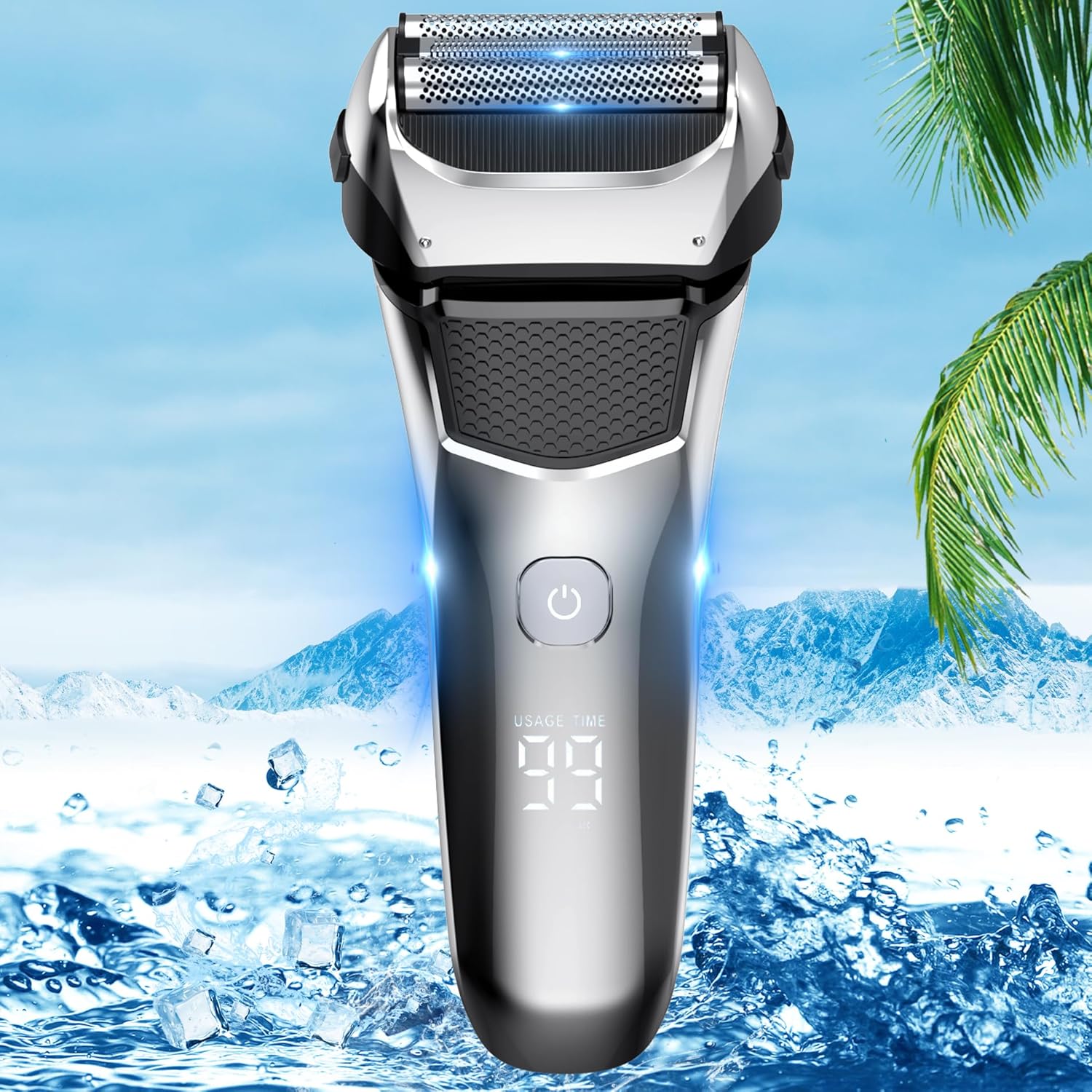
Flying With an Electric Razor on Planes: 2026 Comprehensive Travel Guide
You can pack an electric razor in both your carry-on and checked luggage. Unlike safety razors or straight blades, electric razors are permitted because their cutting elements are enclosed. However, travelers must comply with lithium-i...
You can pack an electric razor in both your carry-on and checked luggage. Unlike safety razors or straight blades, electric razors are permitted because their cutting elements are enclosed. However, travelers must comply with lithium-ion battery safety regulations, protect the device from accidental activation, and adhere to liquid restrictions for associated cleaning solutions or shaving gels.
Contents
Traveling with personal grooming electronics has become increasingly standardized, yet many passengers remain anxious about the specific nuances of airport security. As of 2026, international aviation standards from the TSA (Transportation Security Administration), EASA (European Union Aviation Safety Agency), and other global regulators remain consistent: electric razors are considered safe for air travel. However, the complexity arises not from the blades themselves, but from the power sources and accompanying accessories that make high-end grooming kits functional.
The Core Rules: Carry-on vs. Checked Baggage
When deciding where to pack your electric razor, the choice is largely yours, but there are logistical and safety advantages to each method.
Carrying an Electric Razor in Your Hand Luggage
Most travelers prefer to keep their electric razor in their carry-on bag. This ensures that the device remains accessible for a quick touch-up after a long-haul flight and protects the unit from the rougher handling often associated with checked suitcases. Security agencies permit electric razors in carry-on bags because the blades are behind a foil or within a rotary housing, meaning they cannot be used as a weapon.
During the screening process, you generally do not need to remove your electric razor from your bag. It is treated similarly to a hair dryer or an electric toothbrush. However, if you are carrying a high-end model with a particularly large battery or a dense motor, a security officer may occasionally request a secondary manual inspection if the X-ray image is unclear.
Packing an Electric Razor in Checked Luggage
You are also permitted to pack your razor in your checked baggage. This is often the best choice if you are also carrying large containers of shaving cream or cleaning solutions that exceed the 100ml (3.4 oz) limit. The primary concern with checked electronics is accidental activation. A razor that turns on inside a suitcase can generate heat and, in extreme cases, poses a fire risk if it is pressed against flammable clothing. Most modern razors include a "travel lock" feature—usually activated by holding the power button for three to five seconds—which should always be engaged before packing.
Battery Regulations and Lithium-Ion Safety
The most critical technical aspect of flying with an electric razor in 2026 involves the battery. Nearly all cordless electric razors are powered by rechargeable Lithium-ion (Li-ion) batteries.
Watt-Hour (Wh) Limitations
Aviation authorities, including the Federal Aviation Administration (FAA), have strict rules regarding the capacity of lithium batteries. Most electric razors use small batteries that fall well under the 100-watt-hour limit. For context, a typical high-performance electric razor operates on a battery of roughly 5 to 15 watt-hours.
While you are allowed to have these batteries in checked luggage if they are installed in the device, the FAA and IATA (International Air Transport Association) strongly recommend keeping lithium-powered devices in the cabin. In the rare event of a battery malfunction or "thermal runaway," it is much easier for the cabin crew to manage a fire in the pressurized cabin than in the inaccessible cargo hold.
Spare Batteries
If your razor uses replaceable batteries (such as AA or AAA lithium batteries), or if you carry a separate portable power bank to charge your razor, these must be kept in your carry-on luggage. Spare lithium batteries are strictly prohibited from checked baggage because of the risk of short-circuiting against other metallic objects.
Navigating Liquids: Shaving Gels and Cleaning Solutions
While the razor itself is easy to transport, the accessories often trigger security "flags" due to liquid and aerosol restrictions.
The 3-1-1 Rule for Shaving Creams
If you use a wet/dry electric razor and prefer to use shaving gel or foam, these are subject to the standard liquid rules. In your carry-on, any aerosol or gel must be in a container of 100 milliliters (3.4 ounces) or less. All such containers must fit into a single, quart-sized, clear plastic zip-top bag. If your preferred shaving cream only comes in a larger 200ml can, it must be placed in your checked luggage.
Self-Cleaning Bases and Alcohol-Based Fluids
Many premium razor systems, such as those from Braun or Panasonic, come with a specialized cleaning and charging station. These stations use replaceable cartridges filled with a cleaning solution that is often high in alcohol content.
- In Carry-on: You generally cannot take these cleaning cartridges in your carry-on because they typically exceed 100ml. Furthermore, because the solution is often flammable, some airlines may restrict them entirely.
- In Checked Bags: While you can technically check these, there is a significant risk of leakage due to pressure changes in the cargo hold. It is highly recommended to leave the cleaning base at home for short trips or to purchase new cartridges at your destination.
Comparison of Shaving Equipment Restrictions
To help you decide which grooming tools to bring, the following table outlines the current 2026 regulations for different types of razors.
| Razor Type | Carry-on Allowed | Checked Allowed | Notes |
|---|---|---|---|
| Electric Razor | Yes | Yes | Must have travel lock engaged. |
| Disposable Razor | Yes | Yes | Includes fixed-cartridge disposables. |
| Cartridge Razor | Yes | Yes | Includes Gillette/Schick style handles. |
| Safety Razor | No (Blade removed) | Yes | Blades must be removed for carry-on. |
| Straight Razor | No | Yes | Strictly prohibited in the cabin. |
| Electric Trimmers | Yes | Yes | Subject to same battery rules as razors. |
International Travel Considerations
While the TSA sets the standard for the United States, international travelers should be aware of regional variations in security enforcement.
Europe and EASA Guidelines
In Europe, security screenings can be more stringent regarding electronic devices. In some airports, you may be asked to place all large electronics, including electric razors, in a separate bin. This is becoming less common with the rollout of C3-level CT scanners, which allow liquids and electronics to remain inside bags, but it is always best to follow the local officer's instructions.
Voltage and Charging
If you are traveling between continents (e.g., from North America to Europe or Asia), check the voltage requirements of your razor’s charger. Most modern electric razors (manufactured by major brands like Philips Norelco or Remington) are "world-capable," meaning they can handle 100V to 240V. However, you will still need a physical plug adapter to fit the local wall outlets. If your razor uses a proprietary charging cable, ensure it is packed in your carry-on to avoid being left without a way to charge if your checked bag is delayed.
Common Mistakes and How to Avoid Them
Even seasoned travelers make errors that can lead to confiscated items or delayed security lines.
- Forgetting the Travel Lock: If your razor doesn't have a dedicated travel lock button, consider placing a small piece of tape over the power switch or using a hard-shell travel case that prevents the button from being depressed.
- Packing Safety Blades with the Electric Razor: Some travelers carry a safety razor as a backup. If you leave the blade inside the safety razor and pack it with your electric one, the entire kit may be flagged during carry-on screening.
- Overlooking the "Wet" in Wet/Dry: If your razor was used recently, ensure it is completely dry before packing. Moisture trapped in the foil or the internal chamber can lead to mold growth or can leak onto other electronics in your bag.
Frequently Asked Questions
Can I use my electric razor during the flight?
While there is no specific FAA regulation prohibiting shaving in the airplane lavatory, it is generally considered poor etiquette. Furthermore, the small sinks and limited space make it difficult to clean up discarded hair. If you must shave, ensure you do so over a paper towel to catch all debris, as electric razor shavings can easily clog airplane vacuum-flush toilets or create a mess for the next passenger.
What happens if security thinks my electric razor is suspicious?
If an officer flags your bag, remain calm. They will typically perform a "swab test" (Explosives Trace Detection) on the device. This is a routine procedure where a small piece of cloth is rubbed over the device and analyzed for chemical residues. Once the test clears, you will be allowed to repacking your item and proceed.
Does the 2026 update to "Smart Luggage" affect my razor?
"Smart Luggage" rules apply to bags with built-in batteries. Your electric razor is considered a "portable electronic device" (PED). As long as the battery is integrated into the razor, it is not subject to the removal requirements that apply to smart suitcases, provided the battery is under the 100Wh limit.
Are there restrictions on the type of cleaning alcohol used for razors?
Yes. If you are carrying bottled isopropyl alcohol to clean your razor, it must be 100ml or less for carry-on. In checked bags, most airlines allow up to 2 liters of medicinal or toiletry articles in total, but individual containers shouldn't exceed 500ml.
Can I bring a beard trimmer instead of a razor?
Yes, the rules for beard trimmers, hair clippers, and nose hair trimmers are identical to those for electric razors. They are permitted in both carry-on and checked luggage, provided they are battery-operated or corded.
Practical Recommendation
For the most seamless travel experience in 2026, pack your electric razor in your carry-on bag. Use a dedicated hard-shell travel case to protect the delicate foil or rotary heads from being crushed and to ensure the power button isn't accidentally triggered. If your razor uses a self-cleaning station, leave the station and the liquid cartridges at home; instead, bring a small cleaning brush and a travel-sized bottle of liquid soap to maintain the device manually during your trip. Always engage the travel lock before heading to the airport to avoid any complications at the security checkpoint.
Image Gallery