How to Get Paid for Content Writing: A Comprehensive Guide for 2026
Getting paid for content writing requires a strategic blend of demonstrable writing proficiency, niche subject matter expertise, and proactive client acquisition or platform navigation. Whether you want to transition into full-time fre...
Getting paid for content writing requires a strategic blend of demonstrable writing proficiency, niche subject matter expertise, and proactive client acquisition or platform navigation. Whether you want to transition into full-time freelance copywriting, secure corporate blogging contracts, or contribute to established digital publications, building a sustainable writing income relies on understanding market rates, identifying reliable paying clients, and consistently delivering high-quality, optimized text.
Contents
Understanding the Landscape of Paid Content Writing
The digital content industry has evolved past simple keyword-stuffed articles. Today, businesses, startups, and media conglomerates require specialized writers who understand search intent, audience engagement, regulatory compliance, and brand voice. To get paid for content writing consistently, you must look beyond low-paying content mills and focus on sectors that value expertise.
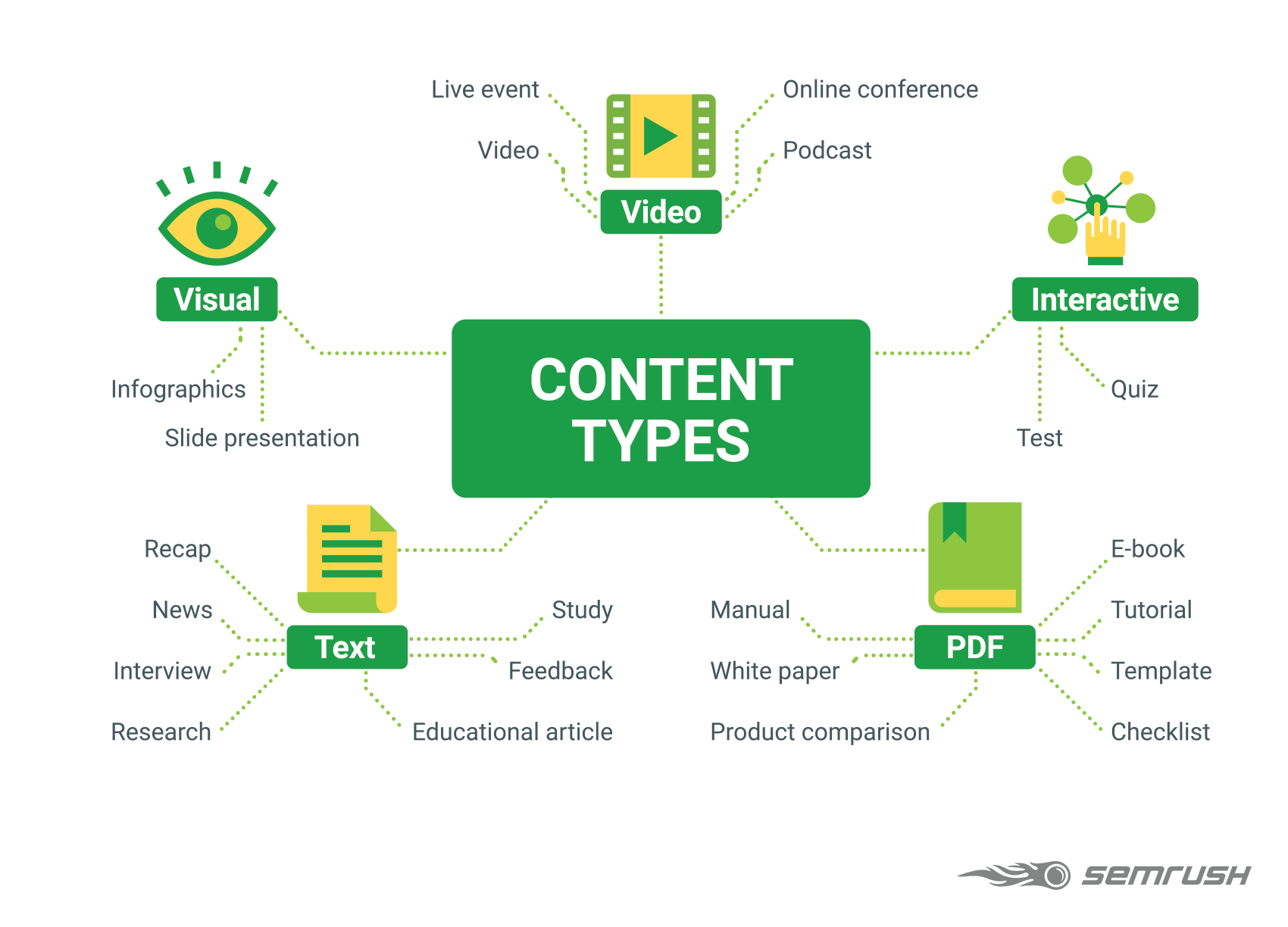
Content writing encompasses various formats, each commanding different rates and requiring distinct skill sets. Understanding these segments helps you position your services effectively and target the most lucrative opportunities available in the current market.
Core Content Formats and Their Market Positioning
- Long-Form Blog Posts and Articles: In-depth, research-driven pieces (typically 1,500 to 3,000 words) designed to rank in search engines and establish thought leadership.
- Copywriting and Landing Pages: Sales-oriented content focused on conversion rate optimization, product launches, and direct response marketing.
- Email Marketing Sequences: Lifecycle campaigns, newsletters, and promotional sequences designed to nurture subscriber relationships and drive sales.
- Technical and White Paper Documentation: Highly specialized guides, case studies, and industry reports requiring deep subject matter knowledge in fields like software engineering, finance, or biotechnology.
Essential Requirements to Start Earning
Before applying for paid writing positions or pitching clients, you need to establish a professional foundation. Clients paying competitive rates expect more than just correct grammar; they look for reliability, industry knowledge, and proof of past performance.
Building Your Writing Portfolio
Your portfolio serves as your primary credential. If you lack professional clips, you must create self-published samples that demonstrate your ability to write clean, engaging, and well-researched copy.
- Select a Niche: Focus on 1 to 2 specific industries (e.g., SaaS, fintech, health and wellness, or e-commerce) where you can build deep domain expertise.
- Publish Speculative Pieces: Write comprehensive articles on industry blogs, Medium, or a personal website to showcase your style and research capabilities.
- Highlight Results: Where possible, include metrics in your portfolio descriptions (e.g., "Generated 10,000 organic visits in three months" or "Increased email open rates by 22%").
Essential Tools of the Trade
Professional writers rely on a suite of tools to streamline their workflow, ensure accuracy, and meet editorial standards. Familiarity with these tools is often expected by modern clients:
- Content Management Systems (CMS): Proficiency in WordPress, Webflow, Ghost, or Shopify.
- SEO and Research Platforms: Understanding how to use tools like Ahrefs, Semrush, or Google Keyword Planner to structure articles around search intent.
- Editing and Grammar Software: Utilizing advanced checkers like Grammarly or ProWritingAid to maintain clean syntax and catch stylistic errors.
Channels for Finding Paid Writing Work
Securing consistent paid writing gigs involves exploring multiple avenues. Relying on a single platform can leave your income vulnerable to algorithm changes or client turnover.
- Direct Outreach & Cold Pitching: High income potential, control
- Freelance Marketplaces: Accessible, quick turnaround
- Content Agencies: Steady volume, lower rates
- In-House Corporate Roles: Stability, benefits, salaried
1. Direct Outreach and Cold Pitching
Reaching out directly to marketing managers, startup founders, and publication editors is often the most lucrative approach. Research companies in your target niche that publish active blogs but show gaps in their content strategy. Send a personalized pitch outlining how your writing can solve their specific traffic or conversion challenges.
2. Specialized Freelance Marketplaces
Platforms like Upwork, Fiverr Pro, and specialized job boards (such as ProBlogger, Mediabistro, or Cultivated Culture) connect writers with active buyers. While competition on general platforms can drive rates down, focusing on specialized, high-ticket project listings helps filter out low-budget clients.
3. Content Agencies and Marketing Firms
Content marketing agencies manage hundreds of blogs and websites, providing a steady stream of assignments for vetted writers. While agencies take a percentage of the end-client fee, they eliminate the need for self-marketing and client management.
Comparison of Writing Monetization Channels
| Channel | Average Pay Scale | Effort to Secure Work | Income Stability |
|---|---|---|---|
| Direct Client Retainers | High ($0.10–$1.00+ per word) | High (requires portfolio & pitching) | High (monthly recurring) |
| Content Agencies | Moderate ($0.05–$0.20 per word) | Moderate (application & writing test) | Moderate (project-based) |
| Freelance Marketplaces | Variable ($0.02–$0.50 per word) | Low to Moderate (bidding/proposals) | Low (variable project flow) |
| Content Mills | Very Low ($0.01–$0.03 per word) | Very Low (instant approval) | Low to Moderate |
Pricing Your Content Writing Services
Determining how much to charge is one of the biggest hurdles for new writers. Pricing models vary depending on the scope of the project, the client's budget, and your own speed and efficiency.
Pricing Models Explained
- Per-Word Pricing: Common for blog posts and articles. Rates typically range from $0.05 to $0.50+ per word depending on the complexity of the research required.
- Per-Project Pricing: Effective for copywriting, white papers, and complex guides where word count does not accurately reflect the time investment.
- Retainer Agreements: Charging a flat monthly fee for a set volume of content (e.g., four blog posts and a monthly newsletter per month), ensuring predictable income for both parties.
Avoid pricing solely by the hour once you establish efficiency, as this effectively penalizes you for working faster and writing more concisely.
Best Practices and Common Mistakes to Avoid
To maintain a sustainable freelance writing career, you must navigate operational pitfalls that trip up beginners.
- Failing to Sign Contracts: Always use a formal freelance contract that outlines scope, deadlines, payment terms, and the number of allowed revisions before starting work.
- Ignoring Deadlines: Missing deadlines damages your professional reputation and destroys opportunities for recurring work. Communicate proactively if an unexpected delay occurs.
- Neglecting Invoicing and Taxes: As an independent writer, you are responsible for tracking your earnings, setting aside money for self-employment taxes, and issuing professional invoices.
Frequently Asked Questions
How much can a beginner content writer expect to make?
Beginner writers starting on content mills or entry-level freelance platforms often make between $0.02 and $0.05 per word, translating to modest initial earnings. However, writers who build a portfolio, target specific high-value niches like SaaS or finance, and pitch direct clients regularly scale their rates to $0.15–$0.50+ per word within their first year.
Do I need a degree in journalism or English to get paid for writing?
No formal degree is required to become a paid content writer. Clients care primarily about your ability to research thoroughly, write clearly, adhere to deadlines, and understand basic search engine optimization principles. A strong portfolio matters far more than academic credentials.
How do I collect payments securely from international clients?
Most freelance writers use digital payment processors such as Wise, PayPal, Stripe, or direct bank transfers via platforms like Payoneer. Ensure you agree upon payment processor fees and currency exchange rates before beginning any project to avoid unexpected deductions.
What is the fastest way to land my first paid writing client?
The fastest method is leveraging your existing professional and social network. Announce on LinkedIn and professional platforms that you are taking on freelance writing clients within a specific niche. Additionally, pitch smaller local businesses whose blogs have been inactive for several months.
How do I handle client revision requests without working for free?
Specify your revision policy clearly in your initial contract. A standard industry practice includes up to two rounds of minor edits within a specified timeframe (e.g., 7 days after delivery). Substantive structural changes or shifts in project scope after the initial brief should be billed as additional work.
Next Actions
To start getting paid for content writing today, audit your existing skills, select a single profitable niche, and draft two high-quality portfolio pieces. Once your samples are polished, create profiles on reputable professional networks or compile a targeted list of ten companies to pitch directly with customized content proposals.
Image Gallery