Understanding Term Coverage Life Insurance: Navigating Options in Ontario
Term life insurance provides a straightforward, cost-effective way to secure financial protection for your beneficiaries over a specified period. In Ontario, understanding how to evaluate term coverage requires a clear grasp of policy...
Term life insurance provides a straightforward, cost-effective way to secure financial protection for your beneficiaries over a specified period. In Ontario, understanding how to evaluate term coverage requires a clear grasp of policy structures, provincial regulations, medical underwriting standards, and how specific providers—often referenced in localized searches such as "Gagnon" regarding insurance services—fit into the broader market of licensed advisors and underwriters.
Contents
When considering term life insurance, the primary objective is to align the duration and face value of a policy with your specific financial obligations, such as mortgage balances, income replacement needs, or educational funding. Unlike permanent life insurance, which includes a cash-value component and lasts for your entire lifetime, term insurance is temporary. It functions as a pure risk-protection instrument, paying out a tax-free death benefit only if the insured passes away during the active term of the contract.
The Mechanism of Term Life Insurance in Ontario
In the Ontario market, term insurance is regulated under the Insurance Act. The province maintains a robust regulatory framework overseen by the Financial Services Regulatory Authority of Ontario (FSRA). When you purchase a policy, you are entering into a contract where the insurer assumes the risk of your death in exchange for fixed, periodic premium payments.
Key Components of a Term Policy:
- Face Amount: The death benefit paid to beneficiaries upon the insured’s passing.
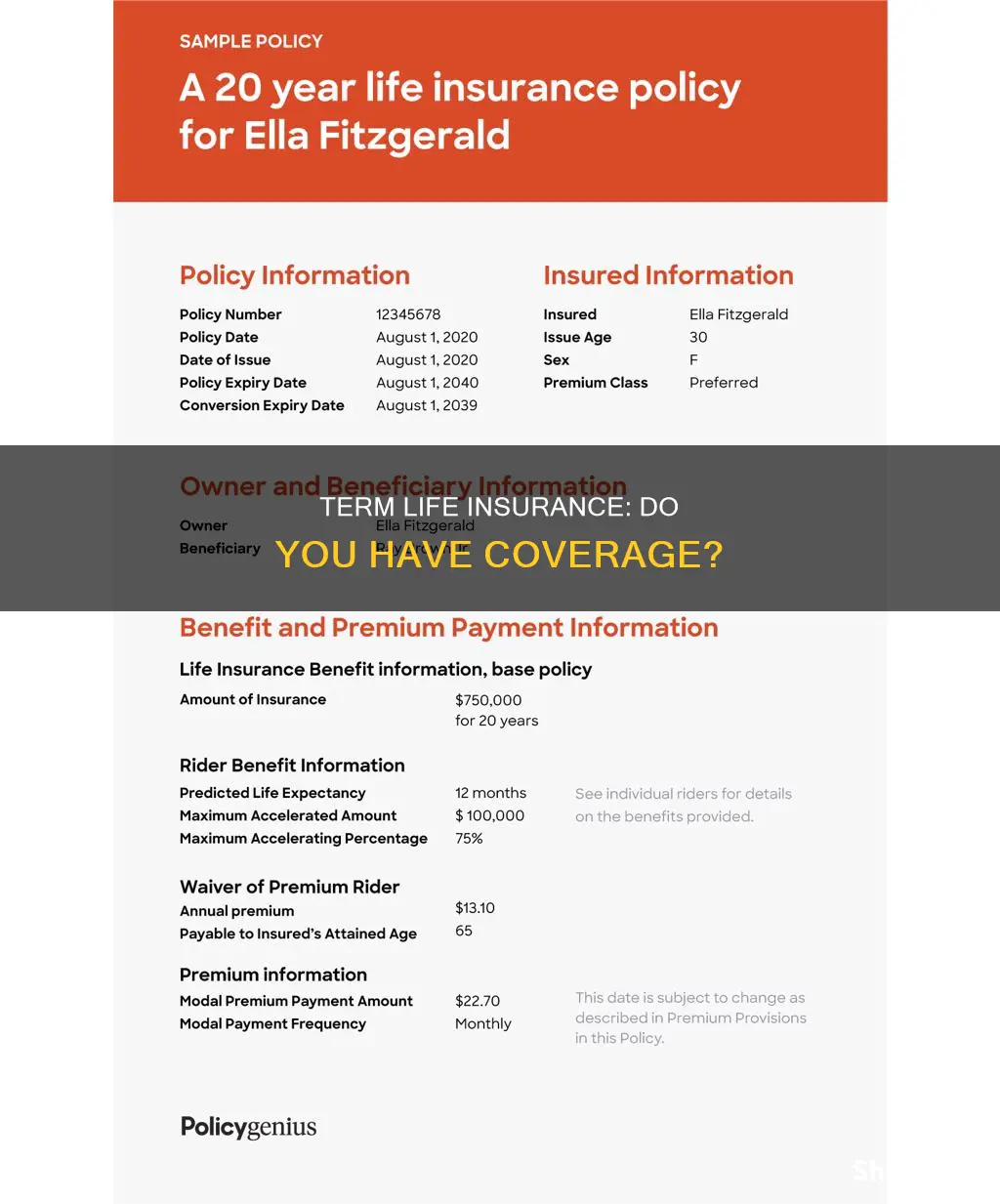
- Term Period: The duration for which the coverage is guaranteed, typically ranging from 10 to 30 years.
- Level Premiums: Most term policies in Ontario feature level premiums, meaning the cost remains the same throughout the selected term.
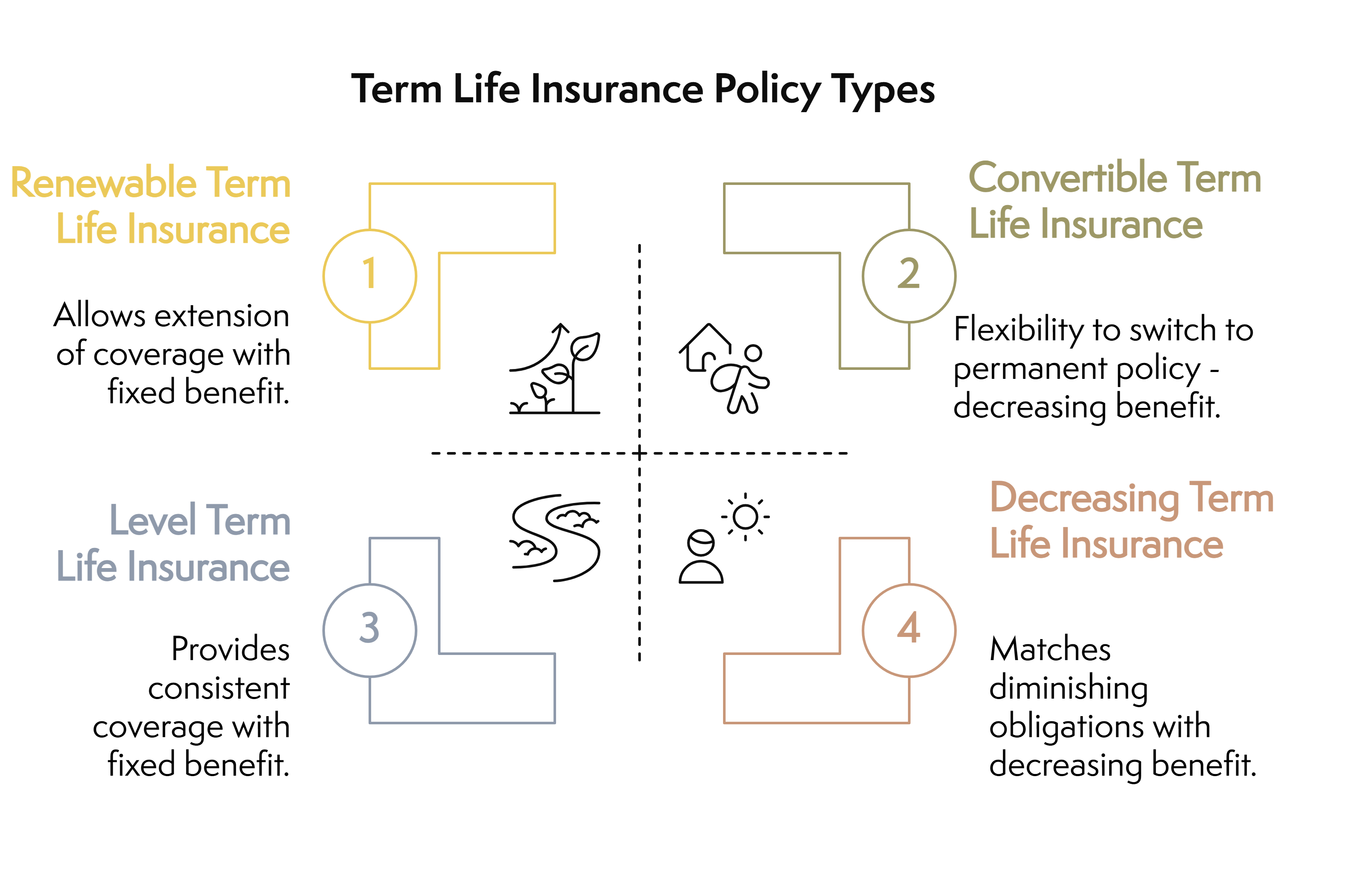
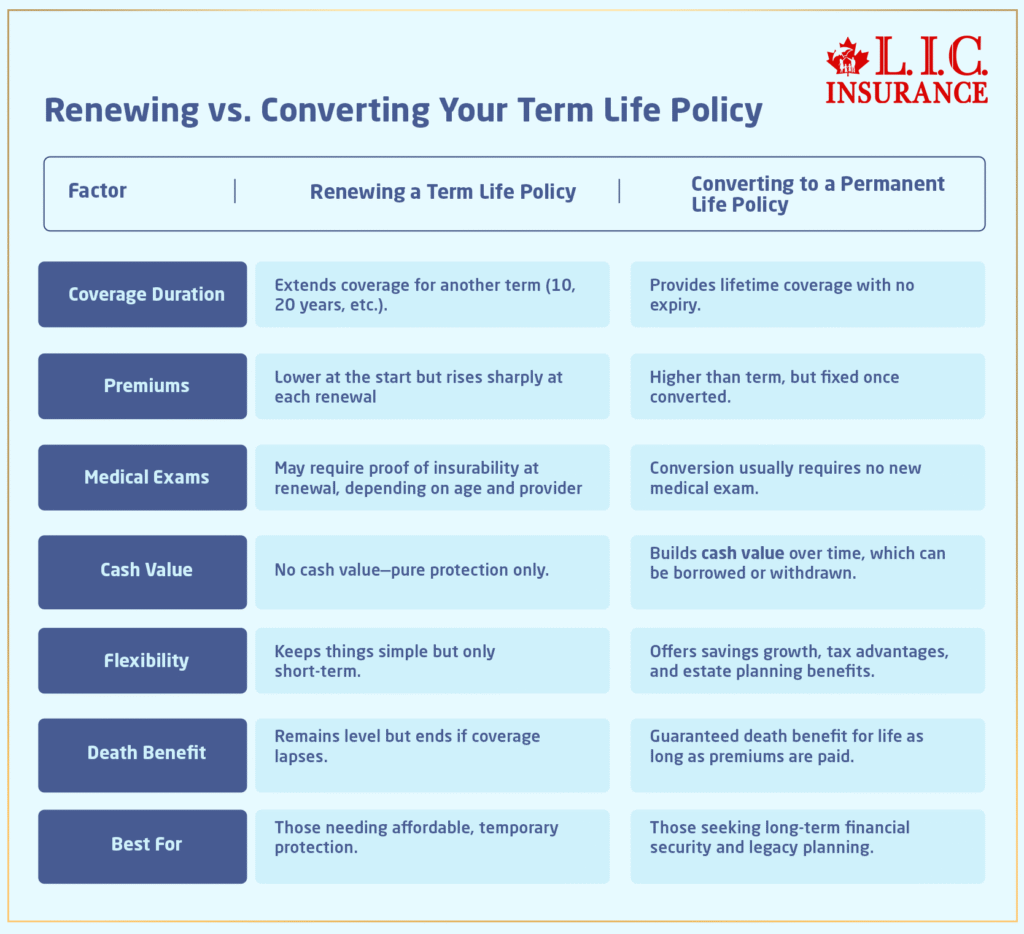
- Renewability and Convertibility: These are critical contractual riders. Renewability allows you to extend the policy after the term expires, usually at a higher, age-adjusted rate, without requiring a new medical exam. Convertibility permits you to switch to a permanent policy before a certain age or date, regardless of changes in your health status.
Evaluating Insurance Advice and Providers
Searching for "term coverage life insurance gagnon on" often refers to a search for professional guidance, potentially related to specific insurance agencies or advisors operating under the Gagnon name within the province of Ontario. In the context of the Ontario insurance landscape, it is essential to distinguish between the insurance carrier (the company that pays the claim) and the advisor or broker (the professional who helps you structure the policy).
When engaging with an advisor, verify their status via the FSRA Public Registry. Whether you are working with an independent brokerage or a specific agency, ensure that they are licensed to provide life insurance products. A qualified advisor should perform a comprehensive "Needs Analysis" to determine whether your goals are better served by a 10-year term, a 20-year term, or a longer duration such as a 30-year term.
Comparing Term Durations and Financial Planning
The choice of term length should be dictated by your "debt horizon" and your family’s dependency timeline.
| Term Length | Typical Use Case | Cost Profile |
|---|---|---|
| 10-Year | Covering short-term debts or temporary business loans. | Lowest monthly premium. |
| 20-Year | Protecting children until they complete post-secondary education. | Moderate; offers long-term stability. |
| 30-Year | Aligning with the duration of a long-term mortgage or primary child-rearing years. | Higher than 10-year, but fixed throughout. |
If you are currently evaluating a quote from a firm like Gagnon, ensure that the "Total Cost of Ownership" over the term is calculated. While initial premiums are important, the long-term feasibility of maintaining the policy is paramount. If a policy lapses due to affordability issues, the coverage terminates, and all prior premiums paid offer no residual value.
The Underwriting Process in Ontario
Before a policy is issued, the insurer must assess your risk profile. This process, known as underwriting, helps the company determine your mortality risk and establish your premium class.
- Medical Evidence: Depending on the face amount requested and your age, you may be required to complete a paramedical exam. This includes blood pressure checks, height/weight measurements, and potentially blood or urine samples.
- Medical History: You will be required to disclose past illnesses, surgeries, and chronic conditions. In Ontario, insurance companies have access to the Medical Information Bureau (MIB) to verify your history.
- Lifestyle Assessment: Factors such as occupation, aviation hobbies, or international travel plans can influence eligibility and pricing.
- Non-Smoker Status: Ontario insurers typically offer significant discounts for non-smokers. Note that "smoker" rates apply to anyone using nicotine products, including vaping devices or nicotine replacement therapy.
Common Pitfalls and Troubleshooting
Many applicants make errors during the application process that can lead to denied claims or higher-than-expected premiums.
- Non-Disclosure: Failure to disclose a medical condition or smoking status can lead to the insurer voiding the policy for "material misrepresentation" during the contestability period (usually the first two years).
- Under-insuring: Selecting a death benefit that does not cover existing debts leaves a "coverage gap." Always calculate your needs by adding up your total liabilities and subtracting liquid assets.
- Ignoring Beneficiary Designations: Ensure your beneficiaries are named clearly. In Ontario, naming a specific beneficiary (e.g., a spouse) can help the payout bypass the estate, potentially reducing probate fees and accelerating the timeline for your family to receive the funds.
- Waiting Too Long: Life insurance premiums are inextricably linked to age and health. The cost of delaying a purchase is a guaranteed increase in rates.
Frequently Asked Questions
What happens if my term expires and I still need coverage? Most term policies include a "renewable" clause. You can continue the coverage beyond the term without proving good health, but your premiums will increase significantly to reflect your current, older age.
Can I decrease my coverage amount later? Yes, most insurers allow you to reduce the face amount of your policy to lower your premiums if your financial obligations (like a mortgage) decrease over time.
Are life insurance payouts taxable in Ontario? Generally, the death benefit from a life insurance policy is paid out tax-free to your named beneficiaries, assuming the policy was purchased with after-tax dollars.
What is the difference between a broker and a captive agent? A captive agent represents one specific insurance company, while a broker works with multiple insurers to compare quotes and terms for you. Brokers often provide a broader perspective on market pricing.
How often should I review my life insurance coverage? It is recommended to review your coverage whenever you experience a major life event, such as marriage, the birth of a child, a new mortgage, or a significant change in income.
Recommendation for Action
To move forward with your term coverage, begin by conducting a formal needs analysis. Determine the total amount of coverage required to protect your dependents and identify the term length that matches your longest-standing debt. If you are consulting with a firm or advisor, ask for a "side-by-side comparison" of at least three different carriers. Prioritize policies that include a conversion option, as this provides a safeguard for your future insurability should your health status change. Once you have selected a policy, complete the application with full transparency regarding your medical history to ensure your coverage remains incontestable. Finally, schedule an annual review with your licensed professional to ensure your policy still aligns with your current financial reality.
Image Gallery