Inside Genevieve Gorder’s Malibu Beach House: Design Principles and Coastal Living
Genevieve Gorder’s approach to her Malibu beach house centers on a sophisticated fusion of organic textures, curated vintage aesthetics, and a deep respect for the surrounding coastal environment. As an acclaimed interior designer know...
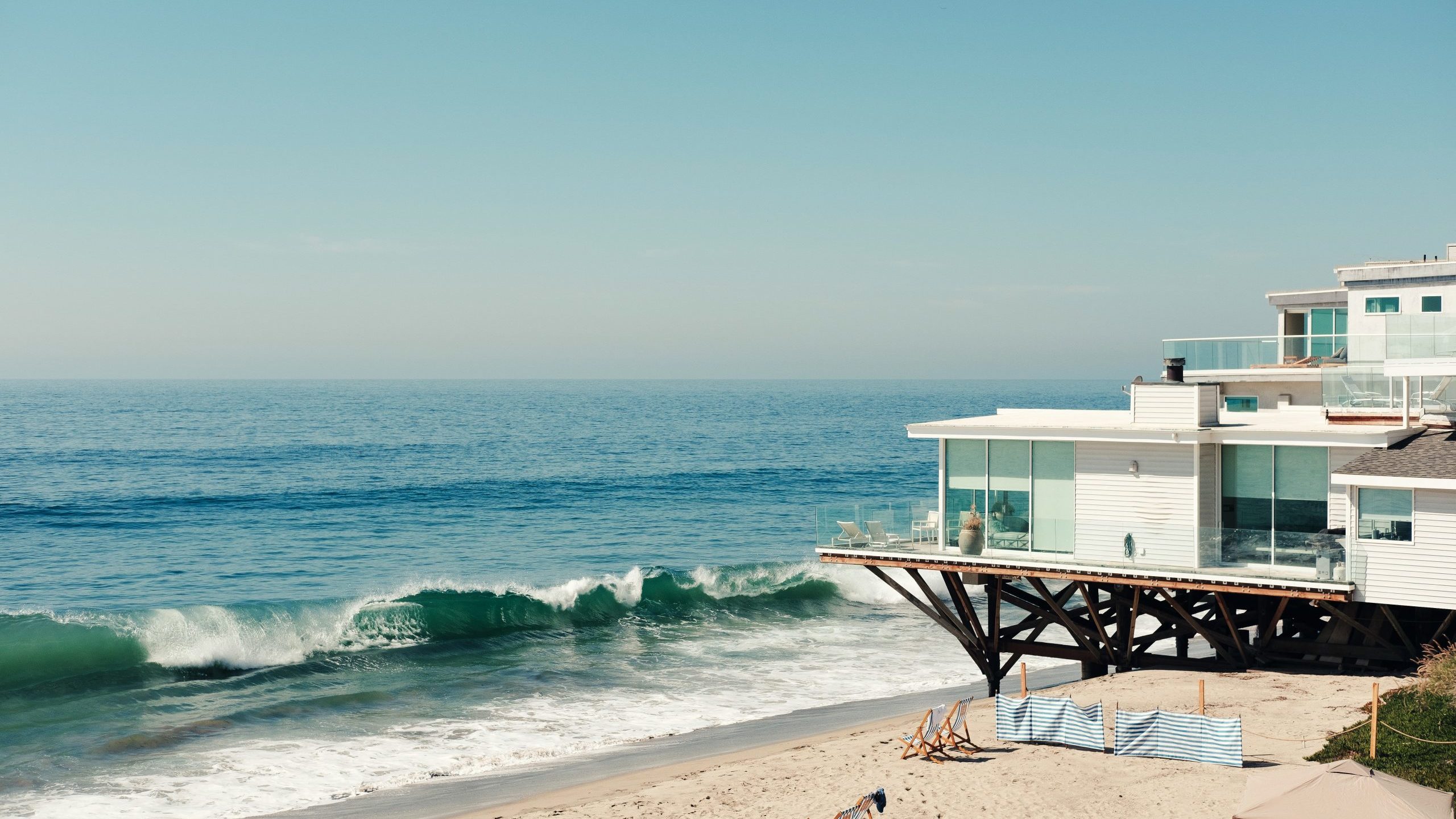
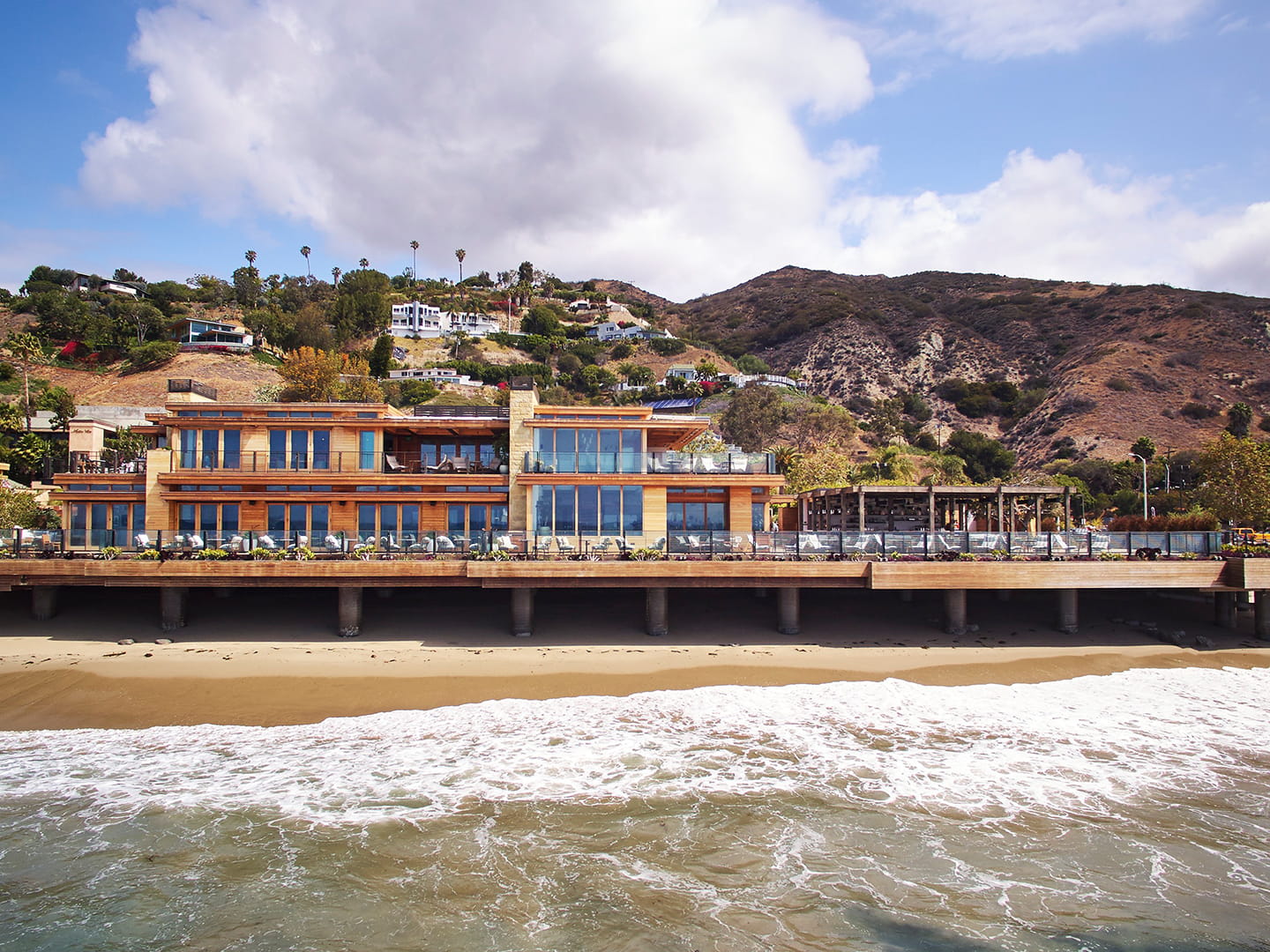
Genevieve Gorder’s approach to her Malibu beach house centers on a sophisticated fusion of organic textures, curated vintage aesthetics, and a deep respect for the surrounding coastal environment. As an acclaimed interior designer known for her global sensibilities and television presence, Gorder treated this property not merely as a residence, but as a deliberate study in how residential architecture can harmonize with the shifting light and rugged topography of the California coastline. The home serves as a functional masterclass in layering, utilizing a neutral, earth-toned palette that prioritizes tranquility and panoramic ocean views.
Contents
The Design Philosophy: Coastal Minimalism
At the heart of the Malibu home is the concept of "un-designing," a signature Gorder philosophy that emphasizes comfort over rigid aesthetic rules. The project moves away from the stereotypical "nautical" tropes—such as anchors or overly saturated blues—in favor of a more grounded, sophisticated palette. By integrating natural materials like light-washed oaks, raw linens, and hand-woven textiles, the design intent is to blur the boundaries between the interior living space and the sandy shoreline.
This transition is intentional. Gorder’s design methodology focuses on the sensory experience of a home. In Malibu, this means acknowledging the harsh salt air and intense sunlight, which dictate the choice of materials. Sun-bleached wood surfaces and high-performance fabrics are not just stylistic choices; they are functional requirements for longevity in a high-exposure maritime environment.
Spatial Planning and Structural Flow
The layout of the house utilizes an open-concept floor plan designed to capture the horizontal expanse of the Pacific Ocean. By removing structural barriers between the kitchen, living area, and dining space, the design ensures that every core room benefits from natural illumination. The use of large-scale glass panels—often referred to in architectural circles as "pocketing glass walls"—serves to bring the outdoors in, effectively doubling the perceived square footage of the primary living areas when opened.
A critical aspect of the spatial planning involves the "circulation of light." Throughout the day, the orientation of the windows ensures that light moves naturally across the floorboards. To mitigate glare, Gorder incorporates heavy, textural drapery that provides a soft, filtered glow rather than a harsh contrast. This careful management of light is what defines the atmosphere, transforming a standard beach property into a curated retreat.
Materiality and Texture Strategy
For those looking to replicate a similar aesthetic, understanding the hierarchy of materials is essential. Gorder often cites "tactility" as the most important element of any room. In a beach environment, where the visual landscape can be somewhat monochromatic, the depth must come from the weave of the fabric, the grain of the wood, or the patina on metal fixtures.
| Material Type | Typical Application | Design Purpose |
|---|---|---|
| Bleached Oak | Flooring and cabinetry | Provides a neutral, light-reflective base. |
| Raw Linen | Upholstery and window treatments | Adds organic texture and softness to hard surfaces. |
| Burnished Brass | Hardware and lighting | Introduces warmth and a sense of age. |
| Polished Concrete | Fireplace or kitchen islands | Offers a grounding, industrial-leaning contrast. |
| Reclaimed Stone | Backsplashes or exterior accents | Connects the home to the natural geology of Malibu. |
The Role of Curated Vintage Elements
A standout feature of Gorder's personal residential projects is the inclusion of "soulful" vintage items. A house filled entirely with new, showroom-grade furniture often lacks character. In the Malibu residence, this is balanced by incorporating mid-century modern seating, handcrafted Moroccan rugs, or artisanal ceramics sourced from international travels. This juxtaposition prevents the home from feeling like a sterile catalog and instead grounds the architecture in the designer's personal history.
Challenges of Beachfront Maintenance
Living in Malibu presents unique environmental challenges that impact design decisions. Salt air is highly corrosive, and high humidity can wreak havoc on wood and upholstery. When analyzing the interior of this home, one observes that maintenance is baked into the specifications.
- Corrosion Resistance: Exterior and semi-exterior hardware typically utilizes marine-grade stainless steel or protected brass to withstand the salt air.
- Fabric Selection: High-traffic upholstery often utilizes solution-dyed acrylics, which offer the look of natural linen but provide the UV and moisture resistance necessary for beachfront living.
- Wood Stabilization: Flooring in coastal regions must be properly acclimated and sealed with specialized finishes to prevent warping due to fluctuating humidity levels.
Integrating Art and Personal Narrative
The walls of the home are treated with intentional restraint. Rather than cluttering the space with traditional art, Gorder focuses on pieces that have sculptural quality or deep personal significance. By keeping the vertical planes mostly neutral, the artwork—often large-scale, minimalist, or monochromatic photography—gains more impact. This approach keeps the focus on the primary subject of the house: the view of the Pacific Ocean itself.
Frequently Asked Questions
1. How does Genevieve Gorder balance a luxury aesthetic with family-friendly functionality? She employs the principle of "durable beauty." By selecting performance fabrics that are stain-resistant and utilizing furniture with rounded edges or sturdy finishes, the home remains comfortable for daily use without sacrificing the high-end, editorial look for which her designs are known.
2. What lighting techniques are used in the Malibu home to manage glare? The house utilizes a layered lighting scheme. During the day, she relies on sheer, layered window treatments to diffuse the intense, direct coastal sun. At night, she uses warm, low-kelvin LED lighting integrated into architectural coves or lamps, rather than overhead recessed lights, to create an intimate, soft atmosphere.
3. Is it possible to achieve this look on a limited budget? Yes, by focusing on "texture over brand." You can achieve the same elevated look by investing in natural, raw materials like jute, linen, and reclaimed wood. Focus your budget on a few key "hero" pieces—such as a high-quality sofa or a statement dining table—and source smaller decor items from local vintage markets to build character.
4. Why is the neutral color palette so prevalent in Gorder’s beach houses? The Pacific Ocean is visually complex with shifting blues, greys, and greens. A neutral base acts as a canvas, allowing the home to change as the natural landscape outside changes, ensuring that the architecture never competes with the natural environment.
5. How do I protect home materials from the salt air in a coastal climate? Consult with your contractor regarding "marine-grade" specifications. For metal, opt for powder-coated or 316-grade stainless steel. For fabrics, ensure they are rated for outdoor or "high-performance" use, which typically indicates a higher level of UV stability and resistance to mildew.
Next Steps for Your Coastal Design Project
If you are planning a renovation or redesign with a coastal influence, the most effective next step is to conduct an "environmental audit" of your space. Document how light enters your rooms throughout the day, identify which surfaces are most exposed to the elements, and establish a material palette that emphasizes natural, organic textures. Avoid the urge to over-decorate; instead, follow Gorder’s lead by prioritizing open space and allowing the natural environment to serve as the primary focal point of your design. Whether you are working with a large-scale renovation or a single-room update, the goal should be to create a space that feels like a natural extension of its surroundings.
Image Gallery