Why Las Vegas, Nevada Is in Clark County: Administrative and Geographic Guide
The City of Las Vegas is the primary municipality and the county seat of Clark County, Nevada. While the terms are often used interchangeably in popular culture, "Las Vegas" refers to a specific incorporated city, whereas Clark County...
The City of Las Vegas is the primary municipality and the county seat of Clark County, Nevada. While the terms are often used interchangeably in popular culture, "Las Vegas" refers to a specific incorporated city, whereas Clark County is the broader administrative jurisdiction that encompasses the city, its neighbors, and the famous Las Vegas Strip.
Contents
Understanding the relationship between Las Vegas and Clark County is essential for residents, business owners, and investors navigating the region's unique legal and regulatory landscape. As of 2026, Southern Nevada continues to see unprecedented growth, making the distinction between city and county jurisdictions more relevant than ever for everything from property taxes to business licensing.
The Administrative Hierarchy of Southern Nevada
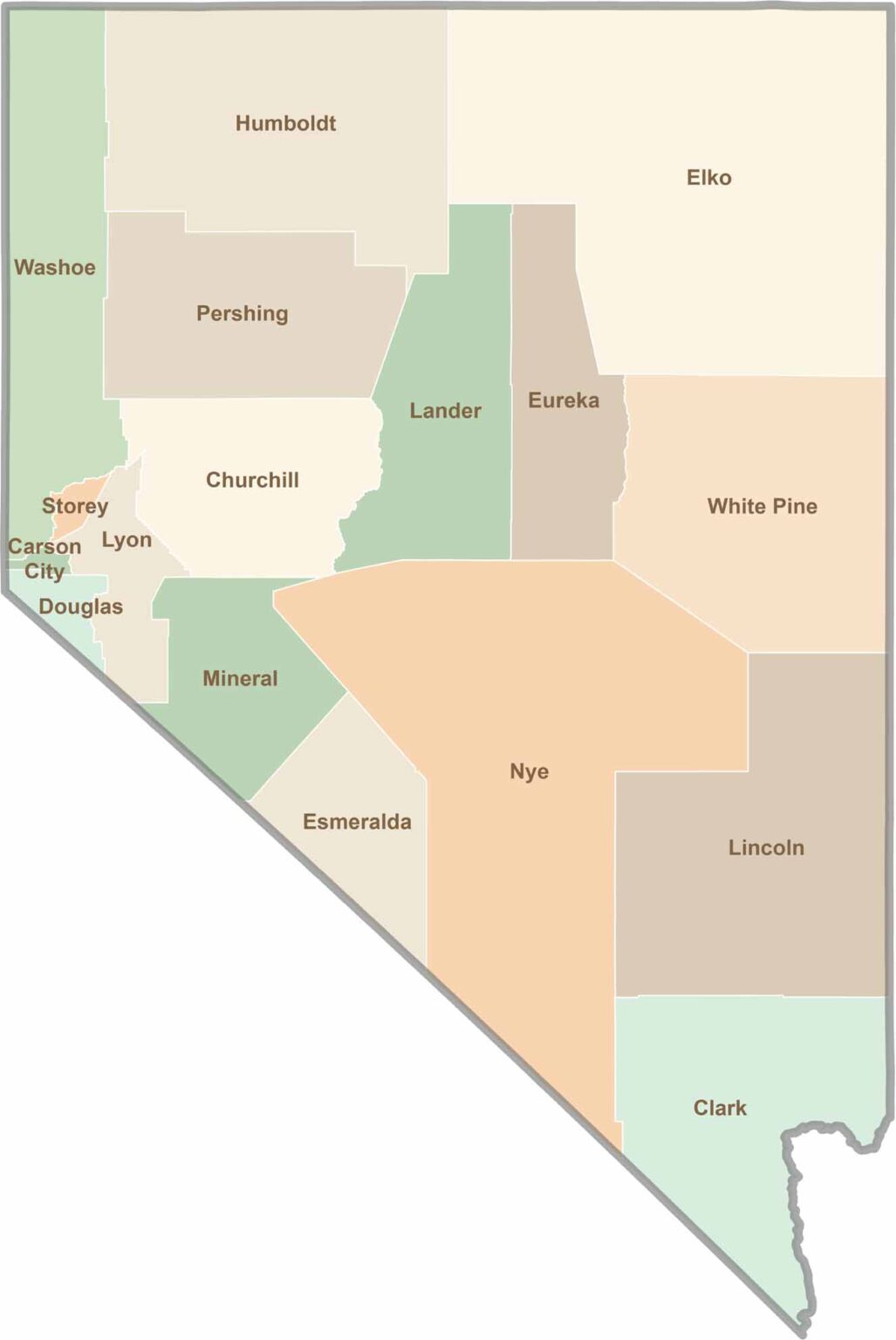
Clark County was established in 1908 and named after William Andrews Clark, a copper magnate and U.S. Senator. It covers approximately 8,061 square miles, making it larger than several U.S. states. Within this vast territory lies the City of Las Vegas, which was incorporated in 1911. However, the city limits do not cover the entire "Las Vegas" area that most people recognize.
The relationship is one of nested jurisdiction. When you are within the city limits of Las Vegas, you are simultaneously a resident of the City of Las Vegas and Clark County. If you are in an "unincorporated" area like Paradise or Winchester (where most of the Strip is located), you are governed directly by the Clark County Commission and do not fall under the City of Las Vegas's municipal authority.
The Role of the County Seat
As the county seat, the City of Las Vegas serves as the administrative heart of Clark County. This means that the primary government buildings, including the Clark County Government Center, the Regional Justice Center, and the Clark County Marriage License Bureau, are located within or immediately adjacent to the downtown Las Vegas area. Even if you live in a different city within the county, such as Henderson or North Las Vegas, many of your high-level administrative needs—such as property records, marriage licenses, and district court matters—are processed in the City of Las Vegas under the county’s authority.
The Distinction Between the City and the "Strip"
Perhaps the most common misconception for those researching the region is the location of the Las Vegas Strip. Despite its name and global branding, the majority of the Las Vegas Strip is not located within the official city limits of Las Vegas. Instead, it sits within unincorporated Clark County, specifically in the townships of Paradise and Winchester.
Why This Distinction Matters in 2026
For individuals moving to the area or starting a business in 2026, knowing whether a property is in the city or the county is crucial for several reasons:
- Business Licensing: The City of Las Vegas and Clark County have different licensing departments. A business located on the Strip applies for a Clark County business license, while a boutique in the Downtown Arts District applies for a City of Las Vegas license.
- Taxation: Property tax rates vary slightly between the city and unincorporated county areas. While both pay into the Clark County School District and the state’s general fund, the "City" portion of the tax bill only applies to residents within city limits.
- Zoning and Building Codes: Development projects are subject to different master plans. The City of Las Vegas focuses on urban infill and downtown revitalization, while the Clark County Comprehensive Planning Department manages the vast growth in the southwest and northwest valleys.
Governance and Public Services
The governance of Southern Nevada is a complex web of cooperation. Because the City of Las Vegas is the largest municipality within Clark County, many services are consolidated to improve efficiency.
Law Enforcement: The LVMPD
One of the most successful examples of city-county cooperation is the Las Vegas Metropolitan Police Department (LVMPD). Formed in 1973 by the merger of the Las Vegas Police Department and the Clark County Sheriff's Office, the "Metropolitan" department provides law enforcement for both the City of Las Vegas and the unincorporated areas of the county. The head of this department is the elected Sheriff of Clark County.
The Judicial System
The Clark County Courts system is headquartered in Las Vegas. While the City of Las Vegas maintains a Municipal Court for local ordinances and misdemeanors, the Eighth Judicial District Court handles all felony cases and major civil disputes for the entire county. This distinction is vital for legal professionals and individuals involved in litigation; the "Las Vegas court" most people refer to is actually a county-level institution.
Fire and Emergency Services
Unlike the police department, fire services remain largely separate. The Las Vegas Fire & Rescue serves the city proper, while the Clark County Fire Department serves the Strip and unincorporated areas. In 2026, mutual aid agreements are more robust than ever, ensuring that the closest unit responds to an emergency regardless of the city-county boundary.
Economic and Demographic Overview (2026)
As of 2026, Clark County’s population has surpassed 2.4 million residents. The City of Las Vegas accounts for roughly 660,000 of those residents, illustrating that the majority of the county's population actually lives outside the official city limits.
Comparison Table: City of Las Vegas vs. Unincorporated Clark County
| Feature | City of Las Vegas | Unincorporated Clark County |
|---|---|---|
| Governing Body | City Council & Mayor | Board of County Commissioners |
| Primary Economy | Tech, Arts, Legal, Government | Gaming, Tourism, Hospitality |
| Major Landmarks | Fremont Street, Smith Center | The Strip, Allegiant Stadium |
| Police Service | LVMPD (Consolidated) | LVMPD (Consolidated) |
| Fire Service | Las Vegas Fire & Rescue | Clark County Fire Department |
| Business License | City of Las Vegas | Clark County |
| Population (Est. 2026) | ~665,000 | ~1,100,000 (Paradise/Winchester/Enterprise) |
Infrastructure and Resource Management
Because Las Vegas is located in the Mojave Desert, infrastructure management is a regional effort coordinated through Clark County.
Water Conservation and the SNWA
The Southern Nevada Water Authority (SNWA) is a cooperative agency formed by the City of Las Vegas, Clark County, and other regional cities. By 2026, the SNWA has become a global leader in arid-climate water management. While your water bill might come from the Las Vegas Valley Water District (the retail provider), the policy and infrastructure (like the "third straw" intake at Lake Mead) are managed at a county-wide regional level.
Transportation and RTC
The Regional Transportation Commission of Southern Nevada (RTC) manages public transit and traffic light synchronization for the entire county. Whether you are driving on a city street in Las Vegas or a county road in Summerlin South, the RTC coordinates the funding and planning. This regional approach is essential for managing the traffic associated with major events at venues like Allegiant Stadium and the various arenas on the Strip.
Real Estate and Zoning Implications
For those looking at real estate in 2026, the phrase "Las Vegas, NV" on a mailing address does not guarantee the property is within the city. The U.S. Postal Service uses "Las Vegas" as a default city name for many zip codes that are actually in unincorporated Clark County.
Verifying Jurisdiction
Before purchasing property or signing a commercial lease, it is imperative to verify the jurisdiction through the Clark County Assessor’s Office. This ensures you are aware of the correct:
- Short-term rental regulations (which are notoriously different between the city and county).
- Permitting requirements for renovations.
- Property tax assessments.
Frequently Asked Questions
Is the Las Vegas Strip in the City of Las Vegas?
No. The majority of the Las Vegas Strip, including major resorts like the Caesars Palace and the MGM Grand, is located in unincorporated Clark County, specifically in the townships of Paradise and Winchester.
Who governs Clark County?
Clark County is governed by a seven-member Board of County Commissioners. These commissioners are elected by district and appoint a County Manager to oversee the day-to-day operations of the county’s vast infrastructure and social services.
If I live in Clark County but outside the city, is my address still Las Vegas?
Yes, in most cases. The U.S. Postal Service recognizes "Las Vegas" as the city name for addresses in unincorporated areas like Enterprise, Spring Valley, and Paradise, even though these areas are not part of the City of Las Vegas municipality.
Why was Clark County created?
Clark County was carved out of Lincoln County in 1908. The move was prompted by the growth of the railroad and the need for a more localized government centered around the burgeoning townsite of Las Vegas, which had become a vital stop for the San Pedro, Los Angeles & Salt Lake Railroad.
Where do I go for a marriage license in Las Vegas?
You must visit the Clark County Marriage License Bureau. Although it is located in the City of Las Vegas (specifically at 201 E. Clark Ave), it is a county-run office. This is consistent with Las Vegas's role as the county seat.
Do I pay more taxes if I live in the City of Las Vegas?
Generally, residents within the City of Las Vegas pay a slightly higher total property tax rate because they pay the municipal city tax in addition to the county and school district taxes. However, they also receive specific city services, such as city-maintained parks and dedicated trash collection services.
Practical Recommendations
If you are navigating the administrative landscape of Southern Nevada in 2026, your first step should always be to verify your jurisdiction. Use the Clark County OpenWeb or GIS mapping tools to enter an address and determine if it falls under "City of Las Vegas" or "Unincorporated Clark County."
For business owners, ensure your business license application matches your physical location. Filing with the wrong entity can lead to delays in opening or fines for operating without a local permit. Lastly, remember that while the "Las Vegas" brand is global, the legal reality is local; always check the specific ordinances of Clark County to stay compliant with regional laws.
Image Gallery