The Most Expensive Jewelry in the Queen Elizabeth II Collection: A Technical Overview
Queen Elizabeth II’s personal jewelry collection represents one of the most significant aggregations of historical gemstones and royal craftsmanship in existence. While the Crown Jewels—housed in the Tower of London—belong to the sover...
Queen Elizabeth II’s personal jewelry collection represents one of the most significant aggregations of historical gemstones and royal craftsmanship in existence. While the Crown Jewels—housed in the Tower of London—belong to the sovereign in right of the Crown, the Queen’s private collection consists of items acquired through inheritance, diplomatic gifting, and personal purchase. Valuing these pieces is inherently complex, as many possess unique historical provenance that transcends the mere market value of their constituent diamonds, platinum, and colored stones.
Contents
Defining the Scope: Sovereign vs. Private Assets
To analyze the most expensive jewelry associated with Queen Elizabeth II, one must distinguish between the Crown Jewels and the Private Collection. The Crown Jewels include the Sovereign’s Sceptre with Cross, the Imperial State Crown, and the St. Edward’s Crown. These are ceremonial items protected by the state. Conversely, the Queen’s private collection—much of which was inherited from Queen Mary or commissioned during Elizabeth II's own reign—includes tiaras, parures, and brooches that remained under her personal stewardship throughout her life.
Valuations of these items are largely speculative, as they rarely enter the open market. Experts in high-value asset appraisal, such as those at the Gemological Institute of America (GIA) or major auction houses like Sotheby’s and Christie’s, base their estimates on the raw weight of the diamonds (measured in carats), the purity of the metalwork, and the historical "provenance premium."
The Cullinan Diamonds: The Apex of Value
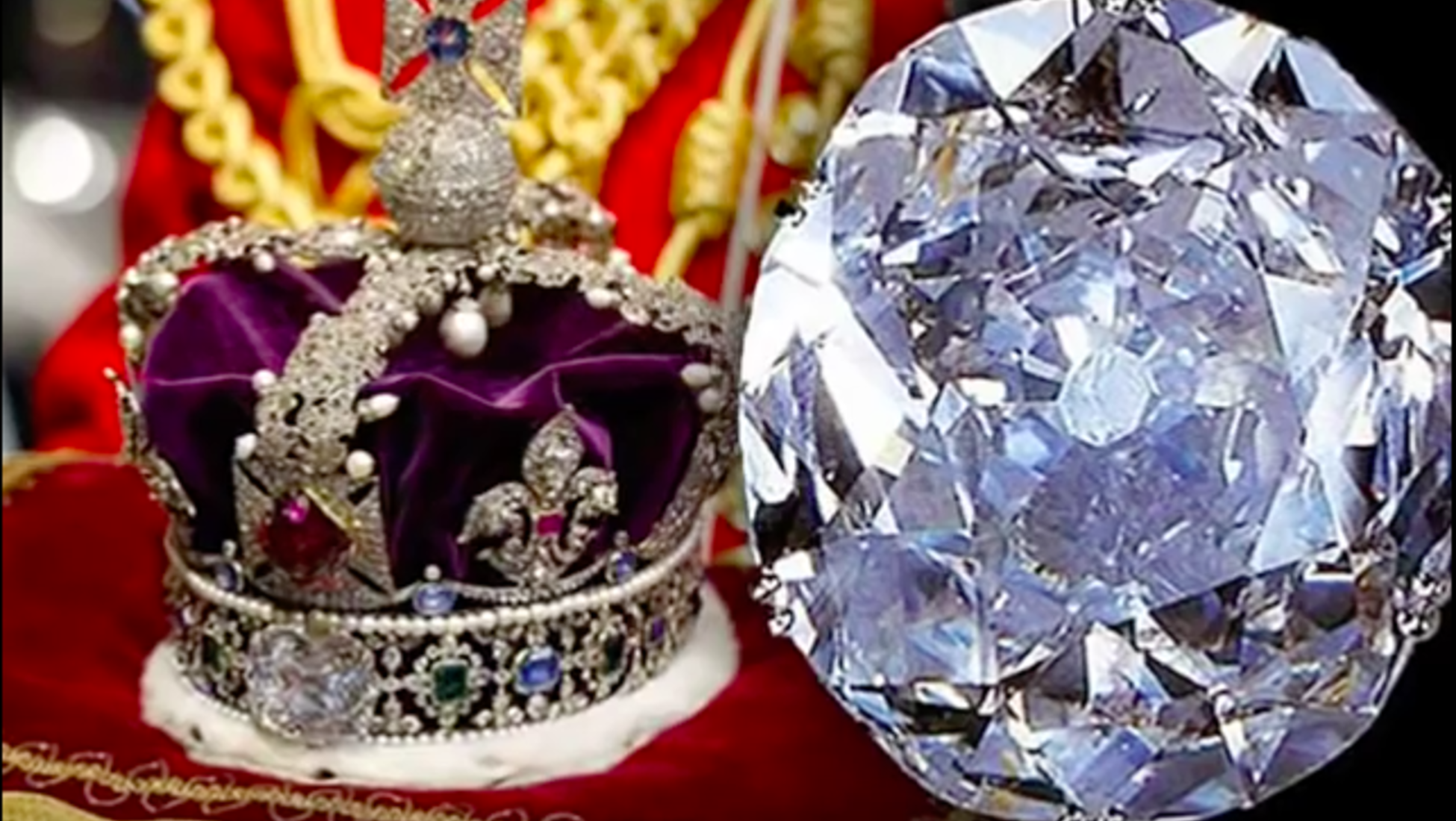
The most significant portion of the Queen’s collection centers on the Cullinan Diamond, discovered in South Africa in 1905. The rough stone weighed 3,106 carats. It was cut into nine major stones (Cullinan I through IX) and 96 minor stones.
While Cullinan I (the Star of Africa) is set in the Sovereign’s Sceptre, several other major pieces of the Cullinan series reside in the Queen’s private collection:
- Cullinan III and IV: Known affectionately as "Granny’s Chips," these stones are often worn together as a brooch. Cullinan III is a 94.4-carat pear-cut diamond, and Cullinan IV is a 63.6-carat cushion-cut diamond.
- Cullinan V: A 18.8-carat heart-shaped diamond, frequently worn as a brooch set in platinum.
- Cullinan VI and VIII: These stones are incorporated into a variety of flexible settings, demonstrating the versatility of the collection.
The valuation of these specific stones is astronomical. Because of their unique history as part of the largest diamond ever discovered, they are effectively "priceless" in a standard asset sense, as there is no comparable "market" for stones of this pedigree.
Notable High-Value Parures and Tiaras
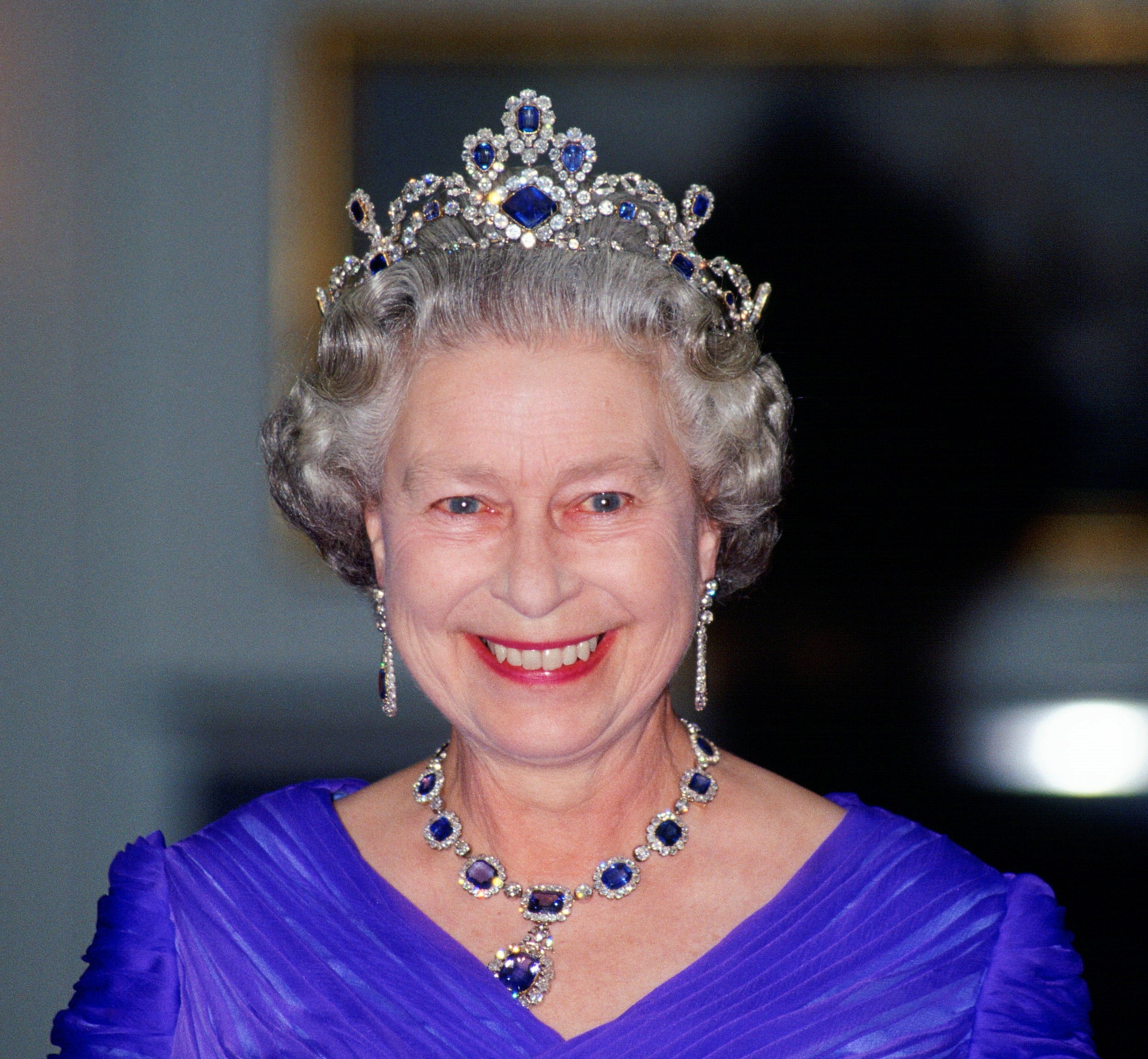
The Queen’s private jewelry collection is defined by its parures—suites of matching jewelry. These pieces are often considered the most valuable assets within the vault due to their intricate craftsmanship and the volume of high-clarity diamonds employed.
| Piece Name | Primary Materials | Notable Features |
|---|---|---|
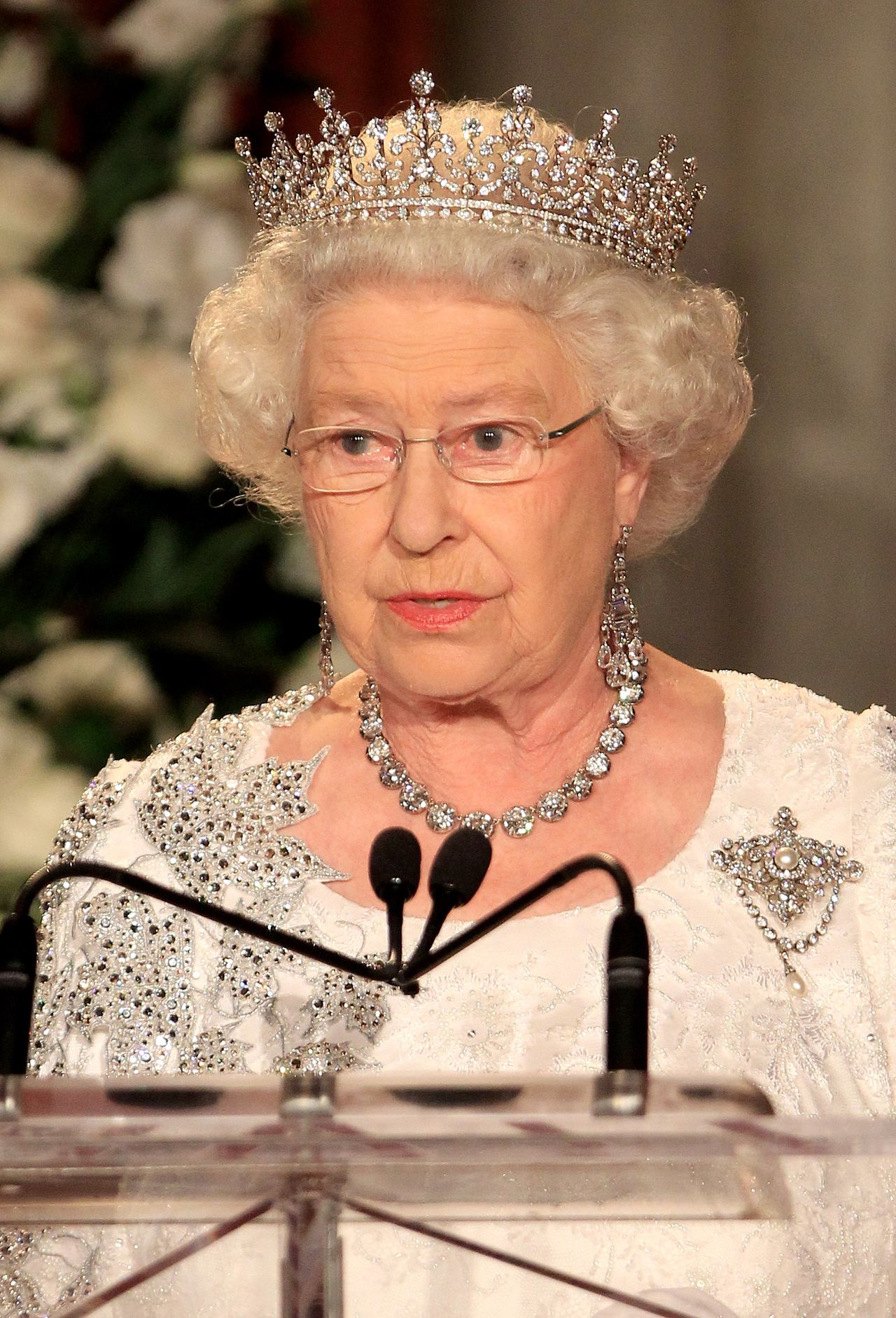
| Girls of Great Britain and Ireland Tiara | Diamonds, Silver, Gold | Gifted to Queen Mary in 1893; iconic design. |
| Grand Duchess Vladimir Tiara | Diamonds, Pearls/Emeralds | Features 15 interlocking diamond circles. |
| The Burmese Ruby Tiara | Diamonds, Rubies | Commissioned in 1973 using 96 rubies. |
| The Brazilian Aquamarine Parure | Aquamarines, Diamonds | Gifted by Brazil; set expanded over decades. |
The Grand Duchess Vladimir Tiara
Purchased by Queen Mary from the Grand Duchess Elena Vladimirovna of Russia in 1921, this piece is a masterwork of late 19th-century design. It is highly valued not only for its diamond count but for its modular design, allowing the wearer to swap between emerald drops, pearl drops, or no drops at all. The technical skill required to balance the weight of these interchangeable stones while maintaining the structural integrity of the diamond arches places it at the upper tier of the collection’s value.
The Burmese Ruby Tiara
Commissioned by Queen Elizabeth II in 1973, this piece serves as a case study in modern royal commissioning. It features 96 rubies gifted by the people of Burma, surrounded by diamonds gifted by the Nizam of Hyderabad. The use of modern platinum settings allows for a precise "tension" setting of the stones, which enhances the light return and fire of the rubies.
Appraisal and Preservation Challenges
Managing an asset class of this nature requires rigorous technical oversight. The Queen’s jewelry collection is maintained by the Royal Collection Trust, which ensures the physical preservation of these items.
- Chemical Stability: Many pieces include pearls, which are sensitive to acidity, temperature fluctuations, and environmental humidity. Maintaining the luster of the pieces requires controlled atmospheric conditions in the vault.
- Structural Integrity: Pieces like the Vladimir Tiara contain delicate hinges. Expert jewelers perform periodic inspections to ensure that none of the small claw settings holding the diamonds have loosened over time, particularly after international travel or repeated use during state occasions.
- Provenance Documentation: The value of these items is tethered to their history. Each piece is cataloged with exhaustive records of its origin, the artisans involved in its creation, and the occasions on which it was worn. This documentation is essential for maintaining the "provenance premium" that differentiates these items from standard luxury jewelry.
Frequently Asked Questions
Are the Queen’s jewels insured? As sovereign property, the crown and state-owned jewels are not insured in the commercial sense. The private collection, however, is held in trust, and its security is a matter of national security rather than private insurance policy.
What is the most expensive piece of jewelry in the collection? In terms of pure gemological value, the Cullinan III and IV diamonds are widely considered the most valuable individual stones in the private collection. Their size and clarity are virtually unmatched in the world of private ownership.
Can these items be sold? No. The vast majority of the Queen’s private collection is classified as "heirloom jewelry," meaning it is passed down through the monarchy to ensure the continuity of the institution and is effectively inalienable.
How is the value of these pieces determined? Experts use current market rates for high-clarity, high-carat diamonds as a baseline, but the final valuation is adjusted based on historical significance, the artistry of the metalwork, and the uniqueness of the cut.
Where is the jewelry kept? The items are stored in secure, temperature-controlled facilities within the Royal residences, primarily at Buckingham Palace, under the oversight of the Surveyor of the Queen’s Works of Art.
Next Steps for Research and Appreciation
For those interested in the historical and technical aspects of the collection, the Royal Collection Trust provides curated resources that detail the provenance of major pieces. While market valuations remain speculative, the scholarly study of the craftsmanship—particularly the shift from the heavy, formal settings of the Victorian era to the light, flexible platinum settings of the 20th century—offers the most accurate way to understand the importance of these assets. Readers should consult reputable academic publications on royal history and jewelry design for detailed insights into specific pieces.
Image Gallery