Jeff Bezos Net Worth and Amazon Prime Price Increase: The Intersection of Personal Wealth and Consumer Economics
Understanding the relationship between Jeff Bezos’s net worth and the recurring cost adjustments of Amazon Prime requires examining the modern retail economy, corporate valuation models, and consumer subscription dynamics. While Jeff B...
Understanding the relationship between Jeff Bezos’s net worth and the recurring cost adjustments of Amazon Prime requires examining the modern retail economy, corporate valuation models, and consumer subscription dynamics. While Jeff Bezos stepped down as Amazon's Chief Executive Officer in July 2021 and transitioned to the role of Executive Chairman, his financial standing remains closely tied to the e-commerce giant's market performance. Concurrently, Amazon Prime price increases reflect broader macroeconomic pressures, rising logistics costs, and the expanding scope of digital services included within the subscription bundle. This analysis explores how the founder's multi-billion-dollar fortune interacts with the economic realities governing consumer pricing models, corporate revenue strategies, and inflationary adjustments within the retail sector.
Contents
The Financial Architecture of Jeff Bezos’s Net Worth
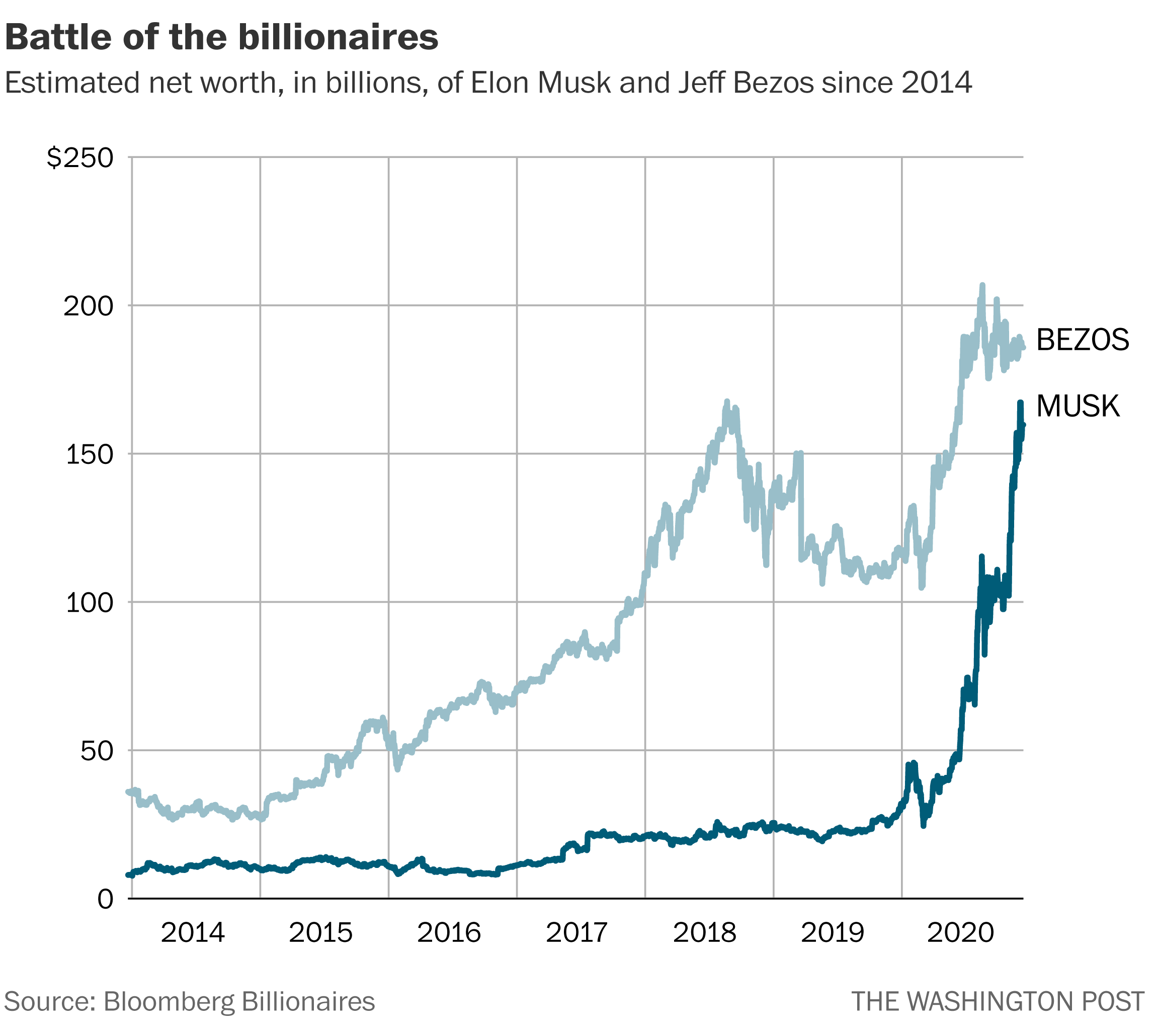
Jeff Bezos’s net worth is not a static sum held in cash accounts; rather, it is a dynamic valuation primarily anchored to his equity stake in Amazon.com, Inc., alongside private ventures like Blue Origin and the Washington Post. When examining executive wealth of this magnitude, financial analysts look closely at insider stock ownership, open-market transactions, and the valuation multiples of publicly traded technology enterprises.
Amazon Stock Holdings and Insider Ownership
The foundation of Bezos’s wealth stems from his role as the founder of Amazon, which he launched in a garage in Bellevue, Washington, in 1994. Over nearly three decades, Amazon evolved from an online bookstore into a global infrastructure, cloud computing, and retail powerhouse.
- Equity Share: Bezos has historically remained Amazon’s largest individual shareholder, owning a significant percentage of the company’s outstanding common stock.
- Stock Sales and Liquidity: To fund secondary enterprises, charitable initiatives, and personal investments, Bezos has periodically executed structured stock sales under pre-arranged trading plans (such as SEC Rule 10b5-1), converting equity into diversified assets, cash, and real estate holdings.
- Market Capitalization Impact: Because a vast majority of his net worth is tied directly to Amazon’s stock price, minor percentage shifts in the company's market capitalization translate into billions of dollars of movement in his personal net worth ledger.
Diversification Beyond E-Commerce
While Amazon remains the primary engine of his financial standing, Bezos's wealth profile includes significant non-retail holdings. Blue Origin, his commercial aerospace manufacturer and spaceflight services company, consumes substantial capital and requires ongoing funding, which is partially sustained by his periodic Amazon stock liquidations. Additionally, his investment portfolio extends into real estate acquisitions across the United States, venture capital investments in technology startups, and philanthropic commitments focused on climate change and community support through the Bezos Earth Fund and the Bezos Day One Fund.
Economic Drivers Behind the Amazon Prime Price Increase
Amazon Prime launched in 2005 as a flat-rate shipping perk designed to increase customer loyalty and purchase frequency. Over the years, the program evolved from a simple two-day shipping subscription into an expansive ecosystem encompassing streaming video, music, grocery delivery, specialized shopping events, and digital storage.
As the value proposition of the service expanded, so did the operational costs required to maintain and scale its underlying infrastructure. When Amazon implements price adjustments for Prime memberships, these decisions are driven by distinct macroeconomic and operational factors.
| Adjustment Period | US Monthly Fee | US Annual Fee | Primary Operational Driver |
|---|---|---|---|
| 2005 (Launch) | N/A | $79 | Establishment of core two-day shipping infrastructure. |
| 2014 (First Increase) | $10.99 (introduced later) | $99 | Expansion of digital video streaming and rising fuel/transport costs. |
| 2018 (Second Increase) | $12.99 | $119 | Scaling fulfillment networks and third-party logistics integration. |
| 2022 (Recent US Hike) | $14.99 | $139 | Escalating wages, fuel inflation, and supply chain expansion. |
Inflation, Logistics, and Supply Chain Pressures
The cost of moving physical goods globally has faced unprecedented strain due to fluctuating fuel prices, labor market shifts, and warehousing demands. Maintaining a vast logistics network—consisting of fulfillment centers, sorting facilities, local delivery stations, and a dedicated transportation fleet—requires continuous capital expenditure.
- Labor Costs: Competitive labor markets have forced increases in warehouse worker compensation and benefits packages to attract and retain operational staff.
- Fuel and Freight: Fluctuations in global energy markets directly impact the cost of long-haul trucking, air cargo, and final-mile van delivery.
- Fulfillment Footprint: Expanding the physical footprint to offer faster delivery windows (such as same-day or one-day shipping) demands heavy upfront infrastructure investments before operational efficiencies can be realized.
Expansion of Digital Content and Perks
Unlike early iterations of the service, modern Prime memberships include a broad suite of digital and entertainment assets. The cost of licensing and producing original content for Prime Video, maintaining high-bandwidth music streaming services, and securing exclusive promotional rights (such as Thursday Night Football broadcasts) introduces multi-billion-dollar operational expenses. Consequently, pricing adjustments often correspond directly to the increased cost of content acquisition and technical overhead needed to deliver these supplementary services to millions of concurrent global users.
Consumer Impact and Subscription Economics
The relationship between rising subscription fees and subscriber retention is a critical metric for Amazon's long-term financial health. Despite periodic consumer resistance and public debate surrounding price adjustments, historical data indicates that Prime churn rates remain relatively low following fee increases. This resilience points to the "lock-in" effect of integrated ecosystems, where consumers utilize multiple facets of the service—making the annual or monthly fee difficult to abandon without altering daily consumer habits.
Value Realization and Consumer Behavior
Subscribers evaluate the cost of Amazon Prime against the frequency of their usage and the direct savings realized through free shipping and digital perks.
- Shipping Savings: For frequent online shoppers, the cumulative cost of individual shipping fees often outweighs the fixed annual subscription cost.
- Alternative Subscriptions: When compared to the combined cost of standalone video streaming services, music platforms, and cloud storage providers, Prime often positions itself as a consolidated bundle, mitigating resistance to price hikes.
- Promotional Events: High-profile shopping events, such as Prime Day, serve as psychological reinforcement of the membership's value, encouraging renewals even in inflationary environments.
Corporate Governance and Wealth Perception
Public discourse frequently conflates corporate pricing strategies with the personal enrichment of high-profile founders. However, corporate pricing decisions are determined by executive leadership teams, board oversight, and fiduciary responsibilities to shareholders rather than the personal financial needs of individual stakeholders.
Even though Jeff Bezos retains a substantial ownership stake, Amazon operates as a publicly traded corporation managed by its executive team and board of directors. Pricing models for Amazon Prime are designed to optimize long-term customer lifetime value, cover operational cost inflation, and fund capital expenditures necessary to sustain competitive advantages against rivals like Walmart, Target, and major technology platforms.
Frequently Asked Questions
Why does Amazon increase the price of Prime?
Amazon raises Prime prices to offset rising operational expenses, including labor wages, fuel inflation, supply chain expansion, and the growing cost of digital content production and distribution, such as video streaming and music services.
Does Jeff Bezos directly control Amazon Prime pricing decisions?
No. While Jeff Bezos is the founder and a major shareholder of Amazon, operational pricing decisions are managed by the company’s executive officers and board of directors, who focus on corporate profitability, infrastructure investment, and market competition.
How much is Amazon Prime currently?
In the United States, the standard annual membership is $139, while the monthly subscription rate is $14.99, exclusive of applicable taxes and specialized student or qualifying government assistance discounts.
How is Jeff Bezos's net worth calculated?
His net worth is primarily calculated based on the total market value of his equity shares in Amazon, combined with valuations of his privately held companies like Blue Origin, real estate holdings, and other diversified investment assets.
Do price increases cause a large drop in Amazon Prime subscribers?
Historically, price increases have caused temporary slowdowns in subscriber growth, but churn rates remain low due to the comprehensive bundle of shipping, entertainment, and digital services included in the membership.
Strategic Outlook and Next Actions
For consumers evaluating their digital subscriptions, assessing the true utility of Amazon Prime involves tracking annual usage patterns against current fee structures. If shipping frequency or engagement with ancillary services like video and music streaming has declined, switching to a monthly plan or canceling the subscription can eliminate unnecessary recurring expenses. For investors and financial analysts, tracking the correlation between subscription fee adjustments and operating margin expansions remains a reliable method for measuring the company’s pricing power in competitive global markets.
Image Gallery