Strategies for Effective Employee Training and Development in 2026
Training and development for employees is a strategic framework designed to improve individual performance and organizational growth through targeted learning. By prioritizing immediate skill acquisition and long-term career progressio...
Training and development for employees is a strategic framework designed to improve individual performance and organizational growth through targeted learning. By prioritizing immediate skill acquisition and long-term career progression, businesses can effectively bridge talent gaps, increase employee retention, and adapt to the rapid technological shifts defining the competitive 2026 global economy.
Contents
Understanding the Scope of Training and Development
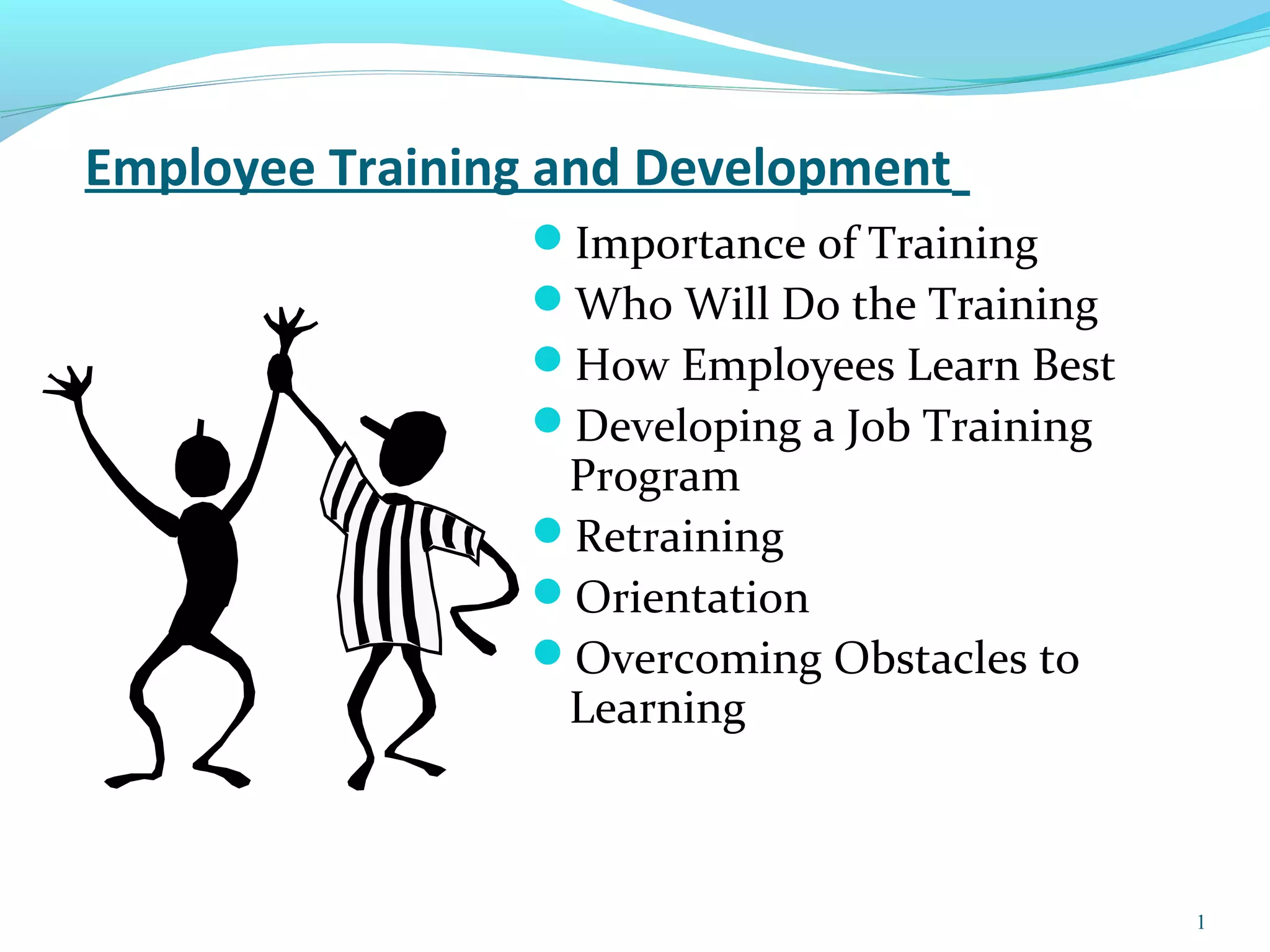
While often used interchangeably, training and development represent two distinct yet complementary functions within Human Resources and Organizational Development. In the 2026 landscape, distinguishing between these two is critical for resource allocation and strategic planning.
Employee Training is typically a short-term, reactive process focused on specific job roles or tasks. It aims to provide employees with the concrete skills or knowledge required to perform their current duties more effectively. Examples include software proficiency workshops, safety compliance briefings, or onboarding for new internal systems. The goal of training is immediate competency.
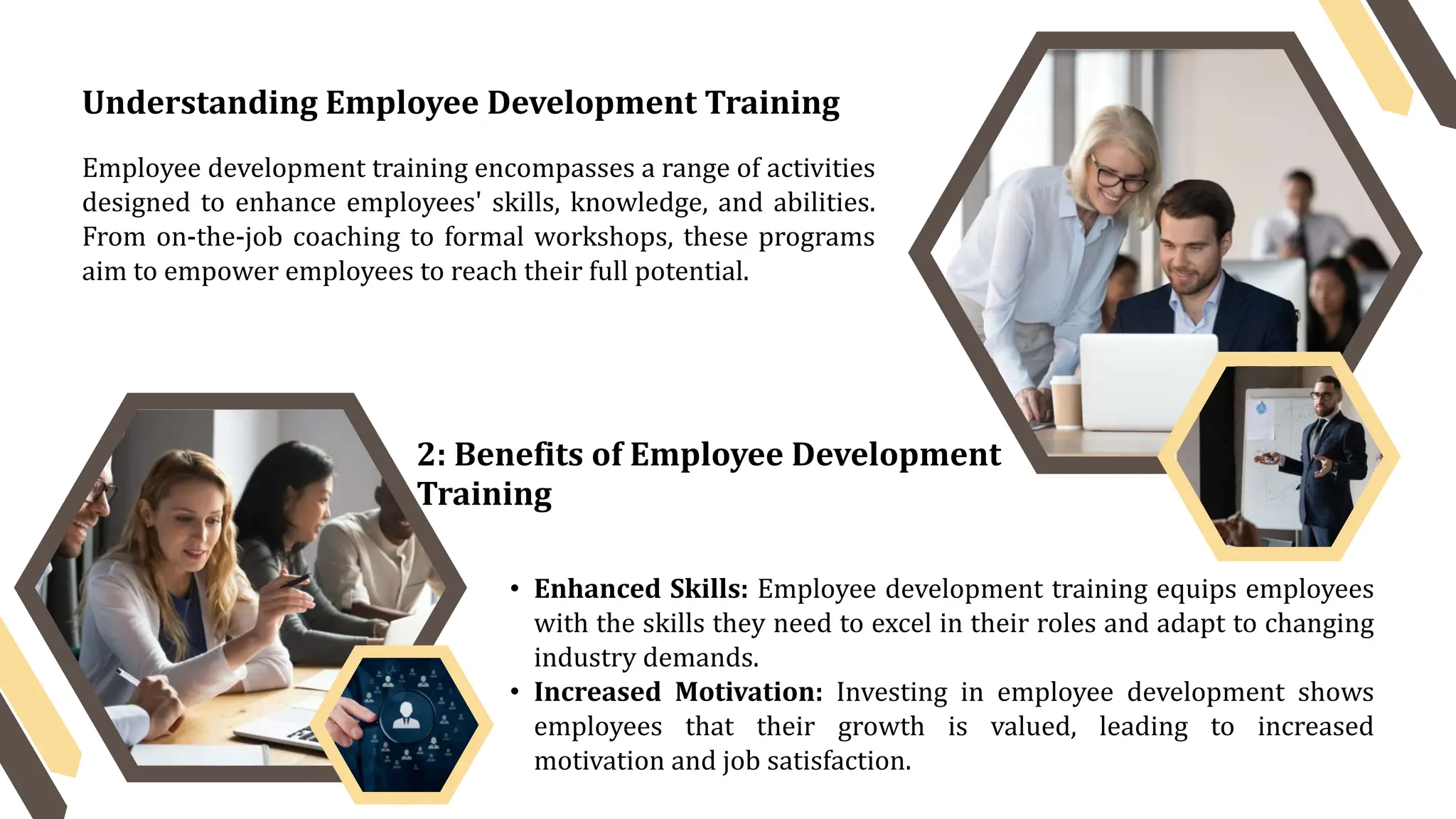
Employee Development, conversely, is a long-term, proactive investment in an individual’s potential. It focuses on conceptual and behavioral growth, preparing employees for future responsibilities, leadership roles, and the evolving needs of the organization. Development initiatives might include mentorship programs, executive coaching, or tuition reimbursement for advanced degrees. The goal here is "future-proofing" both the individual and the company.
In 2026, the lines between these categories have blurred due to the continuous nature of technological change. Professionals now engage in "continuous learning cycles" where training and development occur simultaneously to keep pace with generative AI integrations and shifting industry standards.
The Strategic Importance of L&D in 2026
The business environment in 2026 faces unique challenges that make Learning and Development (L&D) a primary differentiator for market leaders. Organizations that fail to institutionalize robust training programs often suffer from high turnover and "skill stagnation."
Closing the Skills Gap
The "half-life" of technical skills has reached an all-time low. Research from the World Economic Forum and industry-leading consultancies indicates that nearly 50% of all employees require significant reskilling to remain effective in their roles as automation and AI-augmented workflows become standard. Training and development provide the necessary bridge to migrate workers from legacy processes to modern, high-efficiency operations.
Retention and Employee Value Proposition (EVP)
For the modern workforce, particularly those in the middle and early stages of their careers, the opportunity to learn is often more valuable than minor salary increases. A culture of development signals that the company values its employees' long-term success, which significantly reduces voluntary turnover. When employees see a clear "growth path" within their current organization, they are less likely to seek opportunities elsewhere.
Operational Agility
An educated workforce is a flexible workforce. When employees understand the broader context of their industry and possess diverse skill sets, the organization can pivot more effectively in response to market disruptions. Training and development create a baseline of institutional knowledge that allows for rapid scaling and cross-departmental collaboration.
Designing a Modern Training and Development Program
Creating a successful program requires more than just purchasing a subscription to a learning platform. It necessitates a structured approach that aligns with specific business objectives.
1. Conduct a Training Needs Analysis (TNA)
Before implementing any curriculum, leadership must identify the gap between current performance and desired outcomes. A TNA involves three levels of assessment:
- Organizational Level: Where is the company going, and what skills are needed to get there?
- Operational Level: What tasks must be performed, and what are the standards for those tasks?
- Individual Level: Which specific employees need training, and what is their preferred learning style?
2. Setting Clear Objectives
Training initiatives must have SMART (Specific, Measurable, Achievable, Relevant, and Time-bound) goals. For example, instead of a vague goal like "improve customer service," a 2026 objective might be: "Increase the technical support team's resolution rate for AI-integrated queries by 15% within the next quarter through a dedicated three-day workshop."
3. Selecting the Right Delivery Method
As of 2026, delivery methods have become highly diversified. The choice depends on the subject matter, the size of the cohort, and the geographic distribution of the team.
| Method | Best Used For | Engagement Level | Cost Consideration |
|---|---|---|---|
| Instructor-Led (ILT) | Complex soft skills, leadership training, and team building. | High | High (travel, venue, and facilitator fees). |
| E-Learning (Asynchronous) | Compliance, software tutorials, and foundational knowledge. | Low to Moderate | Low per user after initial development. |
| Micro-learning | "Just-in-time" support and reinforcement of previous training. | Moderate | Medium (requires high-quality content production). |
| VR/AR Simulations | High-risk technical tasks, medical procedures, or manufacturing. | Very High | High initial setup; low long-term marginal cost. |
| Social Learning | Knowledge sharing, mentorship, and peer-to-peer coaching. | High | Low (relies on internal culture and tools). |
Implementing the 70-20-10 Model
A cornerstone of effective development is the 70-20-10 model, which posits that individuals obtain 70% of their knowledge from job-related experiences, 20% from interactions with others, and 10% from formal educational events.
- Experiential Learning (70%): This is achieved through stretch assignments, job rotation, and "learning by doing." In 2026, many firms use digital twins to allow employees to practice "real-world" scenarios in a risk-free environment.
- Relational Learning (20%): This involves coaching, feedback, and professional networking. Organizations often utilize internal social platforms to facilitate "Communities of Practice" where veterans share expertise with novices.
- Formal Learning (10%): Traditional classes, webinars, and structured courses provide the theoretical foundation upon which the other 90% is built.
Measuring Training Effectiveness and ROI
Investment in training must be justified by results. The industry standard for evaluating these programs is the Kirkpatrick Model, which measures four levels of impact:
- Reaction: Did the employees find the training favorable, engaging, and relevant? (Measured via surveys).
- Learning: Did the participants acquire the intended knowledge or skills? (Measured via assessments or demonstrations).
- Behavior: Are employees applying what they learned to their daily work? (Measured via performance observations).
- Results: Did the training lead to the desired organizational outcome, such as increased sales or reduced errors? (Measured via business KPIs).
To calculate the Return on Investment (ROI), organizations subtract the total cost of the training from the monetary value of the results, then divide by the cost. In 2026, predictive analytics tools often help L&D managers forecast these returns before the training even begins, allowing for more precise budgeting.
Common Pitfalls to Avoid
Even well-funded programs can fail if they ignore the human element of learning. One major mistake is cognitive overload, where employees are bombarded with too much information in a short period. Modern L&D professionals prefer "spaced repetition," where information is delivered in small increments over several weeks.
Another common issue is the lack of management support. If an employee learns a new, more efficient way to perform a task but their direct supervisor insists on the "old way," the training is rendered useless. Alignment between the L&D department and front-line management is essential for behavioral change.
Emerging Trends in 2026
The current year has seen a significant shift toward Personalized Learning Pathways. Using AI-driven platforms, companies can now offer customized curriculums that adapt to an employee's existing knowledge and learning speed. This prevents the "one-size-fits-all" boredom that previously plagued corporate training.
Furthermore, Gamification has matured beyond simple badges and leaderboards. In 2026, it involves complex, narrative-driven simulations that encourage healthy competition and deep engagement with difficult subject matter.
Frequently Asked Questions
What is the average budget for employee training in 2026?
While it varies by industry, many high-growth companies allocate approximately 2% to 4% of their total payroll to L&D initiatives. For tech-heavy sectors, this can rise to 5% as the need for continuous technical upskilling becomes more acute. Small businesses often rely on more cost-effective digital subscriptions and internal mentorship to achieve similar goals.
How do we handle training for a remote or hybrid workforce?
Remote training is most effective when it combines asynchronous video content with live, interactive virtual sessions. Using collaborative tools like digital whiteboards and breakout rooms ensures that remote employees remain engaged. It is also vital to provide "mobile-first" learning options for employees who may not be at a desk.
Can training and development replace new hiring?
In many cases, yes. "Internal mobility" through reskilling is often more cost-effective than external hiring, which involves recruitment fees and long ramp-up periods. Developing existing employees also preserves institutional knowledge and maintains cultural cohesion. However, for entirely new departments or specialized niche roles, external hiring may still be necessary.
How often should employees undergo training?
Training should not be an annual "event" but a continuous process. While compliance training might be annual, skills-based training should happen as new tools are introduced. Development discussions should occur at least quarterly as part of the performance management cycle to ensure goals remain aligned with the employee's career trajectory.
What are the best practices for training older or more experienced workers?
Experienced workers often benefit from "andragogy" (adult learning principles), which emphasizes the relevance of the material to their existing experience. They often prefer self-directed learning and programs that allow them to share their own expertise. Avoid "talking down" to experienced staff and focus on how new technology complements their deep institutional knowledge.
Next Actions for Implementation
To revitalize your organization's approach to training and development for employees, begin by auditing your current skill inventory. Identify the top three technological or operational gaps facing your department over the next 12 months. Once identified, pilot a small-scale micro-learning initiative or mentorship program to address these gaps. Use the data collected from this pilot to build a business case for a more comprehensive, AI-integrated L&D strategy that aligns with your 2026 fiscal objectives.
For further guidance on industry standards, consult the Association for Talent Development (ATD) or the Society for Human Resource Management (SHRM) for updated 2026 compliance and training frameworks.
Image Gallery