Navigating the Monroe Road Construction Timeline: Current Status and Project Overview
The Monroe Road construction timeline reflects a multi-phase infrastructure project focused on enhancing traffic capacity, pedestrian safety, and utility integration along the Monroe Road corridor. As of 2026, active development remain...
The Monroe Road construction timeline reflects a multi-phase infrastructure project focused on enhancing traffic capacity, pedestrian safety, and utility integration along the Monroe Road corridor. As of 2026, active development remains concentrated on localized streetscape improvements and intersection upgrades, following the completion of primary widening milestones in previous fiscal years.
Contents
Understanding the Scope of Monroe Road Improvements
Monroe Road, a critical arterial corridor serving various communities, has undergone a series of systematic upgrades designed to mitigate congestion and accommodate projected population growth. Unlike simple repaving projects, these improvements involve significant subsurface work, including storm drainage replacements, water and sewer line upgrades, and the installation of underground fiber-optic conduits.
The strategy behind the current timeline is rooted in a "phased impact" approach. By breaking the construction into smaller, geographically bounded segments, transportation departments aim to minimize the disruption to local businesses and commuters. The timeline is dictated not only by physical construction capacity but also by utility relocation schedules—a process that often requires coordination with private service providers before road crews can finalize asphalt surfacing and median installation.
Current Status and Historical Context (2026)
By the start of 2026, the major structural widening phases of the Monroe Road corridor have reached substantial completion. However, the project remains in an "operational refinement" phase. This period is characterized by:
- Final Surface Treatments: Crews are applying high-durability friction courses to high-traffic zones.
- Signage and Lighting Integration: The deployment of smart-traffic sensors and LED street lighting is ongoing, aimed at optimizing traffic light synchronization across the length of the corridor.
- Landscaping and Buffer Zones: Final aesthetic adjustments are being made to pedestrian walkways and median plantings to comply with municipal urban design standards.
Commuters should be aware that while the bulk of the "heavy" machinery has moved off the main travel lanes, localized lane closures remain a standard feature of the work schedule. These are primarily utilized for punch-list items, such as repairing curb segments damaged during the initial phases or fine-tuning traffic signal timing based on real-time 2026 traffic volume data.
Project Phases and Implementation Logic
The construction timeline for the Monroe Road expansion is categorized into four distinct technical phases. Understanding where the project currently sits helps residents and business owners anticipate the intensity of daily traffic impacts.
| Phase | Focus Area | Status (2026) | Typical Impact |
|---|---|---|---|
| Phase 1 | Utility Relocation | Completed | Minor lane shifts |
| Phase 2 | Subgrade & Drainage | Completed | Moderate congestion |
| Phase 3 | Pavement Widening | Completed | Significant detours |
| Phase 4 | Finishing & Signage | Active | Minimal/Temporary closures |
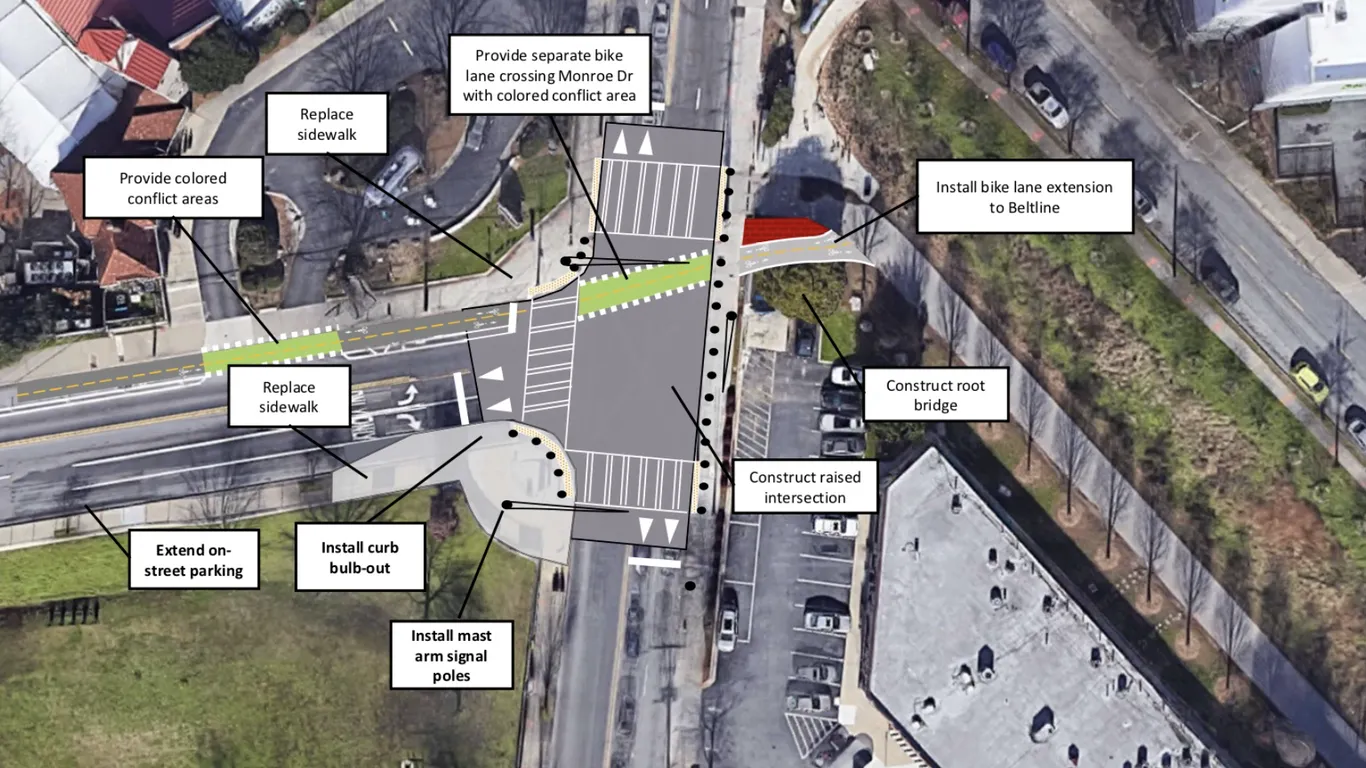
In Phase 1 and 2, the work was largely invisible to the average driver, consisting of moving gas, electric, and water lines to accommodate the future road width. The current Phase 4 focuses on the "user experience" of the road—ensuring that pedestrian crossings are ADA (Americans with Disabilities Act) compliant and that signage is legible and correctly positioned to support new traffic patterns.
Managing Traffic Disruptions and Safety
Safety remains the primary objective during the final stages of the Monroe Road project. Drivers navigating the corridor in 2026 should remain alert to "Temporary Traffic Control" (TTC) zones. Even when construction equipment is not visible, the presence of uneven manhole covers or final-grade transitions can pose risks to vehicles.
When traveling through these areas, experts recommend adhering to the following guidelines:
- Reduce Speed in Work Zones: Posted speed limits are enforceable and reflect the increased risk of worker presence in the right-of-way.
- Monitor Official Channel Updates: Municipal transportation departments often release weekly traffic bulletins. Checking these resources on Sunday evenings can help commuters avoid planned overnight lane closures.
- Respect Signal Changes: New traffic patterns often include adjusted turn signal sequences. Reliance on muscle memory from previous years is a leading cause of intersection incidents.
Economic and Infrastructure Impact
The investment in the Monroe Road infrastructure was predicated on long-term data projections for the corridor. By increasing capacity, the city aims to reduce the "idling time" of vehicles, which has a secondary benefit of lowering local emissions and improving transit times for emergency services.
For local businesses, the transition from heavy construction to the current finishing phase is generally viewed as a positive development. Access points that were restricted during the heavy widening period are now restored, allowing for better customer ingress and egress. However, business owners should continue to coordinate with local project liaisons if they require specific accommodations for heavy delivery vehicles, as lane widths in certain sections may remain subject to final adjustments until the project is officially closed.
Frequently Asked Questions
What happens if I notice an issue with the road surface? If you encounter a hazard, such as a deep pothole or a malfunctioning traffic light, report it immediately to the local Department of Transportation or public works portal. These agencies maintain a "warranty period" during which contractors are required to rectify defects at no additional cost to the public.
Why is there still construction activity if the road looks finished? Much of the current activity involves "punch-list" items. These are small, non-structural tasks that were identified during final inspections. These tasks are critical for long-term road health, such as sealing joints between concrete slabs to prevent water intrusion, which could lead to premature cracking.
Will there be future widening projects on this corridor? While this specific project is nearing its conclusion, municipal long-range plans typically reassess road capacity every 5 to 10 years. You can review the Master Transportation Plan provided by your local city or county government to see if further expansion is planned for the next decade.
Are pedestrian improvements permanent? Yes. The current upgrades prioritize a "complete streets" philosophy, meaning that sidewalks, bike lanes, and crosswalks are permanent infrastructure features designed to enhance connectivity for non-motorized travel.
How long do these traffic shifts last? Temporary traffic shifts are usually scheduled for off-peak hours (typically 9:00 PM to 6:00 AM) to minimize impact. Any daytime shifts are generally intended to last only as long as it takes to complete a specific, localized task, such as painting lane stripes or installing hardware.
Recommendations for Commuters and Residents
To navigate the remainder of the Monroe Road construction timeline effectively, it is recommended that residents sign up for official email or text alerts from the municipal project office. This ensures that when major tasks—such as final paving or permanent signal activation—are scheduled, the information is received in advance.
For daily navigation, relying on GPS applications that integrate real-time traffic data is the most reliable method for avoiding delays. These apps often receive direct input from road management systems, providing the most accurate look at current lane closures and congestion levels. By maintaining patience and adhering to posted speed limits, residents can ensure that the final stages of the project proceed safely and efficiently, ultimately delivering the high-quality infrastructure expected for the community.
Image Gallery