Where Is Curly From Port Protection: Origins and Background of the Reality TV Star
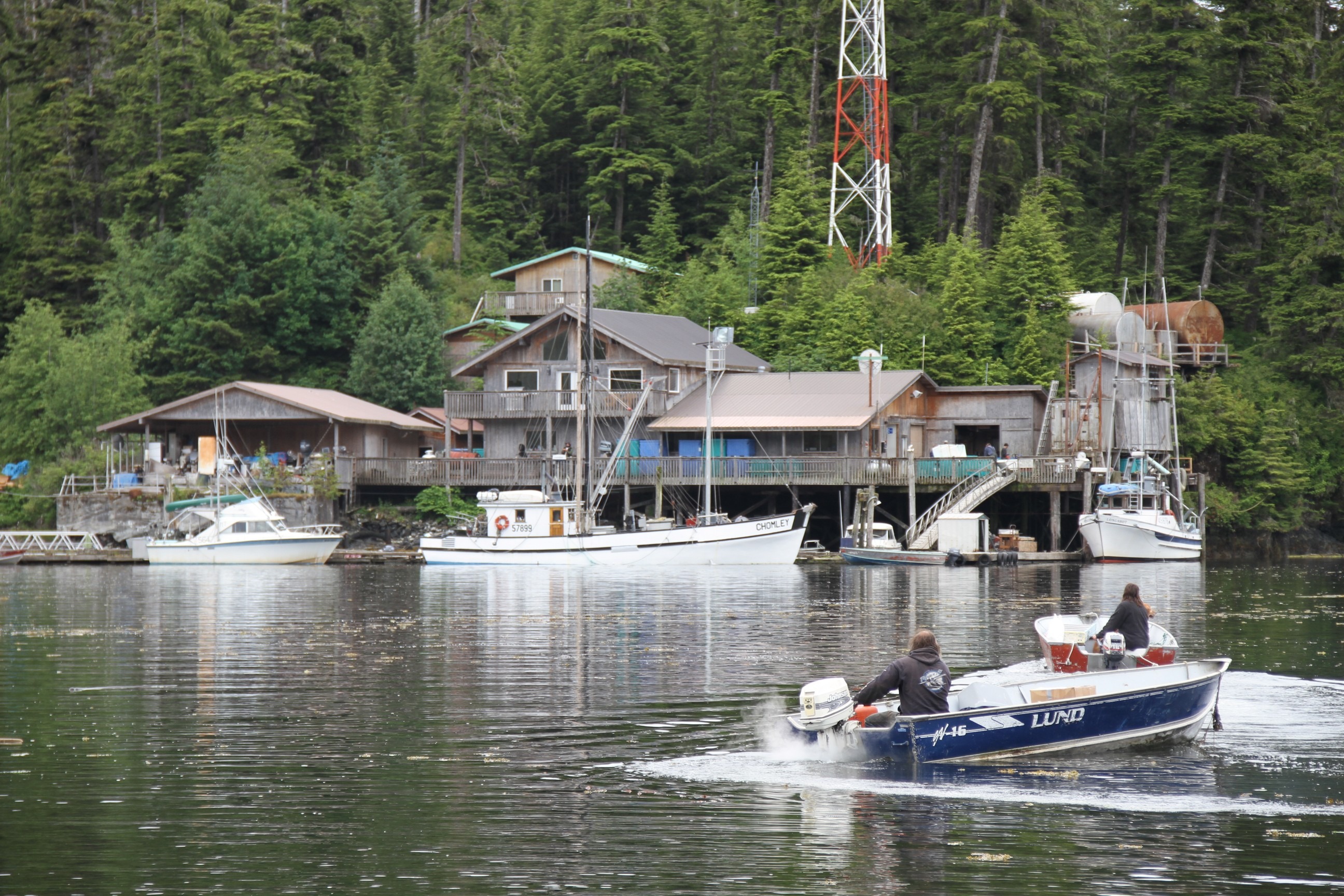
Port Protection, Alaska, has captured the imagination of millions through reality television, showcasing a rugged community of hardscrabble survivalists living on Prince of Wales Island. Among the colorful and self-reliant cast members...
Port Protection, Alaska, has captured the imagination of millions through reality television, showcasing a rugged community of hardscrabble survivalists living on Prince of Wales Island. Among the colorful and self-reliant cast members, Curly Leach stands out as a quintessential frontiersman whose craftsmanship, resilience, and unique perspective on wilderness living have made him a fan favorite. As viewers follow the remote community through 2026, curiosity remains high regarding his life before the Last Frontier, specifically addressing the core query: where is Curly from Port Protection originally?
Contents
Unpacking Curly Leach's Early Life and Hometown Roots
While the television series focuses heavily on daily survival tasks—such as building cabins, hunting for food, and generating power in the unforgiving Alaskan wilderness—it offers only brief glimpses into the cast members' past lives. Curly Leach, known for his easygoing demeanor, practical ingenuity, and seasoned survival skills, did not grow up in Alaska.
Before making his way to the remote southeastern pocket of Prince of Wales Island, Curly spent his formative years in the Lower 48. Specifically, his roots trace back to the state of Idaho. Growing up in the Pacific Northwest and the rugged interior of Idaho instilled in him an early appreciation for the outdoors, hard labor, and self-sufficiency. This upbringing laid the groundwork for the mechanical aptitude and survival mindset required to thrive in a community with zero road access, where the only way in or out is by boat or floatplane.
The Journey from Idaho to the Alaskan Wilderness
Transitioning from a traditional American upbringing to the isolated coastal community of Port Protection requires a distinct psychological and physical shift. For Curly, the move to Alaska was driven by a desire for absolute independence and an escape from the frantic pace of modern urban and suburban life.
Prince of Wales Island offers a harsh maritime climate characterized by relentless rainfall, dense temperate rainforests, and freezing temperatures. However, it also provides something increasingly rare in the modern world: absolute freedom from bureaucratic oversight, municipal utility bills, and societal pressures. In Port Protection, residents must rely on their own ingenuity to secure fresh water, heat their homes with woodstoves, and forage or harvest their food from the surrounding ocean and forests.
The Alaskan Frontier Reality Living in Port Protection demands a comprehensive toolkit of practical skills. Curly’s background in Idaho provided him with fundamental carpentry, mechanical repair, and outdoor survival techniques that he later refined to handle the unique challenges of coastal Alaskan living.
Key Aspects of Curly’s Life and Role in Port Protection
Within the micro-community of Port Protection, every resident plays a vital role. With a population that fluctuates between a few dozen hardy souls, cooperation and mutual respect are essential for survival. Curly has established himself as a reliable neighbor who is always willing to lend a hand with heavy lifting, marine repairs, or building projects.
To understand Curly's place within the community and how his background influences his lifestyle, it helps to examine the core elements of his daily existence in comparison to traditional modern living.
| Feature / Metric | Traditional Urban/Suburban Life | Curly Leach’s Life in Port Protection |
|---|---|---|
| Primary Residence Location | Major metropolitan areas or suburbs across the US | Port Protection, Prince of Wales Island, Alaska |
| Hometown Origins | Typically born and raised in standard municipalities | Originally hails from the state of Idaho |
| Utility Infrastructure | Centralized municipal power, water, and sewage | Off-grid solar, generators, wood heat, and rainwater catchment |
| Transportation Access | Paved highways, public transit, personal automobiles | Skiffs, commercial ferry systems, and floatplanes |
| Food Procurement | Grocery stores, supermarkets, and restaurants | Subsistence fishing, foraging, hunting, and limited freight delivery |
| Medical Emergency Access | Local hospitals, 911 dispatch, rapid ambulance response | Medevac floatplane or boat transit to larger regional medical hubs |
The Survival Philosophy and Skills of an Idaho Native in Alaska
The transition from Idaho to coastal Alaska is not merely a change of address; it represents a complete philosophical realignment. Idaho features vast mountainous terrain, dense forests, and continental weather patterns. In contrast, Port Protection is defined by saltwater isolation, tidal extremes, and dense maritime weather systems.
Curly’s ability to adapt underscores the value of transferable wilderness skills. Woodsmanship learned in the inland forests translates directly to felling timber for cabin construction and firewood processing in Southeast Alaska. Furthermore, mechanical self-reliance is non-negotiable. When a chainsaw carburetor fails, an outboard motor seizes, or a generator stops running in Port Protection, there is no hardware store down the street. Fixing things independently using improvised parts and raw ingenuity is a daily requirement.
Essential Survival Disciplines Practiced by Curly
- Marine Navigation and Seamanship: Navigating the turbulent waters of Sumner Strait requires acute awareness of tides, weather patterns, and underwater hazards.
- Timber Harvesting and Carpentry: Constructing and maintaining weather-tight structures against relentless rain and wind demands expert woodworking skills.
- Subsistence Resource Management: Harvesting salmon, halibut, deer, and local flora ensures nutritional independence throughout the harsh winter months.
- Off-Grid Power Generation: Maintaining electrical systems without municipal grids relies on a mix of diesel generators, small-scale solar arrays, and meticulous battery maintenance.
Pros and Cons of the Port Protection Lifestyle
For viewers fascinated by Curly's journey from Idaho to Alaska, the lifestyle often appears idyllic and deeply romantic. However, documentary television highlights only a fraction of the daily hardships. Evaluating this existence requires weighing the profound benefits against the severe physical and psychological drawbacks.
Advantages of Remote Off-Grid Living
- Unmatched Freedom: Complete autonomy over daily routines, property management, and lifestyle choices without zoning restrictions.
- Proximity to Nature: Daily immersion in pristine wilderness, surrounded by abundant wildlife, majestic mountains, and untouched coastlines.
- Strong Community Bonds: Deep reliance on trusted neighbors fosters a tight-knit, fiercely loyal social fabric where everyone looks out for one another.
Disadvantages and Severe Risks
- Extreme Isolation: Limited social circles, lack of instant emergency services, and extreme weather can lead to profound loneliness and psychological strain.
- Physical Demands: Hard physical labor required for basic survival increases the risk of injury, which is particularly dangerous given the distance to modern medical facilities.
- Financial Vulnerability: Dependence on seasonal work, fluctuating fish populations, and high costs for imported goods and fuel create persistent economic uncertainty.
Frequently Asked Questions About Curly and Port Protection
Where is Curly from Port Protection originally?
Curly is originally from the state of Idaho, where he spent his early years before relocating to the remote wilderness of Southeast Alaska. His Idaho upbringing provided him with the foundational outdoor and mechanical skills essential for his survival lifestyle today.
Is Port Protection a real town with permanent residents?
Yes, Port Protection is a genuine unincorporated census-designated place on Prince of Wales Island, Alaska, inhabited by a small group of year-round residents. The community relies entirely on self-reliance, marine transport, and a deep sense of mutual aid.
How do residents of Port Protection make a living?
Residents typically sustain themselves through a combination of commercial fishing, seasonal trapping, subsistence harvesting, and modest stipends from media appearances. Many also master diverse trade skills like carpentry, mechanics, and boat repair to trade services within the community.
Can tourists visit Port Protection, Alaska?
Travelers can visit Port Protection, but it requires careful planning and coordination. There are no hotels, restaurants, or paved roads, so visitors generally arrive via scheduled or chartered floatplane from Ketchikan or Wrangell and must arrange private lodging and supplies in advance.
What are the biggest challenges faced by residents like Curly?
The primary challenges include unpredictable and severe weather, extreme physical isolation, difficult access to healthcare, and the constant physical labor required to maintain shelter, heat, and food sources.
Conclusion and Final Perspective on Frontier Life
The enduring fascination with Curly and his fellow cast members stems from a collective human admiration for self-reliance and resilience. Moving from the inland expanse of Idaho to the maritime isolation of Prince of Wales Island demonstrates a rare commitment to personal freedom. As life in Port Protection continues to evolve through 2026, figures like Curly remain powerful symbols of a vanishing American archetype: the independent frontiersman who chooses to live entirely on his own terms.
Image Gallery