Modern Check-in Software for Hospitality: Trends and Implementation in 2026
Check-in software for hospitality streamlines guest arrivals by automating registration, identity verification, and room key delivery. In 2026, these systems utilize mobile apps, kiosks, and web-based portals to reduce front-desk conge...
Check-in software for hospitality streamlines guest arrivals by automating registration, identity verification, and room key delivery. In 2026, these systems utilize mobile apps, kiosks, and web-based portals to reduce front-desk congestion, enhance data security, and provide guests with a seamless, contactless entry experience into their accommodations.
Contents
The Evolution of Guest Arrival: Why Digital Check-in is Mandatory
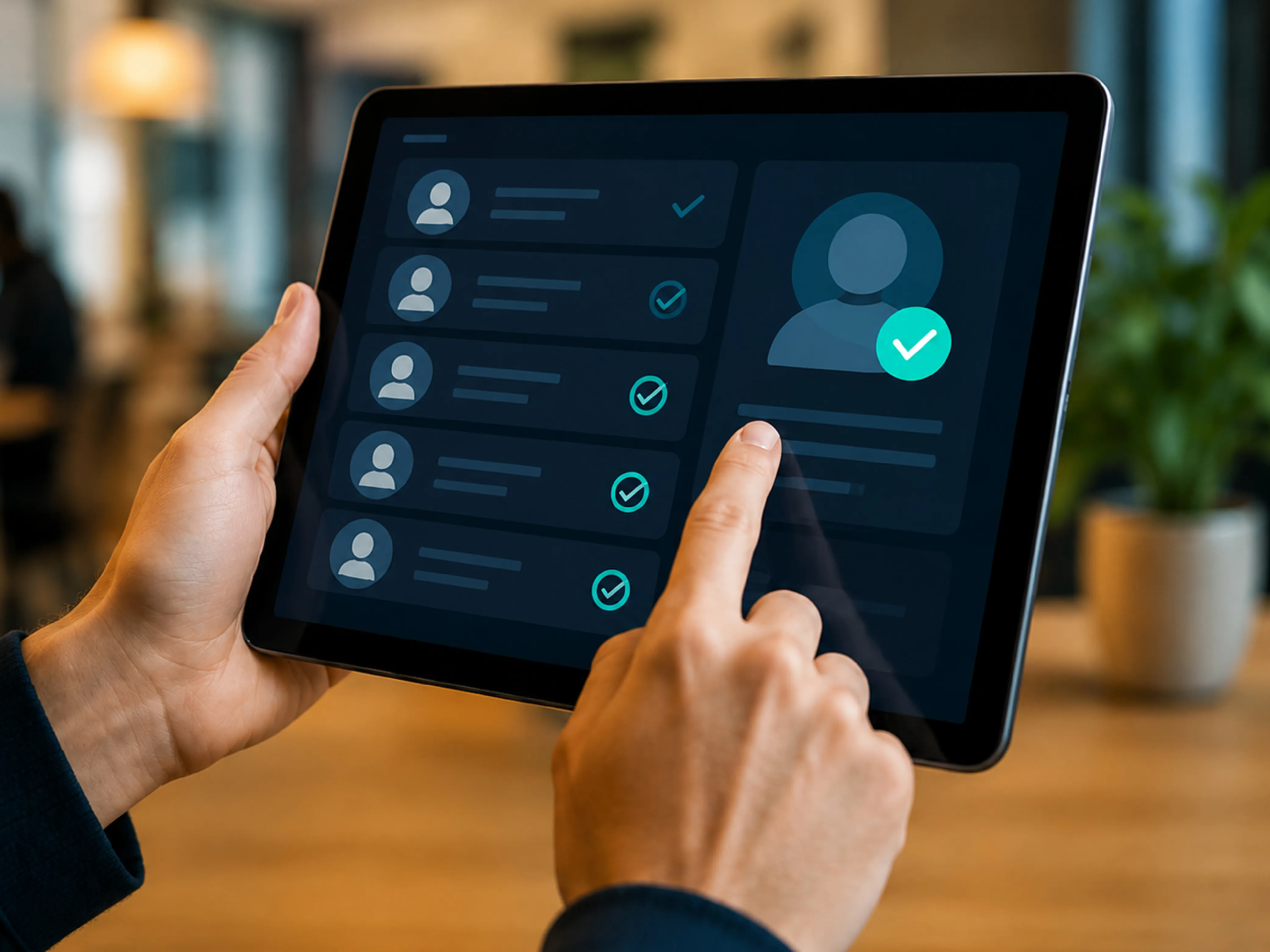
The hospitality industry has moved definitively away from the traditional, paper-heavy reception desk. As of 2026, guest expectations center on autonomy and speed. Travelers no longer view digital check-in as a luxury feature but as a standard utility, similar to high-speed Wi-Fi. The shift is driven by two primary factors: operational efficiency and the guest’s desire for a friction-free experience.
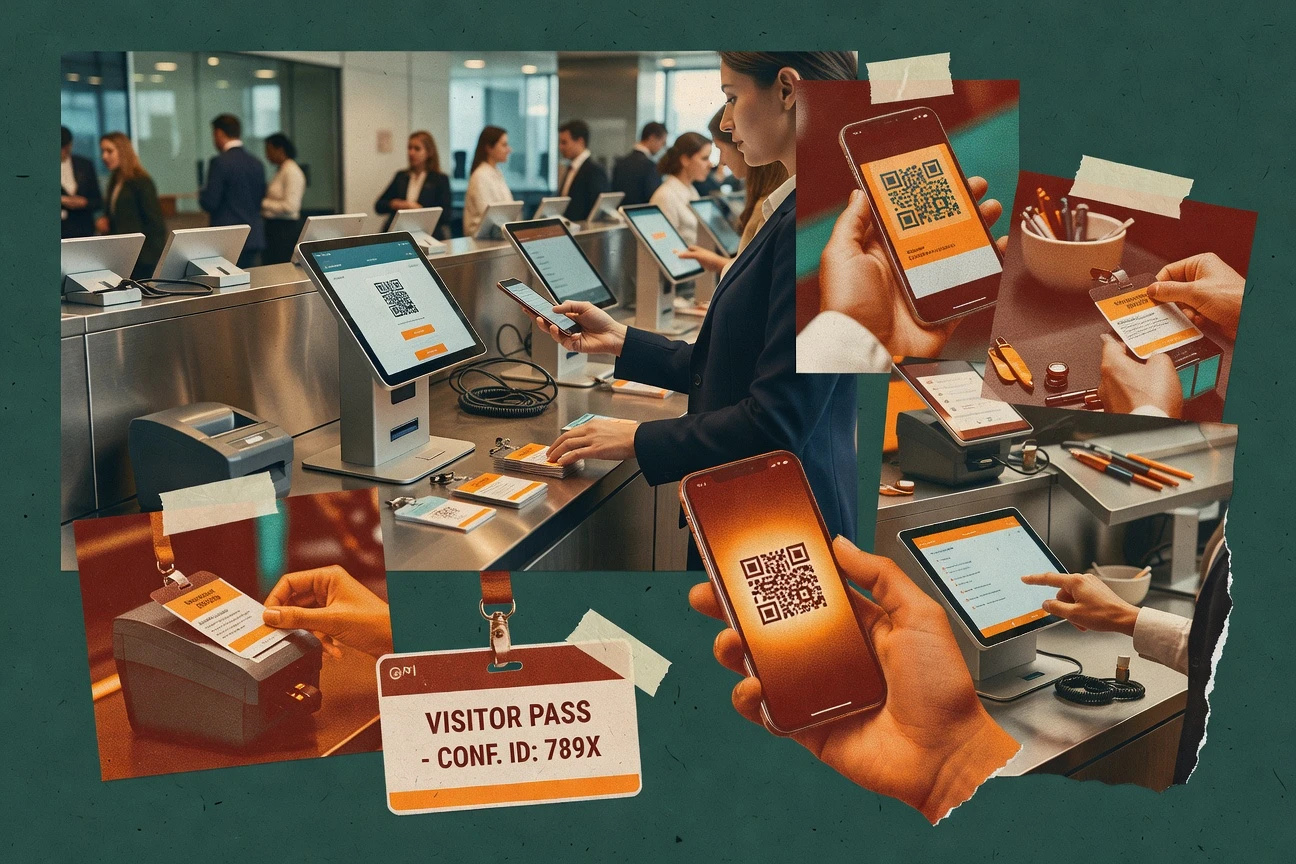
From an operational standpoint, manual check-in processes are prone to human error, such as mistyped guest names or incorrect credit card entries. Furthermore, the physical bottleneck created by a line of guests arriving at 3:00 PM creates a negative first impression. Check-in software mitigates these issues by distributing the arrival process across the guest's own device or self-service kiosks. This allows hotel staff to pivot from administrative data entry to high-value concierge services, improving overall service scores.
Core Functionalities of Modern Check-in Systems
To effectively manage a property in 2026, check-in software must do more than just record a guest’s arrival. It serves as a sophisticated middleware that connects the guest, the property management system (PMS), and the physical security infrastructure.
Contactless Check-in and Mobile Keys
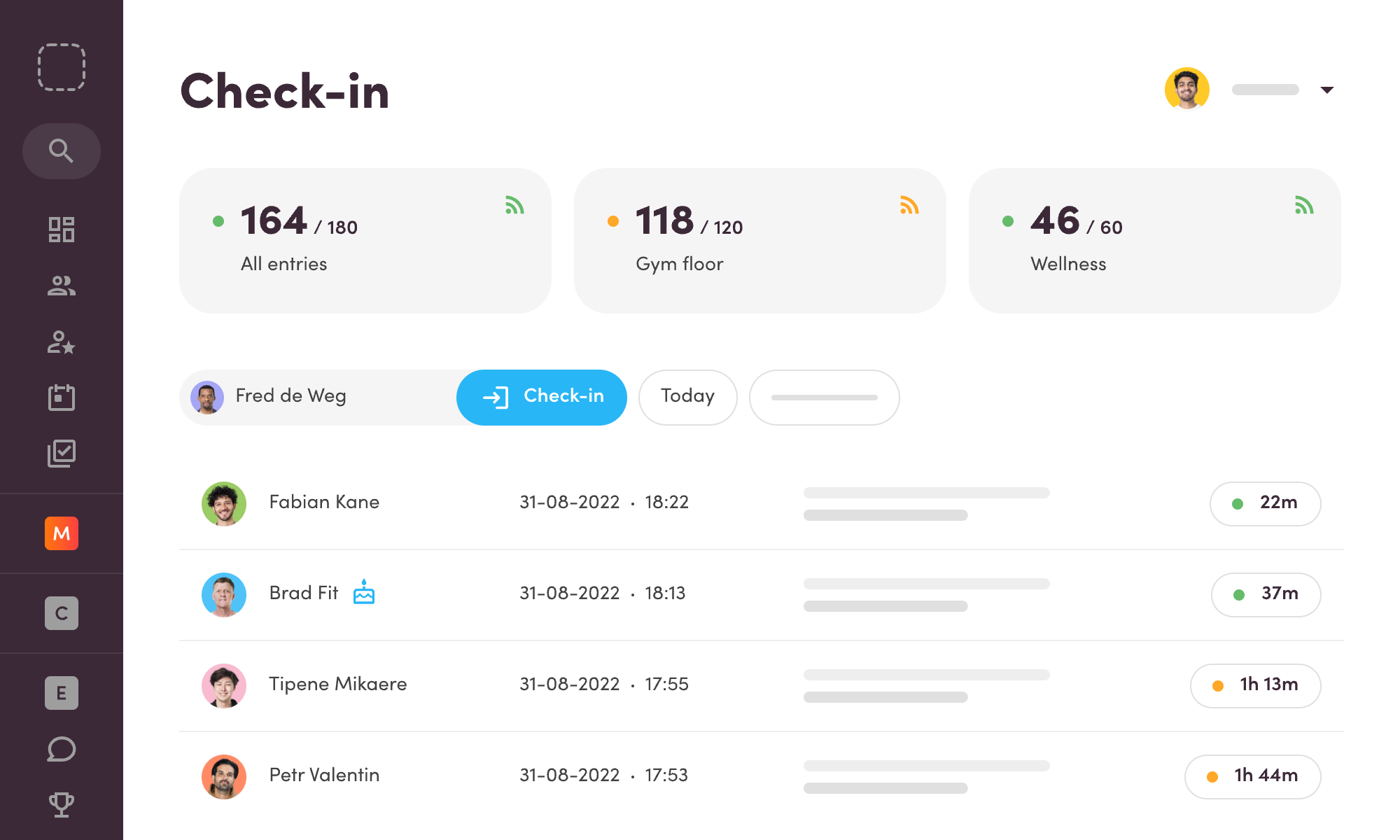
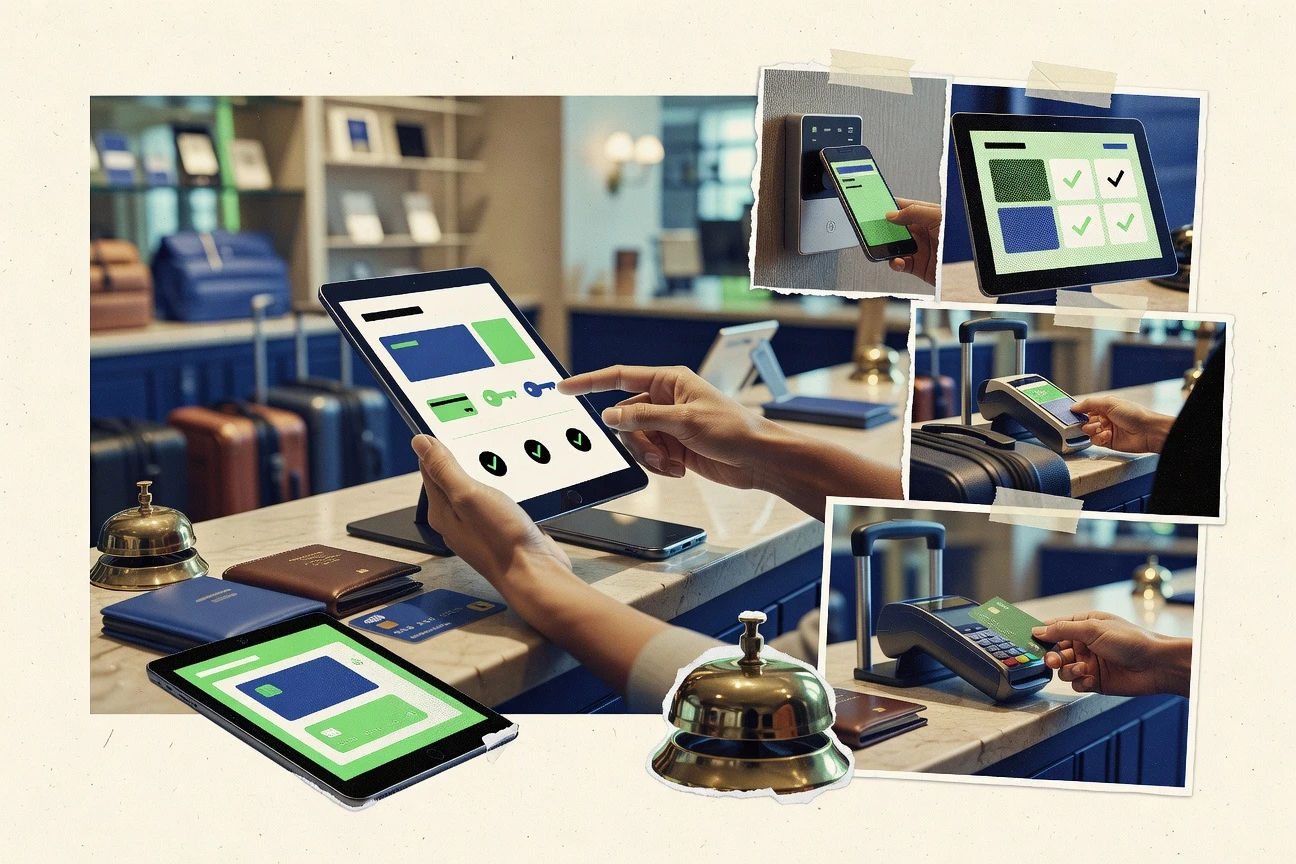
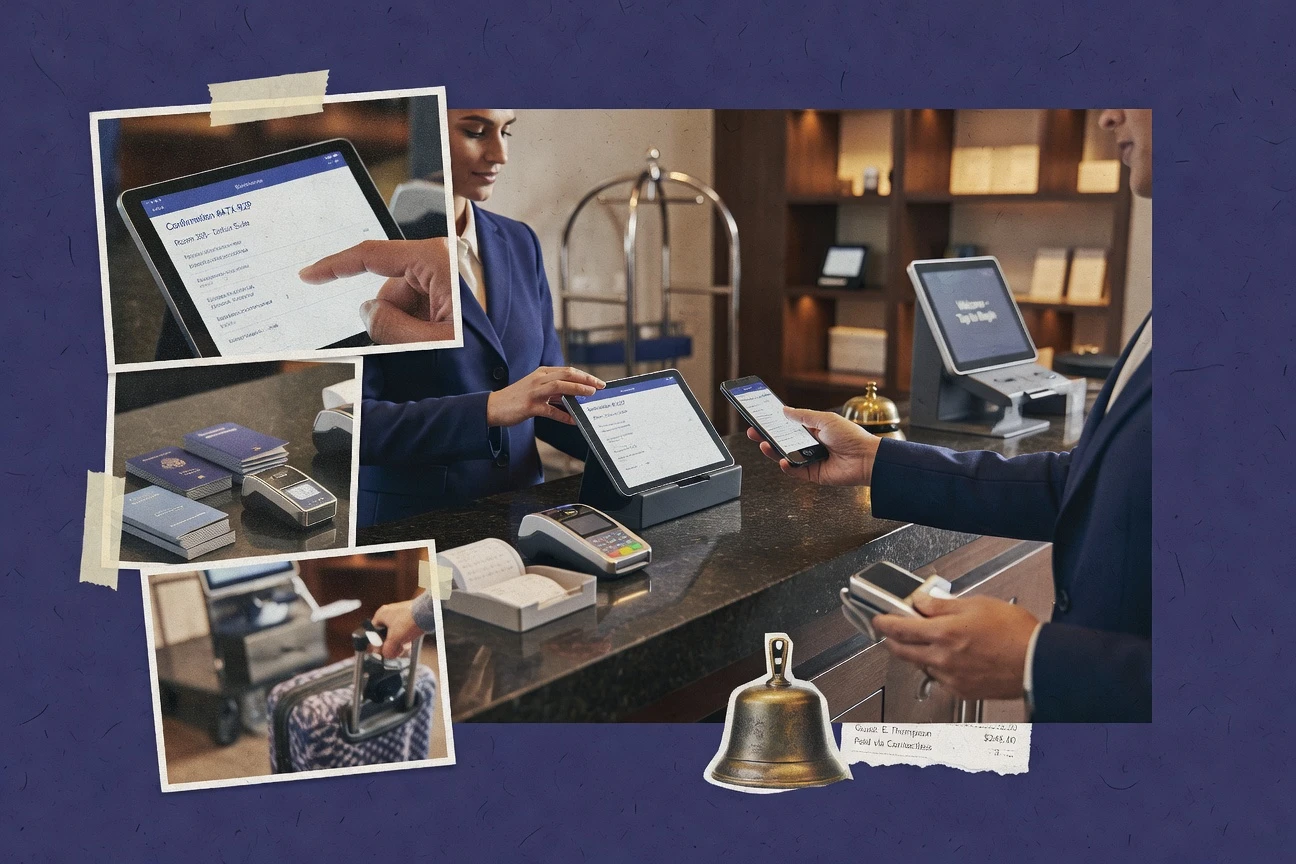
The most critical feature of modern software is the ability to bypass the front desk entirely. This is achieved through mobile keys (Digital Keys). Using Near Field Communication (NFC) or Bluetooth Low Energy (BLE) technology, the software sends a secure digital token to the guest's smartphone. Once the guest has completed the digital check-in process—including ID verification—their phone becomes their room key. Leading providers like Oracle Hospitality have integrated these features directly into their cloud ecosystems to ensure real-time synchronization between the lock and the guest profile.
Automated Identity Verification
Security and compliance are paramount. Modern check-in software utilizes Optical Character Recognition (OCR) and facial recognition to verify identity. A guest simply takes a photo of their government-issued ID and a "selfie." The software compares the two, checks the ID's authenticity against global databases, and ensures the person checking in matches the reservation. This process significantly reduces the risk of credit card fraud and "chargebacks," which have historically plagued the hospitality sector.
Integrated Revenue Management and Upselling
Check-in software has become a powerful revenue engine. During the digital check-in flow, the system can analyze room availability and offer targeted upgrades, early check-in fees, or amenities like breakfast and spa packages. Because these offers are presented in a low-pressure digital environment, conversion rates are typically higher than those achieved through face-to-face verbal offers at the desk. Canary Technologies has demonstrated that automated upselling during check-in can increase ancillary revenue by up to 10% for many properties.
Technical Infrastructure and Prerequisites
Implementing a robust check-in solution requires more than just installing an app. The underlying infrastructure must support high-speed data exchange and secure protocols.
- Property Management System (PMS) Integration: The check-in software must have a deep, bi-directional integration with the PMS. This ensures that when a guest checks in via their phone, the room status is immediately updated to "occupied" in the hotel's central system.
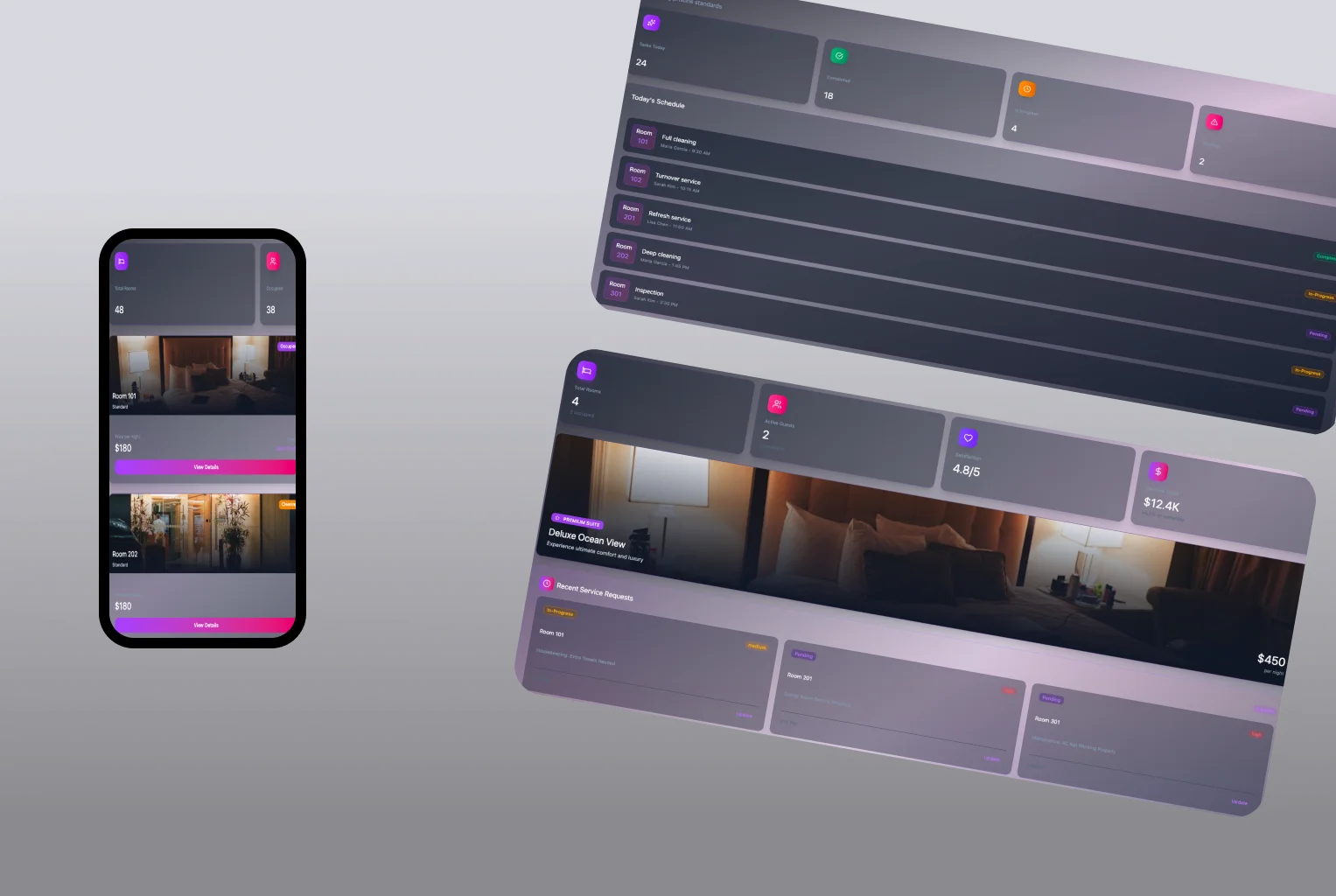
- Hardware Requirements: For properties opting for a hybrid model, self-service kiosks are necessary. These units require stable power, hardwired internet connections, and integrated credit card readers (EMV compliant).
- Network Security: Because these systems handle sensitive Personally Identifiable Information (PII) and payment data, they must adhere to PCI DSS (Payment Card Industry Data Security Standard) and regional data laws such as GDPR.
- Smart Lock Compatibility: The existing door hardware must support mobile key technology. Many older properties must undergo a "lock retrofitting" process to install BLE-enabled modules before the software can be fully utilized.
Comparative Analysis of Leading Solutions
Selecting the right software depends on the scale of the property and the desired guest experience. The following table compares prominent solutions available in 2026.
| Software Provider | Primary Target Market | Key Feature | Integration Capability |
|---|---|---|---|
| Mews | Independent & Boutique Hotels | Hyper-automated guest journey | High (Open API) |
| Cloudbeds | Hostels & Small Hotels | All-in-one platform | Full Ecosystem |
| Opera (Oracle) | Enterprise & Global Chains | Global scalability & Security | Deep/Legacy Support |
| Stayntouch | Modern Full-Service Hotels | Tablet-based mobility | High |
| Duve | Vacation Rentals & Resorts | Personalized guest communication | Medium/High |
Cost Structures and ROI for 2026
The pricing models for hospitality check-in software have stabilized into two primary categories. The most common is the Software-as-a-Service (SaaS) model, where the property pays a monthly fee based on the number of rooms. In 2026, this typically ranges from $3 to $10 per room per month, depending on the complexity of the feature set (e.g., whether mobile keys and ID verification are included).
The second model is transactional, where a lower base fee is charged, but the provider takes a small commission on upselling revenue generated through the platform.
The Return on Investment (ROI) is realized through three main channels:
- Labor Savings: Reducing the need for night auditors or multiple front-desk agents during peak hours.
- Ancillary Revenue: Profit from automated room upgrades and late check-out fees.
- Reduced Fraud: Lowering the costs associated with identity theft and fraudulent bookings.
Overcoming Operational Challenges and Security Risks
While the benefits are clear, implementation is not without hurdles. One significant challenge is digital fatigue. A small segment of guests still prefers human interaction. Therefore, the most successful implementations in 2026 utilize a "high-tech, high-touch" approach, where digital check-in is the default, but staff are available in the lobby to assist with complex requests or provide a warm welcome.
Security risks are also a major concern. As check-in systems become more interconnected, they become targets for cyberattacks. Robust encryption, two-factor authentication for staff access, and regular security audits are essential. Furthermore, the storage of biometric data (facial scans) is strictly regulated in many jurisdictions. Properties must ensure their software providers use "template-only" storage, where the actual image is deleted, and only a mathematical representation of the face is kept for the duration of the stay.
Future Trends: AI and Beyond
Looking deeper into 2026, Artificial Intelligence (AI) is moving beyond simple chatbots. Modern check-in software now uses predictive analytics to anticipate guest needs. For example, if a guest's flight is delayed, the system can automatically adjust the check-in time and notify the guest that their room will be ready upon their late arrival, possibly even offering a pre-ordered late-night meal.
Furthermore, the "Identity as a Service" (IDaaS) model is gaining traction. In this scenario, a guest’s verified digital identity is stored securely in a decentralized wallet, allowing them to check into any participating hotel globally with a single click, without having to re-scan their ID every time.
FAQ
Does check-in software replace front-desk staff?
It does not necessarily replace staff but reallocates their responsibilities. By automating the data-entry portion of the check-in process, staff are freed to act as "Guest Experience Managers," focusing on personalized service and troubleshooting rather than administrative tasks.
What happens if a guest's phone battery dies?
All properties using mobile keys maintain a backup system. Guests can still receive a traditional physical key card from a self-service kiosk or the front desk after a quick identity verification.
Is digital check-in secure for payment processing?
Yes, modern systems use tokenization. This means the software never stores the actual credit card number. Instead, it uses a secure "token" that allows the hotel to charge the guest's card via a secure gateway without exposing sensitive data to potential hackers.
Can check-in software handle group bookings?
Yes, current versions of software like Mews have specific modules for group coordinators. This allows a group leader to upload a rooming list, and individual guests can then complete their own digital check-ins, significantly speeding up the arrival of tour groups or corporate events.
How long does it take to implement this software?
A basic cloud-based implementation can take 2 to 4 weeks. However, if the property requires hardware upgrades (such as new door locks or kiosks), the timeline can extend to 3 or 6 months depending on the supply chain and installation schedules.
Practical Recommendation
For property owners looking to modernize, the first step is to audit your existing Property Management System (PMS). Your choice of check-in software will be largely dictated by how well it integrates with your current database. If your PMS is outdated, consider a holistic upgrade to a cloud-native platform that offers built-in mobile check-in features. Prioritize solutions that offer robust ID verification and mobile key support, as these provide the highest impact on both security and guest satisfaction.
Image Gallery