Barretts Esophagus Life Insurance Coverage: Underwriting, Costs, and Eligibility in 2026
Obtaining life insurance with Barrett’s Esophagus is entirely possible in 2026, though your eligibility and premiums depend heavily on your most recent biopsy results. Applicants with no dysplasia often qualify for Standard rates, whil...
Obtaining life insurance with Barrett’s Esophagus is entirely possible in 2026, though your eligibility and premiums depend heavily on your most recent biopsy results. Applicants with no dysplasia often qualify for Standard rates, while those with low-grade dysplasia may face "Table Ratings" or higher premiums. High-grade dysplasia typically requires a deferral or specialized high-risk coverage.
Contents
Understanding Barrett’s Esophagus in the Context of Life Insurance
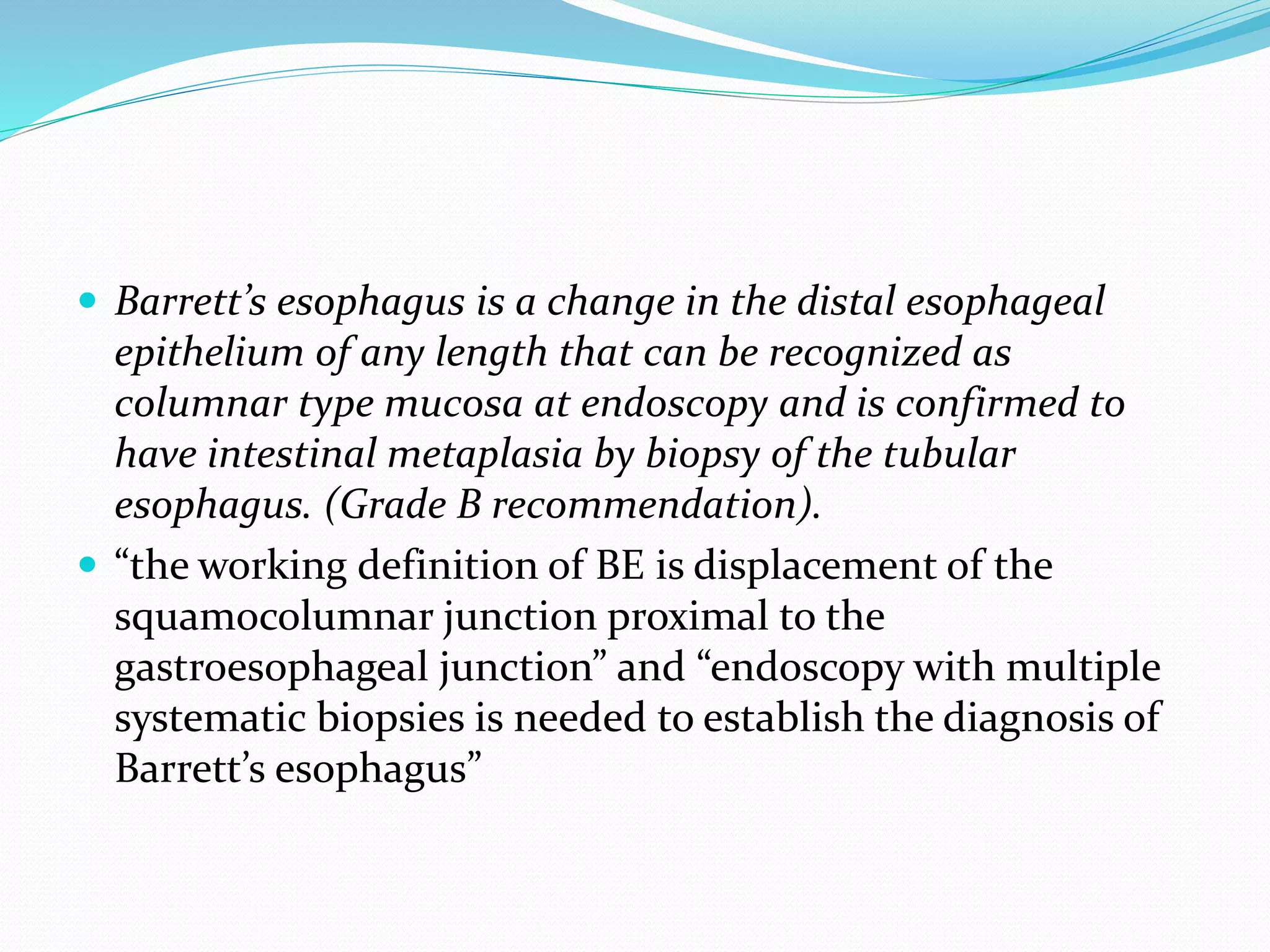
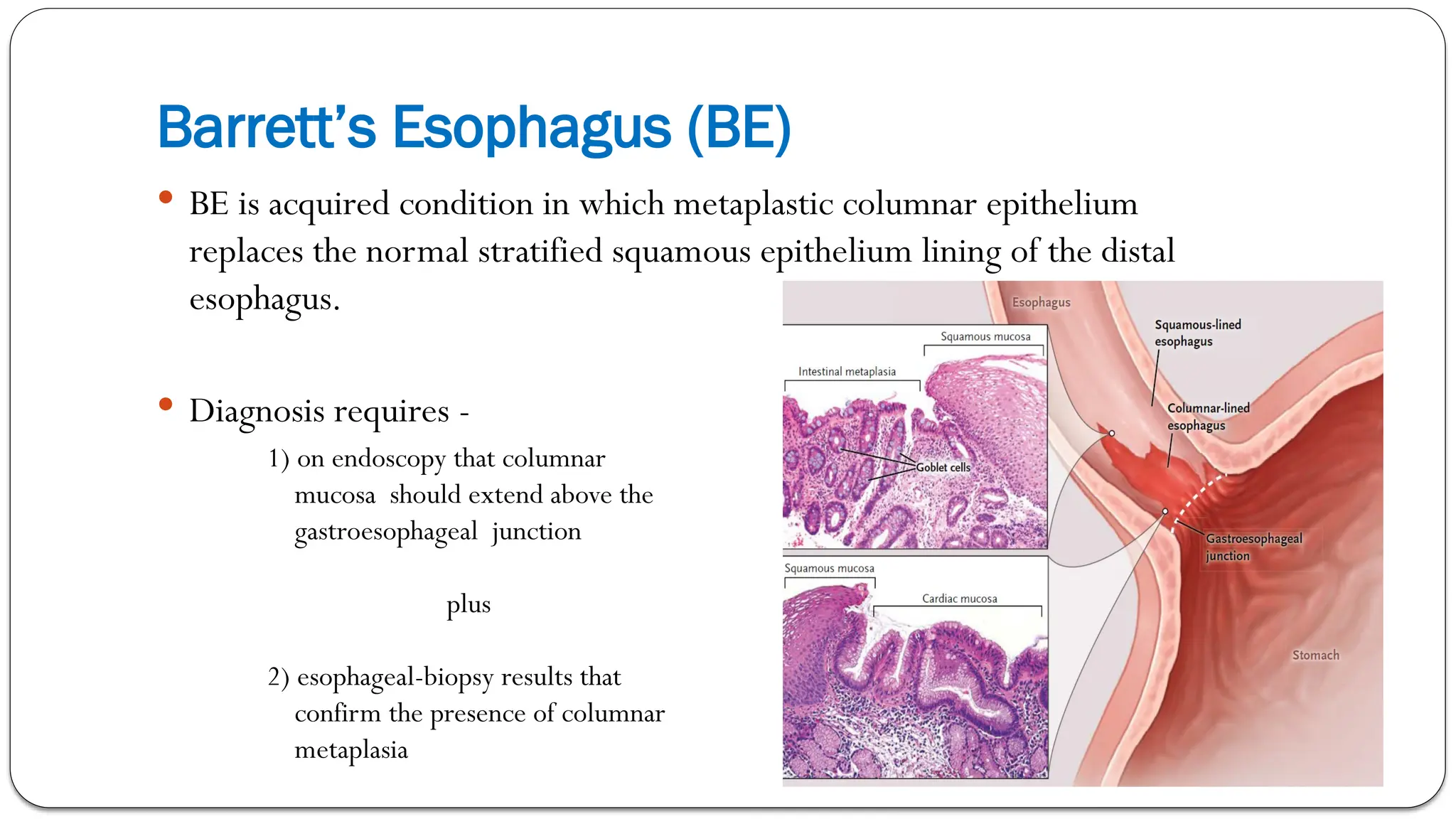
Barrett’s Esophagus is a condition where the normal squamous epithelium of the esophagus is replaced by specialized columnar epithelium (metaplasia). For life insurance underwriters, this condition is viewed primarily through the lens of cancer risk. Because Barrett’s is a precursor to esophageal adenocarcinoma, insurance companies focus on the degree of cellular change and the consistency of medical surveillance.
In 2026, medical underwriting has become increasingly sophisticated, moving away from broad "pre-existing condition" denials toward a more nuanced risk assessment. Underwriters look for stability. A person who has lived with Barrett’s for five years and follows a strict endoscopic surveillance schedule is often viewed more favorably than someone recently diagnosed who has not yet established a history of stable biopsies.
The condition is most commonly caused by chronic gastroesophageal reflux disease (GERD). Therefore, underwriters also evaluate how well your GERD is managed. Are you taking proton pump inhibitors (PPIs)? Have you had a Nissen fundoplication or other surgical interventions? Effective management of the underlying reflux suggests a lower risk of the Barrett’s tissue progressing to more dangerous stages.
How Underwriters Evaluate Your Biopsy Results
The single most important document in your life insurance application is your most recent pathology report from an esophagogastroduodenoscopy (EGD). Underwriters categorize Barrett’s into three primary stages, each carrying a different level of risk and premium impact.
Metaplasia without Dysplasia
This is the most common and most favorable diagnosis. It means that while the cells have changed (metaplasia), they do not yet show signs of abnormal growth (dysplasia). If you have no dysplasia and your Barrett's is well-monitored, you are often eligible for Standard or even Standard Plus rates with some carriers. Underwriters look for at least one follow-up endoscopy that confirms the condition is stable before offering these top-tier rates.
Low-Grade Dysplasia (LGD)
Low-grade dysplasia indicates that the cells are beginning to show more significant abnormalities. In 2026, many insurance carriers treat LGD as a manageable risk but will apply a "Table Rating." A Table Rating is a percentage-based increase in your premium (usually 25% per table level). For LGD, you can expect a Table 2 to Table 4 rating. Carriers will also want to see that the diagnosis has been confirmed by two separate pathologists, as LGD can sometimes be over-diagnosed due to inflammation.
High-Grade Dysplasia (HGD)
High-grade dysplasia is considered a late-stage precancerous condition. Most traditional term and whole life insurance carriers will decline an application if HGD is currently present. However, if you have undergone successful treatment—such as Radiofrequency Ablation (RFA) or Endoscopic Mucosal Resection (EMR)—and subsequent biopsies show no evidence of dysplasia or metaplasia, you may become eligible for coverage after a waiting period (typically 1 to 3 years).
Impact of Segment Length and the Prague Criteria
Beyond the presence of dysplasia, underwriters in 2026 frequently utilize the Prague C & M Criteria to assess the extent of the Barrett’s tissue. The "C" represents the circumferential extent, and the "M" represents the maximum length of the segment.
- Short-Segment Barrett’s: Generally defined as less than 3 cm. This is viewed as lower risk because the surface area of potential malignant transformation is smaller.
- Long-Segment Barrett’s: Defined as 3 cm or longer. This carries a slightly higher risk profile. While it may not trigger a decline on its own, it can be the deciding factor between a "Standard" rating and a "Table 2" rating when combined with other minor health issues.
Underwriters prefer to see the Prague scores in the doctor's notes because it provides a standardized metric for tracking the disease over time. If a segment is shrinking or remaining stable over several years, it reinforces the "low-risk" profile of the applicant.
Life Insurance Rating Classes for Barrett's Esophagus
The following table outlines the likely underwriting outcomes for an applicant with Barrett's Esophagus in 2026, assuming no other major health complications (like heart disease or diabetes).
| Biopsy Result | Typical Rating Class | Estimated Premium Impact | Surveillance Requirement |
|---|---|---|---|
| No Dysplasia (Metaplasia) | Standard to Standard Plus | 0% to +10% | Every 3–5 years |
| Low-Grade Dysplasia | Table 2 to Table 4 | +50% to +100% | Every 6–12 months |
| High-Grade Dysplasia | Decline / Defer | N/A | Every 3 months or Treatment |
| Post-Ablation (Clear) | Standard (after 2 years) | 0% to +25% | Annual follow-up |
| Untreated / No Follow-up | Decline | N/A | Required for consideration |
Factors That Can Complicate Your Application
While the biopsy is the primary driver, other lifestyle and medical factors can shift your rating class. In the eyes of an underwriter, Barrett's Esophagus does not exist in a vacuum.
Tobacco and Alcohol Use
Smoking is a massive red flag for anyone with Barrett’s. Since smoking is a primary risk factor for esophageal cancer, combining it with Barrett’s can lead to an automatic decline or very high table ratings, even if no dysplasia is present. Similarly, heavy alcohol consumption is scrutinized, as it irritates the esophageal lining and can exacerbate reflux.
Obesity and BMI
Obesity is a leading cause of GERD and, by extension, the progression of Barrett's. Underwriters look at your Body Mass Index (BMI). If you are in the "Obese" category (BMI over 30), the combination of weight and Barrett’s might push a "Standard" offer into a "Substandard" (Table) category. Conversely, significant weight loss through diet or bariatric surgery is viewed very positively in 2026 underwriting.
Age at Diagnosis
Generally, insurance companies are more concerned with Barrett’s diagnosed at a younger age (e.g., under 40). A longer "runway" for the disease to progress into cancer over several decades represents a higher cumulative risk. If you were diagnosed later in life and have remained stable, you are often seen as a lower risk.
Types of Life Insurance Policies Available
Depending on the severity of your condition, you have several options for coverage.
- Term Life Insurance: This is the most common choice. If your Barrett's is stable (no dysplasia), you can secure 10, 20, or 30-year terms at affordable rates. It provides the highest death benefit for the lowest cost.
- Whole Life or Universal Life: These permanent policies are available for those with metaplasia or low-grade dysplasia. They are more expensive but provide lifelong coverage and a cash value component.
- Guaranteed Issue Life Insurance: If you have high-grade dysplasia and cannot qualify for traditional coverage, guaranteed issue policies do not require a medical exam or health questions. However, the death benefits are lower (usually capped at $25,000) and they have a "graded" period (usually 2 years) before the full benefit is payable.
- Clinical Underwriting Carriers: Some carriers specialize in "clinical underwriting," meaning they look at the whole person rather than just a diagnosis. These carriers are often more lenient with Barrett's cases and are the preferred choice for high-risk applicants.
Step-by-Step Guide to Applying for Coverage
To ensure the best possible rate, you should approach the application process strategically.
- Step 1: Gather Your Medical Records. Do not wait for the insurance company to request them. Get copies of your last two EGD reports and pathology results. Knowing exactly what the biopsy said (e.g., "negative for dysplasia") allows you to get accurate preliminary quotes.
- Step 2: Maintain a Consistent Follow-up Schedule. Underwriters hate uncertainty. If your doctor recommended an endoscopy every three years and you haven't had one in five, you will likely be declined until the procedure is completed.
- Step 3: Work with an Independent Agent. Unlike "captive" agents who work for one company, independent agents can shop your case across 30+ carriers. They can "anonymously" poll underwriters to see which company will offer the best rate for your specific pathology.
- Step 4: Write a Cover Letter. A brief "letter of explanation" can help. Detail your commitment to treatment, your adherence to medication (like Omeprazole), and any lifestyle changes you’ve made (e.g., quitting smoking or losing weight).
FAQs About Barrett's Esophagus and Life Insurance
Can I get life insurance if I just found out I have Barrett's?
Most carriers will require a "wait and see" period of 6 to 12 months following an initial diagnosis. This allows time for a follow-up endoscopy to confirm the diagnosis and ensure that the initial biopsy was accurate regarding the presence or absence of dysplasia.
Will my premiums go down if I have a successful ablation?
Yes, potentially. If you undergo Radiofrequency Ablation (RFA) and subsequent biopsies show that the Barrett's tissue has been replaced by normal healthy tissue, you can apply for a "rate reduction" or a new policy after a period of stability (usually 1–2 years). Many carriers view a "cured" Barrett's patient as a significantly lower risk.
Does "Short-Segment" Barrett's make a difference in cost?
Yes. Short-segment Barrett's (usually under 3 cm) is statistically less likely to progress to cancer than long-segment Barrett's. Underwriters recognize this data and are more likely to offer "Standard" or "Preferred" rates for short-segment metaplasia, whereas long-segment metaplasia often tops out at "Standard."
Is GERD treated differently than Barrett's Esophagus?
GERD without Barrett's is generally considered a non-issue for life insurance and usually qualifies for "Preferred" or "Preferred Best" rates. Once the tissue changes to Barrett's, the risk level moves up because of the potential for malignancy.
What if my biopsy shows "Indefinite for Dysplasia"?
"Indefinite for dysplasia" means the pathologist saw changes but couldn't determine if they were due to true dysplasia or just heavy inflammation from acid reflux. In this case, underwriters will usually treat it as "Low-Grade Dysplasia" until a follow-up biopsy (usually 6 months later) provides a clearer picture.
Next Steps for Applicants
If you are living with Barrett’s Esophagus and need life insurance in 2026, your first action should be to verify the date and results of your last endoscopy. If it has been more than three years, schedule a follow-up with your gastroenterologist before applying. A current, clean biopsy is your strongest asset in the underwriting process. Once you have your results, consult with a high-risk life insurance specialist who can identify the carriers currently offering the most favorable terms for esophageal metaplasia.
Image Gallery