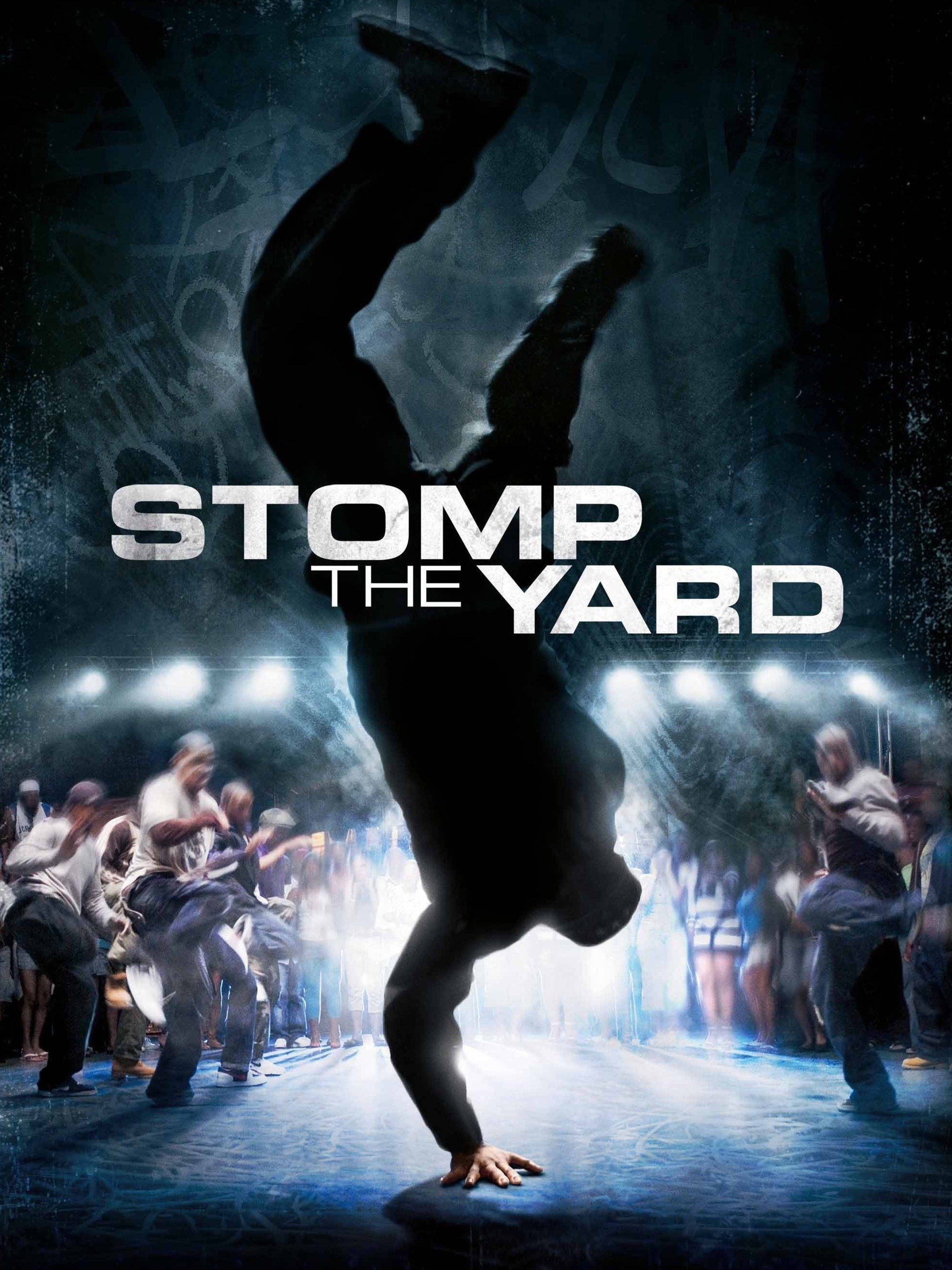
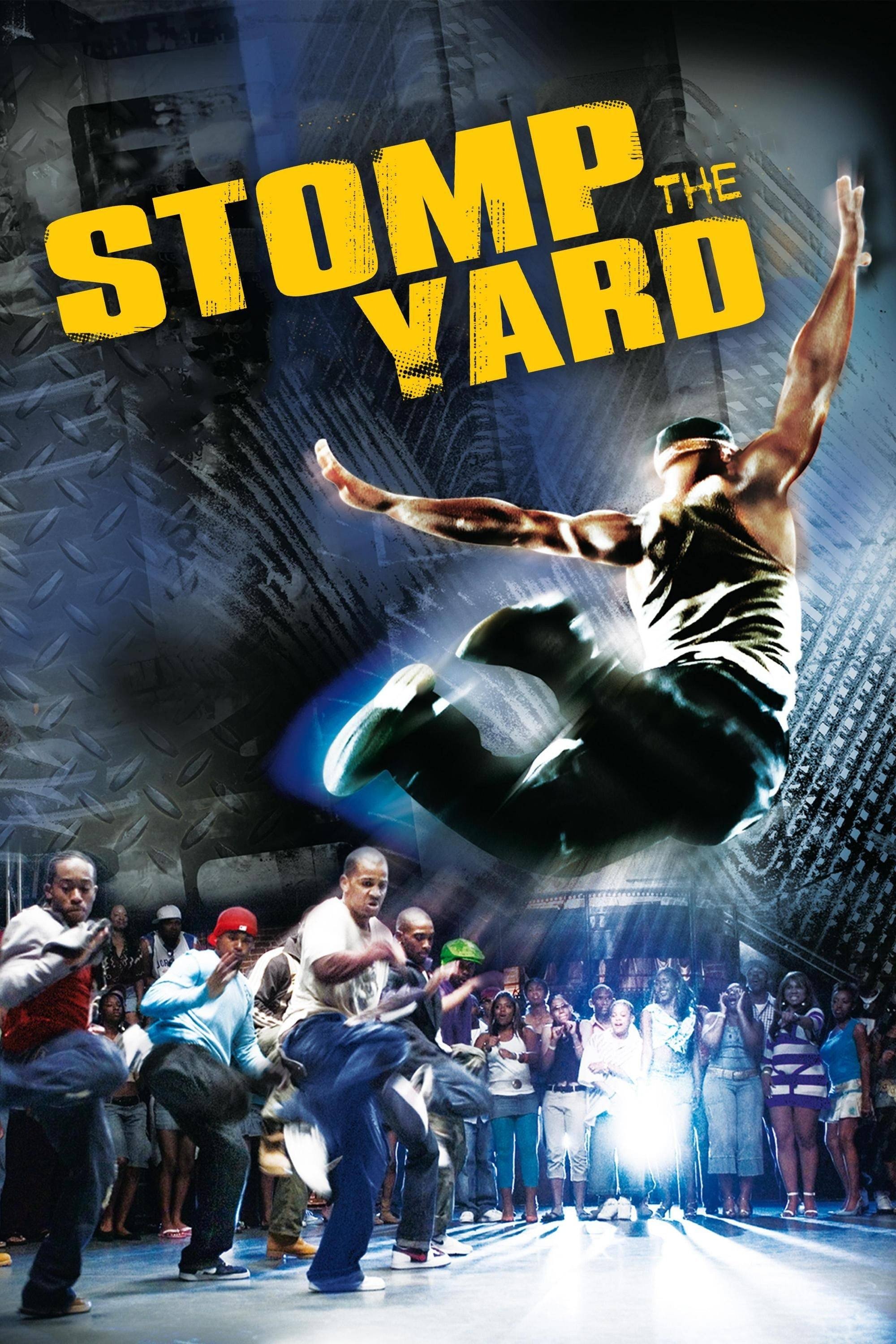
Who Is the Choreographer of Stomp the Yard? Meet the Creative Minds Behind the Steps
The primary choreographer for the 2007 film Stomp the Yard is Dave Scott, who worked in close collaboration with co-choreographer Chuck Maldonado. Together, they revolutionized the depiction of collegiate stepping on the big screen by...
The primary choreographer for the 2007 film Stomp the Yard is Dave Scott, who worked in close collaboration with co-choreographer Chuck Maldonado. Together, they revolutionized the depiction of collegiate stepping on the big screen by blending traditional African American fraternity step routines with contemporary hip-hop, krumping, and street dance styles.
Contents
The Architectural Minds Behind the Movement: Dave Scott and Chuck Maldonado
When Stomp the Yard premiered in January 2007, it did more than just top the box office; it introduced a global audience to the percussive, high-energy world of African American Greek life stepping. The success of the film's dance sequences is attributed to the synergistic partnership between Dave Scott and Chuck Maldonado.
Dave Scott: The Visionary of Urban Dance
Dave Scott was already a titan in the commercial dance world before signing onto Stomp the Yard. Having gained massive recognition for his work on You Got Served (2004), Scott was known for a style that was aggressive, raw, and visually cinematic. His approach to Stomp the Yard was to treat the dance sequences not merely as interludes, but as narrative tools that moved the plot forward.
Scott’s choreography is characterized by "hits"—sharp, sudden movements that coincide with heavy bass or percussive beats. In the context of Stomp the Yard, he had to bridge the gap between the protagonist DJ’s (Columbus Short) underground street-dance background and the disciplined, synchronized world of fraternity stepping.
Chuck Maldonado: The Master of Precision
While Dave Scott provided the overarching creative vision, Chuck Maldonado brought an essential level of authenticity and technical precision to the production. Maldonado is a veteran of the industry, having worked with icons like Usher and Chris Brown. His expertise in formation and synchronization was vital for the large-scale "step-offs" featured in the movie.
Maldonado’s role was particularly important in ensuring that the stepping remained respectful to the traditions of the "Divine Nine"—the nine historically Black Greek Letter Organizations (BGLOs). Stepping is a sacred tradition in these organizations, and Maldonado worked to ensure the choreography captured the spirit of Greek life while remaining accessible to a commercial film audience.
The Cultural Significance of Stepping in the Film
To understand the complexity of the choreography in Stomp the Yard, one must understand the foundation of "stepping." Stepping is a form of percussive dance in which the participant's entire body is used as an instrument to produce complex rhythms and sounds through a mixture of footsteps, spoken word, and hand claps.
The Influence of the Divine Nine
Historically, stepping grew out of the rituals of African American fraternities and sororities in the early 20th century. It draws roots from African foot dances and was used as a way to show unity, strength, and pride within a chapter. In Stomp the Yard, the fictional fraternities Theta Nu Theta and Mu Gamma Xi serve as stand-ins for this rich culture.
The choreographers had to navigate a fine line: they needed to create original routines that didn't "steal" proprietary steps from real-world fraternities like Alpha Phi Alpha or Omega Psi Phi, while still making the movements look authentic. They achieved this by focusing on the fundamental "base" moves of stepping—the march, the clap, and the stomp—and layering them with modern urban flourishes.
Blending Genres: From Krumping to Stepping
The narrative arc of Stomp the Yard hinges on the collision of styles. The main character, DJ, brings West Coast "clowning" and "krumping" to a traditional Southern university. Dave Scott utilized this by creating a hybrid language. In the final competition scenes, you can see the Theta Nu Theta fraternity transition from rigid, traditional lines into fluid, hip-hop-inspired breaks. This stylistic evolution was a deliberate choice by the choreographers to symbolize the "new blood" entering an old institution.
Technical Breakdown of the Choreography
The choreography in Stomp the Yard is notoriously difficult because it requires a combination of cardiovascular endurance, rhythmic timing, and physical strength. Unlike traditional hip-hop, where a dancer might rely on a backing track, steppers are the music. If one person is off-beat, the "instrument" (the group) is out of tune.
Rhythmic Syncopation
The "Stomp the Yard" style relies heavily on polyrhythms. A typical routine might involve the feet performing a steady 4/4 beat while the hands clap a triple-time rhythm against the chest and thighs. Dave Scott and Chuck Maldonado pushed the actors to master these layers, often rehearsing for weeks in a "dance boot camp" before filming began.
Formations and Visual Geometry
Cinematically, the choreographers worked with director Sylvain White to ensure the formations looked impressive from every angle. They utilized:
- V-formations: To emphasize a lead stepper.
- Phalanx lines: To show the intimidating power of a large fraternity group.
- Circular "Cyphers": To allow for individual "solos" within the group dynamic.
| Element | Traditional Stepping | Stomp the Yard Variation | Choreographic Purpose |
|---|---|---|---|
| Sound Source | Body percussion only | Body percussion + Cinematic score | Enhanced theatrical impact |
| Pace | Methodical, rhythmic | High-speed, aggressive | Increases tension for battle scenes |
| Movement Range | Primarily upright, linear | Includes floorwork and acrobatics | Demonstrates individual athleticism |
| Uniformity | Total synchronization | Planned "chaos" and solo breaks | Highlights the protagonist's journey |
Training the Cast: The "Dance Boot Camp"
One of the most impressive aspects of the choreography is that not all of the actors were professional dancers. While Columbus Short had a background in dance, others had to be built from the ground up.
To achieve the level of polish seen on screen, Scott and Maldonado implemented a rigorous six-week training program. This was not a standard rehearsal; it was a physical conditioning camp. The actors were required to:
- Build Leg Strength: Constant stomping on hard surfaces can lead to shin splints and joint fatigue.
- Internalize the Count: In stepping, dancers don't count "1, 2, 3, 4" in their heads; they internalize the rhythm of the sounds they are making.
- Learn Group Cohesion: The choreographers forced the actors to spend time together outside of rehearsal to build the "brotherhood" necessary to make the fraternity bond look authentic on camera.
The Long-Term Impact of the Choreography (2026 Perspective)
As we look back from 2026, Stomp the Yard remains a cornerstone of the "urban dance" film genre. While newer films have utilized more advanced CGI and camera technology, the raw, physical performances orchestrated by Dave Scott and Chuck Maldonado are still cited by modern choreographers as a gold standard.
Influence on the "Step Up" Franchise
The success of the choreography in Stomp the Yard directly influenced the direction of the Step Up franchise and other competitive dance movies. It proved that there was a massive commercial appetite for dance styles rooted in specific cultural histories. The "battle" format, which Scott perfected in this film, became the blueprint for almost every dance-competition film produced over the next two decades.
Professional Opportunities for Steppers
Before 2007, stepping was largely confined to HBCU (Historically Black Colleges and Universities) campuses and Greek festivals. Following the film, professional "Step" companies like Step Afrika! saw a surge in mainstream interest. The choreography provided a platform for these dancers to transition into Hollywood, commercial work, and even Broadway.
Frequently Asked Questions
Did Columbus Short do his own dancing in Stomp the Yard?
Yes, Columbus Short performed the vast majority of his own choreography. Short was an accomplished dancer and choreographer before he focused on acting, having worked as a backup dancer for Britney Spears and assisted in the choreography for other major projects. His ability to handle Dave Scott’s aggressive style was a primary reason he was cast in the lead role.
Was the choreography in the movie based on real fraternity steps?
The choreography was inspired by real-world stepping practiced by the Divine Nine, but it was specifically designed to be original. Choreographers Dave Scott and Chuck Maldonado were careful to create a "cinematic version" of stepping that honored the tradition without infringing on the specific, private "calls" or signature moves of real fraternities.
Who was the choreographer for the sequel, Stomp the Yard: Homecoming?
Chuck Maldonado returned as the lead choreographer for the 2010 sequel, Stomp the Yard: Homecoming. While Dave Scott moved on to other projects like Step Up 3D, Maldonado ensured the stylistic continuity of the franchise by maintaining the high-energy, percussive foundation established in the first film.
What other movies has Dave Scott choreographed?
Dave Scott is one of the most prolific choreographers in Hollywood. His credits include You Got Served, Step Up 3D, Battle of the Year, and the dance-heavy television series So You Think You Can Dance. He is widely credited with bringing "street" styles into the mainstream commercial dance industry.
Practical Recommendation for Aspiring Choreographers
If you are looking to study the work of Dave Scott and Chuck Maldonado, the best approach is to analyze the "final battle" scene of Stomp the Yard frame-by-frame. Pay close attention to how the choreographers use negative space and dynamic levels.
By observing how the dancers move from the floor to high jumps, and how they use silence just as effectively as sound, you can learn the fundamental principles of "rhythmic storytelling." For those interested in learning the style, seeking out HBCU step team footage on archival platforms or attending workshops by Maldonado (who still teaches masterclasses as of 2026) provides the most authentic educational path.
Image Gallery