Why Chase Does Not Offer a High Yield Savings Account and How to Maximize Your Returns
Chase Bank provides standard savings accounts with minimal interest rates, as the institution does not offer a high yield savings account. Depositors looking to maximize their cash returns must look toward digital-first banks, online c...
Chase Bank provides standard savings accounts with minimal interest rates, as the institution does not offer a high yield savings account. Depositors looking to maximize their cash returns must look toward digital-first banks, online competitors, or alternative investment vehicles like money market funds and certificates of deposit to earn competitive yields on their liquid savings.
Contents
When consumers audit their personal finances, retail banking structures often reveal stark differences between traditional brick-and-mortar giants and online-only institutions. JPMorgan Chase, one of the largest financial institutions in the United States, commands a massive market share through its extensive branch network, robust mobile application, and comprehensive ecosystem of credit cards and checking accounts. However, a glaring gap for savers is that Chase does not offer a high yield savings account. Understanding why this discrepancy exists, how Chase’s standard savings products perform, and what alternatives are available helps account holders build a more lucrative cash management strategy.
Understanding Chase Savings Account Offerings
To comprehend why Chase lacks a high yield savings option, it is necessary to examine the bank's core product philosophy. Chase Premier Savings and Chase Savings accounts are designed primarily for convenience, liquidity, and integration with checking products rather than asset growth. These traditional accounts typically offer baseline interest rates that sit significantly lower than the national average for high-yield products offered by online competitors.
Traditional commercial banks rely on a brick-and-mortar business model. Maintaining thousands of physical branches, automated teller machines, and extensive customer service workforces incurs massive overhead costs. Because online banks operate without physical branch networks, they pass those operational savings onto consumers in the form of elevated Annual Percentage Yields (APYs). Chase chooses to compete on convenience, physical access, and ecosystem synergy rather than top-tier deposit rates.
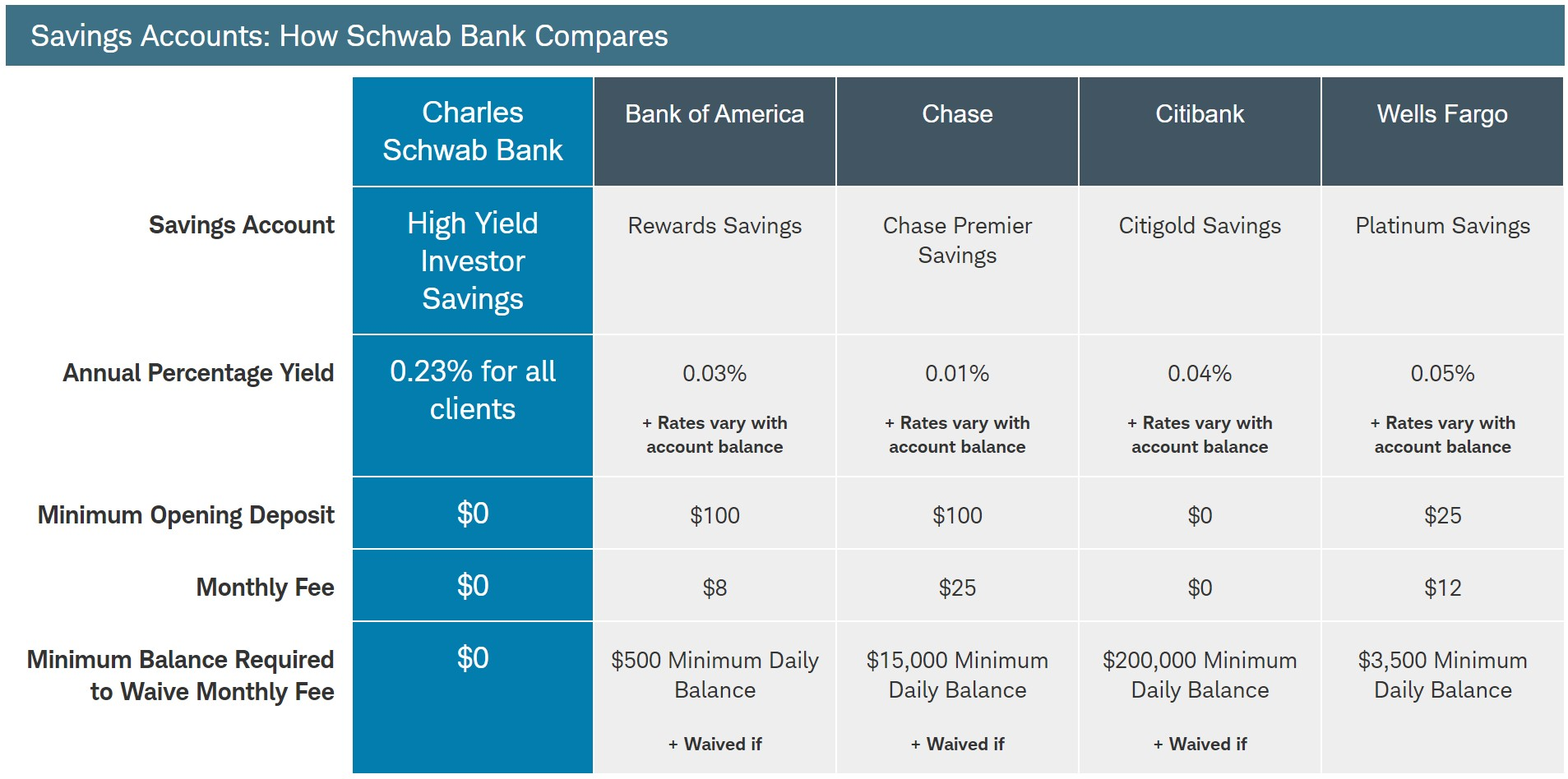
| Account Type | Typical APY | Monthly Service Fee | Fee Waiver Requirements |
|---|---|---|---|
| Chase Savings | Very Low (Baseline) | $5.00 | Maintain $300 balance or link to Chase Premier Plus Checking |
| Chase Premier Savings | Low (Slightly higher tier) | $25.00 | Maintain $15,000 balance or link to Chase Sapphire Checking |
| Online High-Yield Savings | Competitive Market Rate | $0 | Usually none |
As illustrated in the table above, Chase savings products carry monthly maintenance fees unless specific balance thresholds or account linkages are met. While these fees can be waived, the interest earned on the underlying balances rarely offsets the opportunity cost of keeping cash in an account with a sub-optimal yield.
The Business Model Behind Traditional Retail Banking
The absence of a high yield savings account at Chase is not an oversight; it is a deliberate strategy rooted in deposit retention and consumer behavior. Large traditional banks do not need to compete aggressively for everyday consumer deposits by offering high interest rates. Millions of customers prioritize having a physical branch down the street, an integrated mobile wallet, and the ability to bundle mortgages, auto loans, credit cards, and checking accounts under a single login.
Furthermore, banks manage their net interest margins by balancing what they pay depositors against what they charge borrowers. When interest rates fluctuate across the broader economy, mega-banks are slow to raise rates on basic savings products because depositors exhibit high inertia. Consumers value the friction of switching banks more than the incremental interest earned on small-to-moderate cash balances, allowing institutions like Chase to maintain lower cost-of-funding metrics.
Exploring Alternative Cash Management Strategies
Account holders who want to keep their primary checking and everyday banking relationship with Chase while capturing superior returns must adopt a multi-institution approach. Moving excess cash out of a low-interest Chase savings account and into higher-yielding vehicles allows depositors to optimize their overall financial portfolio without closing their primary accounts.
Online High-Yield Savings Accounts (HYSAs)
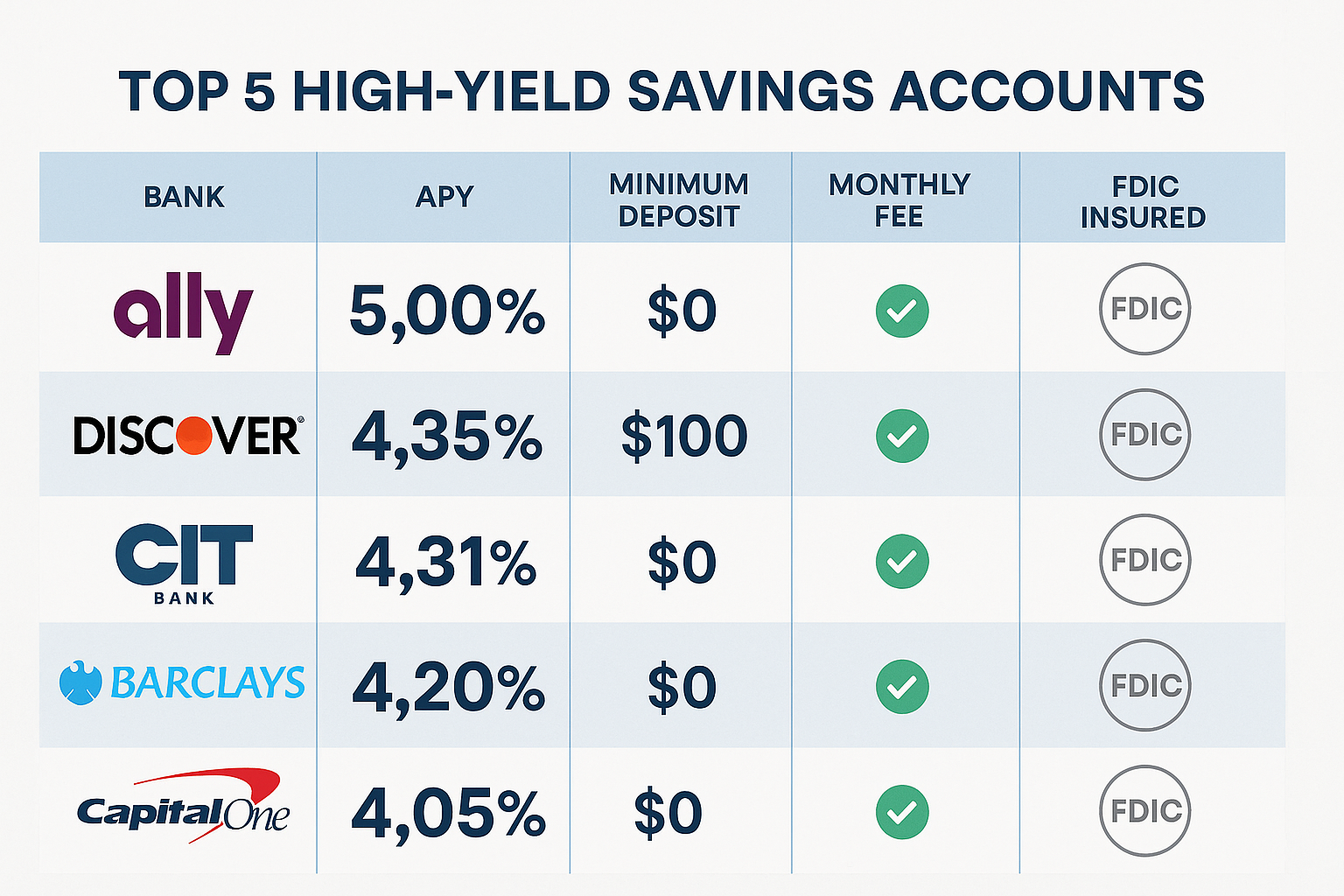
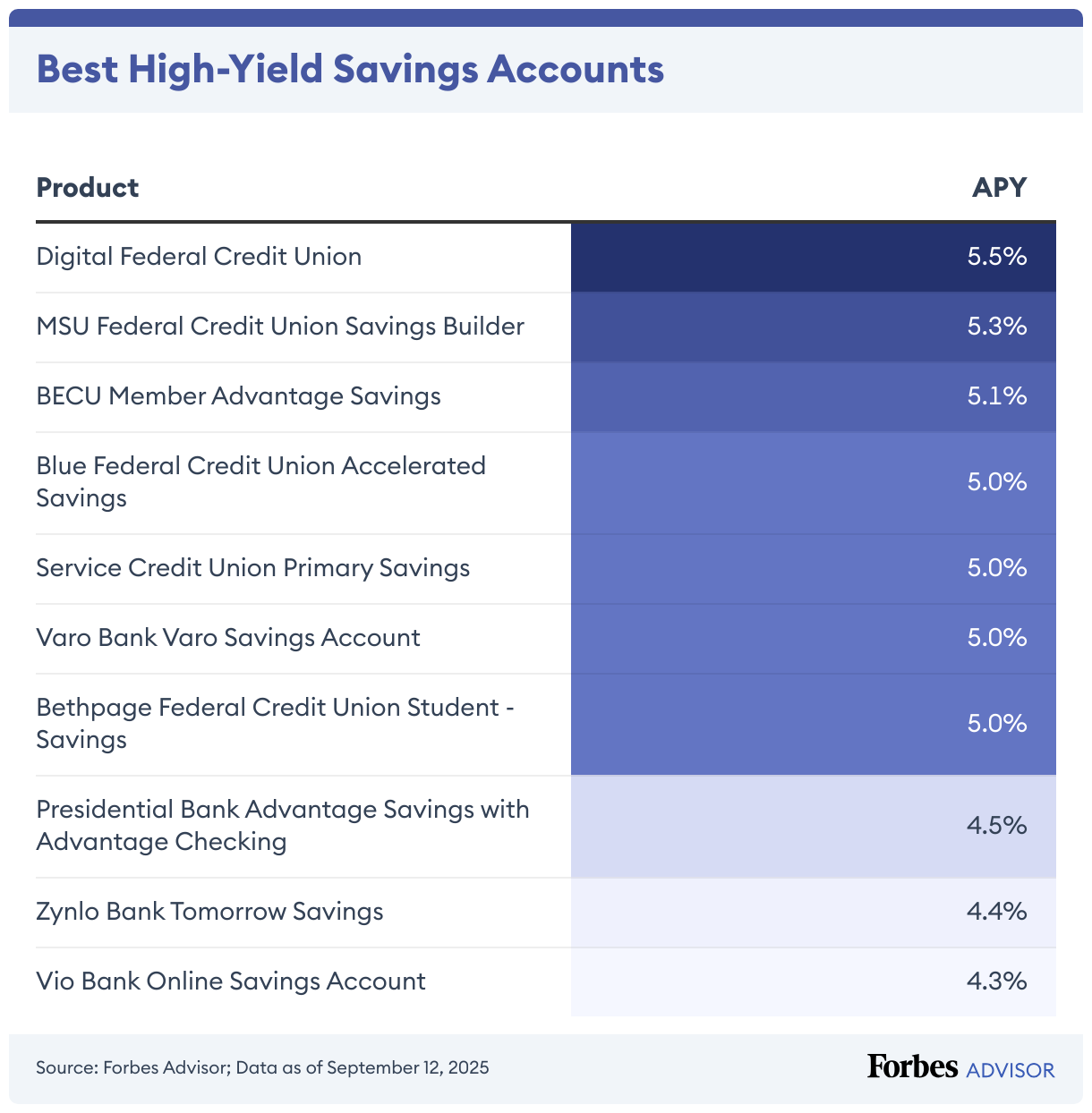
Online banks and credit unions provide a direct substitute for traditional savings accounts. These digital institutions pass operational savings to the consumer, consistently offering yields that outperform traditional banks by multiple percentage points. Moving emergency funds or short-term savings to an online bank preserves liquidity while drastically increasing interest income.
Certificates of Deposit (CDs)
For funds that do not need to be accessed immediately, Certificates of Deposit lock in a fixed interest rate for a predetermined term, ranging from three months to several years. While Chase does offer CD products, their rates frequently lag behind promotional offerings from online financial institutions and specialized brokerages.
Money Market Funds and Treasury Bills
Investors willing to look beyond traditional bank deposits can utilize brokerage accounts to purchase Treasury bills or money market mutual funds. These instruments yield returns tied closely to federal benchmark rates, providing safe, liquid options for cash that would otherwise languish in a low-yield retail savings account.
Common Pitfalls When Managing Cash at Traditional Banks
Navigating the limitations of traditional retail banking requires an awareness of hidden costs and structural inefficiencies. Many consumers lose hundreds of dollars annually simply out of habit or convenience.
- Ignoring Fee Triggers: Failing to maintain minimum balances on accounts like Chase Premier Savings can result in monthly fees that completely erase any interest earned during the year.
- Keeping Too Much Liquid Cash: Maintaining excessive balances in zero-to-low yield accounts exposes funds to the eroding power of inflation. Long-term savings should be deployed into growth-oriented assets or higher-yielding cash vehicles.
- Failing to Automate Transfers: Manually moving money between an external high-yield savings account and a primary checking account can lead to missed opportunities. Setting up automated recurring transfers helps maintain disciplined savings habits.
Frequently Asked Questions
Does Chase offer any account with a high interest rate?
No. Chase does not feature a dedicated high yield savings account in its consumer product lineup. While promotional interest rates are occasionally attached to specific checking account bonuses or select certificate of deposit terms, standard savings vehicles maintain baseline interest rates.
How can I earn interest on my cash while keeping my Chase checking account?
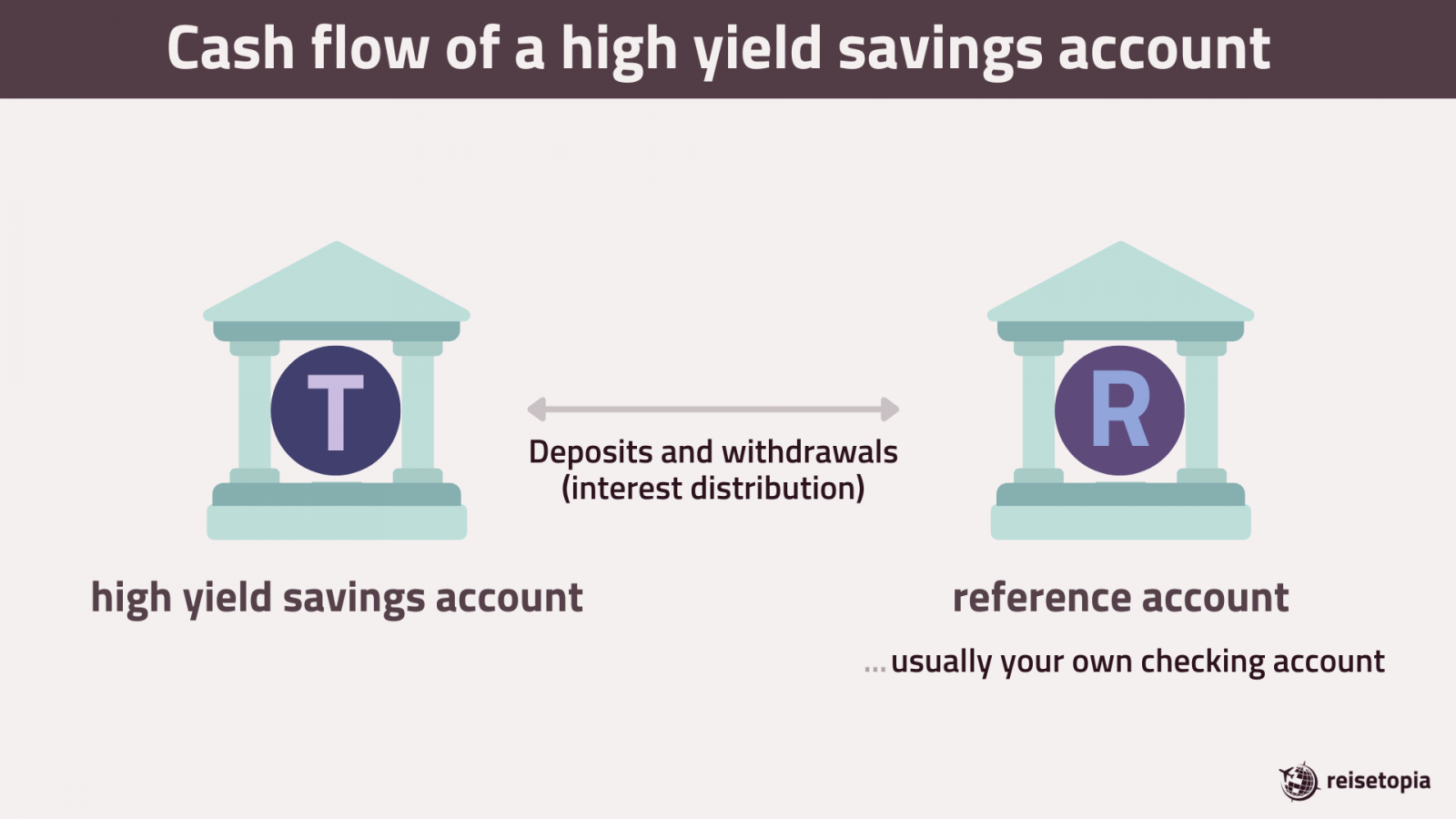
You can keep your primary checking account open for daily transactions and bill pay while linking it to an external online bank account. You can effortlessly transfer excess funds via electronic ACH transfers to an institution that offers a competitive high-yield savings rate.
Are online high-yield savings accounts safe?
Yes, provided the online institution is insured by the Federal Deposit Insurance Corporation (FDIC) for banks or the National Credit Union Administration (NCUA) for credit unions. This protection covers deposits up to $250,000 per depositor, per ownership category, matching the security provided by traditional banks like Chase.
Will moving money out of Chase affect my credit score?
Opening or closing a standard savings or checking account does not impact your credit score, as deposit accounts are not reported to credit bureaus. Only credit cards, loans, and lines of credit factor into credit scoring calculations.
What are the main drawbacks of switching to an online bank?
Online banks lack physical brick-and-mortar branches, meaning cash deposits must typically be made via mobile check capture, electronic transfer, or designated ATM networks. Customers who frequently handle physical cash may find this limitation inconvenient.
Next Steps for Your Savings
If your cash sits in a traditional Chase savings account earning minimal interest, the most pragmatic step is to audit your liquid reserves. Calculate how much cash you need for immediate liquidity and short-term expenses, keeping that portion accessible in your primary checking account. Take your emergency fund and surplus savings, and transfer them to a reputable, FDIC-insured online high-yield savings account or short-term fixed-income vehicle to ensure your money works as hard as you do.
Image Gallery