The Rise of Art Play on Broadway: A New Era of Theatrical Immersion
The "art play"—a genre of drama that foregrounds the process, history, and visceral experience of visual arts—has secured a prominent foothold on Broadway in 2026. This evolution reflects a growing audience appetite for interdisciplina...
The "art play"—a genre of drama that foregrounds the process, history, and visceral experience of visual arts—has secured a prominent foothold on Broadway in 2026. This evolution reflects a growing audience appetite for interdisciplinary storytelling, moving beyond traditional biographical narratives to explore the technical, philosophical, and emotional intersections of the canvas and the stage.
Contents
Understanding the Art Play Phenomenon
While plays featuring artists are not new to the Great White Way, the contemporary "art play" represents a distinct shift toward aesthetic immersion. These productions often utilize sophisticated projection technology, stagecraft that mimics brushwork, and non-linear narratives to place the audience inside the creative mind. Unlike standard biopics, these works prioritize the act of creation as the primary engine of the plot.
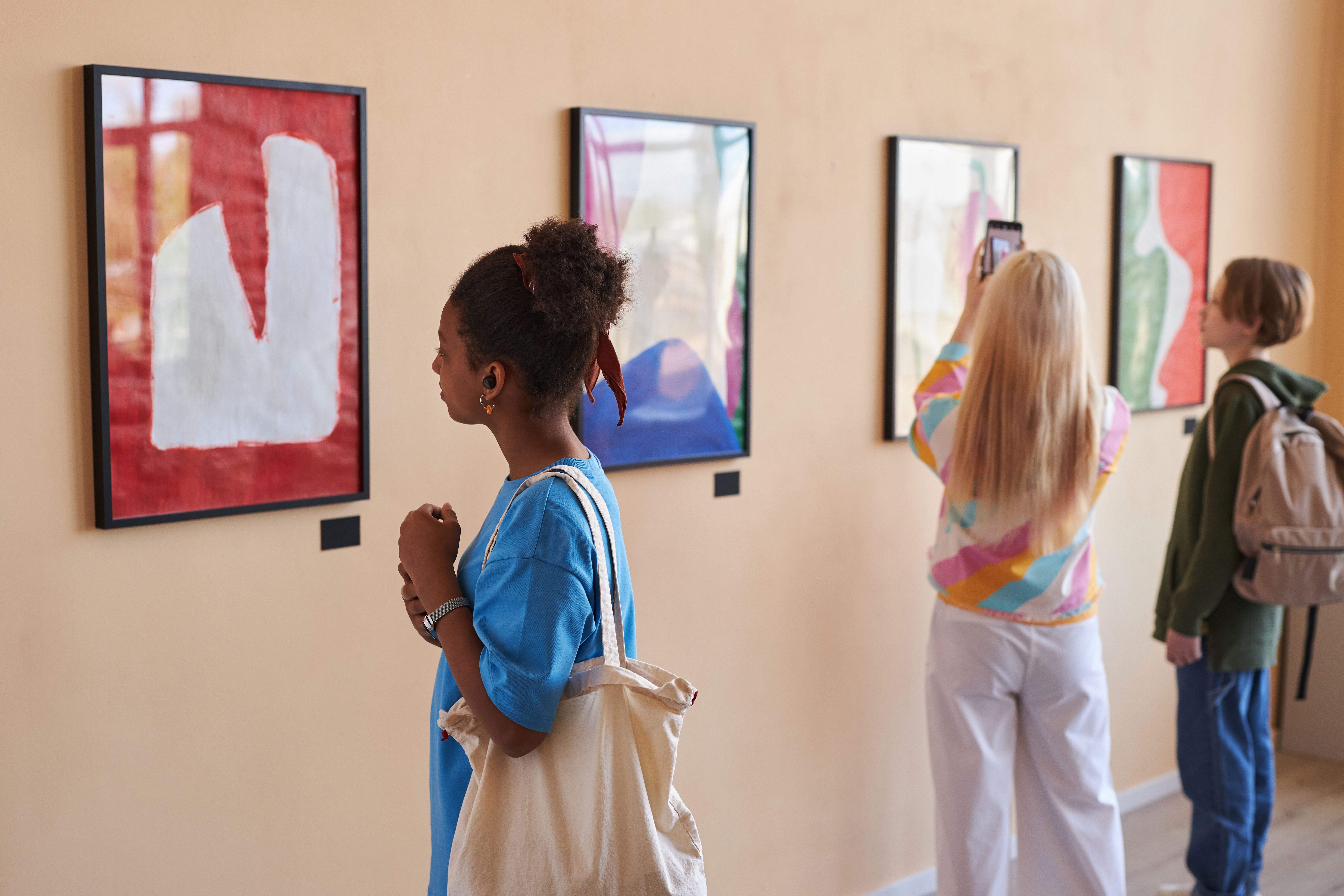
The primary intent for theater-goers seeking these productions is often educational yet sensory; they desire to bridge the gap between high-art gallery experiences and the communal environment of a Broadway house. In 2026, theaters are increasingly meeting this demand by transforming the proscenium into a living, breathing studio, utilizing high-definition digital rendering and traditional set design to create an environment where the "art" is a lead character rather than a mere backdrop.
Key Factors Driving the Shift
The rise of the art play can be attributed to several converging factors in the commercial theater landscape:
- Technological Advancements: With the refinement of laser-projection mapping and automated kinetic set pieces, producers can now recreate complex artistic styles—such as the layering of oil paint or the fragility of charcoal sketches—in real-time on stage.
- Audience Demographic Shifts: Younger demographics attending Broadway shows demonstrate a preference for "experiential" art. They are less interested in passive observation and more interested in witnessing the technical mastery behind a work of art.
- Cross-Disciplinary Collaborations: There is an increased frequency of partnerships between top-tier museums and Broadway production companies. These collaborations provide authentic curation, technical expertise, and archival material that ground the production in historical accuracy.
- The Quest for High-Concept Drama: As musical theater continues to dominate the commercial space, straight plays are finding success by leaning into "prestige aesthetics." Art plays offer a sophisticated intellectual hook that appeals to international tourists and local theater subscribers alike.
Comparative Landscape: Traditional vs. Contemporary Art Plays
| Feature | Traditional Biographical Play | Modern Art Play (2026) |
|---|---|---|
| Primary Focus | The artist’s personal relationships | The technical and philosophical process |
| Visual Style | Literal, naturalistic sets | Abstracted, projection-heavy environments |
| Audience Engagement | Narrative-driven / Plot-heavy | Sensory-driven / Aesthetic-heavy |
| Technical Requirement | Standard lighting and stagecraft | Advanced digital rendering and kinetics |
The Role of Technology in Artistic Representation
The most significant hurdle in staging an art play is the "translation problem": how does one represent the act of painting on a stage meant for human interaction? Modern productions have moved away from simple painted backdrops toward integrated digital interfaces.
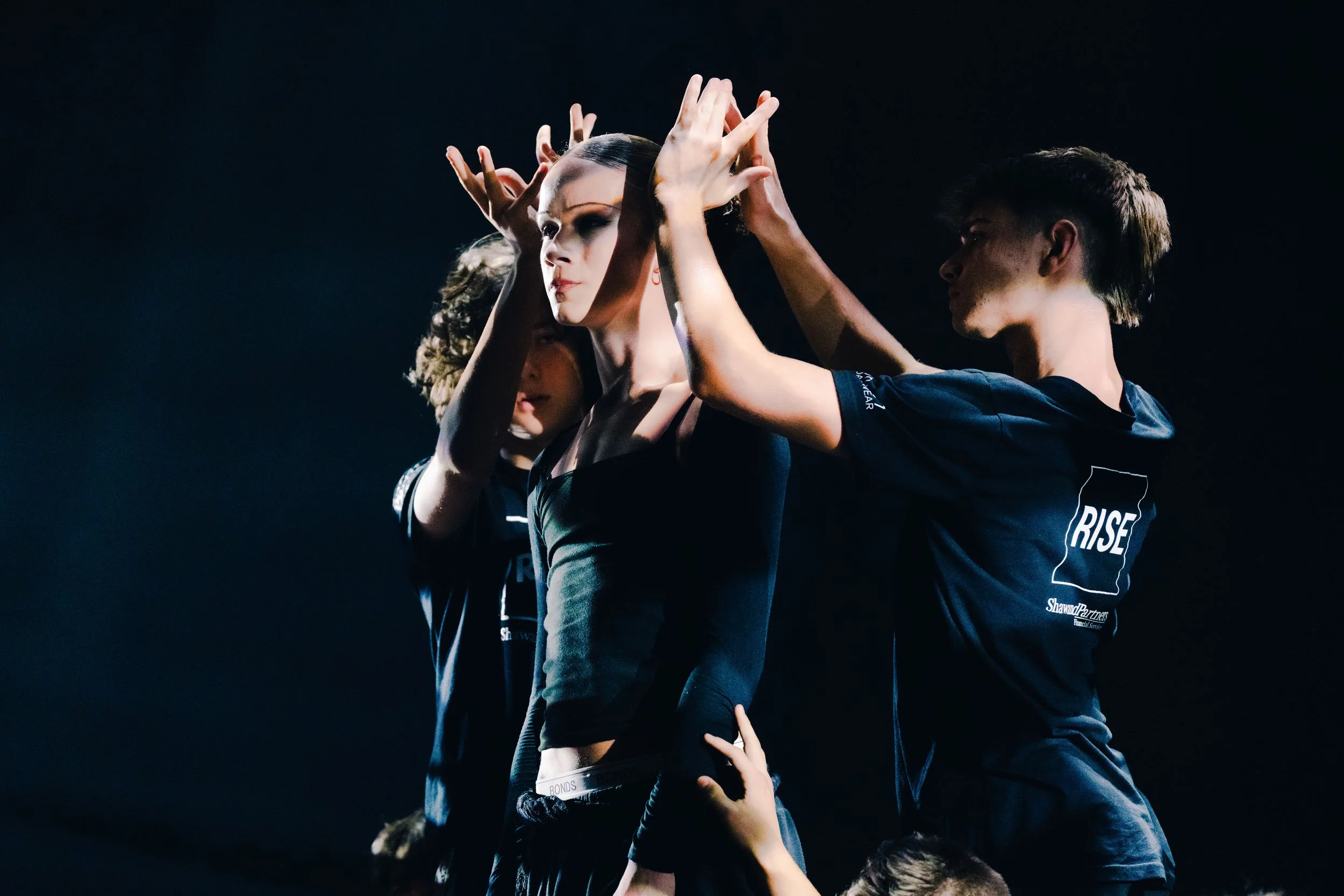
By 2026, the industry standard involves the use of ultra-short-throw projectors and tactile LED screens that allow actors to physically "interact" with the art. When a character touches a canvas on stage, synchronized software adjusts the lighting and color balance of the entire set, effectively "painting" the stage as the actor moves. This technical integration requires specialized rehearsals that blend traditional acting techniques with motion-tracking performance, a unique prerequisite for cast members in this sub-genre.
Operational Prerequisites and Production Costs
Producing an art play in a Broadway venue involves significantly higher upfront capital expenditures compared to conventional drama. Because of the heavy reliance on proprietary software and high-resolution hardware, producers must allocate a larger share of the budget to technical maintenance and IT staffing.
- Licensing and Rights: Obtaining rights for the display of copyrighted works or historical archives often involves complex, multi-year negotiations with estate foundations or international museums.
- Infrastructure Upgrades: Many historic Broadway houses require significant electrical and cooling upgrades to support the server farms and projection equipment required for these high-fidelity visual productions.
- Technical Staffing: The crew for these shows requires a specialized blend of traditional stagehands and digital media technicians. This hybrid staffing model is currently one of the highest recurring costs for Broadway productions in 2026.
Navigating the Challenges: What Producers and Audiences Should Know
For audiences attending these productions, the experience can be overwhelming if not properly managed. The intensity of light and sound, often used to simulate the creative process, can lead to sensory fatigue. Conversely, for producers, the risk lies in "aesthetic overshadowing," where the spectacle of the technology obscures the human element of the story.
Common criticisms of the genre include the potential for the technology to feel like a gimmick. To avoid this, successful productions ensure that the art is used to manifest the character's internal state. When the stage "transforms" into a watercolor wash, it should signify the character’s emotional flux rather than simply providing a decorative change.
Frequently Asked Questions
What distinguishes an "art play" from a standard drama about an artist? The art play prioritizes the technical and philosophical act of creation as the central narrative force. While a standard drama might focus on an artist's personal scandals, an art play focuses on the struggle of the craft, the nature of vision, and the physical transformation of raw materials into finished works.
Do I need a background in art history to appreciate these plays? No. These productions are designed to be accessible to a wide audience. While knowledge of the subject’s life may enhance the experience, the visual and emotional storytelling is crafted to stand on its own, providing enough context within the dialogue to guide the viewer.
Why is there a sudden surge in these productions in 2026? The rise is largely due to the maturation of projection technology that became affordable and reliable for Broadway-scale, eight-shows-a-week operation. Furthermore, there is a broader cultural trend favoring "slow art" and "process-based" content, which aligns perfectly with the live-performance medium.
Are these plays suitable for younger audiences? Many art plays are rated for general audiences and often serve as excellent entry points for students, provided the themes of the specific play are age-appropriate. The visual nature of the productions often keeps younger viewers more engaged than dialogue-heavy, abstract dramas.
How do I verify the authenticity of the art shown on stage? Look for the production’s program or official website. Legitimate art plays in 2026 typically list their consultants, which often include historians or representatives from the artist’s estate. This is a standard mark of quality in high-budget Broadway theater.
Moving Forward
If you are planning to attend or invest in an art play, prioritize shows that emphasize a collaborative approach between theater artists and visual arts institutions. Check the production’s marketing materials for evidence of authentic research and technical innovation. For those interested in the craft, look for "behind-the-curtain" featurettes, which many 2026 productions now publish to demonstrate the complex, real-time technology behind their set designs. Whether you are a scholar of the arts or a casual theater-goer, the rise of this genre offers a rare opportunity to witness the synthesis of two distinct creative worlds in a single, shared space.
Image Gallery