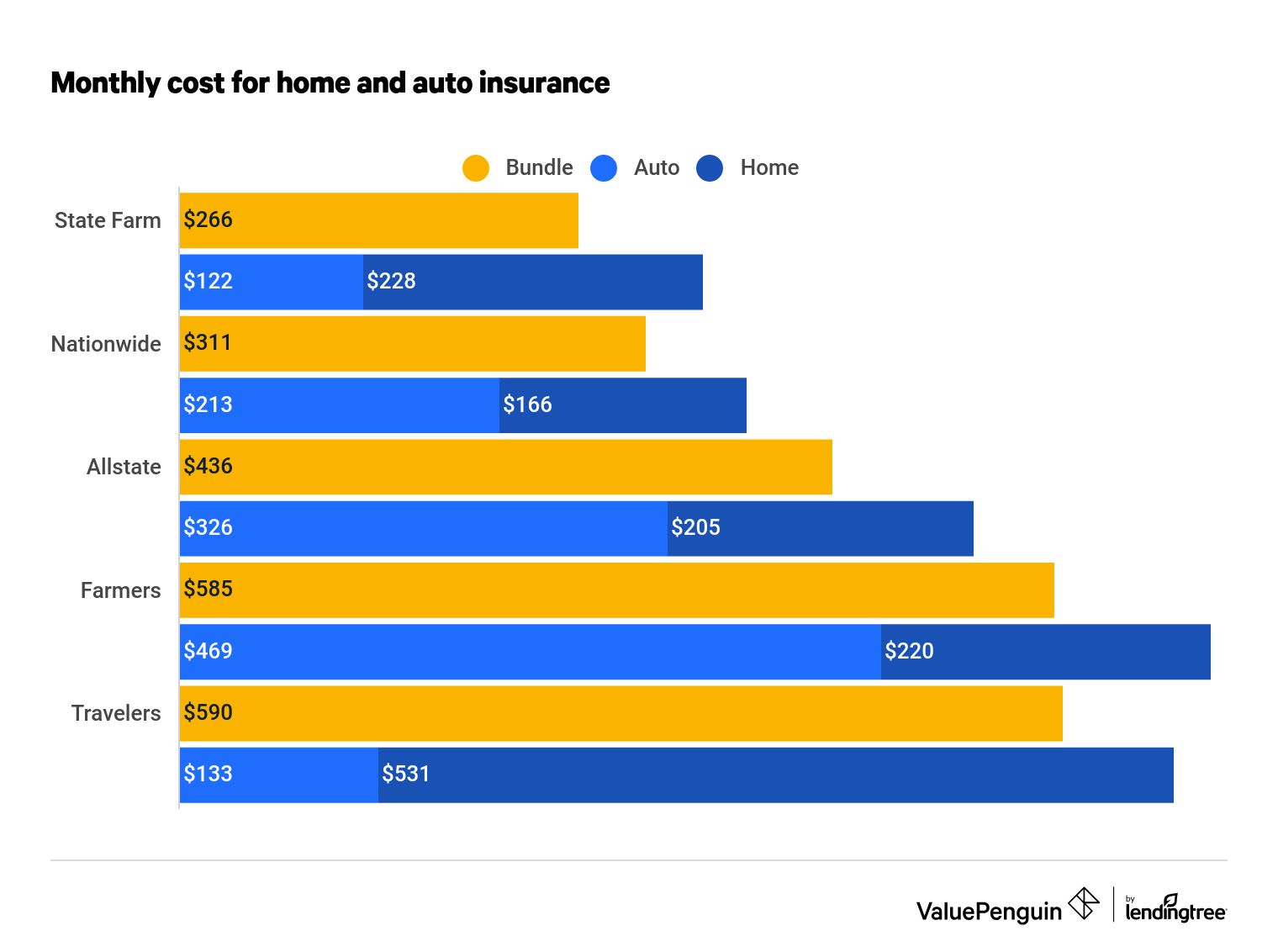
Why You Should Bundle Auto and Homeowners Insurance in New Jersey
Bundling your auto and homeowners insurance in New Jersey—often referred to as a multi-policy discount—is a strategic financial decision that typically results in lower overall premiums, simplified account management, and a unified cla...
Bundling your auto and homeowners insurance in New Jersey—often referred to as a multi-policy discount—is a strategic financial decision that typically results in lower overall premiums, simplified account management, and a unified claims process. By placing both policies with a single insurance carrier, you leverage the competitive nature of the state's insurance market to reduce annual costs while potentially increasing your coverage flexibility.
Contents
Understanding the Mechanics of Insurance Bundling
Bundling, or "multi-policy," is the practice of purchasing two or more insurance products from the same provider. In New Jersey, where insurance premiums are influenced by high population density, specific regional weather risks, and complex regulatory oversight from the Department of Banking and Insurance (DOBI), carriers offer these discounts to increase "customer stickiness."
When you purchase a homeowners policy, you are securing protection for one of your largest financial assets. Adding an auto policy to that same account allows the insurance company to assess your risk profile more comprehensively. Because the company manages a larger portion of your insurance portfolio, they often reduce the individual policy rates, viewing you as a more stable, long-term policyholder.
The Financial Advantages in the New Jersey Market
New Jersey consistently ranks as one of the states with unique challenges regarding car insurance rates due to the state’s mandatory no-fault system, known as Personal Injury Protection (PIP). When you bundle, the discount is typically applied to both premiums, but the percentage can vary.
- Premium Reduction: Most carriers offer a discount ranging from 5% to 20% on the total premium cost when policies are combined.
- Unified Deductibles: In specific instances, some carriers offer a "disappearing deductible" or a single-deductible provision if a single incident—such as a catastrophic storm—damages both your home and your vehicle.
- Convenience and Administration: Managing one login, one payment date, and one set of insurance documents reduces the risk of missed payments or policy lapses, which are critical in New Jersey, where driving uninsured carries severe penalties, including license suspension.
Evaluating Coverage and Eligibility
Not every insurer in New Jersey is the right fit for every consumer. Before bundling, it is essential to verify that the carrier provides robust coverage for the specific risks associated with your location. New Jersey homeowners must contend with flooding in coastal areas, wind damage in suburban regions, and the state's specific "tort threshold" options for auto insurance.
Comparison Table: Standalone vs. Bundled Policies
| Feature | Standalone Policies | Bundled Policies |
|---|---|---|
| Total Cost | Generally higher | Discounted (5-20% avg) |
| Account Management | Multiple portals/contacts | Centralized single dashboard |
| Payment Schedule | Separate billing cycles | Combined billing |
| Claims Process | Separate adjusters | Often one point of contact |
| Renewal Date | Independent dates | Synchronized or simplified |
Navigating New Jersey Regulatory Requirements
The New Jersey Department of Banking and Insurance (DOBI) oversees the rates and practices of insurance companies operating within the state. When you bundle, you are still subject to the same legal requirements for auto insurance. For example, your auto policy must meet the state’s minimum liability requirements, and your homeowners policy should ideally cover the "replacement cost" of your dwelling rather than the "actual cash value," especially given the high cost of property in the Garden State.
Before signing a bundled contract, ensure the provider is licensed to operate in New Jersey. You can verify the status of any insurance company via the New Jersey DOBI website. Avoid purchasing policies from unauthorized carriers, as they may not offer the consumer protections guaranteed by the New Jersey Property-Liability Insurance Guaranty Association.
Potential Drawbacks and Considerations
While bundling is advantageous for many, it is not a universal solution for every driver or homeowner.
- Specialized Risk: If you own a high-performance vehicle that requires a specialized insurance company, that carrier may not offer a homeowners policy that meets your needs. Conversely, a carrier with an excellent homeowners product might have subpar auto coverage or limited service centers in your specific New Jersey zip code.
- Comparative Shopping: Sometimes, two "best-in-class" standalone policies—one for the home from a specialty property insurer and one for the car from a high-tech auto insurer—can cost less than a single, bundled package from a carrier that specializes in neither.
- Customer Service Quality: An insurance company that offers a deep discount for bundling may sacrifice customer service responsiveness. Before bundling, research the carrier’s claim-handling reputation within New Jersey.
Step-by-Step Approach to Bundling
To ensure you are making a financially sound decision, follow this sequence:
- Audit Current Policies: Identify your current coverage limits, deductibles, and annual premiums for both home and auto.
- Verify Renewal Dates: Determine when your policies expire. While you can switch at any time, it is often easiest to bundle when a policy is up for renewal to avoid cancellation fees.
- Request Quotes: Contact at least three top-rated carriers in New Jersey. Specifically ask for a "multi-policy quote."
- Compare Coverage, Not Just Price: Ensure the bundled quote does not reduce your liability limits or change your auto policy from "Limited Right to Sue" to "Unlimited Right to Sue" (or vice-versa) without your explicit request.
- Finalize the Switch: Once you have a written offer, confirm the effective dates to ensure there is no gap in coverage, especially for your auto policy, as New Jersey law requires continuous coverage.
Frequently Asked Questions
Will my homeowners insurance rate increase if I file a car accident claim? Generally, no. While your auto insurance premiums may increase following an at-fault accident, your homeowners insurance is rated based on property risks and liability factors specific to your home. However, some insurers reserve the right to review the entire account if a policyholder becomes "high risk."
Does bundling auto and home insurance work for renters? Yes. If you rent your home in New Jersey, you can bundle your renters insurance with your auto insurance. This "Renters + Auto" bundle typically provides a significant discount on both premiums and is a common way for younger drivers or urban residents to save.
Can I bundle if I have a history of driving violations? You can, but it may be more difficult to find a carrier willing to bundle if you have significant points on your license. Some carriers specialize in "high-risk" insurance and may still offer a bundle, though the premiums will be higher than standard market rates.
What happens if I move out of New Jersey? If you move to another state, you will likely need to cancel your New Jersey policies and secure new ones. Insurance is heavily state-regulated, and your bundled discount will not automatically transfer to a new jurisdiction.
How often should I re-evaluate my bundled policy? It is recommended to review your insurance portfolio every 24 months, or whenever you experience a major life event, such as buying a new vehicle, completing a significant home renovation, or changing your commute.
Professional Guidance and Next Actions
Insurance needs in New Jersey are dynamic. Factors like local real estate appreciation, changes in vehicle safety technology, and inflation impact the cost of repairs and replacements. As a first step, contact your current provider and request a "multi-policy disclosure" to see if they offer any loyalty discounts for existing customers. If you are not satisfied, utilize the New Jersey DOBI’s buyer’s guides to identify reputable insurers, then conduct a side-by-side comparison of the coverage limits versus the total annual premium cost.
Image Gallery