Comprehensive Guide to Finding and Using a Free Ebook for Life Insurance Basics
A free ebook for life insurance basics provides a structured, low-pressure way to understand policy types, coverage calculations, and the underwriting process. These digital guides help consumers navigate complex financial jargon and p...
A free ebook for life insurance basics provides a structured, low-pressure way to understand policy types, coverage calculations, and the underwriting process. These digital guides help consumers navigate complex financial jargon and prepare for conversations with agents, ensuring they select the most cost-effective protection for their specific family or business needs in 2026.
Contents
Why You Need a Life Insurance Basics Ebook in 2026
The landscape of personal finance and risk management has become increasingly digital, yet the underlying complexities of life insurance remain a significant hurdle for many. Whether you are a first-time parent, a new homeowner, or a business owner looking to protect your partners, understanding the "how" and "why" of life insurance is the first step toward financial security.
A high-quality free ebook serves as a roadmap. Unlike a sales pitch, which often focuses on specific product features, an educational ebook focuses on the mechanics of the industry. It should explain the fundamental principle of insurance: the transfer of risk. By paying a relatively small, predictable premium, you transfer the catastrophic financial risk of your untimely passing to an insurance company.
In 2026, many insurance providers and financial literacy organizations offer these resources to build trust with potential clients. However, the value of the ebook lies in its ability to empower you. When you understand terms like "death benefit," "premium," and "beneficiary" before you start looking for quotes, you are far less likely to be oversold on coverage you do not need.
Core Fundamentals Covered in Introductory Ebooks
Most reputable ebooks on life insurance basics will structure their information around several key pillars. Understanding these pillars is essential for anyone starting their journey into financial planning.
The Parties to the Contract
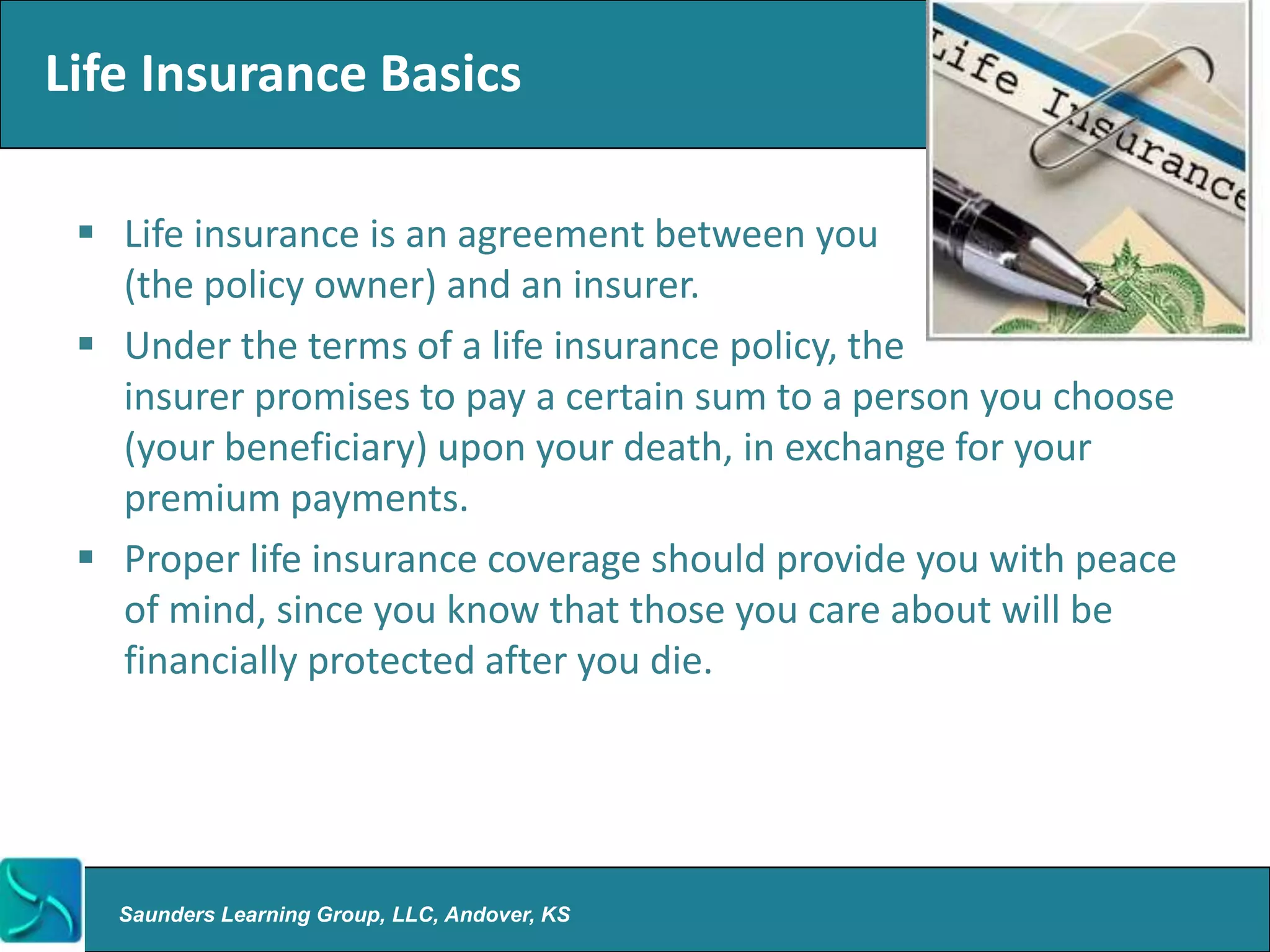
Every life insurance policy involves several distinct roles, and it is vital to understand who is who:
- The Insurer: The company that issues the policy and promises to pay the death benefit.
- The Owner: The person who pays the premiums and has the right to make changes to the policy.
- The Insured: The individual whose life is covered by the policy.
- The Beneficiary: The person or entity designated to receive the payout upon the death of the insured.
The Death Benefit
The death benefit is the primary reason most people purchase insurance. This is the sum of money paid out to the beneficiaries. In your ebook, you will likely find sections explaining that death benefits are generally received income-tax-free under Internal Revenue Code Section 101(a), though there are specific exceptions regarding business-owned policies or certain estate tax considerations.
Premiums and Renewability
The premium is the cost of the insurance. Ebooks often explain the difference between level premiums (which stay the same for the duration of the policy) and increasing premiums. Understanding renewability is also crucial; it refers to the right to continue coverage at the end of a term without having to undergo a new medical exam, though the price will typically increase.
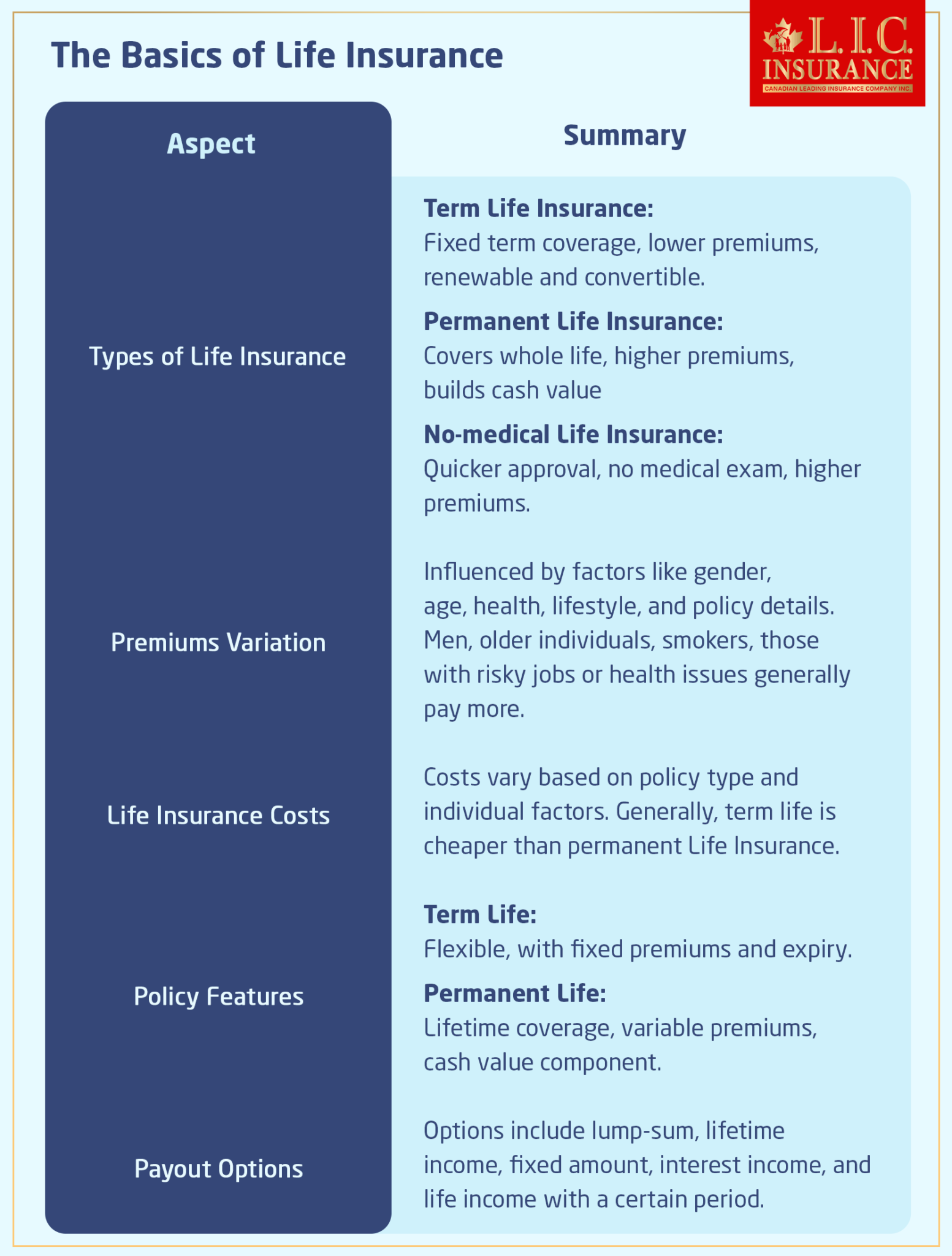
Term Life vs. Permanent Life Insurance
One of the most extensive sections in any life insurance basics guide will be the comparison between term and permanent policies. This is where most consumers find the most confusion.
Term Life Insurance
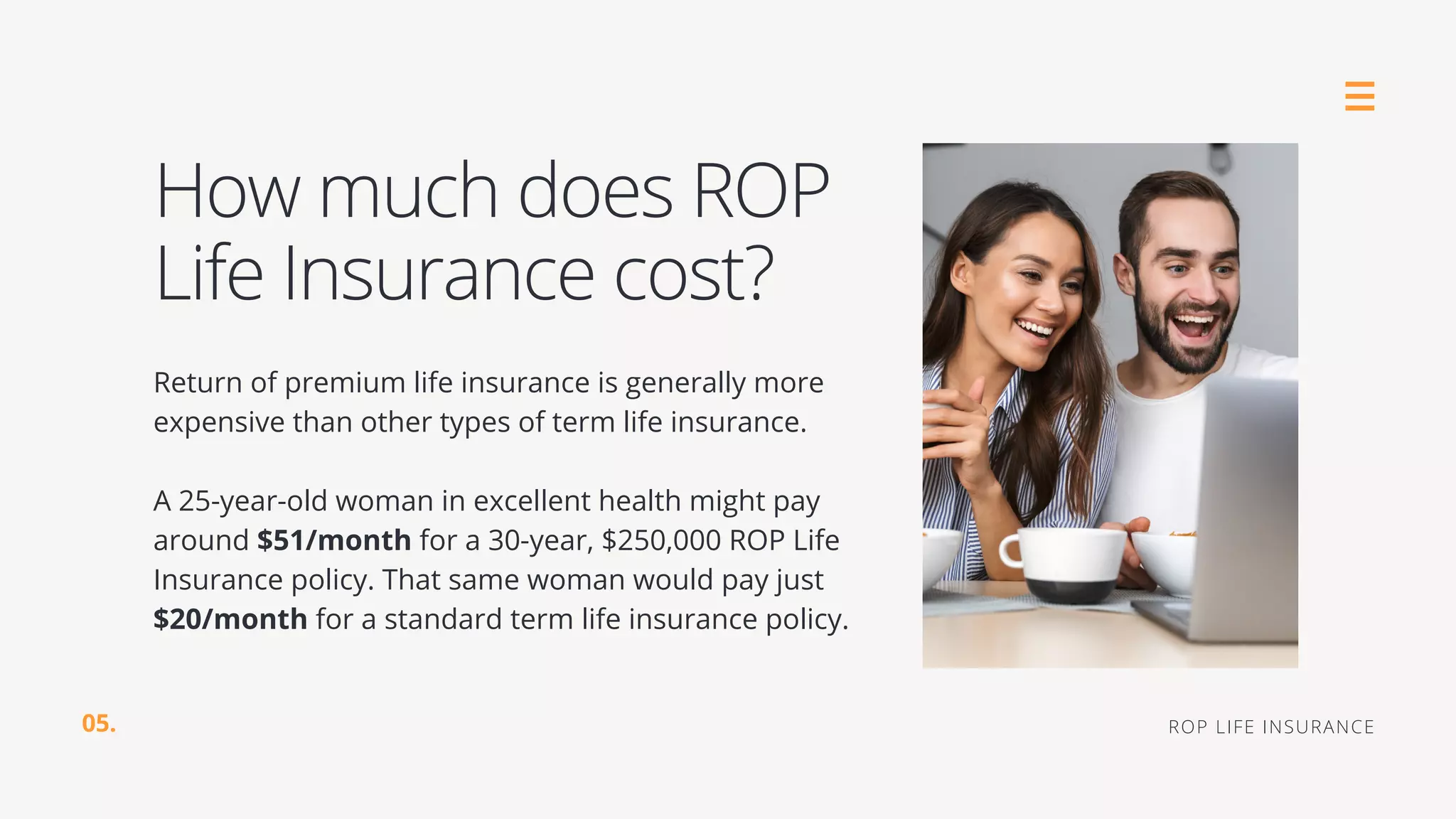
Term insurance is often described as "pure protection." It provides coverage for a specific period, such as 10, 20, or 30 years. If the insured passes away during that window, the benefit is paid. If the term expires and the insured is still alive, the coverage ends unless it is renewed at a higher rate. Because it lacks a savings component, term insurance is significantly more affordable for young families who need high coverage amounts on a budget.
Permanent Life Insurance
Permanent insurance is designed to last for the insured's entire life, provided premiums are paid. This category includes Whole Life, Universal Life, and Variable Life. These policies include a "cash value" component that grows over time on a tax-deferred basis. While more expensive than term, permanent insurance can be used as a tool for estate planning, wealth transfer, or even as a source of emergency funds through policy loans.
Comparison of Primary Policy Types
| Feature | Term Life Insurance | Whole Life Insurance | Universal Life Insurance |
|---|---|---|---|
| Duration | Fixed period (10-30 years) | Lifelong (to age 100 or 121) | Lifelong/Flexible |
| Premium Cost | Lowest initial cost | Highest initial cost | Flexible within limits |
| Cash Value | None | Guaranteed growth | Market-linked or interest-bearing |
| Flexibility | Rigid terms | Very low flexibility | High (adjustable death benefit) |
| Best For | Income replacement for families | Estate planning & final expenses | Long-term wealth management |
Calculating Your Coverage Needs
A major benefit of downloading a free ebook is the inclusion of "needs analysis" worksheets. Most people either guess their coverage amount or use a generic "10 times salary" rule, which may not be accurate for everyone.
A comprehensive guide will teach you to use the DIME method, which stands for:
- Debt: Sum of all non-mortgage debts (car loans, credit cards, student loans).
- Income: The number of years of income you want to replace for your survivors.
- Mortgage: The remaining balance on your home.
- Education: The estimated future cost of college for your children.
By following this structured approach, you can determine a precise dollar amount. This prevents you from being "underinsured," which leaves your family at risk, or "overinsured," which wastes money on unnecessary premiums. In 2026, many ebooks also include considerations for inflation and the rising costs of healthcare and education.
The Underwriting Process in 2026
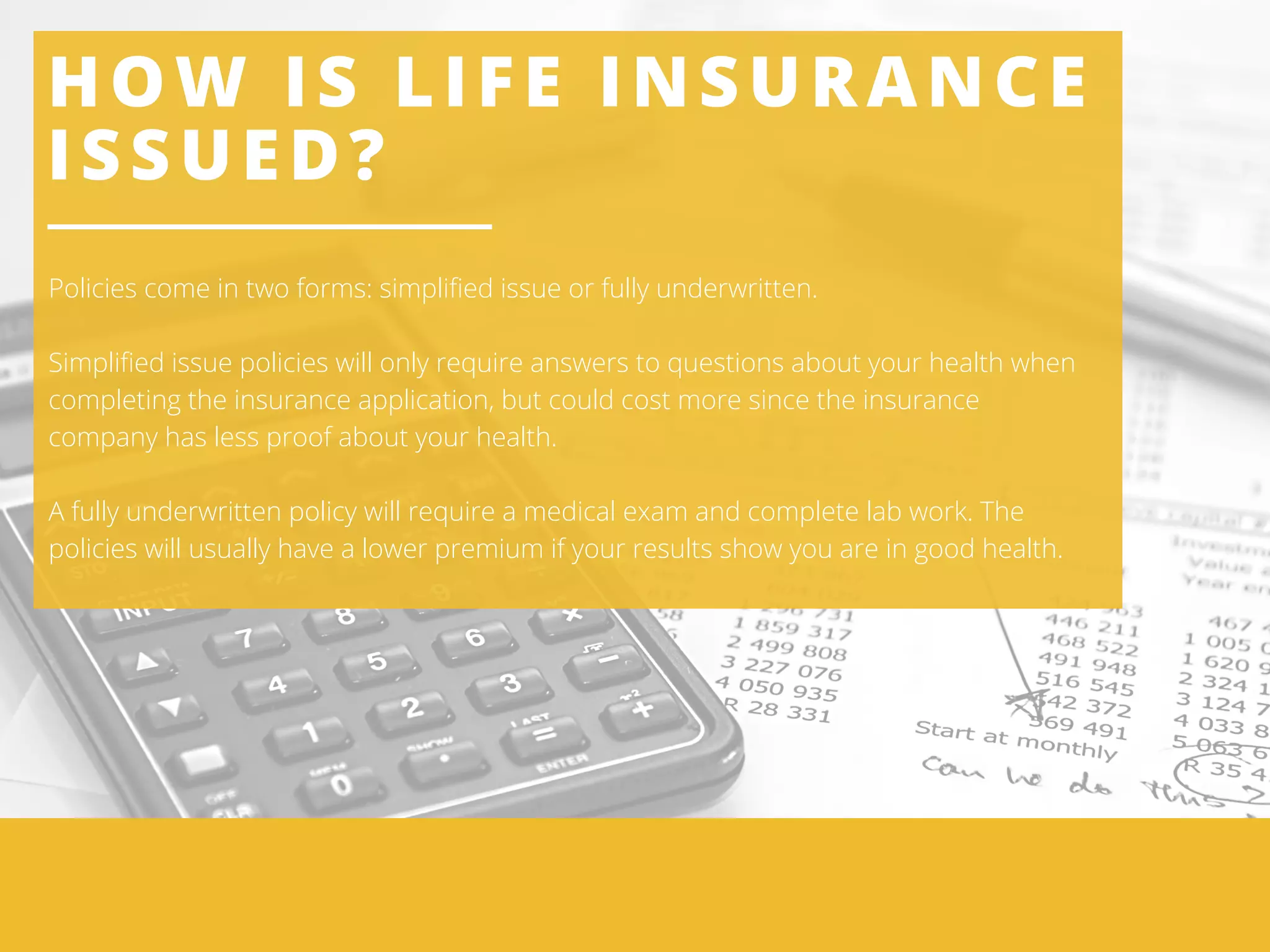
Modern life insurance ebooks should also demystify the underwriting process. This is the method by which insurance companies evaluate your risk and determine your premium rate.
Historically, this required a full medical exam, including blood and urine samples. However, in 2026, many companies utilize "accelerated underwriting." This process uses data analytics, prescription drug databases, and motor vehicle records to approve policies within minutes or hours for healthy individuals.
A good ebook will explain the different "risk classes" you might be assigned:
- Preferred Plus/Elite: Excellent health, no tobacco use, great family history.
- Preferred: Very good health, minor manageable issues.
- Standard: Average health, perhaps slightly overweight or with minor health histories.
- Substandard/Table Rated: Significant health issues or high-risk hobbies.
Understanding these categories helps you set realistic expectations for the quotes you receive.
Where to Source High-Quality Free Ebooks
Not all free ebooks are created equal. Some are merely thin marketing brochures, while others are deep educational resources. To find the best guides, look toward these types of organizations:
- Mutual Insurance Companies: Because they are owned by policyholders, mutual companies often prioritize long-term education.
- Financial Planning Associations: Non-profit groups dedicated to financial literacy often produce unbiased guides.
- Government Regulators: The National Association of Insurance Commissioners (NAIC) offers extensive consumer guides that function like ebooks, providing neutral, verified information.
- Independent Brokerages: Many large digital brokerages offer comprehensive "Ultimate Guides" to life insurance to help educate their leads before they apply.
When evaluating a source, check the "last updated" date. While the basics of insurance don't change every day, tax laws and underwriting technologies do. Ensure the ebook was updated within the last year to reflect current 2026 standards.
Common Mistakes to Avoid When Learning the Basics
When reading your free ebook, be wary of several common misconceptions that can lead to poor decision-making:
- Relying Solely on Employer Coverage: Most employers provide life insurance equal to one or two times your salary. Ebooks often highlight that this is usually insufficient for families and, more importantly, the coverage is usually not portable—if you leave your job, you lose the coverage.
- Waiting Too Long to Buy: Age and health are the primary drivers of cost. An ebook will emphasize that the best time to buy life insurance is almost always "now," as premiums will only increase as you get older.
- Choosing Based Only on Price: While cost is important, the financial strength of the insurance company is paramount. You want a company with a high rating from agencies like A.M. Best or Moody's, ensuring they can actually pay the claim 30 years from now.
Frequently Asked Questions
Can I get a life insurance policy without a medical exam?
Yes, in 2026, many insurers offer "no-exam" or "simplified issue" policies. These use digital data and health questionnaires to assess risk. While convenient, these policies sometimes have slightly higher premiums than those requiring a full medical exam because the insurer is taking on a bit more unknown risk.
Is the cash value in a whole life policy the same as the death benefit?
No. The cash value is a living benefit that grows over time and can be accessed by the owner. The death benefit is the amount paid to beneficiaries upon death. In most standard whole life policies, the beneficiaries receive the face amount (death benefit), but the insurance company keeps the remaining cash value unless a specific rider was purchased to pay out both.
What happens if I stop paying my premiums?
For term insurance, the policy will enter a "grace period" (usually 30 days) and then lapse, meaning you no longer have coverage. For permanent policies with cash value, the company may use the accumulated cash to pay the premiums automatically (an automatic premium loan) until the cash is exhausted, or the policy may convert to "reduced paid-up" status.
Are life insurance payouts taxable for my beneficiaries?
Generally, no. Life insurance death benefits are usually not considered taxable income by the IRS. However, if the death benefit remains with the insurance company for a period and earns interest, the interest portion of the payout is taxable. Additionally, if the estate is very large, the benefit may be subject to federal or state estate taxes.
Can I change my beneficiary after the policy is active?
In most cases, yes. Unless you have designated an "irrevocable beneficiary," you can change who receives the death benefit at any time by filing a change of beneficiary form with the insurance company. It is recommended to review your beneficiaries every few years or after major life events like marriage, divorce, or the birth of a child.
Practical Recommendation for Next Actions
Once you have downloaded and read a free ebook for life insurance basics, do not let the information sit idle. Use the knowledge to take these three concrete steps:
- Perform a Needs Analysis: Use the DIME method or the worksheets provided in the ebook to calculate your specific coverage gap.
- Review Existing Coverage: Look at your current workplace benefits or any old policies you may have to see how they align with your newly calculated needs.
- Request Comparative Quotes: Armed with an understanding of policy types and your required coverage amount, contact an independent agent or use an online comparison tool to view quotes from multiple highly-rated carriers.
Taking these steps ensures that the time spent reading the ebook translates into real-world financial protection for your loved ones.
Image Gallery