Why the Double Entry Accounting Definition Matters for Every Business
The double entry accounting definition establishes that every financial transaction must be recorded in at least two separate accounts—a debit and a credit—to ensure the accounting equation remains in balance. This foundational princip...
The double entry accounting definition establishes that every financial transaction must be recorded in at least two separate accounts—a debit and a credit—to ensure the accounting equation remains in balance. This foundational principle is essential for maintaining accurate financial statements, preventing clerical errors, and providing a comprehensive view of a company's assets, liabilities, and equity.
Contents
Understanding the Core Accounting Equation
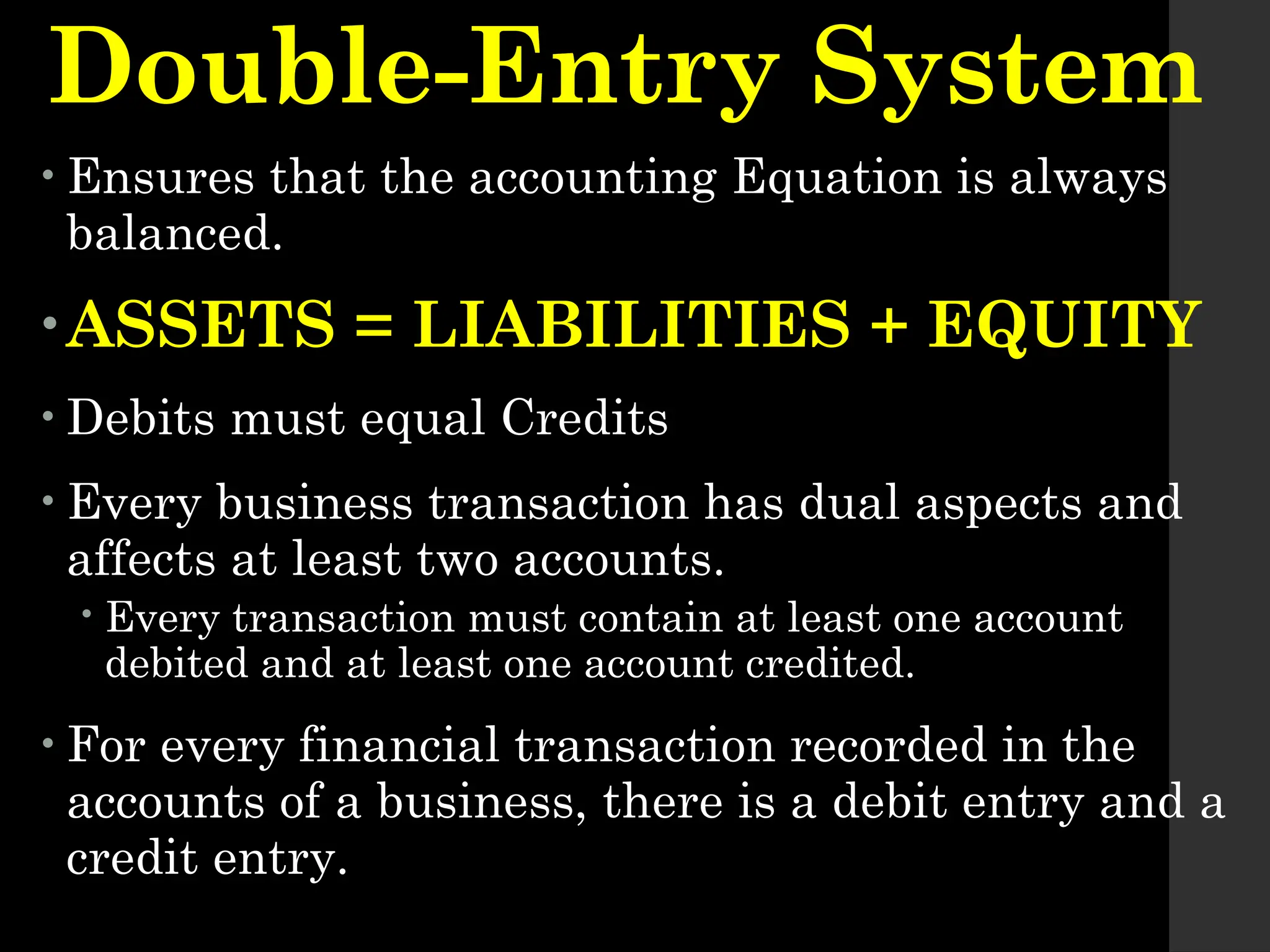
At the heart of double entry accounting lies the fundamental accounting equation: Assets = Liabilities + Equity. Every business transaction, whether it involves purchasing raw materials, paying employee wages, or securing a loan, triggers a change in this equation. The double entry system enforces a systematic way to record these changes.
When you record a transaction, you must affect at least two accounts. For instance, if a business purchases new office equipment using cash, the "Equipment" asset account increases, and the "Cash" asset account decreases by an equal amount. Because both actions occur on the asset side of the equation, the total remains balanced. If a business takes out a bank loan, the "Cash" account (an asset) increases, while the "Loan Payable" account (a liability) also increases. The equality holds firm because an increase on the left side is matched by an increase on the right.
This method matters because it provides an inherent verification system. If a business records only one side of the transaction, the accounting books will fail to balance at the end of the reporting period. This discrepancy acts as an immediate red flag, signaling that a mistake or omission has occurred.
Distinguishing Debits and Credits
For many business owners, the terms "debit" and "credit" are often misunderstood as inherently positive or negative. In accounting, these terms simply denote the left and right sides of a ledger.
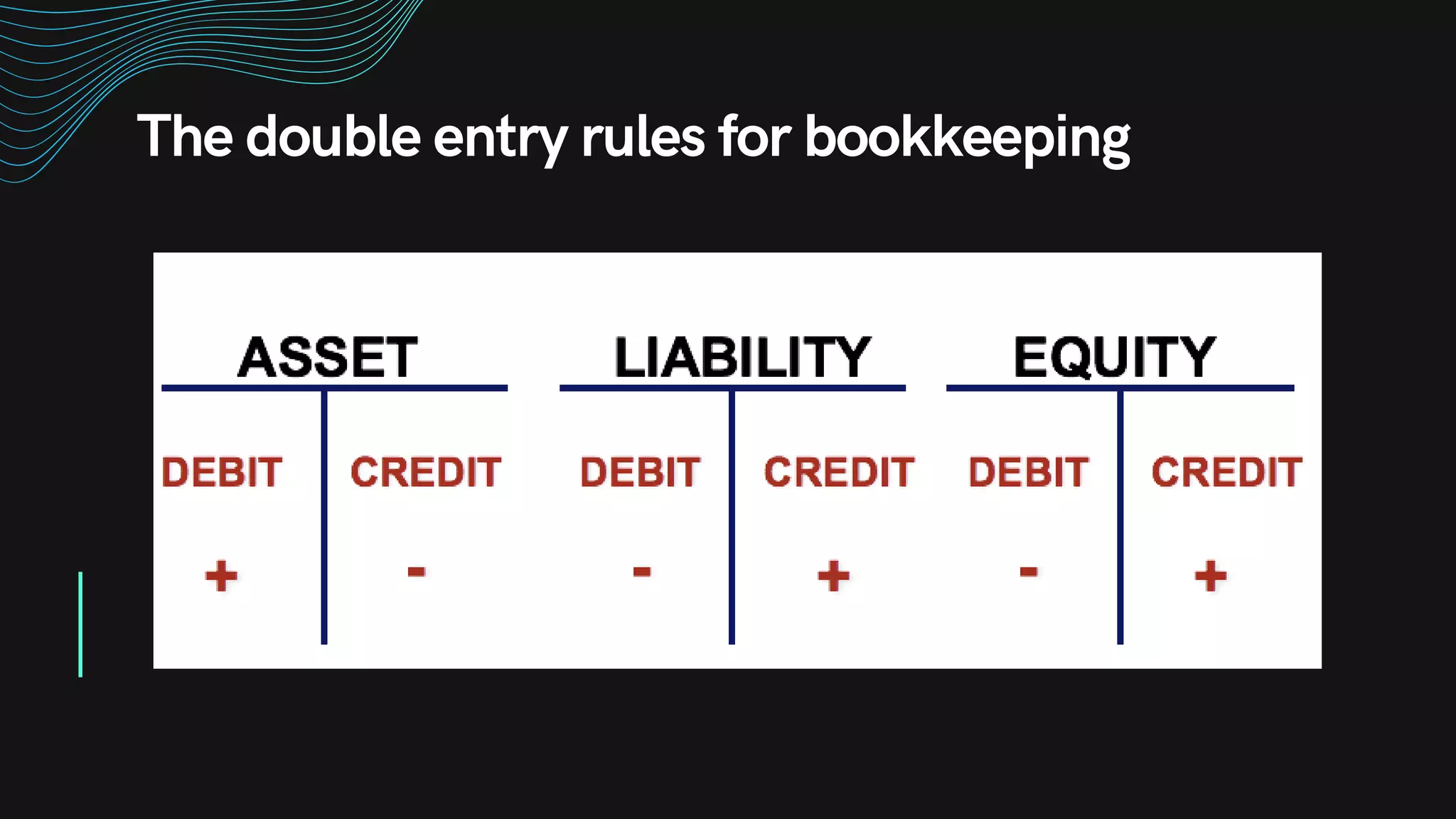
- Debits (Left): Generally increase asset and expense accounts, while decreasing liability and equity accounts.
- Credits (Right): Generally increase liability, equity, and revenue accounts, while decreasing asset and expense accounts.
By strictly adhering to these rules, the double entry system creates a trail for every dollar. If you merely tracked cash flow in and out, you would see your bank balance, but you would lack clarity on your obligations to creditors or the true value of your company's inventory. The definition of double entry accounting mandates that you track the source and the use of every financial resource.
Operational Advantages of Double Entry Systems
Businesses that transition from single-entry bookkeeping to a formal double entry system often see immediate improvements in financial oversight.
- Increased Accuracy: Because debits must equal credits, the system allows for the regular production of a "Trial Balance." This report identifies math errors before the financial statements are finalized.
- Comprehensive Financial Reporting: A single-entry system typically produces a rudimentary cash flow report. A double entry system enables the creation of an accurate Balance Sheet and Income Statement, which are mandatory for tax compliance, securing business loans, and attracting investors.
- Enhanced Fraud Detection: When every transaction requires a two-sided entry, it becomes significantly harder to hide discrepancies or unauthorized payments. Auditors utilize the double entry trail to verify that reported income matches actual business activities.
Comparing Accounting Methods
The following table outlines the functional differences between single-entry and double-entry accounting systems.
| Feature | Single-Entry Accounting | Double-Entry Accounting |
|---|---|---|
| Complexity | Low; simple for sole traders | Higher; requires more training |
| Error Checking | Difficult; relies on manual reviews | Built-in; debits must equal credits |
| Financial Insight | Limited to cash flow tracking | Full view of assets, debts, and equity |
| Regulatory Needs | Generally insufficient for corps | Standard for most legal entities |
| Scalability | Poor; fails as operations grow | High; supports complex auditing |
Common Pitfalls and Troubleshooting
Even with a robust double entry system, errors can occur. One of the most common issues is the "transposition error," where digits are accidentally flipped (e.g., recording 450 instead of 540). Because the debits and credits still equal each other, the trial balance will not detect this.
To mitigate this, businesses should perform regular bank reconciliations. A bank reconciliation matches your internal ledger against the bank's records to identify missing entries or bank-side errors. If your ledger does not match your bank statement, the first step is to categorize your transactions to see if a debit was accidentally recorded as a credit or if an entry was duplicated.
Legal and Compliance Implications
For many businesses, adopting double entry accounting is not a matter of choice but a legal requirement. In many jurisdictions, entities operating as corporations or LLCs must adhere to Generally Accepted Accounting Principles (GAAP) or International Financial Reporting Standards (IFRS). Both of these frameworks are built upon the assumption of double entry bookkeeping.
Failure to maintain these records can result in significant legal consequences, including the inability to defend against tax audits, disqualification for government contracts, or the inability to secure financing from traditional banking institutions. As a business grows in 2026, the complexity of tax law—ranging from digital service taxes to cross-border VAT—makes precise, double-entry-based record-keeping an absolute prerequisite for operational survival.
Next Steps for Implementation
If your business is currently relying on simple spreadsheets or single-entry logs, transitioning to a double entry system is the most important step you can take for long-term fiscal health.
- Adopt Accounting Software: Modern cloud-based platforms automate the debit and credit logic. By categorizing a transaction, the software automatically triggers the corresponding second entry.
- Establish a Chart of Accounts: Define your accounts clearly. Distinguish between operational expenses, capital assets, and long-term liabilities to ensure your reporting is accurate.
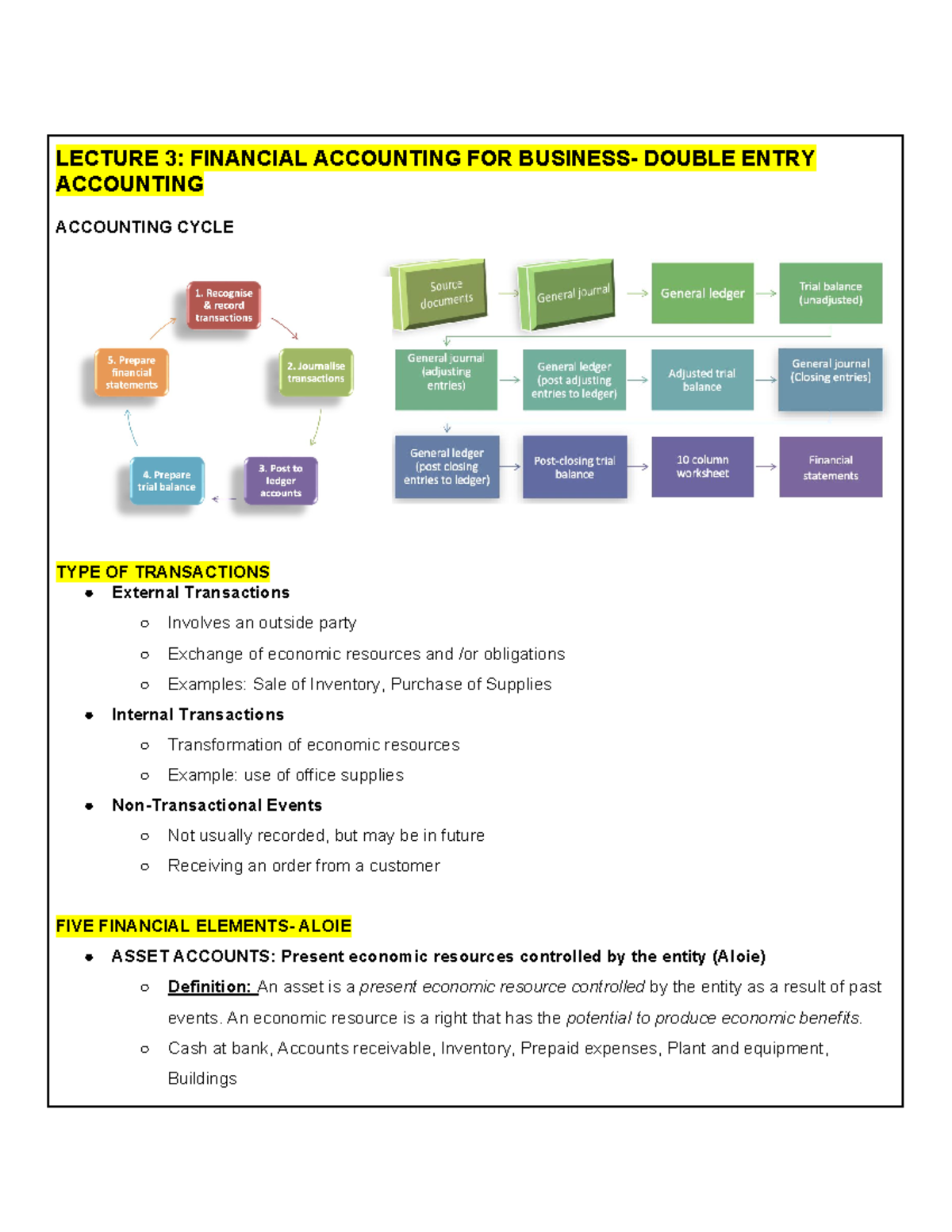
- Standardize Closing Procedures: Implement a monthly "closing" process where you review the trial balance, reconcile bank accounts, and ensure the fundamental accounting equation holds true before proceeding to the next month.
- Consult a Professional: Engage a Certified Public Accountant (CPA) to review your setup. A professional can help ensure your account structure complies with local tax regulations and provides the reporting depth required for your specific industry.
Disclaimer: This information is for educational purposes and does not constitute professional financial or legal advice. Always consult with a qualified accountant or tax advisor regarding your business's specific reporting requirements.
Image Gallery