Why Emma Chamberlain’s Paris Fashion Week 2019 Moment Stood Out
Emma Chamberlain’s attendance at Paris Fashion Week in 2019 served as a pivotal turning point for the fashion industry’s relationship with digital creators. By bridging the gap between authentic, personality-driven YouTube content and...
Emma Chamberlain’s attendance at Paris Fashion Week in 2019 served as a pivotal turning point for the fashion industry’s relationship with digital creators. By bridging the gap between authentic, personality-driven YouTube content and the historically exclusionary world of high-fashion house front rows, her appearance validated the influence of "internet-native" celebrities and established a new blueprint for luxury brand marketing.
Contents
The Landscape of Fashion Industry Gatekeeping
Prior to 2019, the front row at major Paris Fashion Week shows was reserved almost exclusively for legacy media, established movie stars, and professional models. The traditional fashion ecosystem relied on a top-down hierarchy where publications like Vogue or Harper’s Bazaar acted as the primary curators of relevance. For a digital creator, accessing these inner circles was historically difficult, as the fashion industry remained skeptical of the "vlogging" format, viewing it as too casual or lacking the prestige required for luxury associations.
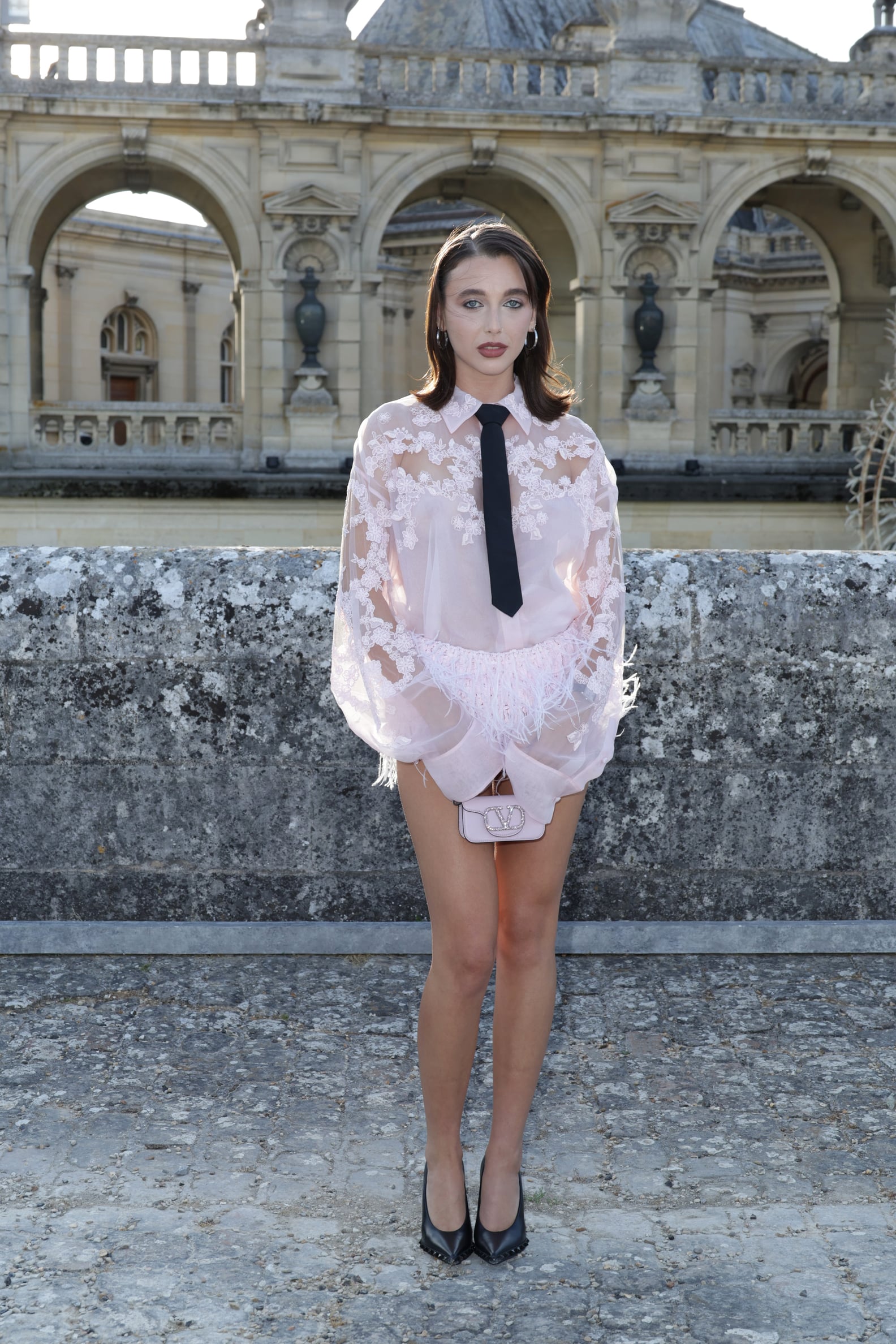
Emma Chamberlain’s invitation—specifically to events like the Giambattista Valli show—shattered these existing barriers. Her presence was not merely a celebrity appearance; it was a recognition by heritage brands that the audience power had shifted. When legacy fashion houses began courting creators who had built their following through unscripted, highly personal storytelling, it signaled that traditional PR strategies were no longer sufficient to reach younger demographics.
The Authentic Creator Brand
What made the 2019 moment uniquely significant was the contrast between Chamberlain’s aesthetic and the polished veneer of high fashion. Unlike the curated, airbrushed, and PR-managed image of traditional celebrities, Chamberlain’s brand was built on "relatable messiness"—a willingness to show acne, document travel exhaustion, and maintain an irreverent, self-deprecating humor.
When she stepped onto the streets of Paris, she maintained this persona. She didn't adopt the stiff, professional mask often required of red-carpet attendees. Instead, she treated her fashion week experience as another piece of content, documenting the surreal nature of being there through her own lens. This allowed her viewers to feel as though they were "behind the velvet rope" alongside her. For the luxury brands involved, this provided a massive increase in organic engagement, as her audience was not just viewing the fashion—they were participating in the narrative of her being there.
Structural Changes in Luxury Marketing
The 2019 moment served as a proof-of-concept for a new marketing model. Brands observed a direct correlation between the inclusion of digital-native creators and spikes in social media sentiment, brand awareness among Gen Z, and e-commerce conversions. The shift can be categorized into several key performance indicators (KPIs) that brands began to prioritize following this period:
| Metric | Traditional Model (Pre-2019) | Digital-First Model (Post-2019) |
|---|---|---|
| Primary Audience | Print readership/TV viewers | Global social media followers |
| Content Style | Editorial, polished, static | Raw, video-first, personality-driven |
| Engagement | Passive, observation-based | Active, comment-heavy, viral |
| Access | Exclusive to media elites | Inclusive of niche community voices |
This transition forced legacy PR agencies to change their vetting processes. It became less about an individual's traditional filmography and more about the engagement rate, audience demographics, and the "authenticity score" of a creator. Chamberlain’s 2019 moment demonstrated that a creator with a high-trust relationship with their audience could generate more genuine interest in a luxury collection than a traditional high-fashion advertisement.
The "Chamberlain Effect" on Future Collaborations
Following her 2019 appearance, the floodgates opened for other creators to participate in high-end fashion events. However, few could replicate the specific impact Chamberlain had because her entry was arguably the first of its kind. She was the "first-mover" in a space where creators were previously seen as outsiders.
Her success helped negotiate a new contract between brands and talent. It wasn't just about showing up in a dress; it was about the documentation of the process. Luxury houses began providing creators with more access, such as behind-the-scenes footage and direct interviews, recognizing that the "vlog" style of reporting was more valuable than a singular static photograph in a fashion magazine. This forced the fashion industry to invest in digital storytelling capabilities to match the speed and reach of the creators they were hosting.
Common Misconceptions About Creator Integration
One frequent misunderstanding regarding this period is the idea that the fashion industry "sold out" by inviting influencers. In reality, the integration of creators like Chamberlain was a survival strategy. As print media circulation declined, luxury brands required direct, unfiltered channels to younger consumers who were disillusioned by traditional advertising.
Another misconception is that the "moment" was entirely uncalculated. While Chamberlain’s delivery was authentic, the strategy behind her presence was the result of a symbiotic shift. Brands were actively seeking ways to modernize their image, and creators were seeking the prestige of luxury association to move beyond "YouTube-famous" status. The 2019 moment was the intersection of these two distinct corporate and personal motivations.
Frequently Asked Questions
Why was Emma Chamberlain specifically chosen by brands in 2019? Chamberlain was chosen because of her exceptionally high audience trust levels. Unlike influencers who primarily focus on "aesthetic" content, her audience was deeply invested in her personality, meaning her brand endorsements were perceived as genuine recommendations rather than paid advertisements.
Did other influencers attend Paris Fashion Week before 2019? While some influencers and fashion bloggers existed prior to 2019, they were often treated as a separate, lower-tier category of attendees. Chamberlain’s 2019 run was distinct because she was integrated into the primary, A-list social circles of the industry, signaling a shift in status from "blogger" to "fashion house representative."
How did this moment affect her career trajectory? The 2019 season marked her transition from a lifestyle vlogger to a high-fashion figure. It eventually led to long-term partnerships with major luxury houses, high-profile Met Gala appearances, and a shift in her own brand content toward more sophisticated, editorial aesthetics.
Was the 2019 Paris Fashion Week moment intentional or spontaneous? While the specific interactions were natural to her style, the attendance was a strategic maneuver by her management and the partnering fashion houses. It was a calculated attempt to bridge the divide between YouTube’s casual culture and the rigor of French high fashion.
How can I identify if a brand is successfully using creator partnerships today? Look for "story-driven" content rather than "product-focused" content. Successful partnerships in 2026 involve creators integrating the brand into their established content style, rather than forcing the creator to act as a traditional, stiff model.
Next Steps for Understanding Modern Fashion Influence
To fully grasp the evolution of this trend, observe the current digital campaigns of top-tier fashion houses. Note how they no longer hire creators to "show off" a product, but to "experience" a lifestyle associated with the brand. The 2019 moment was the beginning of this shift; today, it is the standard operating procedure for luxury marketing. Analyze current brand campaigns by comparing their engagement rates on social media versus traditional ad spend to see how the industry continues to prioritize the "Chamberlain-style" authenticity model.
Image Gallery