Why Millennials and Life Insurance Need a New Approach
In 2026, the traditional life insurance model fails millennials by prioritizing slow, invasive medical underwriting over digital speed and "death-only" benefits over living financial utility. A new approach is required to address high...
In 2026, the traditional life insurance model fails millennials by prioritizing slow, invasive medical underwriting over digital speed and "death-only" benefits over living financial utility. A new approach is required to address high student debt, the needs of the "sandwich generation," and a preference for flexible, transparent, and algorithmic policy management.
Contents
The demographic shift of the millennial cohort—now aged 30 to 45 in 2026—has transformed them from "young professionals" into the backbone of the global economy. As they manage aging parents and growing children simultaneously, the rigid, paper-heavy insurance structures of the past century have become obsolete. Modern life insurance must transition from a static "set-and-forget" product to a dynamic financial tool that integrates with a digital-first lifestyle.
The Demographic Reality of Millennials in 2026
The millennial generation is currently navigating a unique set of financial pressures that differ significantly from those of the Baby Boomers or Gen X at the same age. By 2026, many millennials have reached their peak earning years, yet they remain burdened by the "Sandwich Generation" phenomenon. This involves providing financial or caregiving support for aging parents while raising their own children, often while still servicing residual student loan debt.
The traditional approach to life insurance assumes a linear career path and a stable, home-owning middle class. However, millennials often participate in the gig economy, move between jobs more frequently, and delay homeownership. These factors make the "group life insurance" provided by employers an unreliable safety net. If a millennial loses or changes their job, their coverage often vanishes, leaving their family vulnerable during a transition.
Furthermore, the "human life value" calculation—a standard metric used to determine how much coverage someone needs—must be recalculated for 2026. It is no longer enough to cover a mortgage and funeral costs. For millennials, a new approach must account for the loss of specialized income in a high-inflation environment, the cost of childcare (which has outpaced general inflation), and the potential inheritance of parental debt or care costs.
Why the Traditional Underwriting Model Fails
Historically, applying for life insurance involved a "paramedical" exam: a nurse would visit the applicant's home to collect blood, urine, and physical measurements. This process could take six to eight weeks to result in an approved policy. For a generation accustomed to instant approval for credit cards, mortgages, and car shares, this friction is a significant barrier to entry.
The new approach focuses on accelerated underwriting and algorithmic risk assessment. By using vast datasets—including prescription drug histories, motor vehicle records, and even credit-based insurance scores—carriers can now offer "instant-issue" policies to healthy millennials without a physical exam.
Data Privacy and Transparency Concerns
While millennials are generally more comfortable with data sharing than their predecessors, they also demand higher transparency. A new approach to insurance must clearly explain why a "Rating Class" was assigned. If an algorithm determines a millennial’s premium, that applicant expects to know which factors influenced the price. Legacy carriers that hide behind "proprietary black-box" models are losing market share to transparent InsureTech firms that provide real-time feedback during the application process.
The Shift from Death Benefits to Living Benefits
The most significant change in the millennial approach to life insurance is the move toward Living Benefits. Traditionally, life insurance was viewed as "the money paid when you die." In 2026, millennials view it as a multi-purpose financial vehicle.
Living benefits are typically provided through "riders"—optional add-ons to a policy—that allow the policyholder to access a portion of the death benefit while they are still alive if they face a qualifying medical event.
- Chronic Illness Riders: Allows the insured to access funds if they cannot perform daily activities (like bathing or eating), providing a safeguard against the high cost of long-term care.
- Critical Illness Riders: Provides a lump sum if the insured is diagnosed with cancer, heart attack, or stroke, helping to cover high-deductible health insurance costs.
- Terminal Illness Riders: Accelerates the death benefit if a physician certifies a limited life expectancy, usually 12 to 24 months.
For a generation that has witnessed several global health and economic crises, the "protection for today" aspect is often more compelling than the "legacy for tomorrow."
Comparing Traditional vs. Modern Life Insurance Approaches
To understand why a new approach is necessary, it is helpful to compare the standard 20th-century model with the 2026 modern standard.
| Feature | Traditional Approach (Legacy) | Modern Approach (Millennial-Centric) |
|---|---|---|
| Application Process | Paper-based; manual signatures. | 100% Digital; mobile-optimized. |
| Underwriting Time | 4 to 8 weeks. | Instant to 48 hours. |
| Medical Requirements | Compulsory blood/urine exams. | Data-driven "Fluidless" underwriting. |
| Product Focus | Pure death benefit (Term/Whole Life). | Integrated "Living Benefits" & Riders. |
| Premium Payments | Rigid; monthly or annual checks. | Flexible; digital wallets; "pay-as-you-go" options. |
| Customer Service | Agent-dependent; call centers. | Self-service portals; AI-assisted chatbots. |
| Portability | Often tied to employer (Group Life). | Individually owned; moves with the career. |
The Role of Debt in Modern Coverage Calculations
One of the most overlooked aspects of the millennial life insurance gap is the treatment of debt. According to the Federal Reserve Board, millennials hold a significant portion of non-mortgage debt.
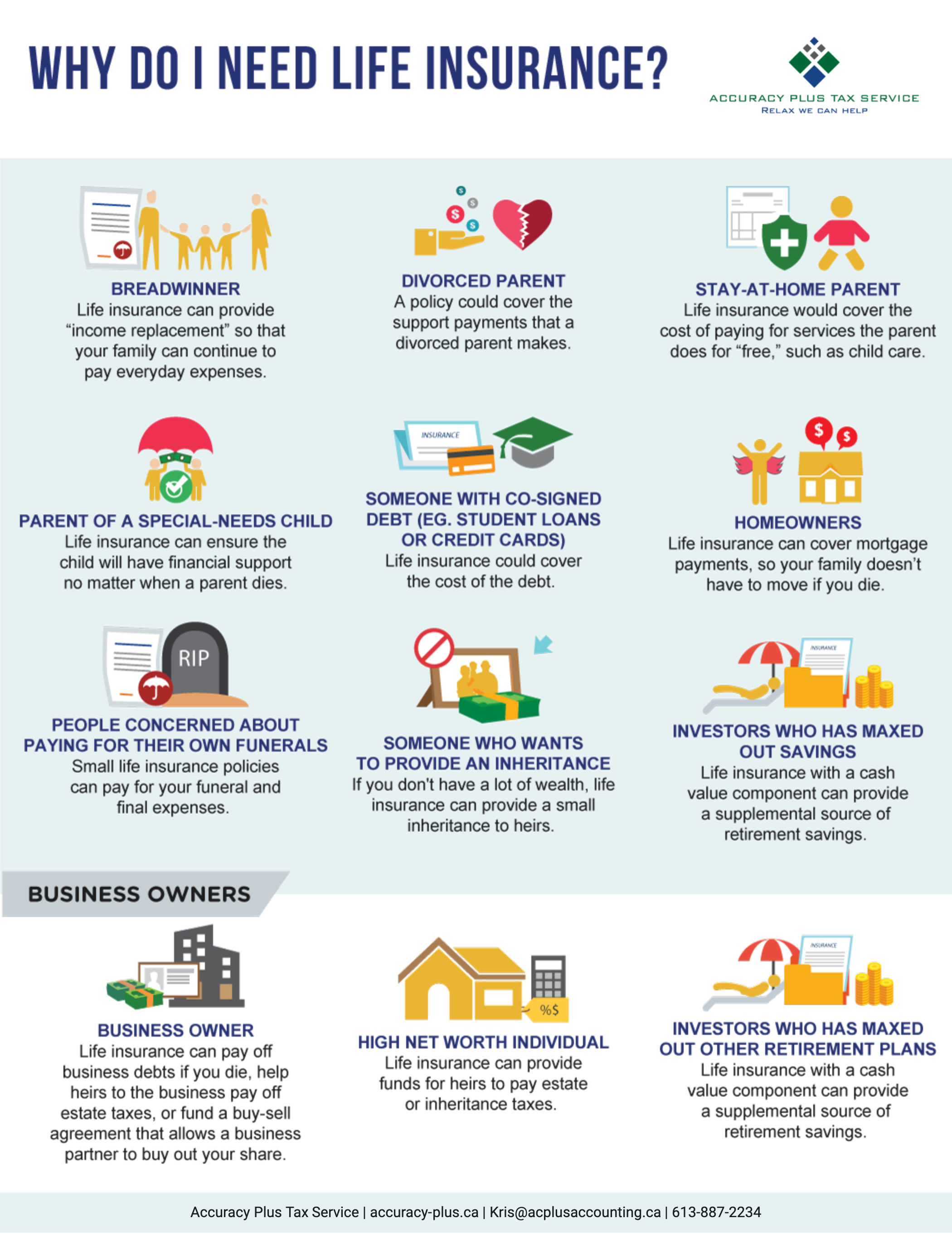
When a millennial parent passes away, their student loans may be discharged (if federal), but private student loans, co-signed car loans, and credit card debt often fall upon the surviving spouse or the estate. A "new approach" must involve a comprehensive debt audit. Instead of a generic "$500,000 policy," advisors are now using "laddering" strategies.
Laddering involves purchasing multiple smaller policies with different expiration dates. For example, a 35-year-old might buy a 10-year term policy to cover their remaining student debt and a 25-year term policy to cover their mortgage and child-rearing years. This approach is more cost-effective because the total coverage decreases as the individual’s financial liabilities naturally decline over time.
Integrating Life Insurance into Holistic Wealth Management
In 2026, life insurance is no longer viewed in isolation. It is increasingly integrated into broader financial planning software that tracks net worth, investments, and retirement goals in real-time.
Permanent Insurance as a "Volatility Buffer"
For high-earning millennials, certain types of permanent life insurance (such as Indexed Universal Life or Variable Universal Life) are being used as a tax-advantaged asset class. While these products are complex and require careful management, they offer a "cash value" component that grows tax-deferred. In a volatile market environment, this cash value can act as a "volatility buffer," allowing the policyholder to take loans against the policy rather than selling stocks during a market downturn.
However, this approach requires a high level of financial literacy. The National Association of Insurance Commissioners (NAIC) emphasizes that consumers must understand the fees and surrender charges associated with these products. The "new approach" for millennials includes a heavy emphasis on education over high-pressure sales tactics.
Common Obstacles to Obtaining Coverage
Despite the clear need, many millennials remain uninsured or underinsured. Understanding these barriers is essential for any new approach to succeed.
- The "Cost Overestimation" Myth: Studies consistently show that millennials overestimate the cost of life insurance by as much as three to five times. A healthy 35-year-old can often obtain a term policy for less than the cost of a monthly streaming subscription.
- The Complexity Gap: The jargon of the insurance industry (e.g., "irrevocable beneficiaries," "convertible term," "paid-up additions") acts as a deterrent. Modern platforms are replacing this with plain-language explanations.
- Distrust of Commissions: There is a growing preference for fee-only financial planners over commission-based insurance agents. Millennials want to know that the person recommending a policy isn't doing so just to hit a sales quota.
FAQ: Millennials and Life Insurance in 2026
Can I get life insurance if I have significant student loan debt?
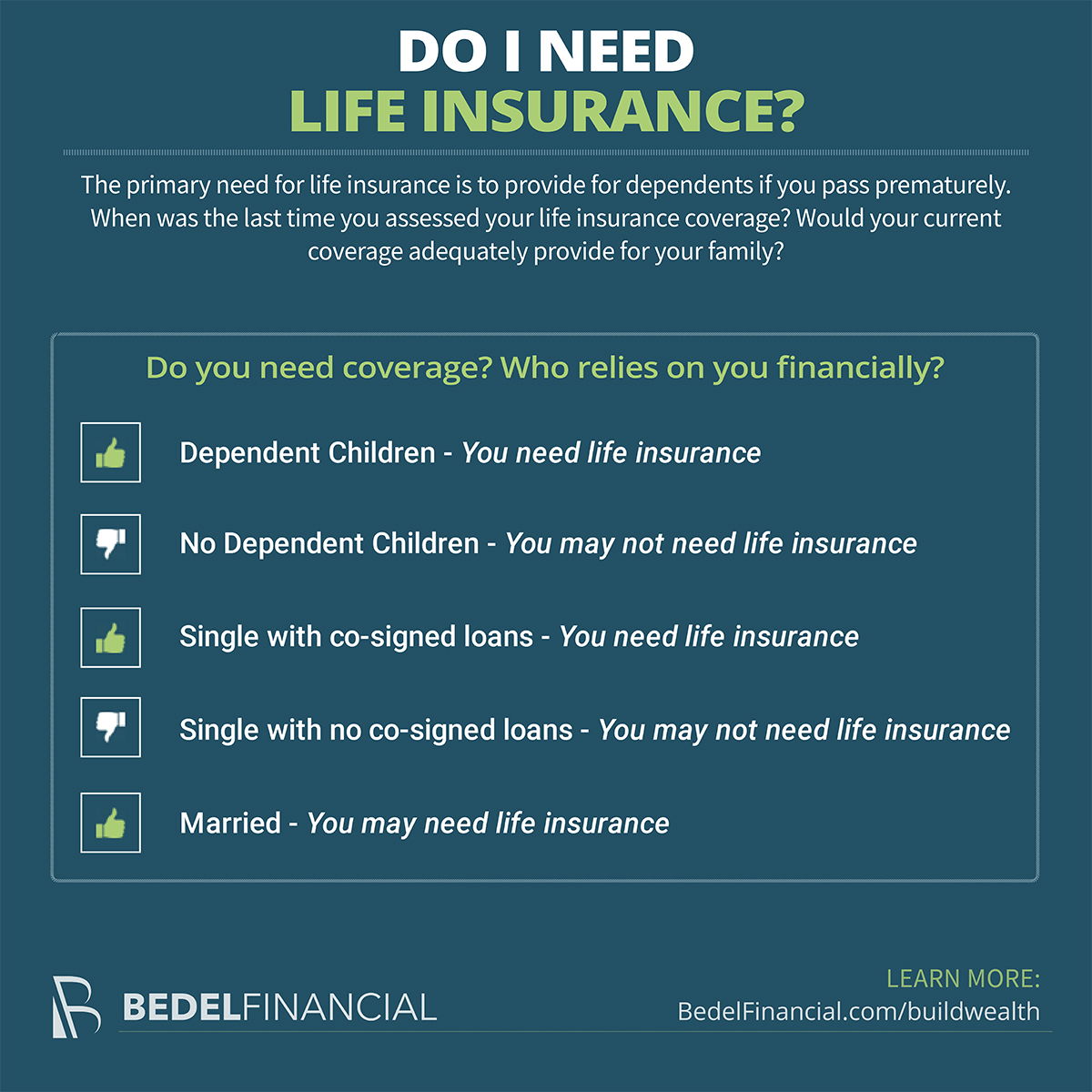
Yes. Having student loan debt does not prevent you from getting life insurance. In fact, it is a primary reason to get it. If you have co-signed private loans, your co-signer (often a parent) would be responsible for that debt if you passed away. A life insurance policy ensures that your debt doesn't become someone else’s burden.
Is "Instant-Issue" life insurance more expensive than traditional policies?
Not necessarily. In 2026, the data models used for accelerated underwriting have become so accurate that the "convenience premium" has largely disappeared for healthy applicants. If you have significant health issues, you may still be referred to traditional manual underwriting to get the best possible rate.
Should I rely on the life insurance offered by my employer?
While employer-sponsored (group) life insurance is a great benefit, it is rarely enough. Most group policies offer coverage equal to only one or two times your annual salary, whereas experts recommend ten to fifteen times. Additionally, group coverage is usually not portable; if you leave your job, you lose the protection.
What are "Living Benefits" and do I really need them?
Living benefits allow you to access your death benefit while you are alive if you are diagnosed with a chronic, critical, or terminal illness. Given that medical debt remains a leading cause of financial distress, these benefits provide a critical "safety net for the living" that traditional death-benefit-only policies lack.
How does the year 2026 affect my life insurance premiums?
As of 2026, insurance companies have integrated more sophisticated "longevity risk" models. While general life expectancy trends influence rates, your individual premium is still primarily based on your age, health, and lifestyle. Purchasing coverage sooner rather than later remains the most effective way to lock in lower rates before age-related health changes occur.
Practical Next Actions for Millennials
To adopt a modern approach to life insurance, start by conducting a "Financial Needs Analysis" that goes beyond a simple calculator.
- Audit your co-signed debt: Identify any liabilities that would fall on your parents or spouse.
- Calculate the "Time Value" of your absence: If you are a stay-at-home parent, calculate the cost of replacing your labor (childcare, transportation, household management).
- Check your digital eligibility: Use an online platform to see if you qualify for accelerated (no-exam) underwriting. This provides a quick baseline for what you will likely pay.
- Prioritize "Convertible" Term: If you choose a term policy, ensure it is "convertible." This allows you to switch to a permanent policy later in life without undergoing a new medical exam, preserving your insurability even if your health declines.
Life insurance in 2026 is no longer a morbid "bet against yourself." It is a foundational component of a tech-forward, flexible financial plan that protects both your family's future and your current peace of mind.
Disclaimer: This information is for educational purposes only and does not constitute professional financial, legal, or tax advice. Individuals should consult with a qualified financial advisor or insurance professional to discuss their specific circumstances.
Image Gallery